Engineered for automotive alternators, EV traction motors, starters, and industrial BLDC drives. Compare our precision stator coil winders, shaping units, and automated insertion machines built under ISO9001 quality systems.
Comprehensive Engineering Guide: Navigating Global Stator Coil Forming Machinery
In modern electromagnetic component manufacturing, stator coil forming serves as the critical transition stage between copper wire spooling and lamination pack embedding. Whether an electric powertrain facility is producing compact starter motors, automotive alternators, or 800V silicon carbide (SiC) traction drives for modern electric vehicles, the dimensional precision of coil end-turns governs copper fill factor, partial discharge resistance, and overall magnetic flux density.
Evaluating the Top 10 Stator Coil Forming Machine Factories & Suppliers demands far more than comparing brochure cycle times. Plant directors, manufacturing quality engineers, and international procurement managers must scrutinize the kinematic architecture of machine tooling, multi-axis servo synchronization, mechanical clamping stress thresholds, and tooling interchangeability across distinct lamination stack heights. When raw round or rectangular copper wire is bent into intermediate and final configurations, enamel tensile stress must remain well within international safety limits to eliminate microscopic insulation micro-fractures.
"Information Gain Benchmark: Modern stator coil forming is transitioning from simple pneumatic crimping to multi-axis servo cam profiles. The elimination of hydraulic backlash directly correlates with an average 18% reduction in high-voltage phase-to-phase insulation breakdown during automated surge testing."
Throughout Tier-1 supply chains, equipment reliability centers on the machine builder's capacity to deliver customized tooling based on complex OEM slot diagrams. A premier supplier does not simply vend a generic benchtop unit; they engineer integrated workstations capable of accommodating skewed stator slots, diverse lamination stack lengths, and hairpin 3D crowns while preserving continuous line tact times.
To assist industrial procurement teams in establishing robust vendor shortlists, our engineering evaluation benchmarks the primary design parameters across top-tier international and Chinese machine manufacturers:
Supplier Category
Tooling Precision & Drive
Copper Damage Control
Slot Fill Capability
Customization Cycle
Zhejiang Rilvo Automation
3-6 Axis Servo Synchronous CNC
Tungsten Carbide Mandrels (Ra ≤ 0.2μm)
Up to 78% (Round/Flat)
3 - 5 Weeks Fast Track
Western European High-End
Fully Closed-Loop Linear Motors
Mirror Electro-Polished Rollers
Up to 80% (Hairpin Heavy)
16 - 24 Weeks Standard
Japanese Tier-1 Specialized
Dedicated Mechanical Cam Systems
Low-Friction Diamond Coated
Up to 76% (Sub-fractional)
20 - 28 Weeks Standard
Standard Regional Assembly Plants
Pneumatic / Hybrid Stepper
Hard Chrome Plated Mild Steel
55% - 65% Conventional
6 - 10 Weeks Standard
Strategic Procurement
Product Sourcing & Procurement Trends (2025–2030)
How intelligent manufacturing, hairpin architecture, and digital twin analytics are reshaping stator machinery investments globally.
Transition to Edgewise & Hairpin Geometry
Global demand is rapidly shifting away from conventional multi-turn random winding toward rectangular copper wire hairpin stators. Procurement teams are specifying forming machines equipped with multi-station bending heads that preserve cross-sectional flat wire profiles without corner thinning or dielectric degradation.
Digital Twin & Closed-Loop Tensioning
Next-generation stator forming machines feature IoT-connected tension sensors. Real-time feedback automatically fine-tunes wire payoff braking torque during high-speed coil insertion and twisting stages, preventing elongation spikes and reducing copper scrap rates to below 0.15% across volume runs.
Turnkey Cell Integration Over Standalone Tools
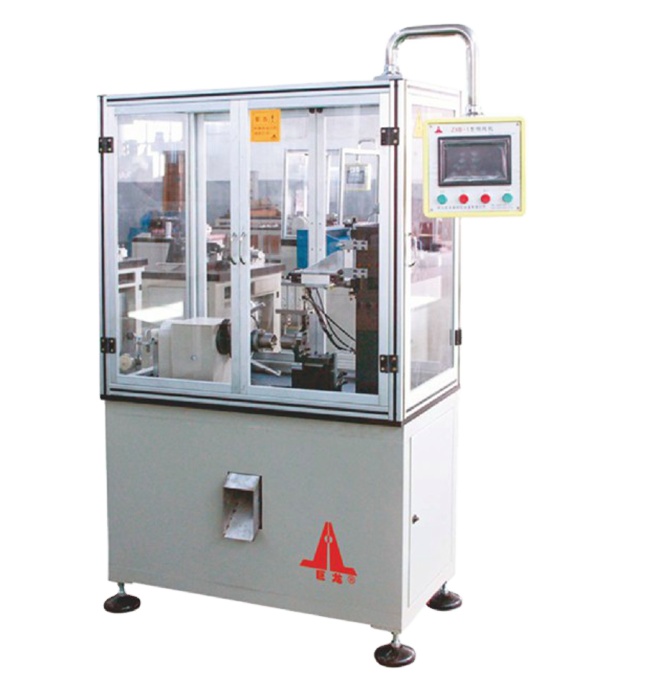
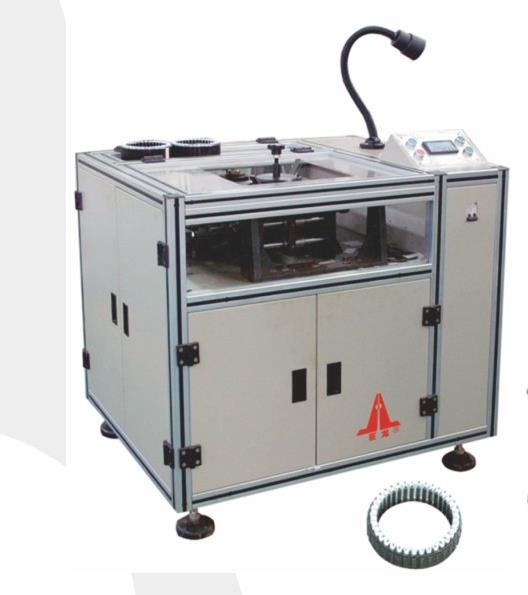
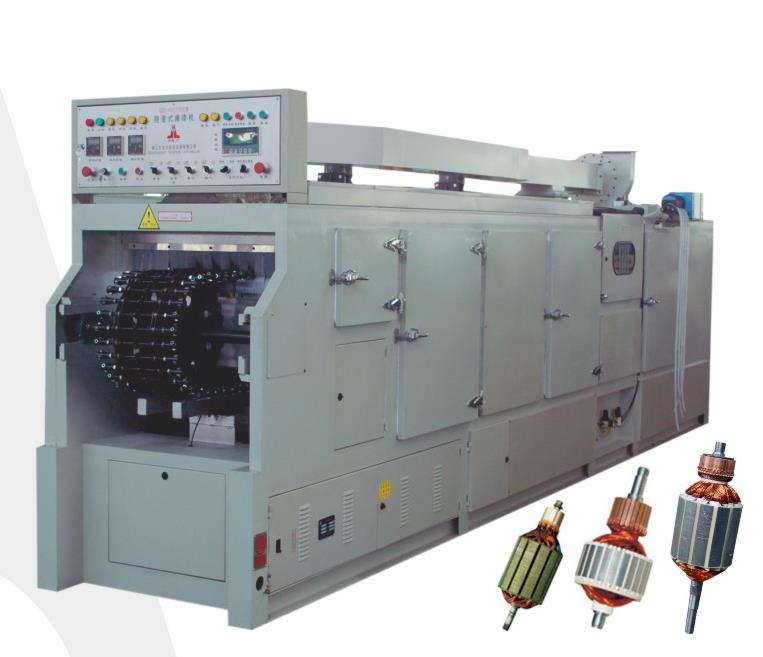
Procurement directors increasingly favor factories capable of supplying complete inline systems: from slot paper insertion (such as the DFC-1) and automated coil winding to intermediate 3D end-turn expanding, final cold forming, and continuous trickle resin varnishing on a unified transfer carousel.
Technological Development Trends: Enhancing Electromagnetic Efficiency
The push for IE4 and IE5 industrial energy efficiency, combined with high power density requirements in automotive electrification, has established new operational demands on coil forming machine mechanics:
1. Controlled Variable-Speed Tooling Paths: Traditional stator coil expanders relied heavily on fixed hydraulic cylinders that imparted sudden impact shocks to copper bundles. Cutting-edge systems utilize programmable electronic cam (E-Cam) algorithms. Tooling slows minutely at the precise moment of copper contact, accelerating smoothly through the displacement curve to minimize frictional heat buildup and varnish abrasion.
2. Rapid-Changeover Modular Tooling Blocks: High-mix, low-volume motor manufacturers cannot afford hours of mechanical downtime. Leading machinery builders now engineer pre-aligned quick-dock tooling fixtures. Operators can switch between different slot configurations and lamination diameters in less than 20 minutes with zero manual dial-indicator re-calibration.
3. Advanced High-Voltage Surge Pre-Checking: Contemporary forming cells integrate inline electrical fault detection prior to final stator housing press-fit. Machine stations verify inter-turn insulation resistance directly on the forming mandrel, allowing immediate rejection of compromised assemblies before valuable trickle resin impregnation occurs.
Founded in 1998 in Taizhou, Zhejiang, Rilvo combines nearly three decades of dedicated mechanical innovation with massive in-house manufacturing capability.
60,000 m² Industrial Base
Unlike trading entities or small workshops, Rilvo operates 20,000 m² of operational workshops with 30,000 m² under current expansion in Sanmen's Shatianyang Development Zone. Over 150 dedicated machine units handle precision casting, CNC machining, and quality finishing in-house.
17 National Patents & High-Tech Status
Formally recognized as a High and New Technology Enterprise of Zhejiang Province, our 36-member engineering R&D department holds 17 national invention and utility model patents, ensuring cutting-edge mechanical kinematics and dependable control architectures.
ISO9001 & 3C Verified Quality
Every automated winding, inserting, shaping, and trickling machine conforms strictly to ISO9001 quality management procedures and China Compulsory Certification (3C). Onsite inspections, trial part runs, and full-speed verification are documented prior to crating.
Comprehensive Process Breadth
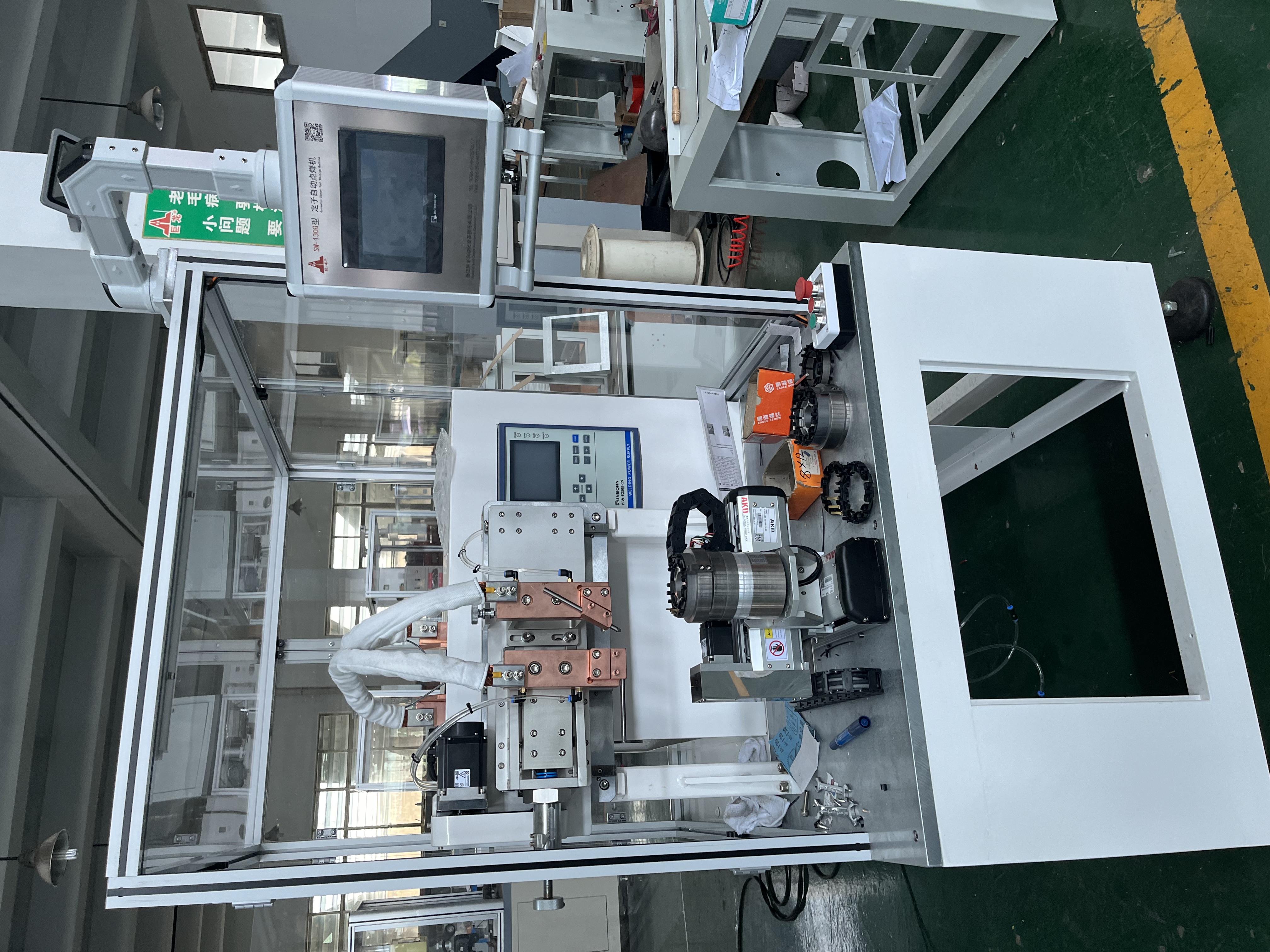
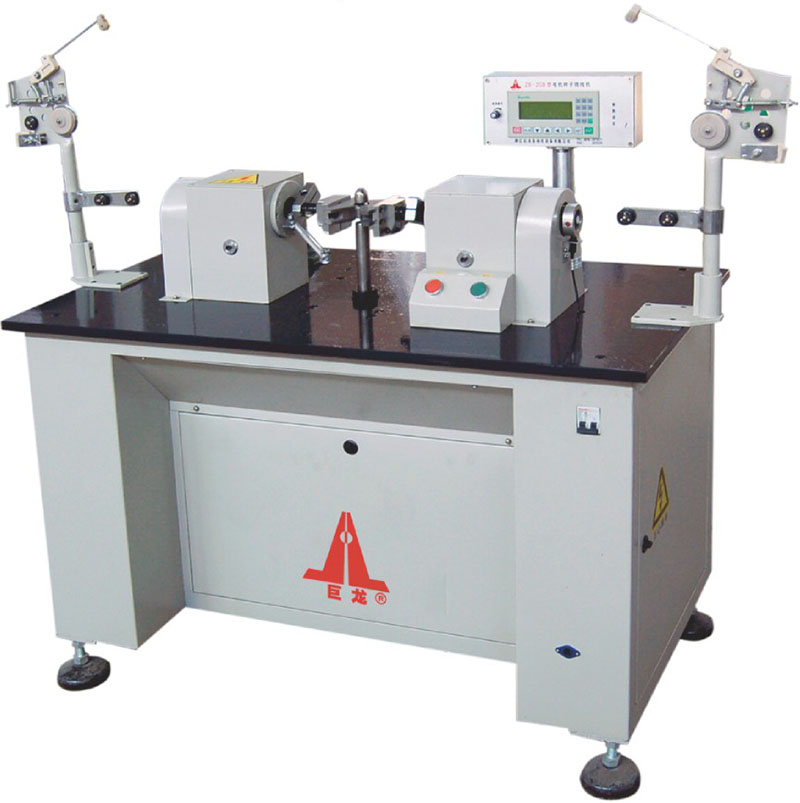
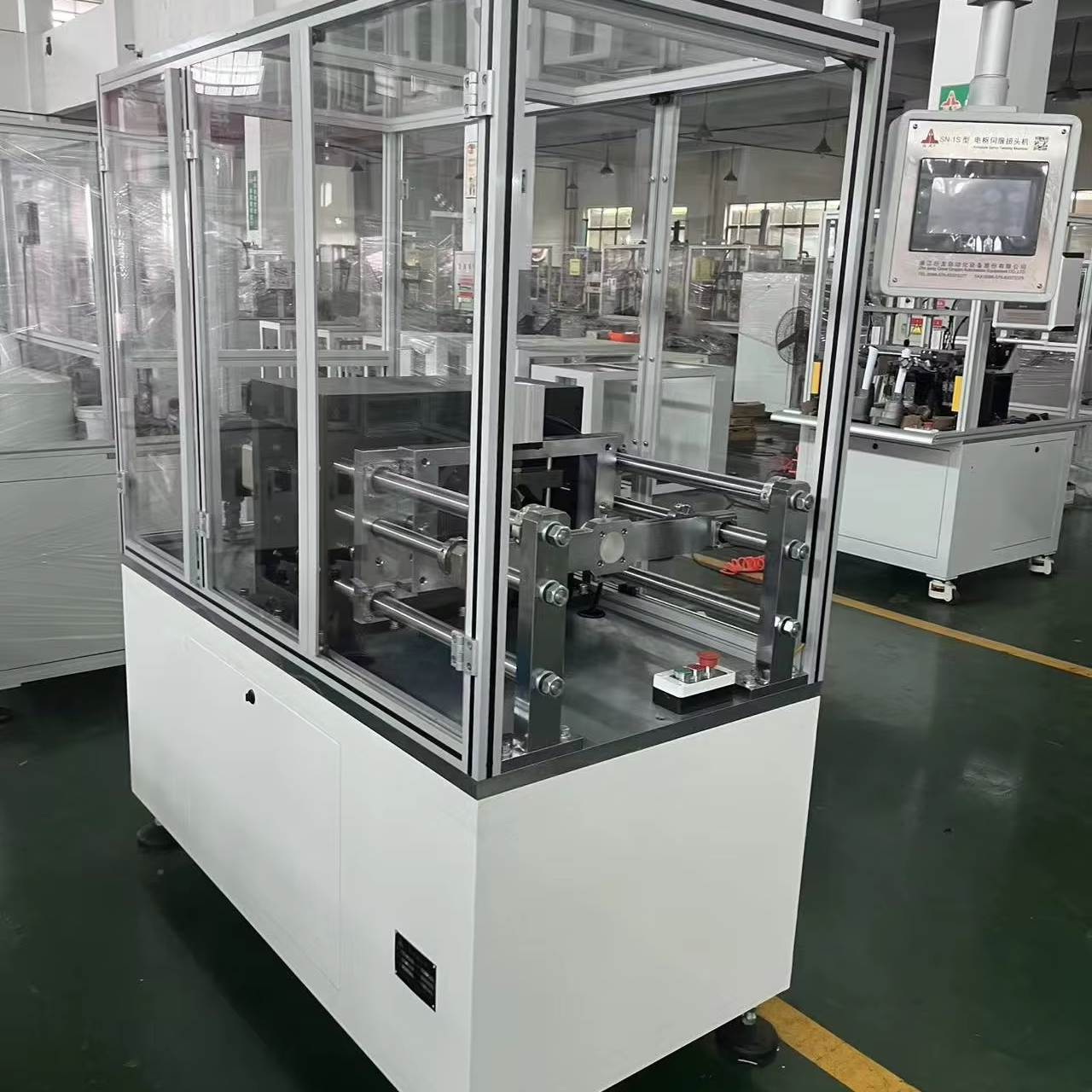
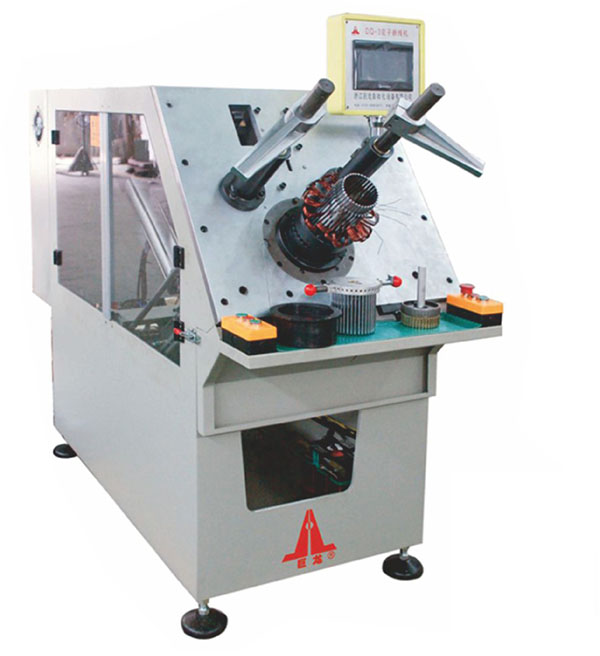
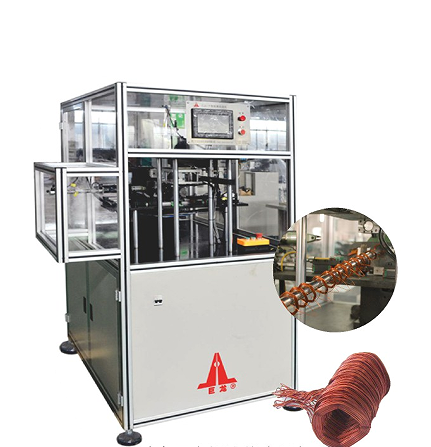
Rilvo supplies over 90 specialized equipment varieties covering stator slot paper inserting (DFC-1), flat wire coil winding (ZXB-1, CJL-7), coil embedding (DQ-1, DQ-2), armature end-twisting (SN-1S), and trickling impregnators (SZD-376/63.5), allowing buyers to source turnkey motor lines from a single factory.
Global Export & Custom OEM/ODM
With over a decade of deep OEM/ODM custom manufacturing, our machinery is exported to Eastern Asia, Southeast Asia, Eastern Europe, South America, and the Middle East. We support FOB, CFR, CIF, and EXW agreements with robust remote and on-site commissioning.
Renowned Engineering Leadership
Led by our President and Chief Engineer—recognized with the prestigious National Knowledge-Worker Model award by the All-China Federation of Trade Unions—our team brings deep mechanical, optical, and automation control synthesis directly to your production challenge.
Procurement Inquiries
Frequently Asked Questions (FAQ)
Authoritative answers to technical and commercial considerations for international stator machinery buyers.
What is the typical mechanical lifespan and maintenance cycle for forming tooling?
Tooling fabricated with high-grade tungsten carbide or nitrided tool steel typically yields a production life exceeding 2,500,000 to 4,000,000 machine cycles before refurbishing or recoating is needed. Regular maintenance involves scheduled cleaning of wire copper dust, weekly verification of pneumatic lubricators, and checking servo lead screw backlash every 500 operating hours.
Can Rilvo customize coil forming tooling according to proprietary CAD drawings?
Yes. We specialize in custom OEM/ODM solutions. By supplying your stator lamination pack drawings (including slot opening dimensions, stack height, ID/OD), copper wire gauge (round or rectangular cross-section), and target cycle times, our 36-member engineering R&D team designs and validates tailored forming dies and mandrels.
How does the machine prevent scratching and damaging enameled copper insulation?
Insulation integrity is secured through three core mechanisms: precision mirror-polished contact surfaces (surface roughness Ra ≤ 0.2 μm), custom polyurethane or ceramic wire guidance rollers, and multi-axis servo electronic profiling that eliminates abrupt kinetic impact during clamping, expanding, and crown-twisting cycles.
What factory acceptance testing (FAT) is conducted before export shipping?
Every machine undergoes a strict FAT protocol using actual sample materials supplied by the customer. We perform continuous dry-cycling for 48 hours followed by production runs verifying slot fill, end-turn geometric envelope, and inter-turn surge insulation. High-definition video FAT sessions and third-party inspection reports are provided before balance settlement.
What international commercial delivery terms and payment structures are available?
We support worldwide commercial shipping under FOB Ningbo/Shanghai, CFR, CIF destination ports, and EXW factory terms. Payment is primarily executed via T/T or confirmed Irrevocable L/C at sight in USD or EUR. Minimum order quantity (MOQ) across our entire automated equipment catalog is 1 complete set.
How does Rilvo assist overseas customers with machine installation and operator training?
Each machine arrives with comprehensive bilingual operating and maintenance manuals, detailed wiring schematics, and video commissioning tutorials. In addition to 24/7 remote video diagnostics by our technical engineering desk, our senior technicians are deployed internationally to conduct physical plant installation, line synchronization, and factory floor training.
Request an Engineered Stator Production Solution
Connect directly with our application engineers in Zhejiang, China. Share your motor lamination specifications, wire type, and capacity goals to receive an optimized equipment proposal and layout analysis within 24 hours.