Configured specifically for production stability, minimal enamel abrasion, and high thermal insulation compliance in tropical operating environments. Explore our top 8 industrial units below.
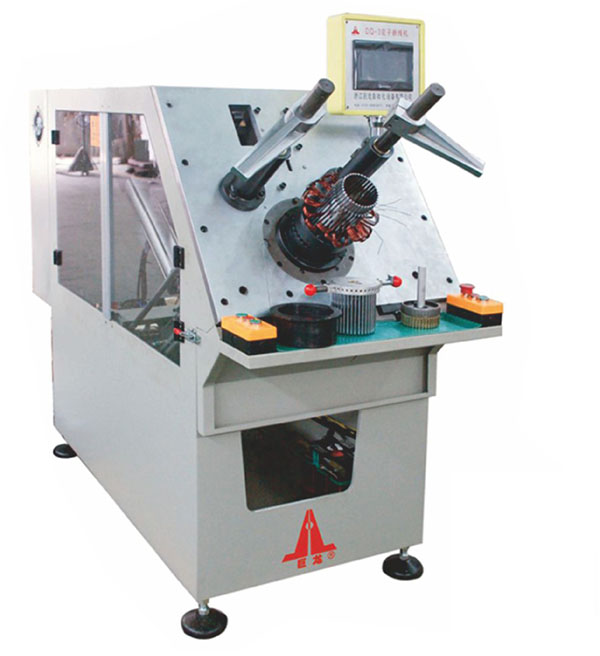
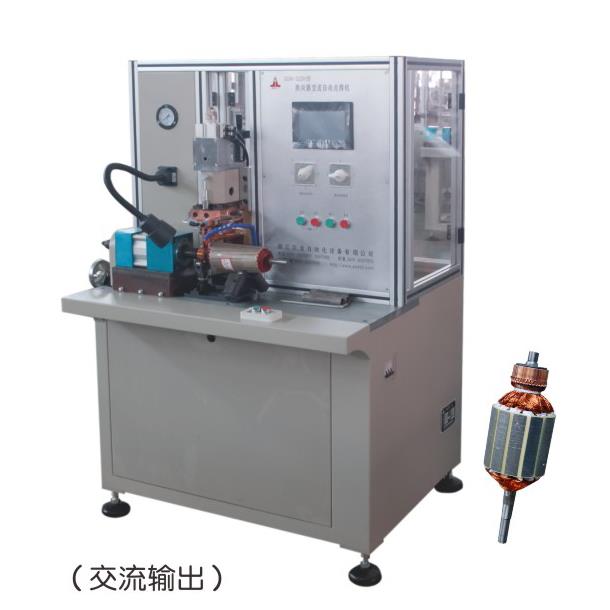
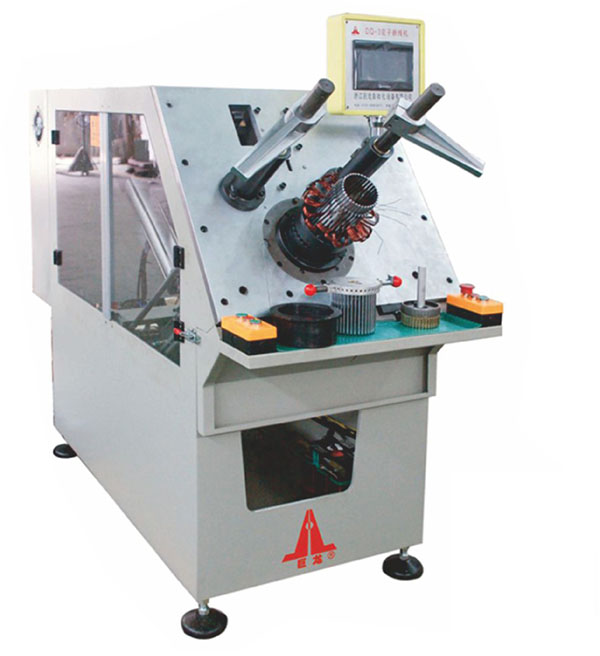
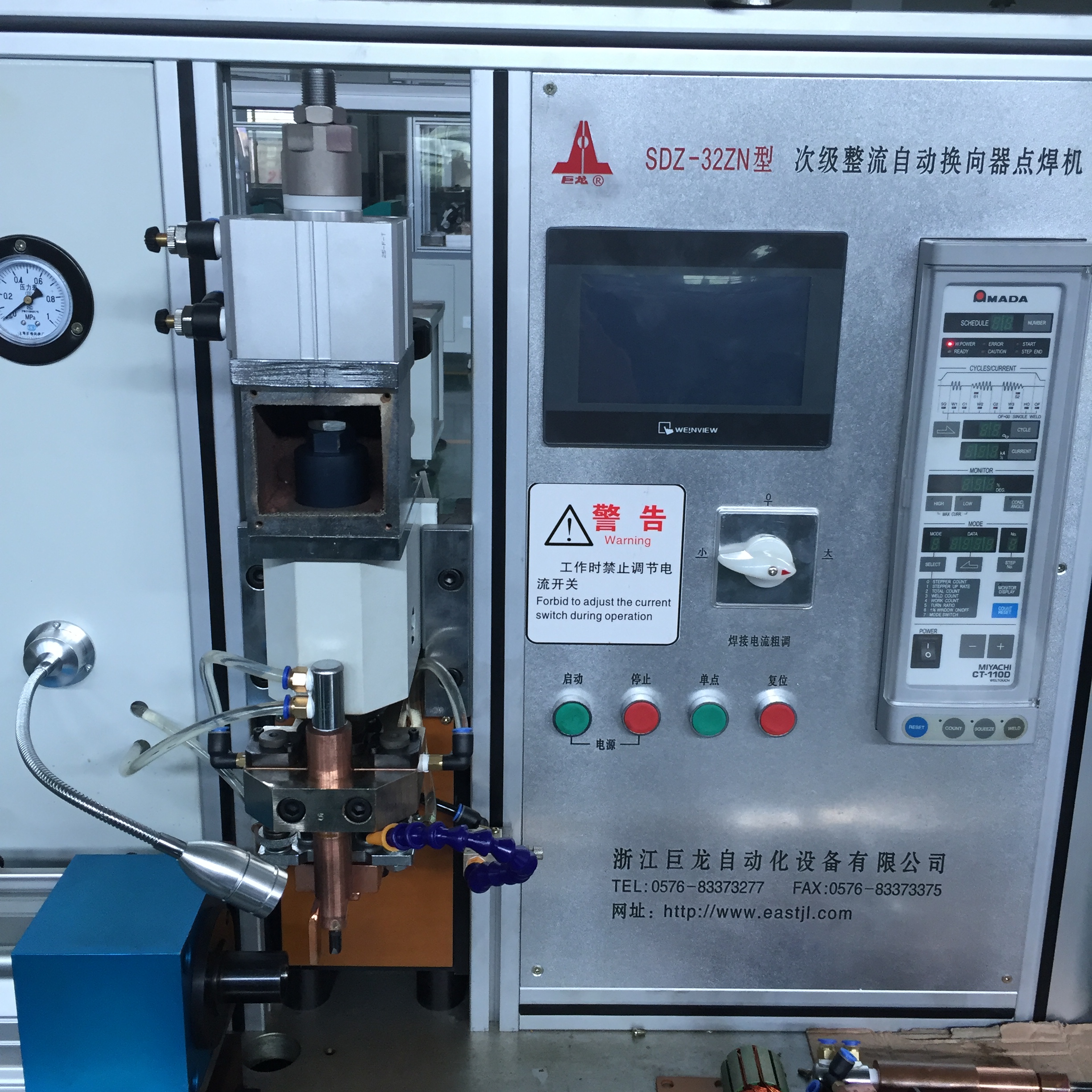
The manufacturing and electromechanical rewinding ecosystem in northern Laos is experiencing a structural technological transition. Centered around Luang Prabang—a strategic regional transport, logistics, and power transmission crossroads—industrial operators have traditionally operated with semi-manual bench coil winders and low-precision spot welders. However, the expansion of high-voltage transmission lines, the growth of municipal electric mobility, and the rising logistical demands of the China-Laos Railway corridor require rapid modernization toward automated armature rotor winding and stator coil embedding machinery.
Modern electrical equipment deployed throughout Luang Prabang confronts rigorous ambient challenges: chronic tropical humidity often surpassing 85%, prolonged monsoon downpours, seasonal ambient temperatures hovering between 36°C and 42°C, and recurring grid voltage fluctuations. Under these punishing conditions, manual armature rewinds typically suffer from uneven copper wire tensioning, micro-abrasions along the wire's polyurethane enamel, and compromised commutator hook fusing. These flaws induce high partial-discharge rates, localized hotspots, and premature insulation breakdown. Automated machinery, by contrast, deploys precision servo closed-loop tensioners, programmable wire indexing fliers, and micro-gap hot-stake resistance controllers to achieve consistent magnetic balance and extended service life.
Our winding, embedding, and welding equipment is specifically configured to solve localized electromechanical production and rebuilding requirements across northern Lao PDR.
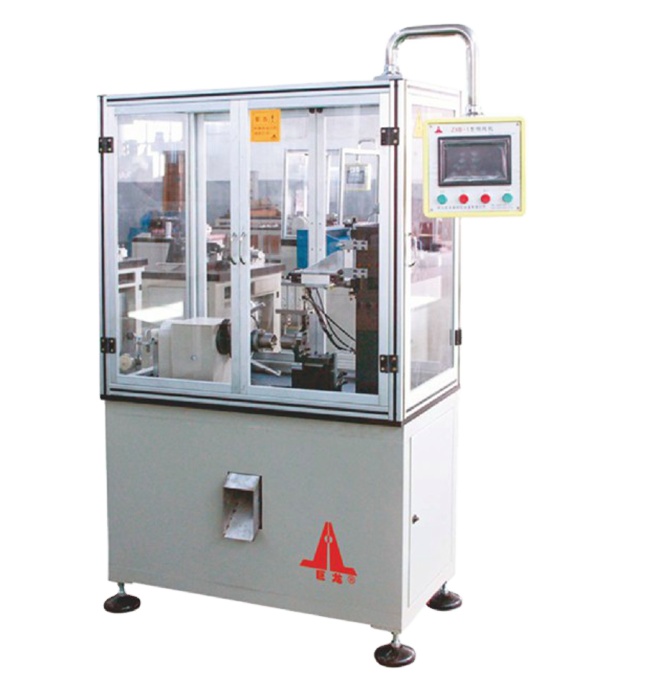
Northern Laos serves as the hydroelectric backbone of the Mekong and Nam Ou river basins. Run-of-river and cascade hydroelectric dams rely on excitation motors, servo-actuator armatures, and auxiliary drainage pump stators. Our machines—such as the 5 DQ-1 Stator Wire Embedding Machine and ZXB-1 Flat Coil Winder—permit precise handling of heavy-gauge magnet wire and flat copper bars, guaranteeing tight slot fill factors and superior resin impregnation readiness required for high-vibration power generation environments.
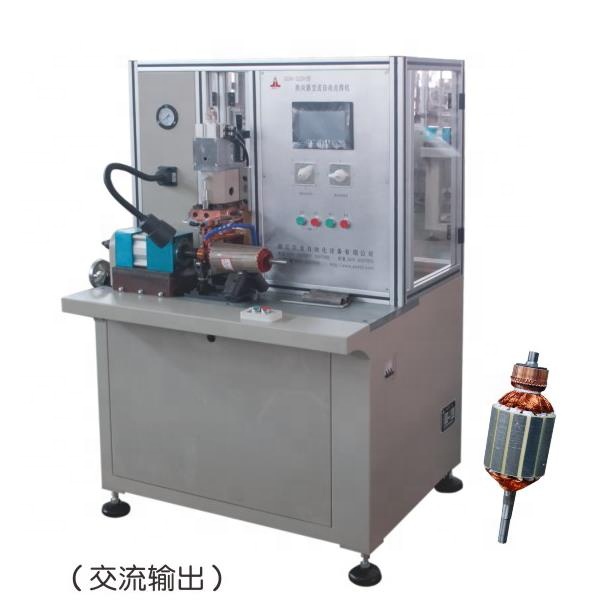
With the Luang Prabang Station operating as a key regional freight and passenger terminal along the standard-gauge railway, commercial logistics fleets, distribution trucks, and shunting yard utility vehicles operate continuous logistics rotations. This produces steady demand for heavy-duty starting motor armatures and alternator stator rebuilds. Utilizing the DQ-2 Alternator Stator Coil Inserter and SDN-32ZH Spot Welder allows local overhaul depots to manufacture and rebuild alternators to original equipment manufacturer (OEM) tolerances.
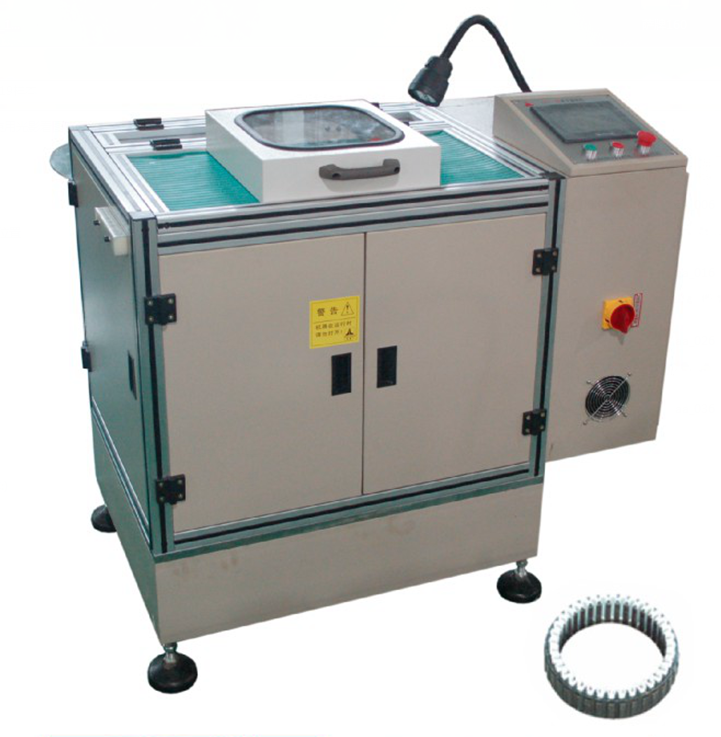
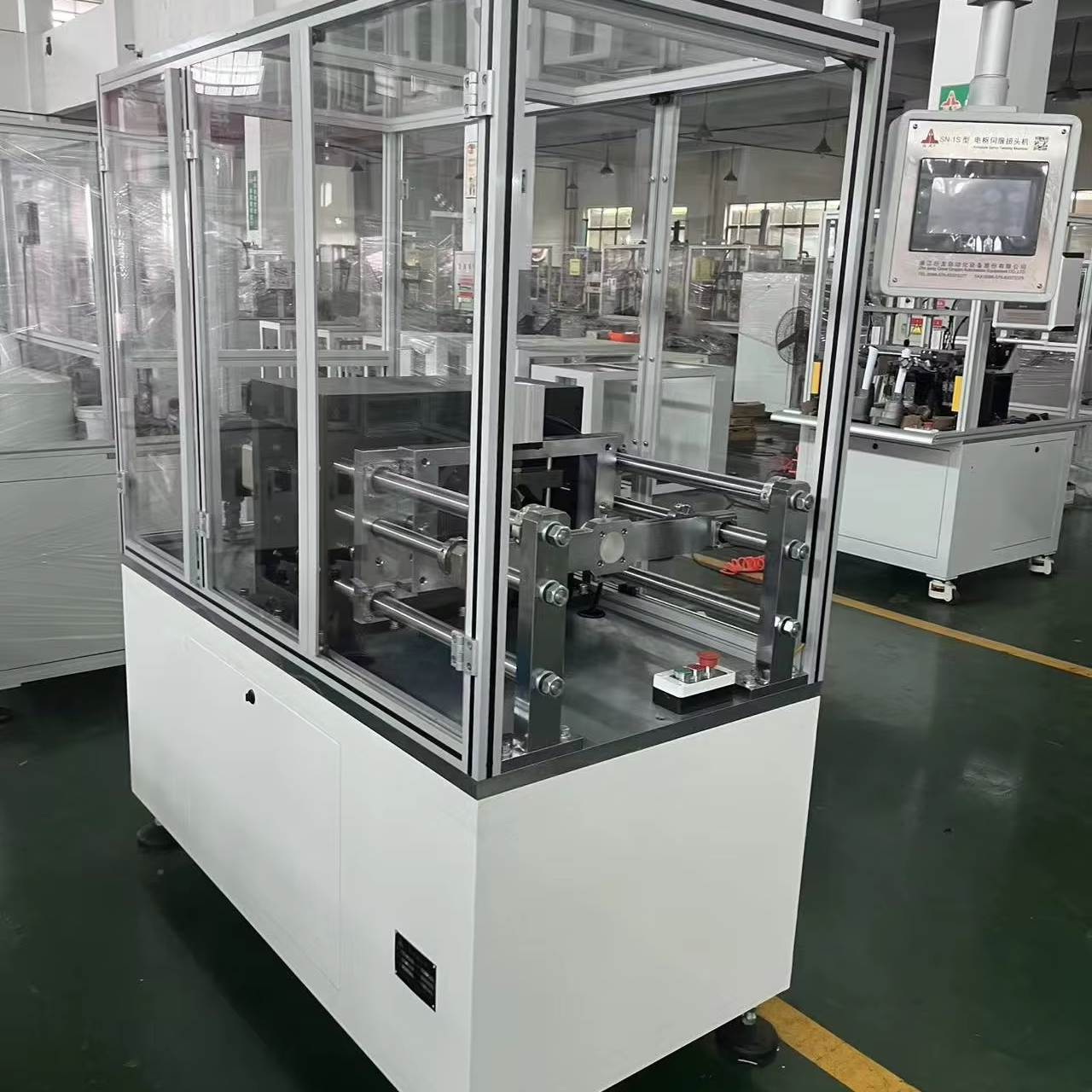
To preserve Luang Prabang's UNESCO heritage core, local authorities and private transport providers are actively transitioning toward battery-electric tuk-tuks, electric minivans, and lightweight two-wheelers. Concurrently, agricultural centers along the Mekong expand drip and spray irrigation with deep-well submersible pumps. The SN-1S Armature End Twisting Machine and DFC-1 Wedge Paper Inserter automate high-volume production of BLDC drive rotors and moisture-sealed pump stators.
Comparing the mechanical precision and electrical durability of automated production systems against field-repair methods common in northern Laos.
Manual and bench winders rely on friction-clamp tensioning, causing erratic wire elongation and micro-stretching of copper cross-sections. Our multi-axis servo systems maintain tension consistency within ±1.5 grams-force throughout high-speed flier rotation, eliminating coil resistance imbalances and phase-to-phase asymmetries.
Traditional brazing or crude soldering of commutator hooks introduces cold joints and excess heat dissipation that softens copper commutators. The SDN-32ZH Fusing Machine uses microcomputer-regulated current pulses and calibrated mechanical electrode force, producing clean molecular bonding without burning adjoining slot insulation.
Hand-cutting and folding DMD or Nomex insulation paper invites dimensional variance, uneven cuffing, and incomplete slot protection. The DFC-1 and 5 DQ-1 feature automatic edge-creasing, precision tape shearing, and simultaneous coil-and-wedge insertion that preserves 100% of wire enamel integrity.
Zhejiang Rilvo Automation Equipment Co., Ltd. (founded in 1998) combines complete in-house manufacturing, proprietary tooling, and global export certification to guarantee long-term machine reliability.
Operating from our modern 60,000 square meter industrial campus in the Shatianyang Development Zone of Sanmen, Taizhou, Rilvo integrates all core machining, software development, fixture fabrication, and system assembly entirely under one roof. Unlike trading intermediaries or small assembly shops that outsource critical components, we maintain an on-site fleet of more than 150 CNC machining centers, precision milling machinery, surface grinders, and wire EDM units.
Led by our President and Chief Engineer—honored as a national knowledge-worker model by the All-China Federation of Trade Unions—our 36-member dedicated R&D engineering division designs every winding nozzle, insertion guide, and twisting claw from premium carbide alloys (such as tungsten steel and vacuum-quenched SKD11). This achieves working surface hardness ratings exceeding HRC 60–62 and surface roughness below Ra 0.2 μm, eliminating the primary cause of wire enamel scratching.
Our quality management infrastructure is certified under ISO9001:2015 standards, and our equipment holds China Compulsory Certification (3C). With 17 national invention and utility model patents covering automated armature indexing, variable-pitch wire twisting, and multi-stage coil expansion, Rilvo machinery provides the industrial-grade endurance needed for continuous double-shift factory operation in demanding tropical climates.
Before any machinery departs our facility for Luang Prabang, buyers submit sample rotor laminations, stator stacks, commutators, and magnet wire specifications. Our technicians perform full-speed trial winding runs, record micro-crack microscopic scans, and provide full video acceptance proof alongside dimensional inspection reports.
All machines feature multi-lingual touchscreens (English and bilingual interfaces) powered by industry-standard PLCs. We provide pre-programmed winding recipe libraries, wiring schematics, detailed video tutorials, and dedicated engineering dispatch for on-site line installation and local workforce training.
We stock modular quick-wear assemblies—including winding nozzles, wire guides, tungsten welding electrodes, and insertion pushing blades—ready for priority dispatch via the China-Laos Railway, ensuring your production lines experience minimum downtime throughout their life cycle.
Direct answers addressing technical parameters, transport logistics, electrical compatibility, and maintenance considerations for northern Laos operations.
Send your motor armature or stator dimensions, slot geometries, wire gauges, and daily target cycle times to our engineering team. We will deliver a complete process layout, cycle-time simulation, and factory-direct price quotation within 24 business hours.


