Precision-calibrated winding, slot wedge inserting, rotor pressing, and intelligent welding systems tailored for high-volume Tier-1 and Tier-2 motor manufacturing facilities.
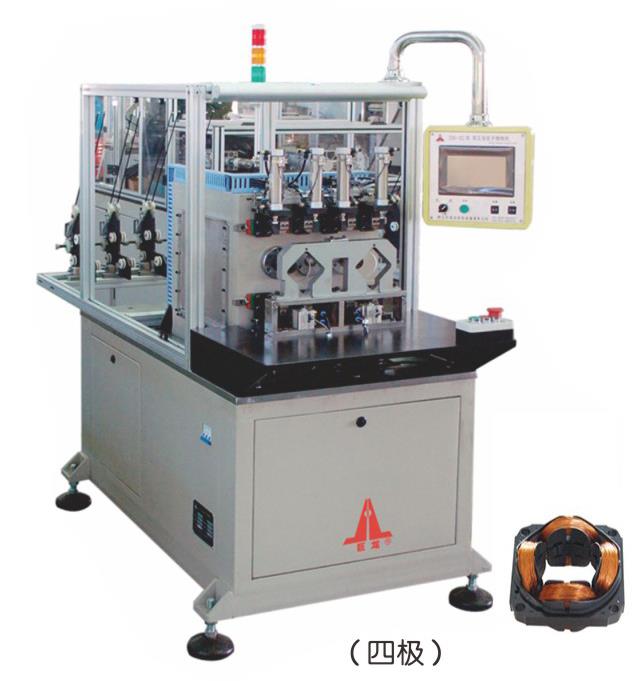
Dual-action servo positioning ensures simultaneous coil insertion and wedge insulation feeding without wire-crossing or enamel wear.
Explore Specifications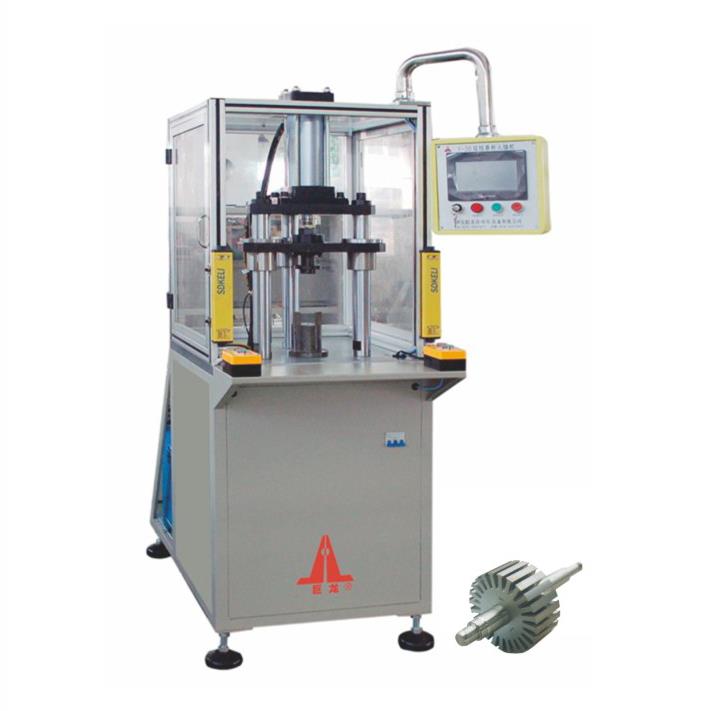
Hydraulic-pneumatic balanced pressure control prevents core distortion while locking commutators and shafts to sub-micron concentricity.
Explore Specifications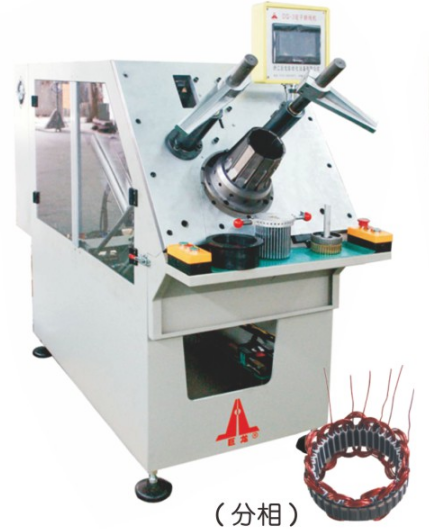
Tungsten-carbide tipped pusher blades, specialized guide fingers, and segmented inserts designed for extended cycles and rapid tooling setups.
Explore Specifications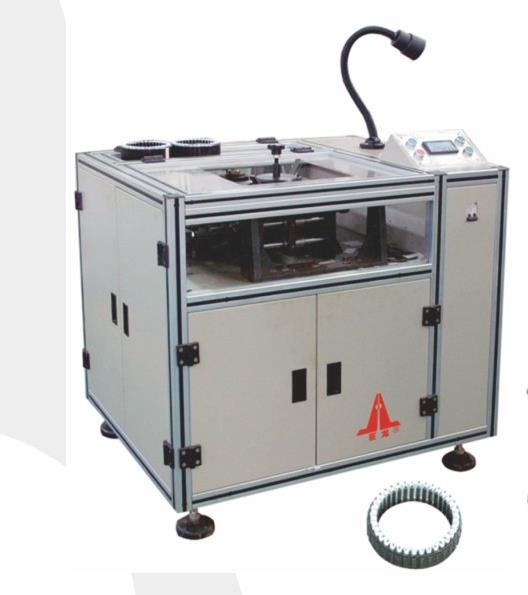
High-speed slot cell forming, cutting, and inserting at speeds up to 0.5s/slot, engineered specifically for high-density automotive alternators.
Explore Specifications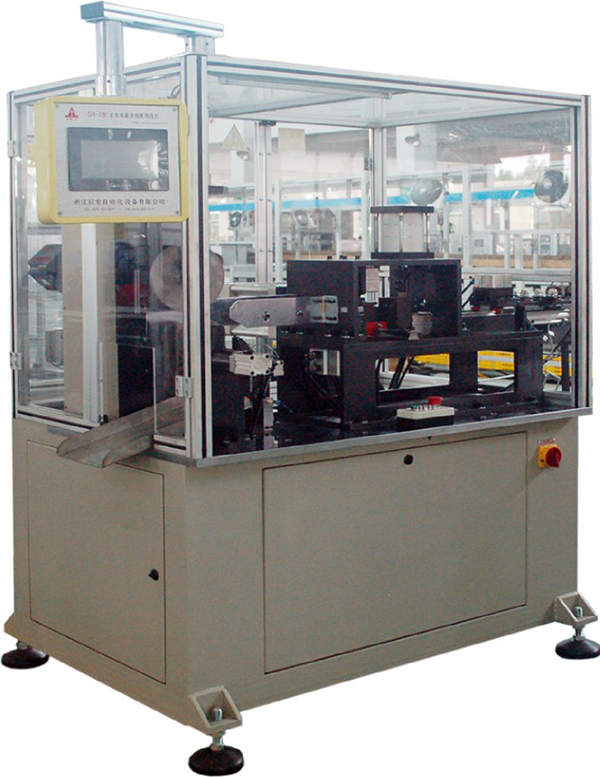
Multi-station indexing flyer winder with dynamic wire-break detection, maintaining uniform strand tension throughout large batch production.
Explore Specifications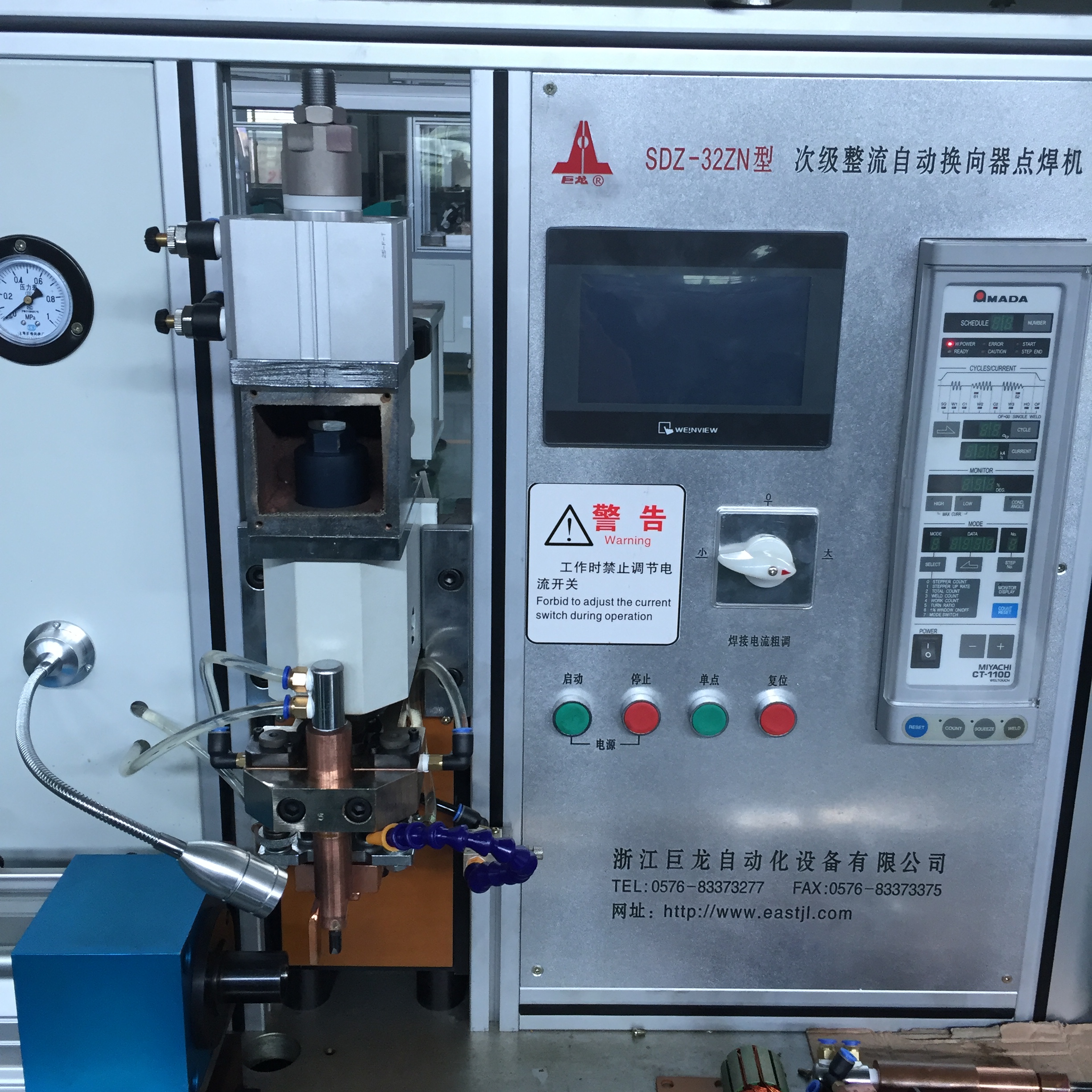
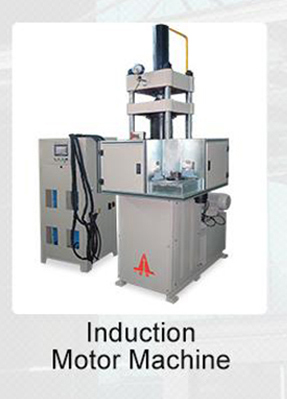
Compact mid-frequency inverter resistance spot welder built for hook-type commutators and delicate terminal fusions with real-time feedback.
Explore Specifications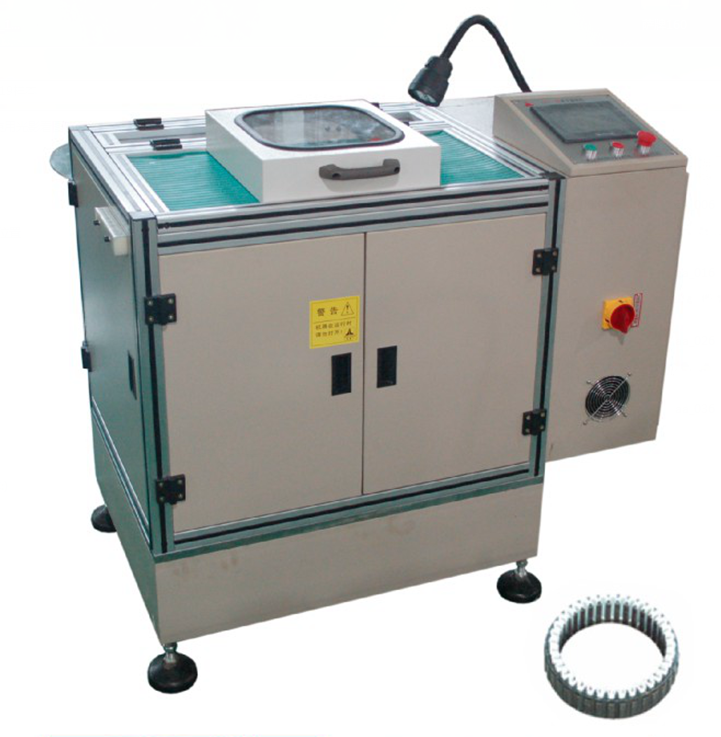
Horizontal loading design facilitates rapid integration with continuous automated transfer tracks and robotic loading arms in automotive cells.
Explore Specifications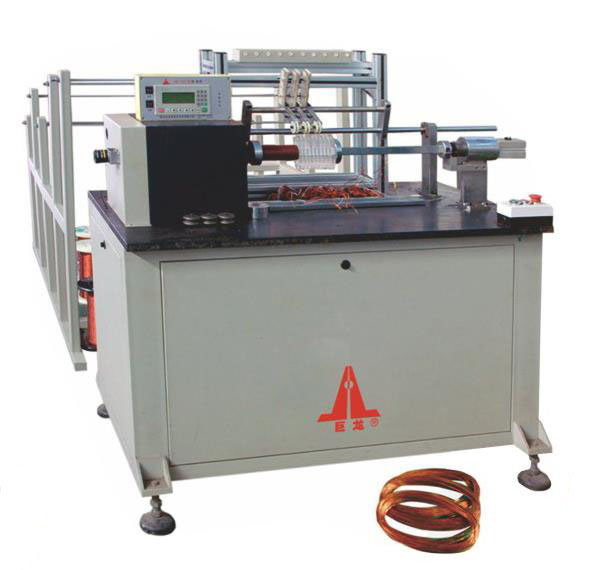
Programmable CNC wire layer layering architecture supporting high-fill stator slot requirements for high-efficiency industrial motors.
Explore SpecificationsWhy modern automotive auxiliary motors and high-torque power tools require closed-loop inverter power sources over legacy AC transformer discharge systems.
In the manufacture of brushed DC armatures and universal motors, joining magnet wire leads into copper commutator hooks or riser slots represents the primary point of thermal and electrical failure. Traditional single-phase AC welding relies on line-frequency current peaks (50/60 Hz), introducing cyclical thermal pulses that cause uneven melt depths, high carbonization of enameled wire, and unacceptable splatter. For Tier-1 automotive sub-suppliers serving South Korean OEMs like Hyundai-Kia and GM Korea, weld resistance variations exceeding 2% can lead to field failure under thermal vibration test profiles.
Our CE certified Commutator Spot Welding Machines employ high-frequency Medium Frequency Direct Current (MFDC) and inverter-driven capacitor discharge topologies operating between 1 kHz and 4 kHz. This continuous DC output ensures uniform heat generation directly through the bulk resistance of the commutator copper and the tungsten electrode interface. As electrical energy is precisely channeled into the hook, the wire's polyimide or polyesterimide insulation is instantly vaporized through controlled thermal degradation without creating carbon voids, after which the copper wire is plasticized and forged into the commutator riser under closed-loop pneumatic or servo-driven dynamic force.
Multi-stage weld controllers monitor voltage drop, primary current, and displacement depth in real-time at microsecond resolution, automatically aborting pulses to prevent electrode sticking or riser deformation.
Programmable pre-heat, weld, and post-anneal stages allow controlled burn-off of heavy thermal-class wire insulation (Class H / 180°C and Class C / 200°C+) without brittleness or oxidation of the parent copper.
Custom-formulated alloy tips maximize thermal conductivity and resistance to mushrooming, ensuring continuous automated operation across up to 30,000 index cycles between resurfacing intervals.
Incheon is far more than a transit port; it is the strategic powerhouse of South Korea’s advanced mobility and precision electrical machinery sectors. Home to the Bupyeong GM Korea Automotive Cluster, the sprawling Namdong National Industrial Complex (남동국가산업단지), and the nearby Songdo International Business District (IFEZ), Incheon-based motor manufacturing enterprises are undergoing an accelerated transition toward smart factory automation.
The demands placed on commutator spot welding equipment by local manufacturers focus on three vital criteria: strict CE-marked occupational and electrical safety, seamless integration into MES/SCADA networks for traceability, and total reliability in high-mix, small-to-medium batch manufacturing typical of automotive auxiliary actuators (ABS pumps, wiper motors, seat adjusters, and electronic cooling fans).
By establishing factory-direct supply channels from our 60,000 m² campus in Zhejiang via the short-sea logistics routes directly into Incheon Port (인천항), we deliver rapid lead times, direct engineering support, and complete spare parts compatibility to engineers across Gyeonggi-do.
How regional automotive shifts, robotics adoption, and stringent energy regulations are redefining procurement criteria across South Korean manufacturing plants.
As South Korean manufacturers face tightening K-RE100 clean energy frameworks and eco-design mandates, armatures are wound with thinner, higher-temperature insulated wires that require ultra-tight thermal weld envelopes to prevent insulation charring.
Incheon automotive lines increasingly require 100% per-joint data logging (current curve, peak voltage, welding time, and electrode displacement). Our CE certified machines feature standard Ethernet/IP and Profinet bus outputs for factory networks.
Rising domestic labor costs in Gyeonggi industrial complexes are driving plants to upgrade standalone manual welders into fully automated cells featuring optical vision alignment, auto-indexing, and auto-ejection mechanisms.
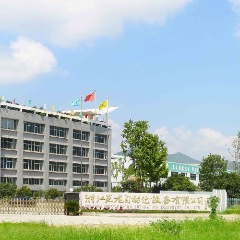
Established in 1998, Zhejiang Rilvo Automation Equipment Co., Ltd. has developed specialized automated systems for stator, rotor, and coil manufacturing for more than a quarter of a century. Led by a recognized Knowledge-Worker Model awardee from the All-China Federation of Trade Unions, our engineering divisions unite mechanical, electrical, and optical design capabilities under one roof.
Essential engineering, logistical, and compliance details addressing common queries from South Korean procurement teams.
Whether you are expanding a high-volume starter motor line in Namdong or prototyping an innovative micro-motor actuator in Songdo, our engineering team is ready to analyze your rotor and commutator drawings to design the optimal spot welding solution.
Contact Us


