Delivering high-throughput CNC rotor finishing, commutator turning, slot embedding, and fusing machinery directly from China's premier automation base in Sanmen, Zhejiang, designed to elevate manufacturing facilities and rewind enterprises in Masaya.
The manufacturing ecosystem of Masaya and the surrounding Pacific industrial corridor of Nicaragua is undergoing an aggressive mechanical revitalization. Traditionally recognized for artisan crafts and small-scale manufacturing, the greater department of Masaya—closely integrated with Managua and Granada—has emerged as a focal point for agro-industrial processing, food transformation equipment, pump remanufacturing, and light commercial electrical assembly. As plants modernize their drive systems, the demand for precision electric motors, specialized alternators, and durable direct-current (DC) starters has escalated. Supplying this localized growth requires equipment that eliminates the inaccuracies inherent in manual lathing and semi-mechanical rewinding. Sourcing factory-direct rotor turning machines, armature finishing lathes, and automated coil processing equipment from proven Chinese innovators like Zhejiang Rilvo Automation Equipment Co., Ltd. provides local operations with high-efficiency automation capable of tight-tolerance production at competitive capital investments.
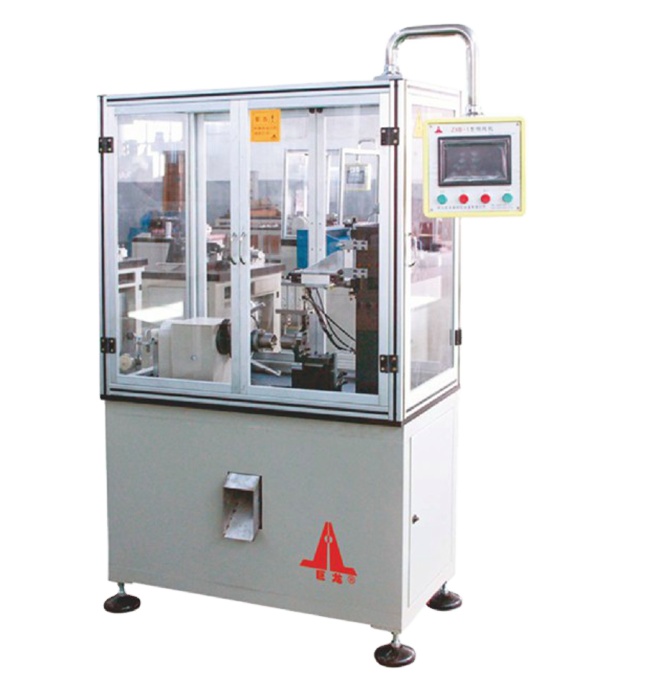
In fractional-horsepower (FHP) motors, starter drives, and heavy-duty automotive alternators, the concentricity of the rotor stack relative to the bearing journals dictates motor efficiency, noise levels, and brush wear life. Rotor turning machines—specifically designed for rotor outer diameter (OD) skiving and commutator copper turning—deliver dynamic balance stability that generic multi-purpose metal lathes cannot replicate. A purpose-built rotor turning apparatus stabilizes the armature on its bearing journals using specialized V-blocks or high-precision air bearings rather than center points. This guarantees that turning operations run truly concentric to the rotor's operational rotational axis.
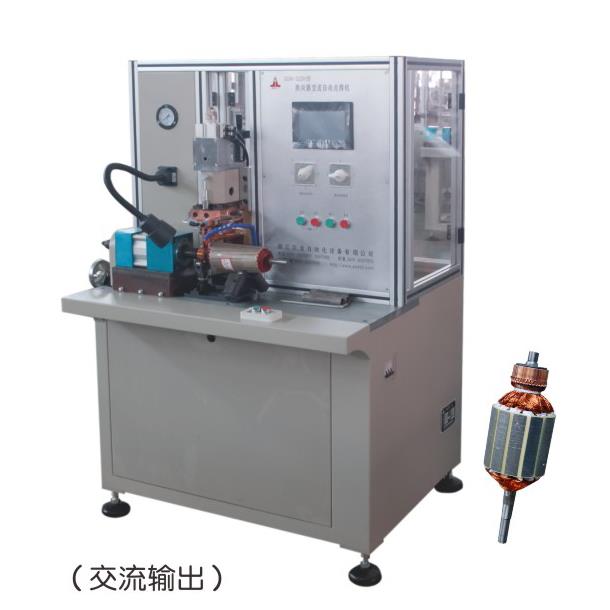
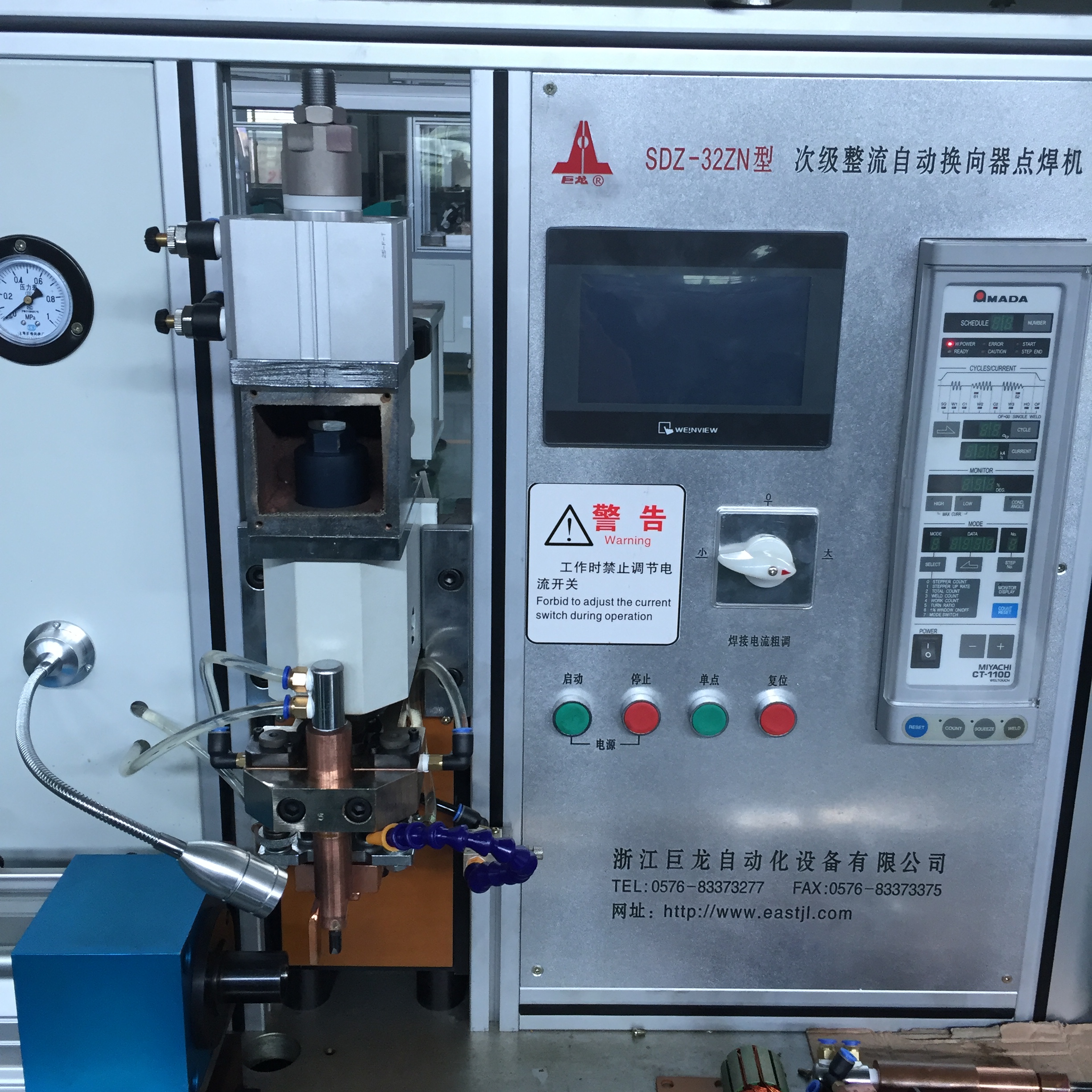
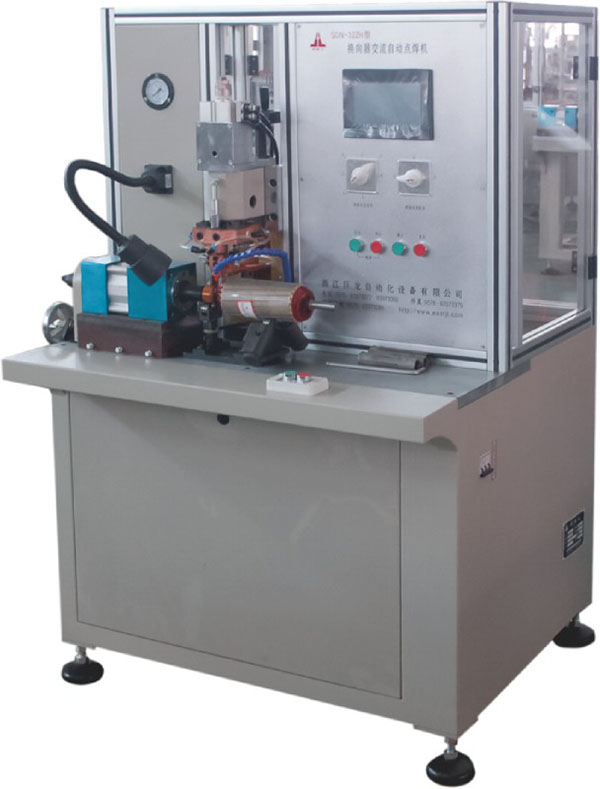
Simultaneously, micro-cutting the copper segments of commutators demands diamond (PCD) tooling coupled with high spindle speeds and fine servo-feed mechanisms to prevent copper burring into the insulating mica undercut. Burred commutator bars lead to immediate short-circuit conditions, high-frequency sparking, premature brush wear, and total motor failure in high-torque industrial duty cycles. The integration of precision turning setups with automated equipment—such as the SDN-32ZH Commutator Hook Fusing Machine, the SDZ-120B Commutator Spot Welder, and multi-axis embedding systems—guarantees that plant managers in Masaya can achieve aerospace-grade surface finishes (<Ra 0.4 μm) and consistent runout thresholds under 0.003 mm across high production runs.
Automated journal stabilization ensures absolute zero-runout finishing. By locking rotor shafts on carbide-tipped journals, our turning systems eliminate harmonic chatter, preserving lamination sheet isolation and preventing magnetic flux leakage.
Coupled with modern hook fusing and intelligent spot welding (SDZ-120B), rotor turning minimizes electrical resistance variations between commutator bars, reducing operational heat generation by up to 22% in heavy agro-pump motors.
Equipped with multi-axis digital controls, operators configure turning paths, cutting depths, and feed accelerations via responsive HMIs, allowing seamless tooling switchovers between differing lamination diameters in under 15 minutes.
The departmental economy of Masaya maintains unique operational demands. Positioned as a critical logistics nexus connecting the agricultural lowlands of Rivas and Granada to the primary commercial ports of Corinto and Sandino, equipment deployed in this region experiences high ambient humidity, fluctuating volcanic particulates from the nearby Masaya volcanic chain, and frequent line-voltage sags. Machinery must be mechanically resilient and simple to maintain while delivering high output. Key applications include:
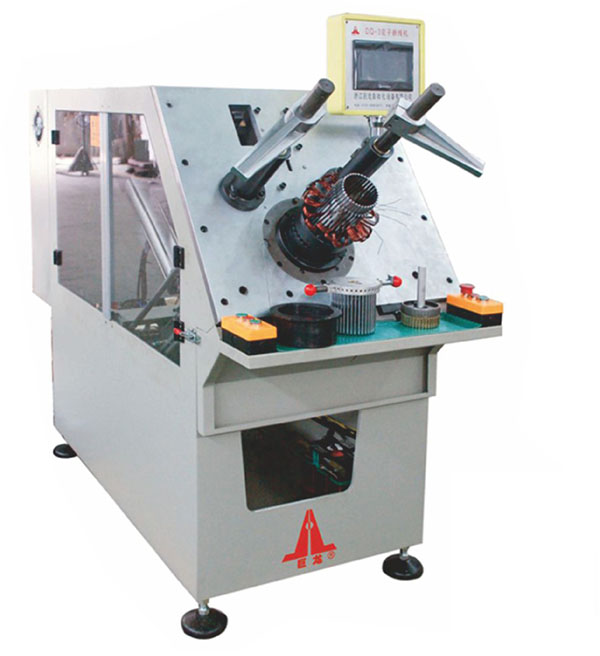
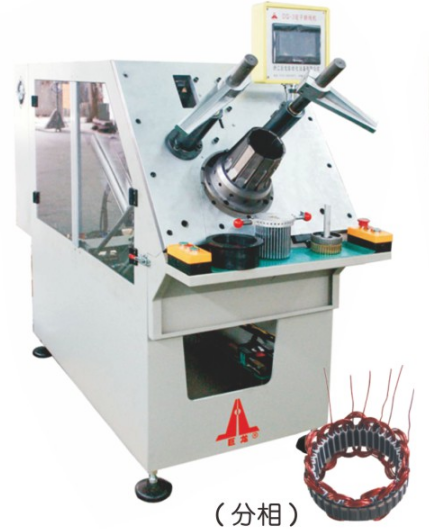
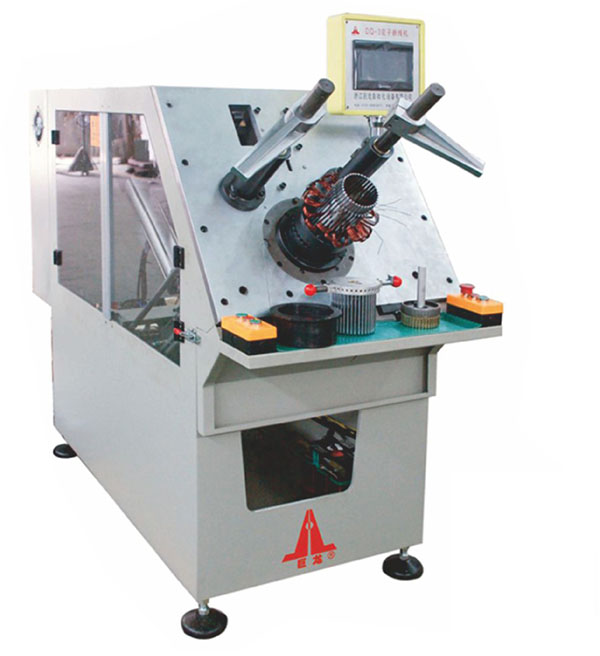
1. Deep-Well Submersible Pump & Irrigation Drive Remanufacturing: Agriculture around Tisma, Nindirí, and Masatepe depends on deep groundwater extraction. Submersible pump motors endure grueling runtimes, requiring precision rotor turning to prevent stator-bore rubs caused by bearing deflection. Rewinding service centers equipped with our 5 DQ-1 Model Stator Wire Embedding Machine and heavy-duty rotor turning systems turn over rebuilt industrial pump armatures with OEM balance.
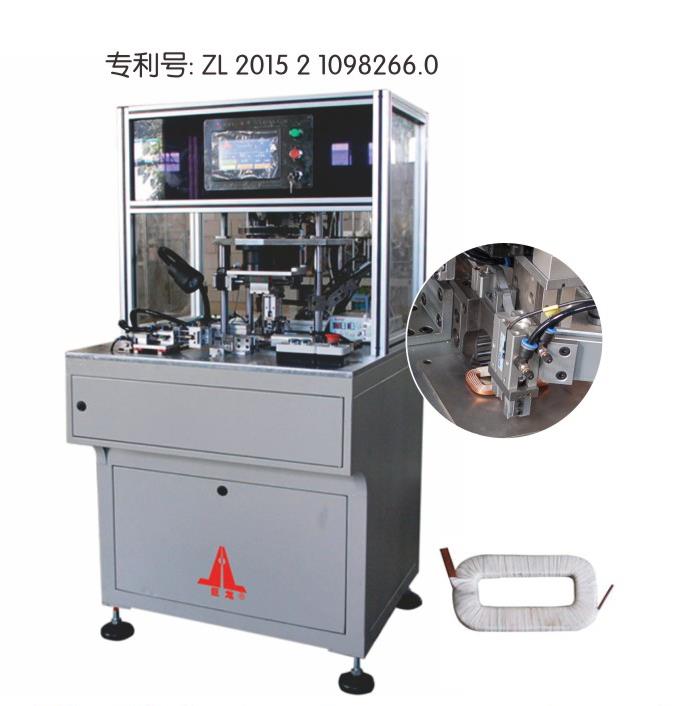
2. Commercial Vehicle Starter & Alternator Assembly: Masaya hosts significant transport logistics networks transporting agricultural exports along the Pan-American Highway. Rebuilding and assembling high-output alternators and heavy truck starter motors requires high-capacity production machinery. Implementing the SDN-32ZH Low Price Spot Welding Machine along with automatic starter coil wrapping systems ensures that rebuilt starters handle the heavy cranking currents required in commercial transport.
3. Electric Mobility & Light Utility Conversions: With urban traffic densifying between Masaya and Managua, two-wheel and three-wheel electric cargo vehicles (mototaxis and utility tricycles) are expanding. Rilvo's brushless motor manufacturing lines, pulse magnetizers, and rotor assembly cells provide regional entrepreneurs with the mechanical capability to fabricate or service high-efficiency BLDC hub motors locally.
Historically dependent on importing finished induction motors and automotive starter assemblies from North America, Mexico, and Brazil, industrial operators across Nicaragua and broader Central America (CAFTA-DR trade bloc) are investing heavily in local value addition. Supply chain fragilities highlighted over recent years have made domestic motor rebuilding and component manufacturing a strategic priority.
Furthermore, national initiatives targeting energy efficiency have placed obsolete IE1 low-efficiency motors under regulatory scrutiny. Upgrading to IE3 and IE4 efficiency standards requires tighter air gaps between the stator and rotor—often dropping tolerances to fractions of a millimeter. Achieving such minimal air gaps without mechanical interference requires automated rotor turning equipment with zero radial runout. Facilities in Masaya adopting these advanced automated turning and winding tools can service the regional demand for high-efficiency retrofits, securing high-margin maintenance contracts throughout the Central American market.
Addressing engineering specifications, electrical compatibilities, international shipping, and technical handovers for plant operators in Nicaragua.
All Rilvo automated machinery exported to Nicaragua is natively built for local electrical parameters: 220V, 380V, 440V, or 480V triple-phase systems running at 60Hz. We incorporate industrial-grade Schneider, Delta, or Mitsubishi frequency inverters and multi-tap line transformers to ensure operational stability even during municipal voltage fluctuations in Masaya.
Our rotor turning centers utilize polycrystalline diamond (PCD) or cubic boron nitride (CBN) micro-tooling. This eliminates edge deterioration over thousands of consecutive cycles, leaving clean copper edges with no burrs across mica insulator slots, eliminating the need for manual post-turn undercutting and slot scraping.
Consignments are routed from our manufacturing campus in Sanmen directly through Ningbo Port, sailing via transpacific lanes directly to the Port of Corinto (Puerto Corinto), Nicaragua. Typical ocean transit ranges from 28 to 36 days. From Corinto, containerized units clear customs and arrive in Masaya within 48 to 72 hours via established highway links.
Each machine undergoes live trial runs utilizing the client’s physical rotor and stator samples prior to shipping, accompanied by full video performance logging. Upon arrival in Masaya, our engineering desk supplies full Spanish and English schematics, interactive touchscreen programming guides, and live remote video commissioning overseen by senior automation specialists.
Yes. Rilvo rotor turning units feature quick-release modular V-guide blocks, adjustable tailstock chucks, and programmable servo travel strokes. Tooling adjustments between varying rotor stack heights (e.g., 20mm up to 250mm) and shaft diameters (4mm up to 35mm) can be completed in less than 15 minutes by floor operators.
We supply a 2-year consumable wear-package with every machine export (bearings, pneumatic seals, diamond cutting inserts, welding tips). Standardized automation electronics (PLC systems, servo amplifiers, optical sensors) utilize international architectures, ensuring immediate availability via local Nicaraguan or regional Central American supply distributors.
Founded in 1998, Zhejiang Rilvo Automation Equipment Co., Ltd. has grown from an engineering laboratory into one of China's primary industrial heavyweights in motor stator, rotor, and coil manufacturing automation. Occupying a sprawling 60,000 square meter industrial campus in the Shatianyang Development Zone of Sanmen, Taizhou, Rilvo maintains complete in-house manufacturing independence. With over 150 precision CNC machining stations, optical grinders, and automated quality-control suites under one roof, we eliminate subcontractor variances, delivering unmatched repeatability and structural longevity across our entire machinery portfolio.
Our technical strength is driven by a specialized 36-member Research and Development engineering corps, led by senior specialists recognized with national engineering honors. Backed by 17 national invention and utility patents, our equipment meets stringent global safety and manufacturing directives, carrying full ISO9001 Quality Management Certification and China Compulsory Certification (3C). Whether deploying our high-speed ZB-303 Three-Servo Automatic Rotor Wire Winding Machine, the DQ-2 Alternator Stator Coil Inserting Machine, or a complete turn-key automated manufacturing line, purchasing directors in Masaya secure factory-direct pricing, custom tooling matched to their technical drawings, and enduring industrial support.