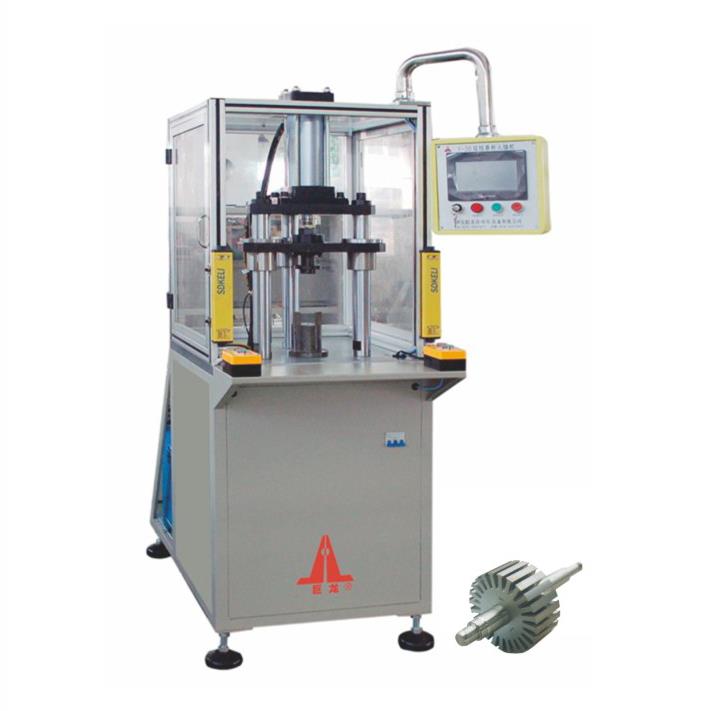
Engineered to deliver high cycle rates, rugged component durability, and rapid changeover capabilities. From individual semi-automatic stations to complete linked production lines conforming to ISO9001 quality parameters.
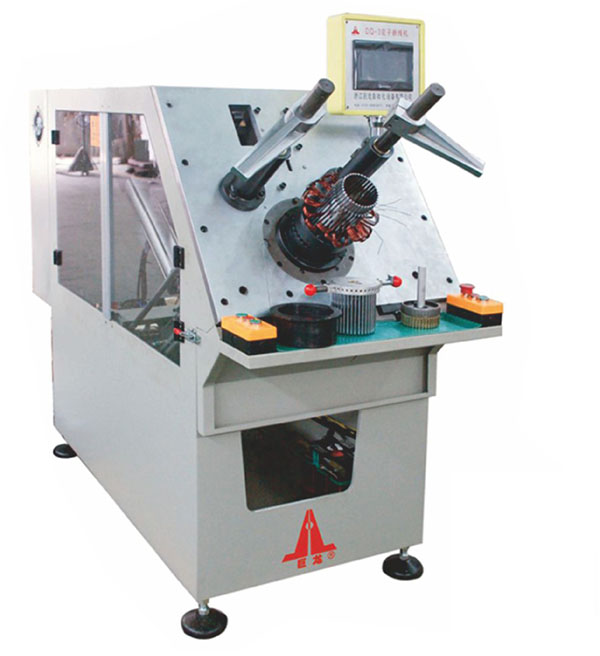
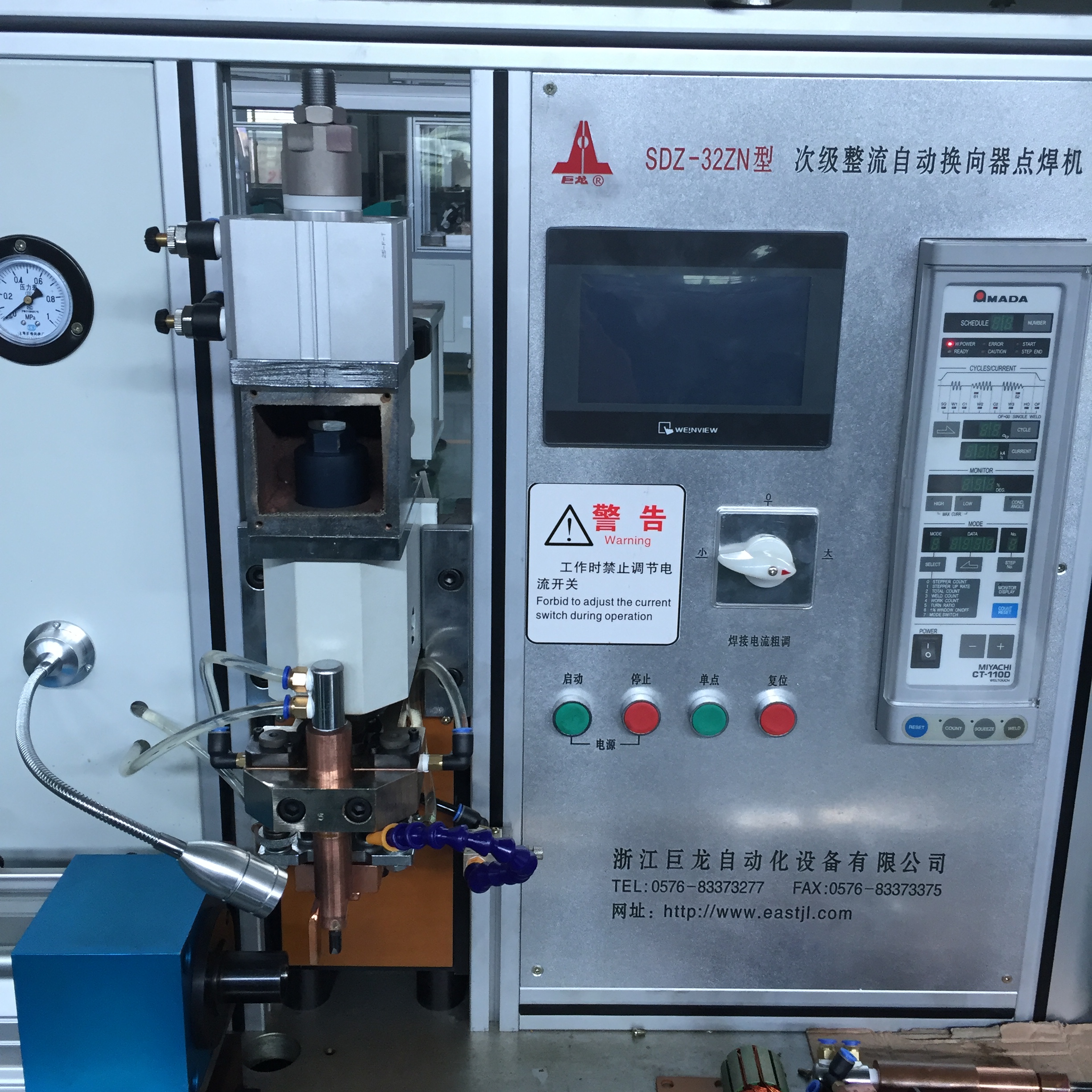
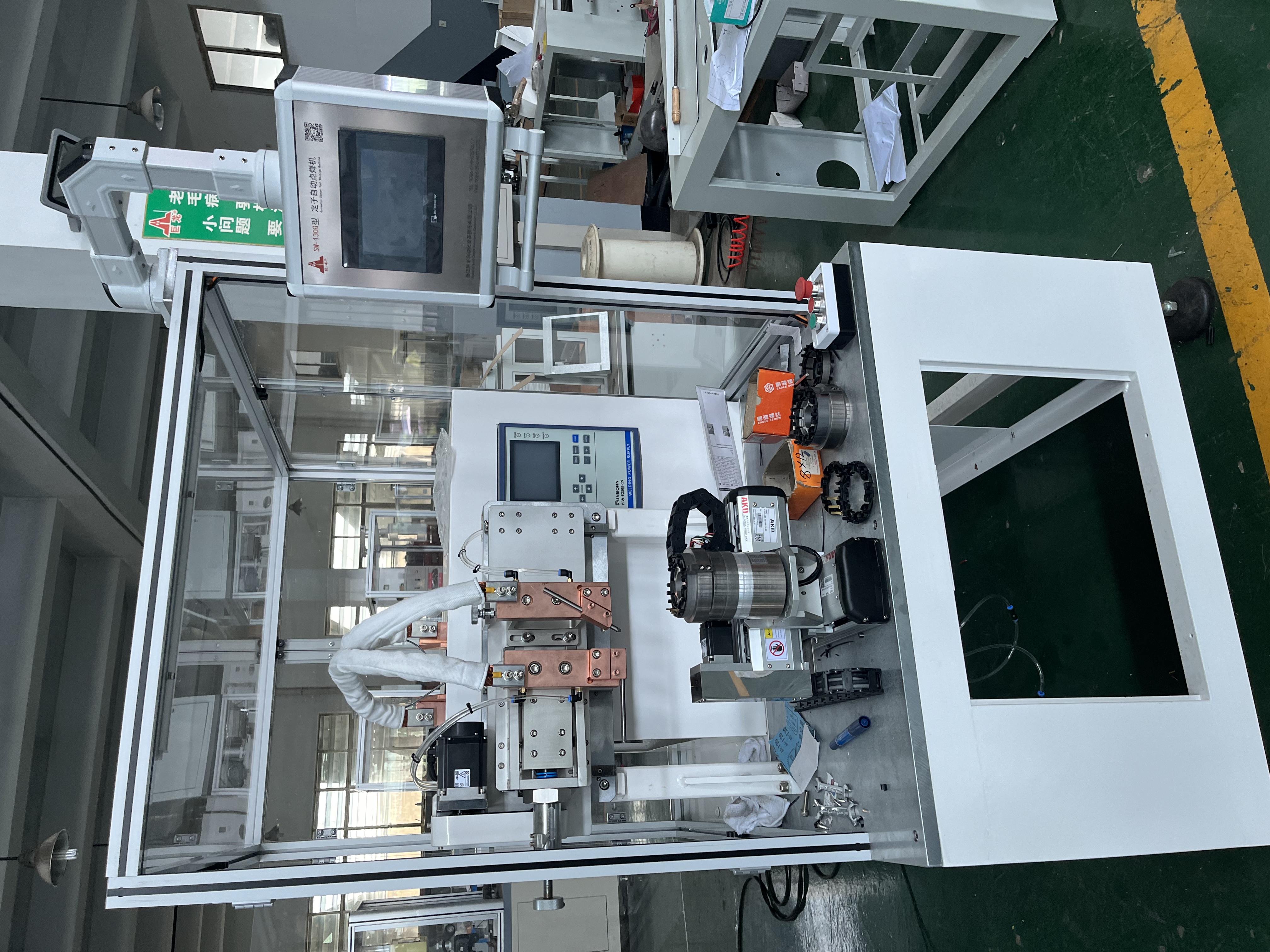
As Cuba accelerates the revitalization of its domestic electro-mechanical manufacturing, transportation overhaul, and renewable energy grids, the requirement for highly dependable, cost-effective, and robust rotor machining and stator processing equipment becomes paramount. Sourcing machinery directly from China's premier specialized manufacturers bridges the capital-expenditure gap while providing European-grade precision, optimized electrical tolerance management, and deep adaptability to regional climatic challenges.
Technical Insight: Tropical operating environments like Cuba's require high humidity-resistant insulation handling, high-durability servo controls capable of absorbing local grid harmonic fluctuations, and heavy mechanical frameworks built from solid stabilized castings to maintain sub-micron repeatability under intensive operating regimes.
A high-performance modern electric motor manufacturing line operates along two interconnected workflows: the Stator Assembly Cell and the Armature/Rotor Machining Line. In standard automotive starter, alternator, and industrial BLDC configurations, the rotor line must execute four vital stages with extreme geometric concentricity:
1. Lamination Stacking & Precision Shaft Insertion: Hydraulic and servo-controlled shaft pressing machines (such as the Y-30 series) press hardened steel shafts through lamination core packets without inducing micro-bending stresses or lamination skewing. Real-time load-displacement curves guarantee axial retention force.
2. Winding & Slotted Bar Embedding: Depending on the motor architecture—whether round magnet wire, shaped rectangular copper hairpin bars, or wave-wound field configurations—the line deploys high-speed multi-axis winders (such as the ZB-303 or 4-BL-1) that ensure exact tension control, minimizing copper elongation and preventing dielectric insulation breakdown.
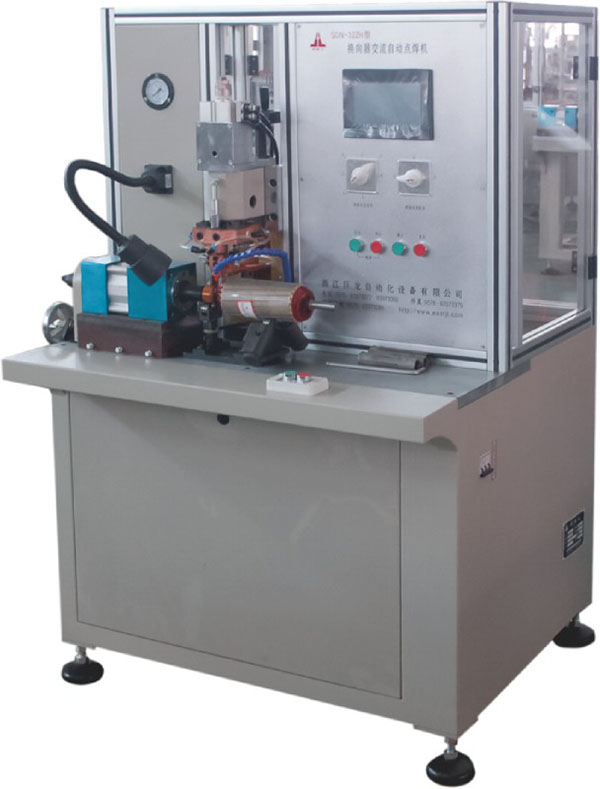
3. Commutator Hot-Stake or Inverter Micro-Welding: Commutator spot welders (such as the SDZ-120B and SDN-32ZH) employ programmed constant-current and medium-frequency DC inverter technologies. These systems achieve deep thermal penetration between the copper winding hook/riser and commutator segments with zero localized spatter and minimal segment overheating.
4. Precision Dynamic Balancing & Turning: Diamond-tooled precision lathe turning of the commutator diameter followed by multi-plane automated dynamic unbalance correction guarantees silent running, eliminated carbon brush vibration, and dramatically extended mechanical service life.
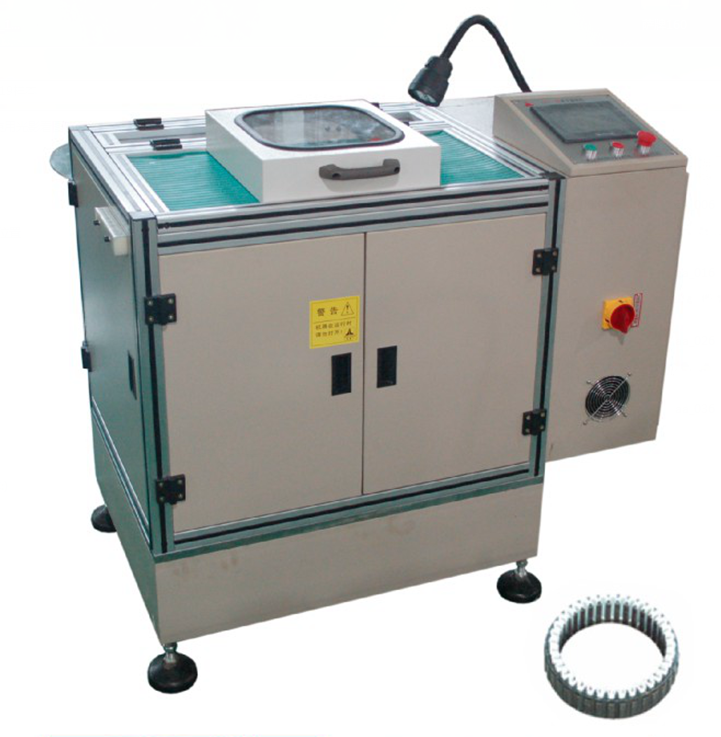
Processing Nomex, DMD, and composite polyester insulation papers at high cyclic speed. Machines like the DFC-1 horizontal wedge inserting station precisely feed, crease, cut, and insert slot insulators into laminations without micro-tearing the edge barriers.
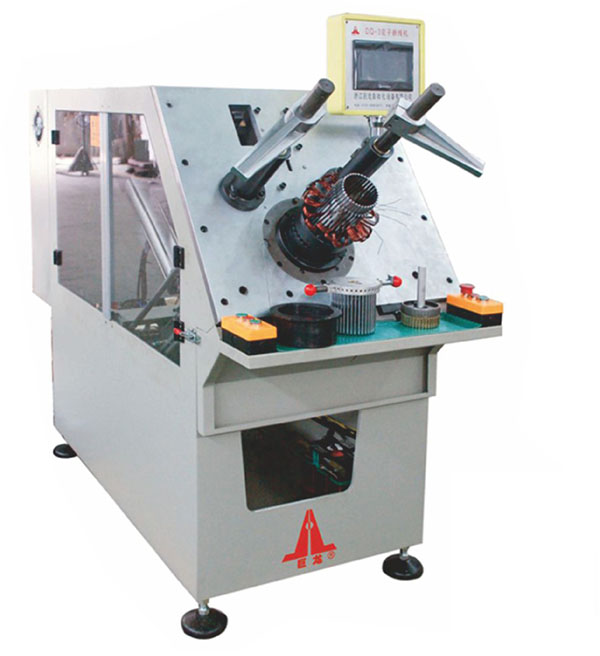
Equipped with dual servomotors controlling pitch and push rods, the 5 DQ-1 and DQ-2 series simultaneously embed stator wire groupings and slot wedges directly into internal stator slots, eliminating hand manipulation and coil cross-stranding.
The CT-40 integrates robotic pick-and-place with micro-pneumatic fluid dispensing, inserting high-energy NdFeB and Ferrite permanent magnets into rotor core cavities with accurate anaerobic resin placement and UV/thermal setting control.
Cuban procurement agencies, engineering cooperatives, and industrial ministries (such as MINDUS) face specific operational realities. Machining lines exported to Cuba must function seamlessly within regional infrastructure while driving domestic productivity across vital economic sectors:
Cuba's automotive fleet requires high-volume remanufacturing and local manufacturing of starters and alternators for light commercial vehicles, classic passenger fleets, and intercity buses. Equipment such as the SDN-32ZH and SC-1B flat wire shaping machines allow Cuban workshops to fabricate heavy-duty starter armatures and repair existing units with OEM tolerances.
With the rapid transition toward urban micromobility across Havana, Santiago de Cuba, and Camagüey, local factories assembling electric two-wheelers and tricycles utilize the SW-130G and CT-40 machines to produce hub motors and high-efficiency BLDC drives domestically, drastically reducing the demand for imported replacement drive assemblies.
Cuba's agricultural expansion relies heavily on electric deep-well submersible pumps and surface irrigation equipment. Stator winding and embedding units like the DB-5C and DQ-1 allow local electromechanical facilities to produce pump motors that endure constant duty under fluctuating field voltages.
Re-industrialization initiatives around household appliances—such as washing machine motors, fan drives, and domestic refrigeration compressors—leverage our modular rotor-stator tooling packages, ensuring rapid mechanical line re-tooling between different lamination slot configurations.
Sugar mills (Centrales Azucareros) and mineral processing complexes demand heavy-duty induction motors. Our trickle impregnation machines and coil forming platforms deliver solid resin filling, ensuring high thermal resistance (Class H) against airborne moisture and corrosive bagasse vapors.
National polytechnics and specialized electromechanical vocational centers require dependable, open-architecture automated CNC winding and inserting stations to train the next generation of Cuban automation technicians and electrical engineers.
Procuring capital industrial machinery requires alignment with ongoing economic and systemic transformations occurring within the Cuban industrial ecosystem. Strategic buyers examine five central factors when selecting automated lines from China:
Given the challenges of power grid consistency, our motor machinery is engineered with integrated line conditioners, broad-tolerance switch-mode power supplies, and PLC memory battery buffers that preserve program states through unexpected line dropouts.
Cuba's foreign exchange strategy emphasizes domestic manufacture over finished goods importation. Installing a flexible rotor line enables local manufacturing entities to import unshaped copper wire, raw laminations, and steel bar stock, lowering import expenditure while cultivating localized skilled labor.
Machinery installed in the Caribbean faces continuous high ambient humidity and marine salt air. We apply specialized hard-anodized coatings, stainless guide fixtures, and sealed electrical cabinets (IP55/IP65) with active thermoelectric dehumidification cooling units.
To eliminate maintenance bottlenecks caused by international logistics delays, our engineering team standardizes mechanical bearings, pneumatic actuators, and electronic control relays using internationally ubiquitous industrial component formats.
Distance and visa processing schedules necessitate total self-sufficiency. We provide comprehensive bilingual operating documentation, fully labeled wiring schematics, HD video-based commissioning protocols, and remote assistance via secured web connections.
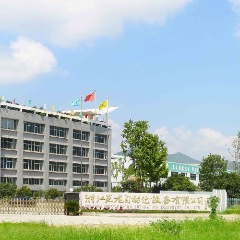
Operating since 1998 from the Shatianyang Development Zone in Sanmen, Zhejiang, China, Zhejiang Rilvo Automation Equipment Co., Ltd. has established itself as an authoritative leader in specialized micro-motor equipment, stator and rotor production systems, and turnkey manufacturing cells.
Clear, actionable answers addressing technical compatibility, shipping logistics, payment structures, and ongoing operational support for Cuban industrial enterprises.
Submit your stator or armature specifications, lamination drawings, and expected monthly volume. Our technical engineering division will compile a complete production layout, tool configuration, and formal CIF Mariel/Havana quotation within 24 hours.
Contact Us