


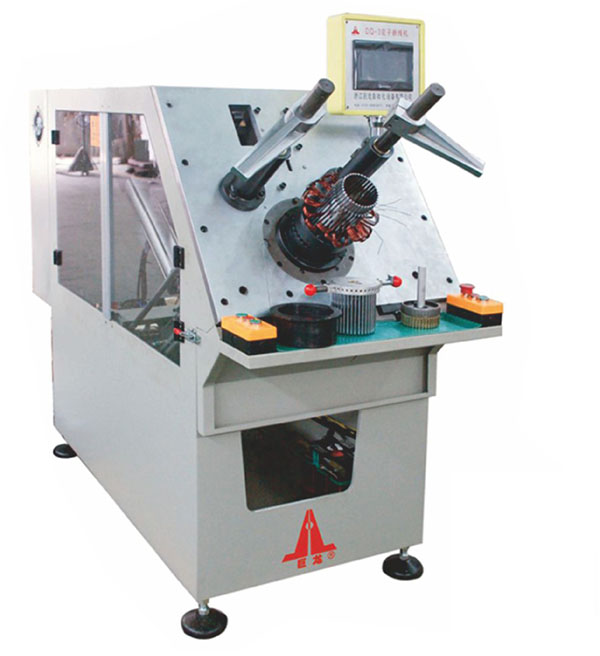
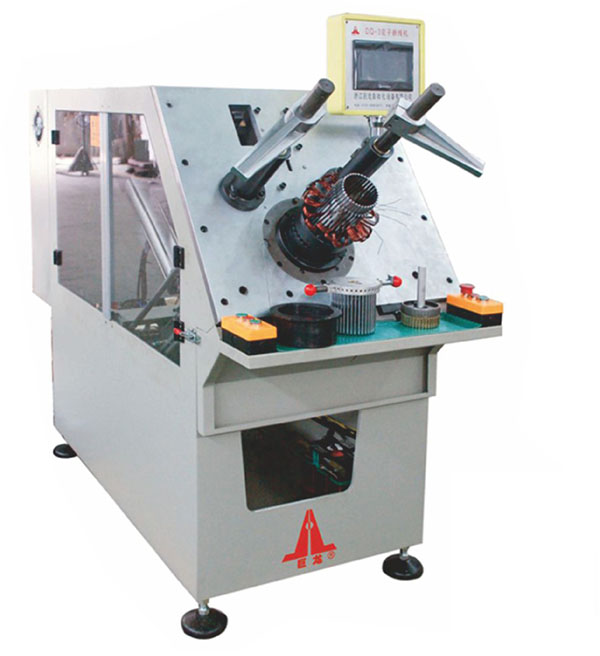
Direct-from-factory solutions engineered with multi-axis servo tension control, high lamination concentricity, and robust thermal durability tested for high-altitude Andean industrial environments.
Years Automation Heritage
Manufacturing Base
National Patents Granted
Senior R&D Engineers
Coil Repeatability Accuracy
Navigating the complex mechanical dynamics of high-altitude motor rewinding, lithium extraction electrification, and commercial vehicle maintenance across Bolivia.
In the rapidly modernizing industrial landscape of the Plurinational State of Bolivia, electric motor durability faces unique challenges rarely encountered at sea level. The geographic extremes spanning the Altiplano plateau (3,600 to 4,200 meters above sea level) present significant environmental stressors: thinner atmospheric air reduces thermal heat dissipation capacity via convection, requiring motors to operate under strict dielectric margins. As a premier original equipment manufacturer (OEM), Zhejiang Rilvo Automation Equipment Co., Ltd. delivers custom automatic rotor and stator winding machines engineered specifically to ensure maximum slot fill factor, uniform mechanical tension, and zero enamel micro-fracturing—safeguarding against premature dielectric breakdown in high-stress Bolivian operations.
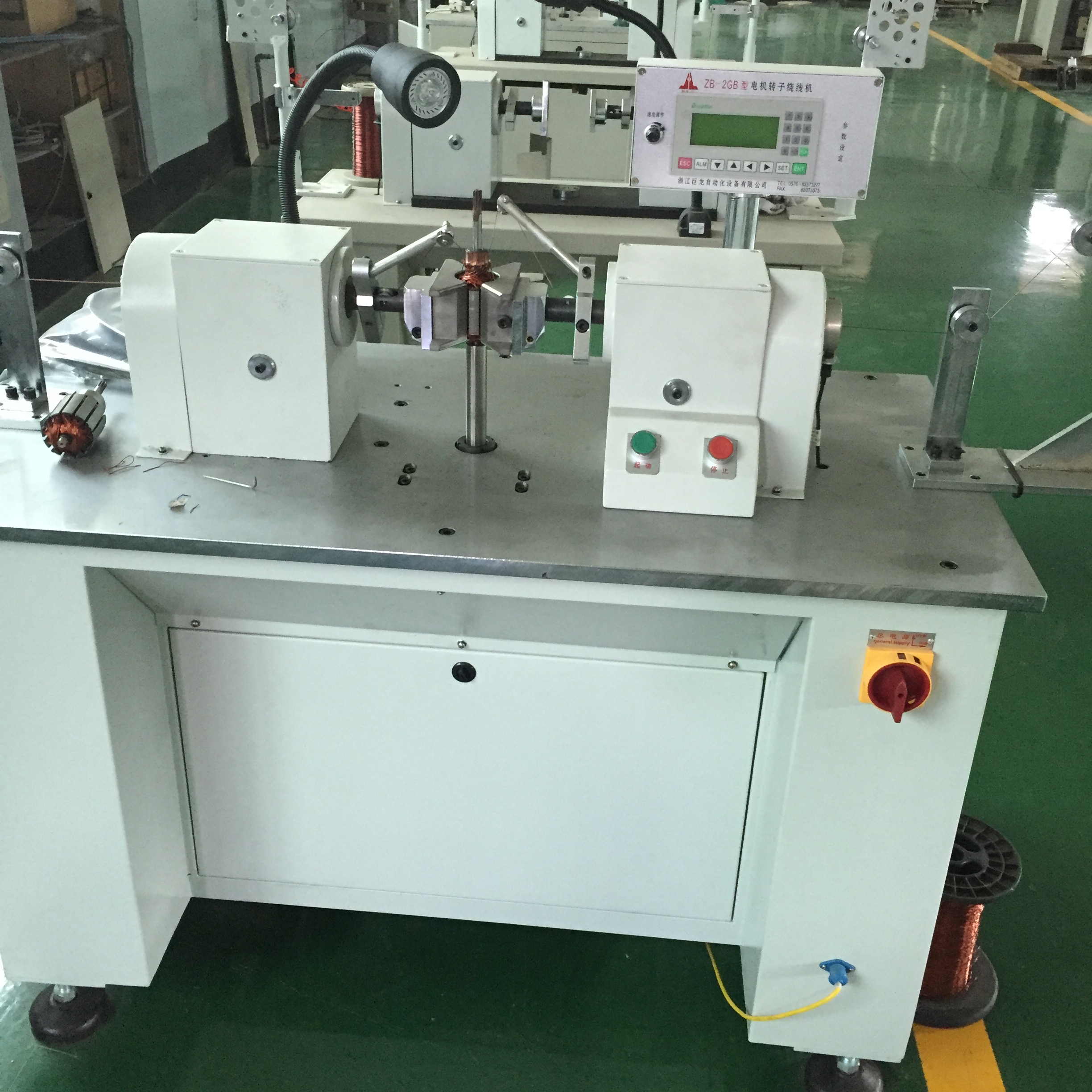
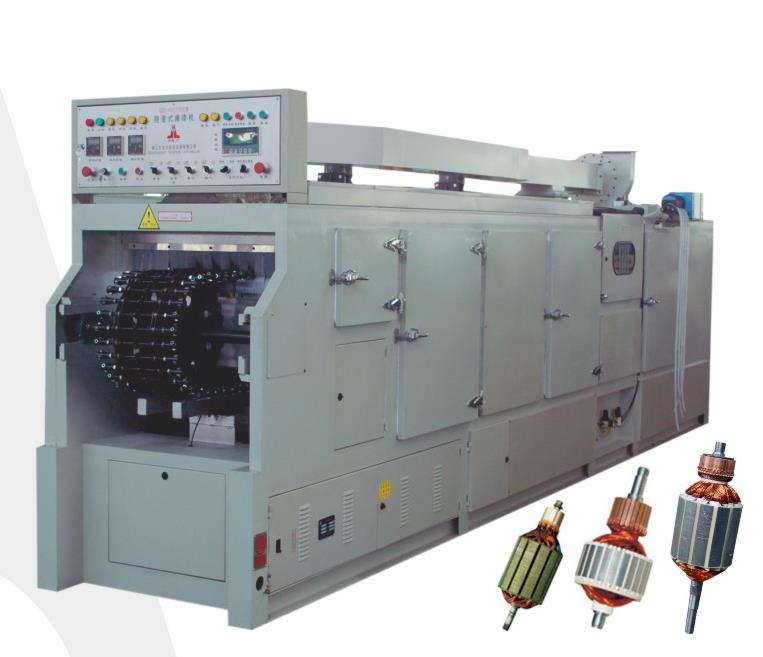
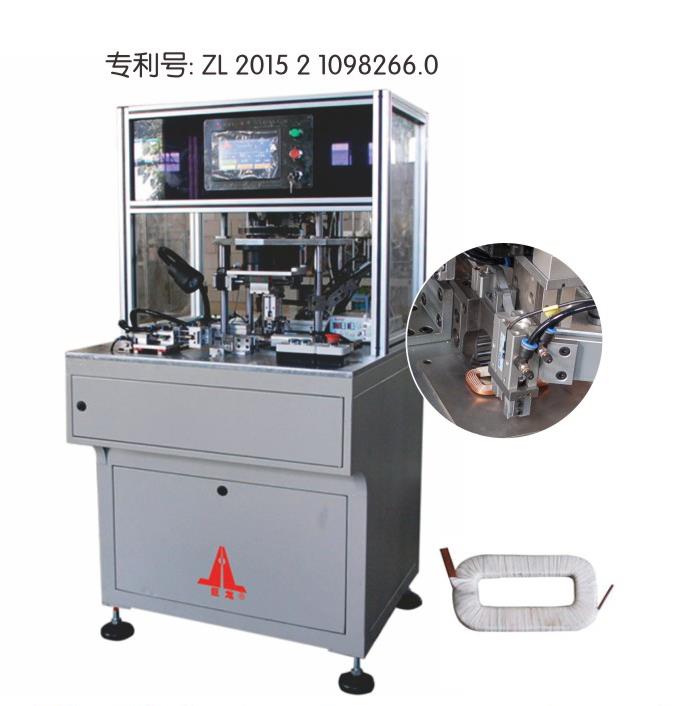
Whether retrofitting heavy traction armatures in Potosí’s mining cooperatives or accelerating micro-mobility motor assembly in Santa Cruz de la Sierra, the shift from labor-intensive manual coil rewinding to CNC-controlled multi-axis servo winding is paramount. Our automated equipment lineup incorporates closed-loop electronic wire-tensioners, dynamic flyer heads, programmable indexing commutators, and precision slot wedge insertion mechanisms. This ensures that every copper coil turn conforms geometrically to electrical core laminations without micro-scratches, ensuring the highest reliability across Latin America’s demanding extraction and processing corridors.
Salar de Uyuni extraction facilities utilize submerged motor pumps and chemical agitators operating continuously under heavy corrosive brine exposure. Custom rotor winding ensures balanced flux and dense slot packing to prevent localized overheating.
In Oruro and Potosí, mining starter motors and DC excitation generators require flat wire shaping and heavy-gauge winding to handle aggressive cold starts and steep grade torque surges without commutator lead shearing.
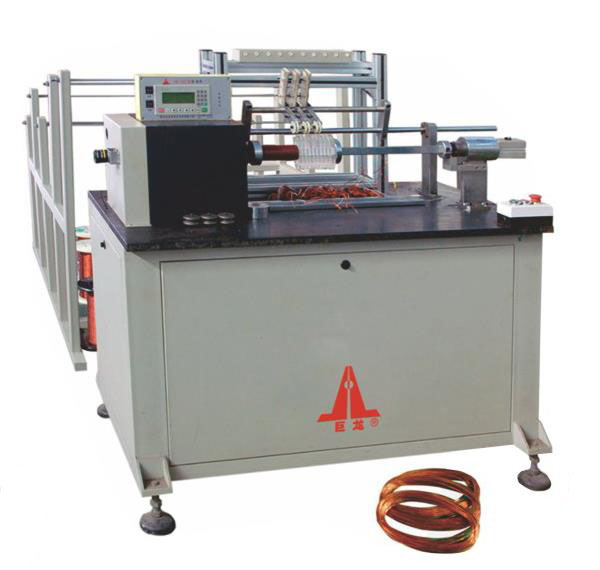
Bolivia's push toward local EV integration (including Quantum Motors platforms) necessitates automated BLDC inner/outer stator winders and magnet insertion machinery like the CT-40 to accelerate domestic production quotas.
Auxiliary ventilating motors, cable car (Mi Teleférico) auxiliary drives, and water treatment pumps in La Paz demand standardized industrial rewinding to avoid downtime from erratic supply grids and voltage fluctuations.
Three foundational economic shifts driving the transition toward automated rotor assembly and advanced winding lines.
Bolivia's sovereign control over vast lithium reserves is catalyzing direct state and private investments into downstream battery pack assembly and electric traction component manufacturing. Automated rotor and stator winders form the technological backbone required to construct localized traction drives, moving away from expensive finished motor imports.
Escalating international supply chain disruptions and foreign currency liquidity controls have made replacement OEM motors costly for Bolivian industrial operators. Independent service centers and enterprise workshops across Cochabamba and Santa Cruz are adopting semi-automatic and CNC rewinding machines to overhaul industrial armatures domestically.
With national energy policies incentivizing grid optimization, mining operators and industrial processing plants are phasing out inefficient rewind protocols. Servo-controlled automatic winding ensures precise copper placement, optimized lamination fill ratios, and minimized stray load losses to match international IE3/IE4 energy conservation benchmarks.
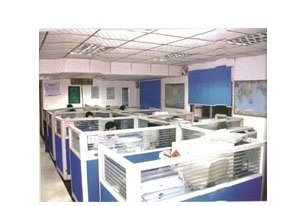
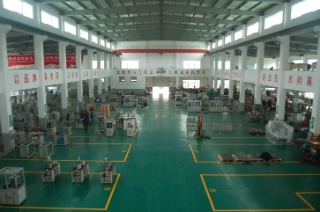
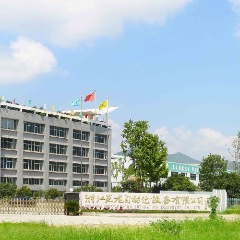
Combining 27 years of dedicated precision automation with custom tooling engineering tailored to client-specific slot configurations.
Founded in 1998, Zhejiang Rilvo Automation Equipment Co., Ltd. operates across an industrial footprint of 60,000 m² with over 150 high-precision in-house machining units.
Our dedicated 36-engineer R&D department configures winding fixtures, flyer speeds, and wire tensioners directly from your CAD rotor drawings.
Over 30% of our production volume serves global overseas plants via turnkey FOB, CFR, CIF, and EXW agreements shipped from Ningbo Port.
Key technical, electrical, and logistical clarifications for engineering teams and procurement officers across Bolivia.
At elevated altitudes such as El Alto and La Paz (over 3,600m), reduced air density impacts motor cooling and dielectric strength. Rilvo automatic winding machines address this through ultra-precise, servo-regulated wire tension control that eliminates micro-scratches on enamel insulation, preventing corona discharge and insulation breakdown under thinner atmospheric conditions. Additionally, our electrical control cabinets feature high-efficiency industrial ventilation and can be equipped with altitude-derated solid-state contactors and Schneider/Delta PLC components upon request.
Yes. Zhejiang Rilvo has more than 10 years of OEM and ODM engineering expertise. By submitting your rotor or stator technical drawing, wire diameter (AWG/mm), slot quantity, stack length, and target cycle times, our 36-member engineering department will design bespoke winding tooling, wire guide nozzles, and indexing clamps tailored directly to your workpiece geometry.
While Bolivia predominantly operates on 220V/230V 50Hz (with regional variations in industrial zones supporting 380V 50Hz 3-phase systems), Rilvo builds every machine with custom transformers and drive systems matched exactly to your factory’s incoming power infrastructure. Dual-voltage and step-down configurations are engineered directly into the primary electrical enclosure to protect against line voltage fluctuations.
We routinely export under FOB Ningbo/Shanghai, CFR, or CIF terms. For landlocked Bolivian delivery, cargo is traditionally shipped via ocean freight to the Pacific transit ports of Arica or Iquique in Chile, followed by bonded overland freight directly into Bolivian customs points in La Paz, Cochabamba, or Santa Cruz. Standard machine production lead time ranges from 25 to 45 working days depending on tooling complexity.
Prior to crating, every machine undergoes a rigorous trial-run using customer-supplied raw armatures, laminations, and copper wire. We provide comprehensive unedited video footage documenting cycle times, winding precision, dynamic resistance balancing, and commutator hot-stake weld integrity. We deliver detailed Spanish/English operating manuals, comprehensive electrical schematics, and offer real-time video commissioning guidance backed by lifetime remote PLC diagnostics.
Send your motor specifications, rotor CAD drawings, or target production capacity to our engineering team. We will deliver a complete technical tooling layout, cycle time simulation, and competitive factory-direct quote.