Engineered by Zhejiang Rilvo Automation Equipment Co., Ltd. (operating since 1998), our specialized stator, rotor, and drive system manufacturing machinery delivers the micro-tolerance winding, fusion welding, and dynamic balance required for modern pedelec hub and mid-drive motors.
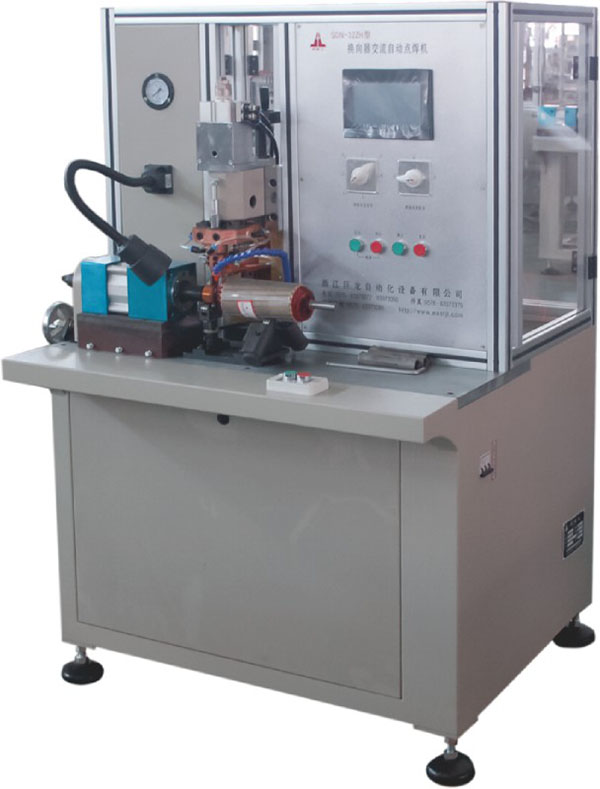
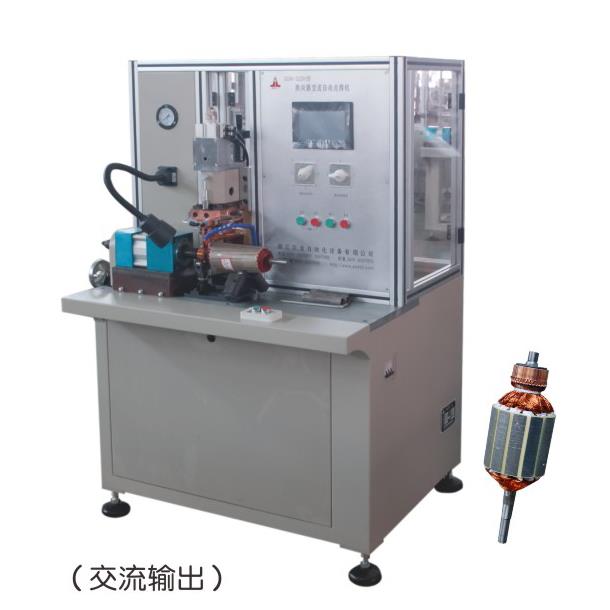
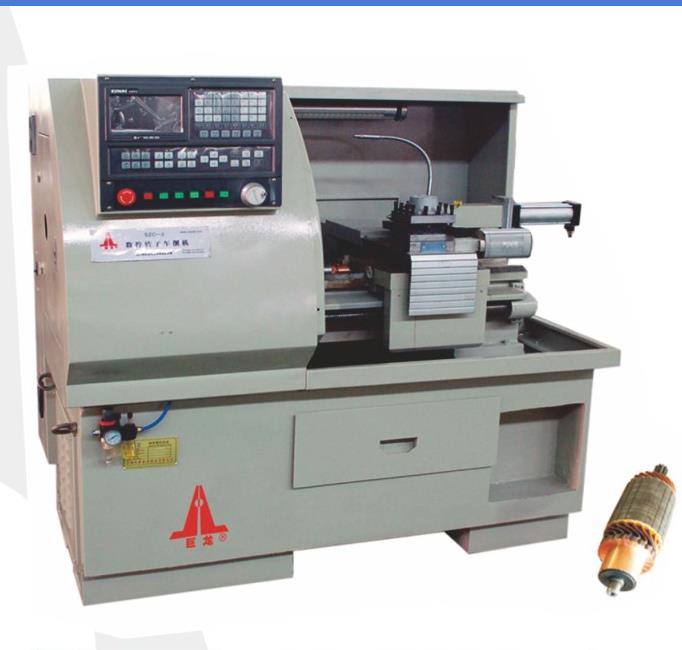
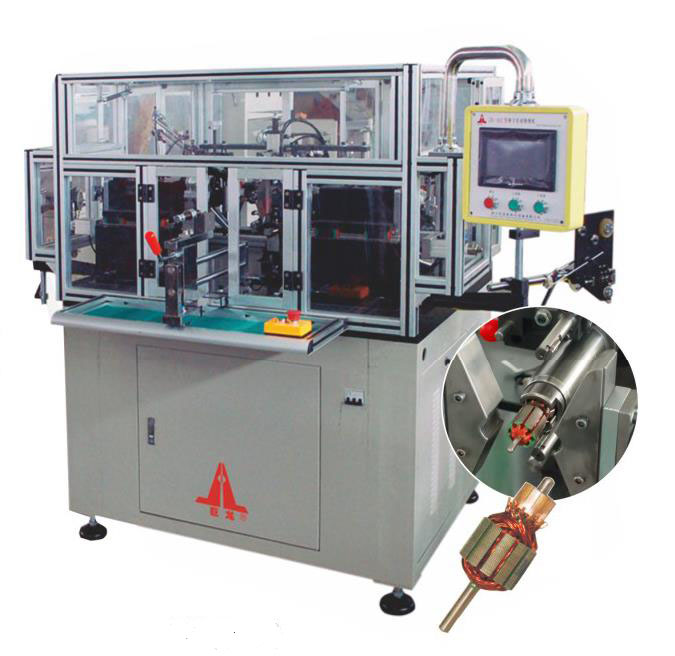
Gdańsk, Gdynia, and Sopot (the Tricity metropolitan agglomeration), coupled with the broader Pomeranian Voivodeship, represent one of Central Europe’s fastest-growing clusters for light electric vehicle (LEV) integration, contract electronics manufacturing (EMS), and specialized maritime-tolerant clean technology.
The concentration of precision electrical manufacturing in Gdańsk (such as facilities situated along the Pomeranian Special Economic Zone and Pruszcz Gdański corridors) requires automated validation cells capable of testing 250W to 750W hub and mid-drive motors under continuous mechanical cycling before battery pairing.
E-bikes engineered in Northern Poland must endure relentless Baltic maritime moisture, road salting during sub-zero winters, and heavy rainstorms. Our trickle varnishing and environmental simulation testing lines guarantee IP65 and IP67 stator insulation barrier integrity against severe galvanic corrosion.
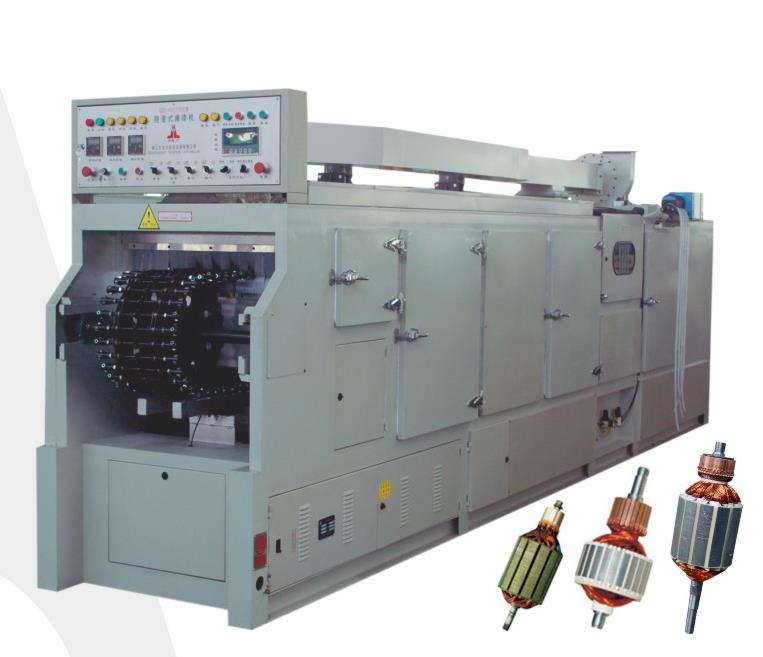
With the expansion of the Baltic Hub Container Terminal (Port of Gdańsk), local parcel and intermodal logistics companies are deploying heavy-duty electric cargo trikes. Our testing rigs simulate high startup torque, sustained 85 Nm load profiles, and regenerative braking dissipation profiles for commercial heavy-duty duty cycles.
In the European Single Market, exporting and retailing electric assist cycles (EPAC) demands total compliance with harmonized standard EN 15194:2017+A1:2023 alongside the European Machinery Directive (2006/42/EC) and its subsequent Machinery Regulation (EU 2023/1230). Compliance is not merely an inspection checklist; it dictates strict motor electromagnetic behavior, thermal cutoff thresholds, assist cutoff timing (≤ 25 km/h at 250W continuous rated output), and electrical insulation safety.
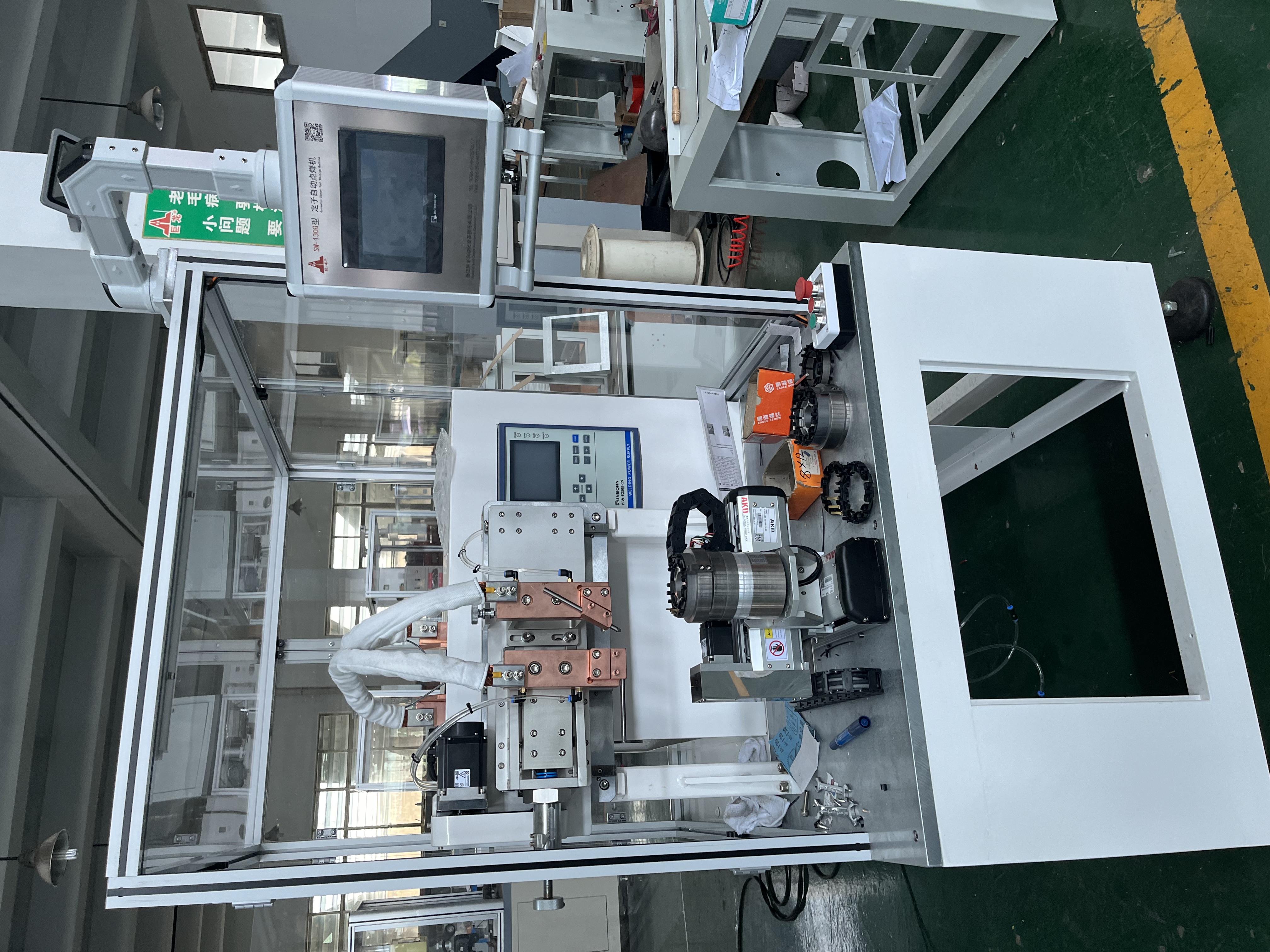
Zhejiang Rilvo Automation equipment incorporates calibrated dynamometer load cells, digital frequency analyzers, and multi-channel hipot/surge insulation testers that interface directly with manufacturing MES databases. Every stator manufactured on our winding stations (such as the CJL-7 and SW-130G) undergoes automated inter-turn surge tests (> 1500V impulse) and DC resistance balancing to eliminate phase discrepancy before rotor insertion. This automated gate-keeping prevents costly field recalls across EU member states.
Poland has solidified its rank as Europe’s fourth largest bicycle producer and a leading assembly hub for premium e-bikes, with deep tier-one component investments clustered across Greater Poland, Silesia, and Pomerania.
European brand owners are aggressively relocating drive-system, frame, and wheel assembly from East Asia to Polish manufacturing facilities to trim Baltic sea lead times and mitigate geopolitical shipping vulnerabilities.
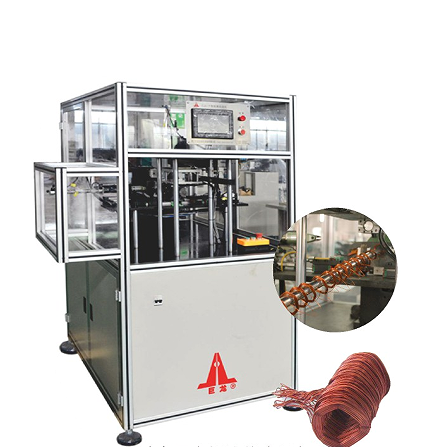
High-end e-bike drive units are pivoting toward flat-copper wire architectures. Our CJL-7 flat coil winding machine provides Polish motor manufacturers with a 72% slot fill factor, lowering battery drain while yielding a lighter mid-drive casing.
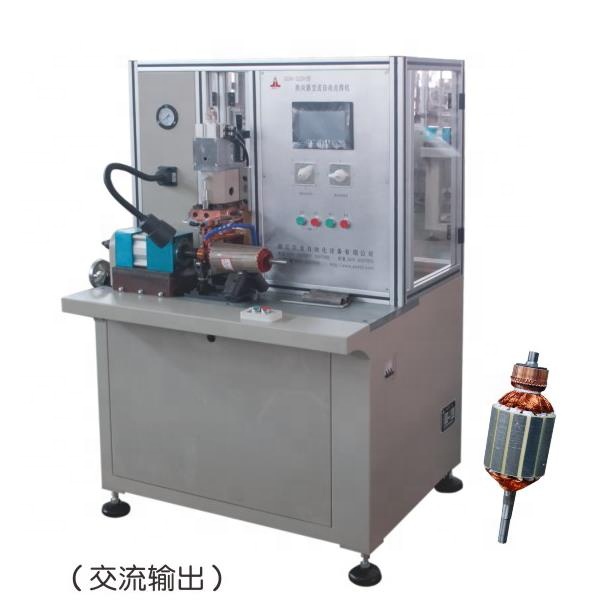
Under the EU Battery Regulation (EU 2023/1542), thermal runaway prevention begins at the motor-drive interface. Commutator fusing and lead welding machines must deliver micro-ohm resistance consistency (≤ 0.05 mΩ) to eliminate localized hot spots.
Direct maritime container calls from Ningbo-Zhoushan to the Port of Gdańsk (Baltic Hub DCT) allow industrial machinery to reach Polish plants in 28–32 days without multi-port reloading bottlenecks in Western Europe.
Direct factory engineering ensures that every customer specification—from wire diameter to motor stator lamination stack height—is translated into rigid, long-lifespan production tooling without third-party intermediary markups.
Established in 1998, Zhejiang Rilvo Automation Equipment Co., Ltd. has grown to operate across a 60,000 m² industrial facility in the Shatianyang Development Zone of Sanmen, Taizhou. With 20,000 m² of operational manufacturing bays and an additional 30,000 m² under current expansion, we host over 150 dedicated machine tools, multi-axis CNC milling centers, and automated calibration benches.
Led by our founder and Chief Engineer—recognized as a national Model Knowledge Worker by the All-China Federation of Trade Unions—our 36-member dedicated R&D engineering staff holds 17 national invention and utility model patents. Our enterprise holds official certification under the ISO9001:2015 Quality Management System and China Compulsory Certification (3C), holding the formal designation of High and New Technology Enterprise of Zhejiang Province.
Factory-level audit and documented traceability.
OEM/ODM built directly to customer CAD drawings.
100% video-recorded sample component testing.
2 hours to Ningbo Port for direct Gdańsk vessels.
Our Sanmen factory is located within a 2-hour container drayage radius of Ningbo-Zhoushan Port, the world’s largest cargo port by tonnage. This proximity allows immediate stuffing and dispatch onto direct ocean liner routes sailing directly to the Deepwater Container Terminal in Gdańsk (Baltic Hub DCT).
Polish industrial customers benefit from streamlined bonded customs clearance at Gdańsk DCT, CIF or DAP terms, full packaging in sea-freight vapor-barrier vacuum foil with desiccants, and solid fumigated wooden crates compliant with ISPM 15 standards.
Clear, direct technical responses addressing customs procedures, electrical grid matching, CE conformity, and after-sales field support for Polish manufacturing engineers.
Shipments depart directly from Ningbo Port to the Baltic Hub Container Terminal (DCT Gdańsk) under ocean freight terms including CIF, CFR, or FOB Ningbo. We can also coordinate with your forwarder for inland delivery (DAP) across Pomerania, Warsaw, Wrocław, or Poznań. Transit times typically average 28–34 days via direct carrier loops.
Yes. All machines built for Poland and European destinations are wired natively for 400V ±10% AC, 50Hz, three-phase power with neutral and protective earth (TN-S earthing system). Control transformers run 24V DC for sensor loops, and drive cabinets are populated with Schneider, Omron, or Siemens CE-marked electrical safety contactors.
Every piece of equipment arrives with an official EU Declaration of Conformity (DoC), compliant with the Machinery Directive 2006/42/EC, Low Voltage Directive 2014/35/EU, and EMC Directive 2014/30/EU. Machines feature dual-channel safety relays, physical E-stop switches, interlocked Lexan access covers, and English operator manuals required by Polish Urząd Celno-Skarbowy inspectors.
Absolutely. Over 65% of our export equipment is engineered to order. You provide your stator lamination DXF/STEP files, slot count, copper wire diameter (AWG/metric), and stack height. Our 36-member engineering department will calculate nozzle clearances, wire guide pathways, and custom clamp nests, providing 3D simulation files prior to CNC cutting.
Before any crating takes place, we run factory acceptance testing (FAT) using your supplied stator samples, copper wire, and insulation paper. We verify cycle duration, run continuous dry runs for 48 hours, measure electrical insulation resistance, and provide high-definition multi-angle operation videos alongside complete dimensional inspection records for your sign-off.
We provide a comprehensive 12-month standard warranty. Every machine is equipped with industrial Ethernet interfaces enabling secure remote diagnostics for PLC software adjustments. Critical wear components (fusing electrodes, winding needles, diamond cutting tips) are dispatched via DHL/FedEx air freight with delivery to Gdańsk within 3–5 working days. Onsite commissioning engineer dispatch is available upon request.
Our minimum order quantity is exactly 1 set, allowing testing lab integration or individual process bottleneck replacement. We routinely execute international sales contracts denominated in EUR or USD via standard Telegraphic Transfer (T/T) or confirmed Letters of Credit (L/C), ensuring full transparency and compliance for Polish commercial banking regulations.


