From single automated winding and slot paper insertion cells to complete continuous trickle impregnation plants, our equipment catalog addresses every critical phase of high-performance EV powertrain manufacturing.
Ultra-precision CNC machining centers designed for tight-tolerance motor housing, end-bell milling, and specialized shaft fabrication for traction motors.
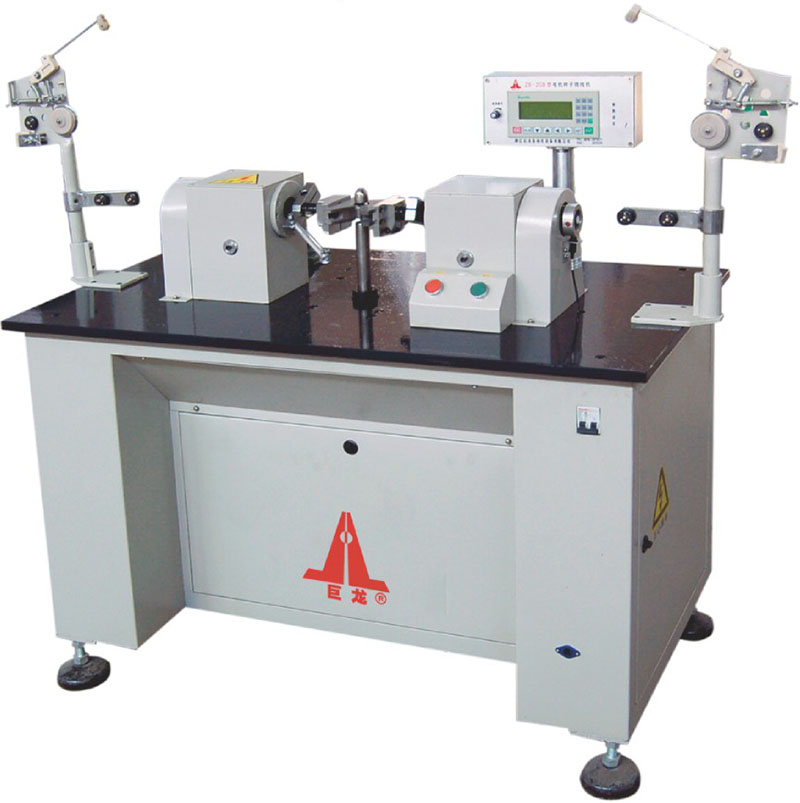
High-speed rotor winding system featuring programmable flyer tension control, tailored for precision auxiliary and universal electric drive armatures.
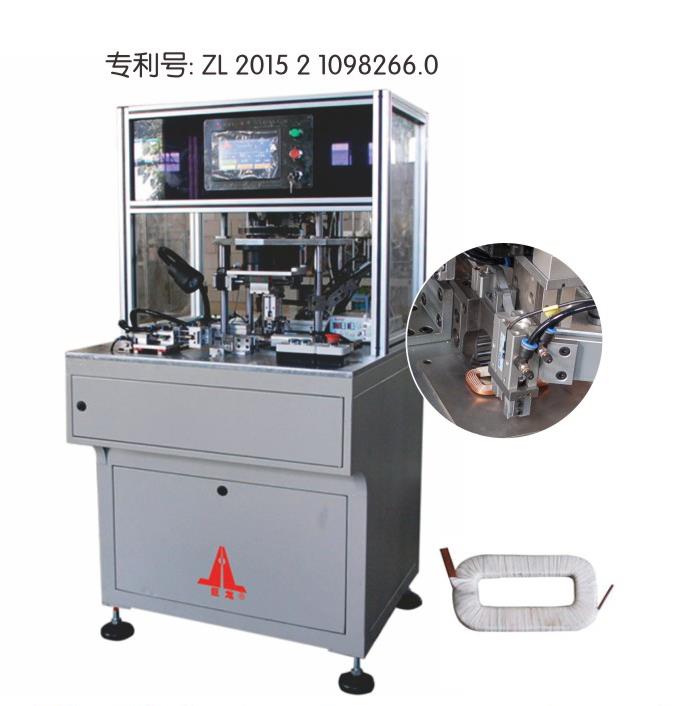
Automated insulation taping and belt wrapping machine for heavy starter coils and high-torque auxiliary EV field windings with zero-overlap drift.
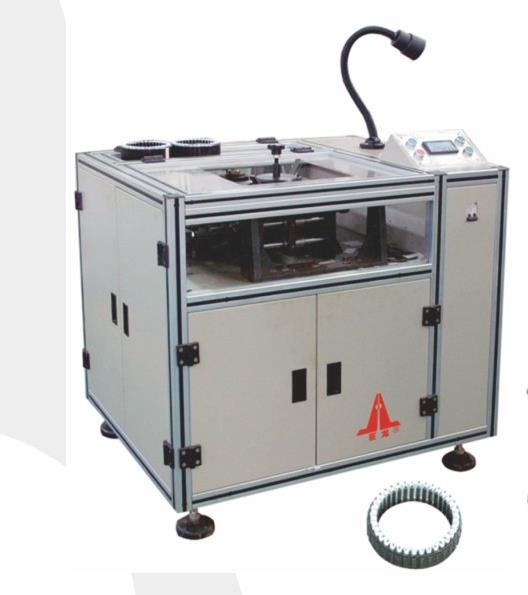
High-precision slot insulation system cutting, forming, and feeding Nomex and DMD liners directly into automotive alternator and EV motor stators.
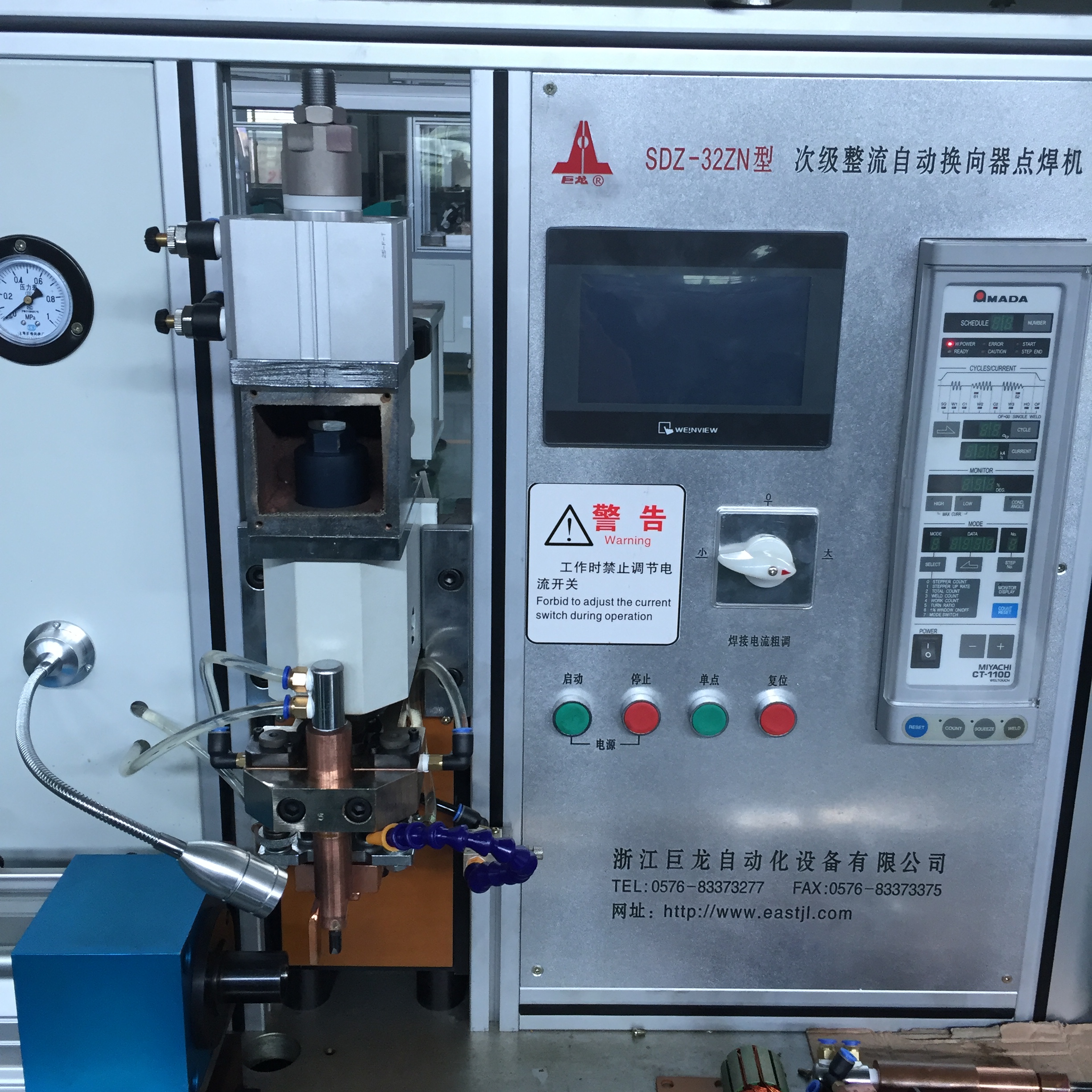
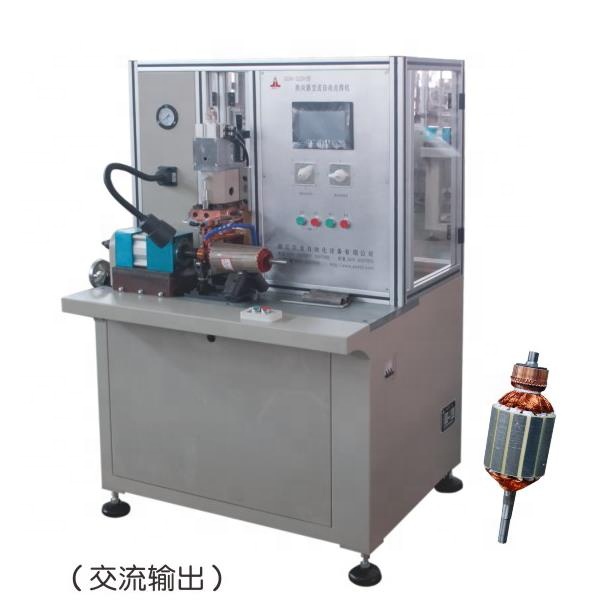
Intelligent resistance and hot-stake welding station equipped with real-time current displacement tracking for fail-safe commutator and lead bonding.
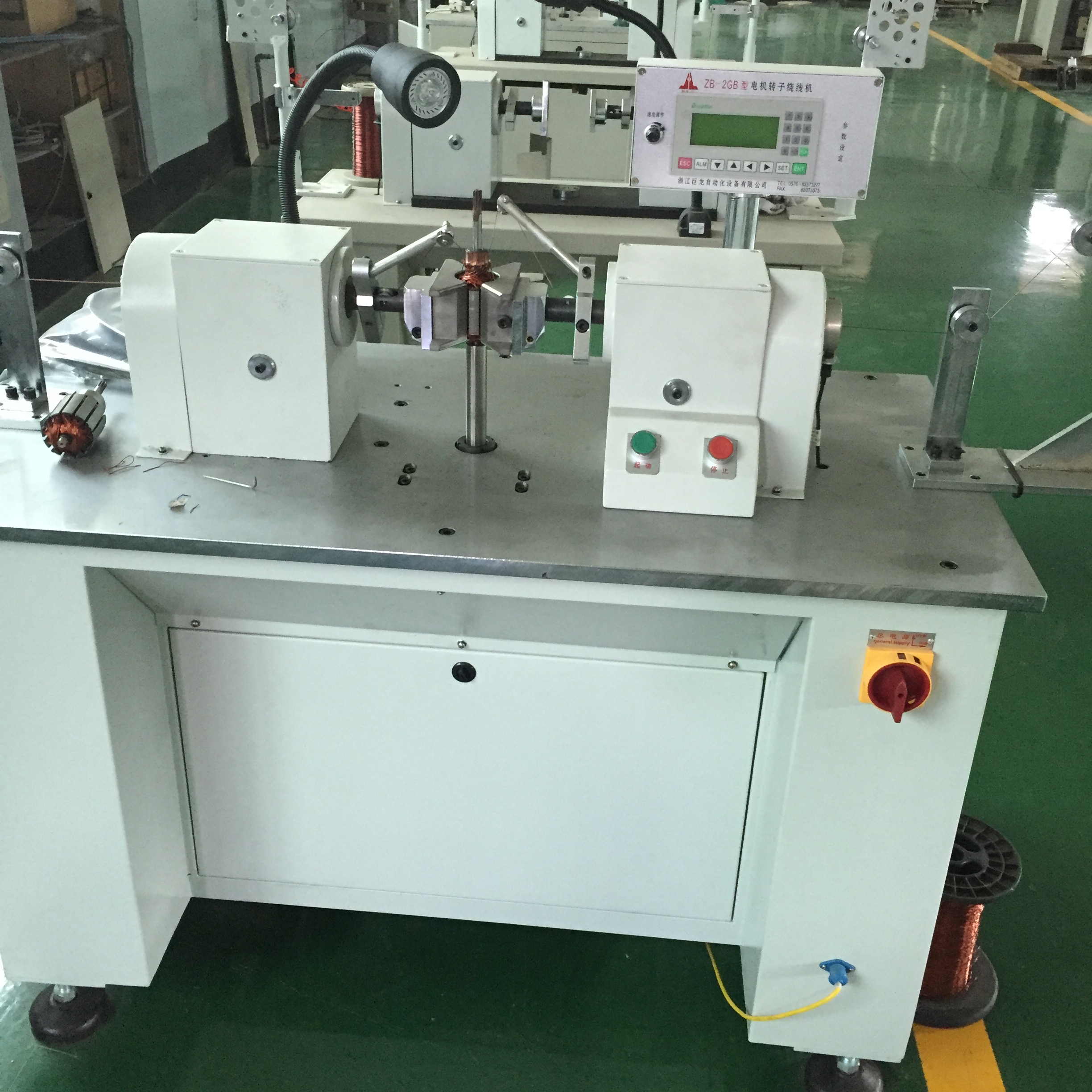
Dual-spindle heavy flyer winding architecture designed for high slot-fill ratios in automotive secondary actuators and permanent magnet rotors.
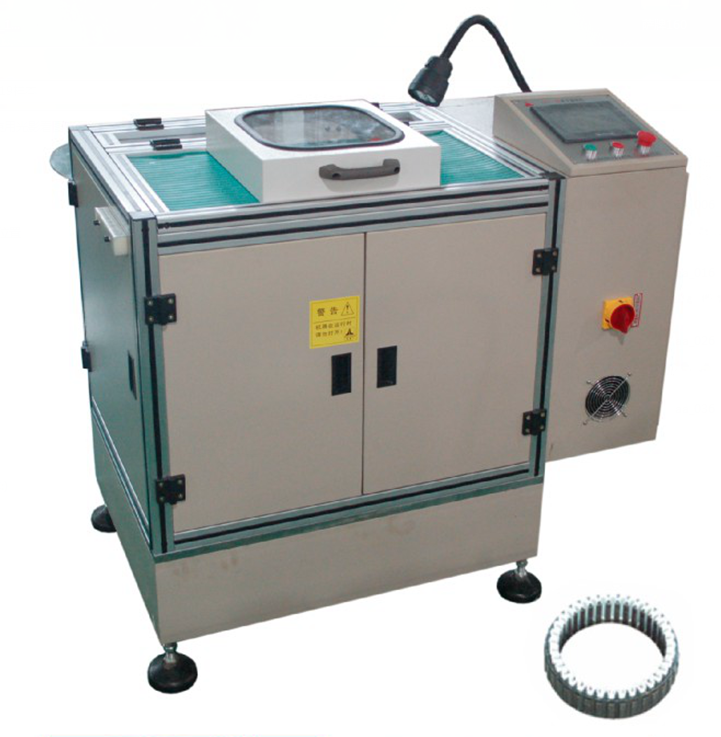
Automated horizontal indexer pushing insulating wedges over inserted phase coils, preventing turn crossover and guaranteeing slot boundary retention.
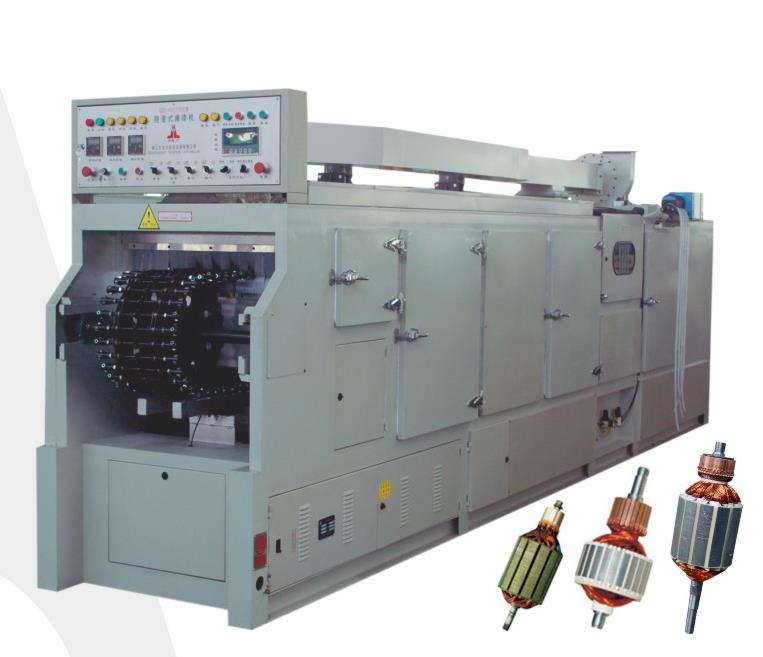
Continuous resistance-heating trickle impregnation plant providing void-free resin penetration and premium dielectric protection for EV stators.
Addressing the technical demands of Stuttgart’s automotive cluster: From 800V silicon-carbide (SiC) architectures to ultra-dense hairpin stators and zero-defect automated assembly line integration.
The automotive manufacturing corridor of Stuttgart and the wider Baden-Württemberg region stands as Europe’s premier proving ground for automotive propulsion innovation. Home to historic original equipment manufacturers (OEMs) and an elite concentration of global Tier-1 driveline suppliers, this regional ecosystem is executing an unprecedented industrial migration toward high-voltage battery-electric vehicle (BEV) architectures. As drive unit operating voltages transition decisively from 400V to 800V to facilitate hyper-fast DC charging and mitigate thermal I²R losses, electric motor production demands have reached levels of micro-metric precision that obsolete conventional legacy winding practices.
As a dedicated EV motor production line manufacturer and automation equipment supplier, Zhejiang Rilvo Automation Equipment Co., Ltd. (founded in 1998) engineers advanced, turnkey manufacturing lines engineered specifically to meet European and German automotive specifications. Modern electric propulsion assemblies demand comprehensive synchronization between mechanical lamination stack handling, automated slot liner insertion (DFC-1 series), hairpin flat-wire forming, CNC-guided mechanical insertion, multi-axis laser/resistance welding (SDN-32ZH), and fully automated trickle impregnation and varnishing (SZD-376/63.5). Supplying the Stuttgart market requires bridging global equipment cost-efficiencies with strict adherence to DIN EN ISO 12100 safety directives, CE Machinery Directives (2006/42/EC), and the real-time telemetry protocols demanded by Industry 4.0 MES ecosystems.
Engineered for agile integration within local Tier-1 manufacturing plants, specialized R&D pilot lines, and scalable volume production facilities.
Engineered for premium performance sports saloons and electric SUVs engineered around Stuttgart-Zuffenhausen and Sindelfingen. Our automated flat-wire 2D/3D bending and CNC wedge inserting lines eliminate enamel micro-cracking while sustaining slot-fill factors beyond 75%, maximizing continuous torque density and cooling efficiency.
Serving Tier-1 supplier hubs throughout Esslingen, Ludwigsburg, and Waiblingen. Our high-cadence wave winding machinery (4-BL-1) and high-speed rotor wire embedding units provide rapid takt-time production (under 35 seconds per component) for belt-driven and transmission-integrated 48V auxiliary machines.
Tailored for electric truck, municipal bus, and commercial fleet driveline programs centered around Stuttgart’s southern industrial perimeters. These heavy-wire winding systems handle conductors exceeding 6.0 mm² cross-section, guaranteeing robust mechanical lacing and superior resin trickling for harsh commercial duty cycles.
Precision brushless DC (BLDC) motor lines configured for steer-by-wire, electro-hydraulic braking, and active chassis stabilization motors. Incorporates automatic magnet bar insertion (CT-40), energy-storing pulse magnetizers (DZ4-2000), and automated commutator spot welding for SIL-D functional safety compliance.
Ideal for engineering centers in Weissach and university spin-off laboratories in the Neckar Valley. Modular semi-automatic winding and shaping cells with rapid interchangeable tooling allow design engineers to validate experimental slot geometries, varied hairpin conductor layers (4 to 10 layers), and novel dielectric barriers.
Baden-Württemberg is a national epicenter for high-end e-bike drive systems and urban micro-mobility actuators. Our concentrated pole winding machines and electrostatic epoxy insulation spraying lines provide compact footprints with exceptional copper filling ratios for mid-motor drive assemblies.
Key technological trends shaping capital investment decisions across German automotive powertrain engineering departments.
Procurement directors and chief manufacturing officers in the German automotive sector are navigating rapid technological transformations driven by vehicle electrification mandates, raw material price volatility, and stringent European sustainability directives. In motor manufacturing, this translates into three critical engineering battlegrounds:
1. Shift from Random Wound Wire to Hairpin Flat Copper Technology: In the regional factories of major automotive suppliers across the Neckar region, continuous round-wire distributed windings are being superseded by rectangular cross-section hairpin technology in all main traction motors. Flat conductors eliminate the void spaces typical of round wires, boosting the copper fill factor from approximately 45% to over 75%. This achieves dramatic reductions in thermal resistance and allows drive units to produce significantly higher continuous torque. However, hairpin manufacturing demands microscopic precision during wire stripping, CNC 2D/3D forming, slot insertion without scratch damage, twist crown forming, and automated TIG or laser end-welding.
2. Advanced Dielectric Integrity for 800V Systems (Mitigating Partial Discharge): Operating electric drive units at 800V DC on fast-switching Silicon Carbide (SiC) MOSFET inverters introduces massive dV/dt voltage transients. If the slot liner insulation (handled by machines like our DFC-1) or the impregnation resin coverage has microscopic pinholes or air voids, localized corona discharge occurs, destroying the enamel insulation and causing premature phase-to-phase shorts. Consequently, our automated horizontal trickle varnishing lines (SZD-376/63.5) employ controlled pre-heating, precise servo nozzle dispensing, and uniform curing profiles that ensure 100% void-free resin penetration into deep lamination channels.
3. Smart Manufacturing Traceability & Low-Carbon Manufacturing: German supply chains enforce strict adherence to corporate sustainability and IATF 16949 auditability. Every single motor stator and rotor rolling off an automated assembly line must have complete genealogical traceability. Our automated control units utilize open OPC-UA architecture to record wire tension profiles, welding joules/displacement curves, wedge insertion forces, and varnishing temperatures, uploading directly to plant MES (Manufacturing Execution Systems). Furthermore, localized resistance-heating methods save up to 45% thermal energy compared to archaic bulk curing ovens, fulfilling stringent German factory carbon-reduction targets.
Established in 1998, Zhejiang Rilvo Automation Equipment Co., Ltd. has spent over two and a half decades mastering the engineering challenges of stator winding, wire embedding, armature winding, and precision commutator welding.
Operating a nearly 60,000 m² industrial base in Sanmen, Zhejiang, with over 150 dedicated machine tools. We machine our own critical winding nozzles, dies, and tooling fixtures in-house to protect concentricity and micro-tolerances.
Backed by 36 specialized R&D design engineers, including 8 senior engineering titles and led by a recognized National Knowledge-Worker Model award winner, delivering bespoke tooling matching your exact CAD stator drawings.
Owner of 17 national patents and fully certified under ISO9001 and China Compulsory Certification (3C). All export lines built for the German market comply with CE Machinery Directive 2006/42/EC and DIN EN 60204-1 electrical norms.
We test-run your physical laminations, copper magnet wire, and insulation papers on our factory floor before delivery, providing complete statistical process capability (Cpk) data and remote video acceptance.
Audited manufacturing credentials trusted across 50+ countries worldwide.
Detailed technical responses to the critical inquiries posed by industrial buyers in the Stuttgart automotive cluster.
Send your stator/rotor CAD drawings, slot count specifications, wire cross-sections, and target takt times to our engineering team. Within 48 hours, we will deliver an initial line layout proposal, complete tooling breakdown, and cycle time analysis tailored to your technical requirements.
Send an Inquiry


