Modular, high-speed, and servo-synchronized equipment configurable for high-mix low-volume prototyping up to automotive-scale automated line integration.
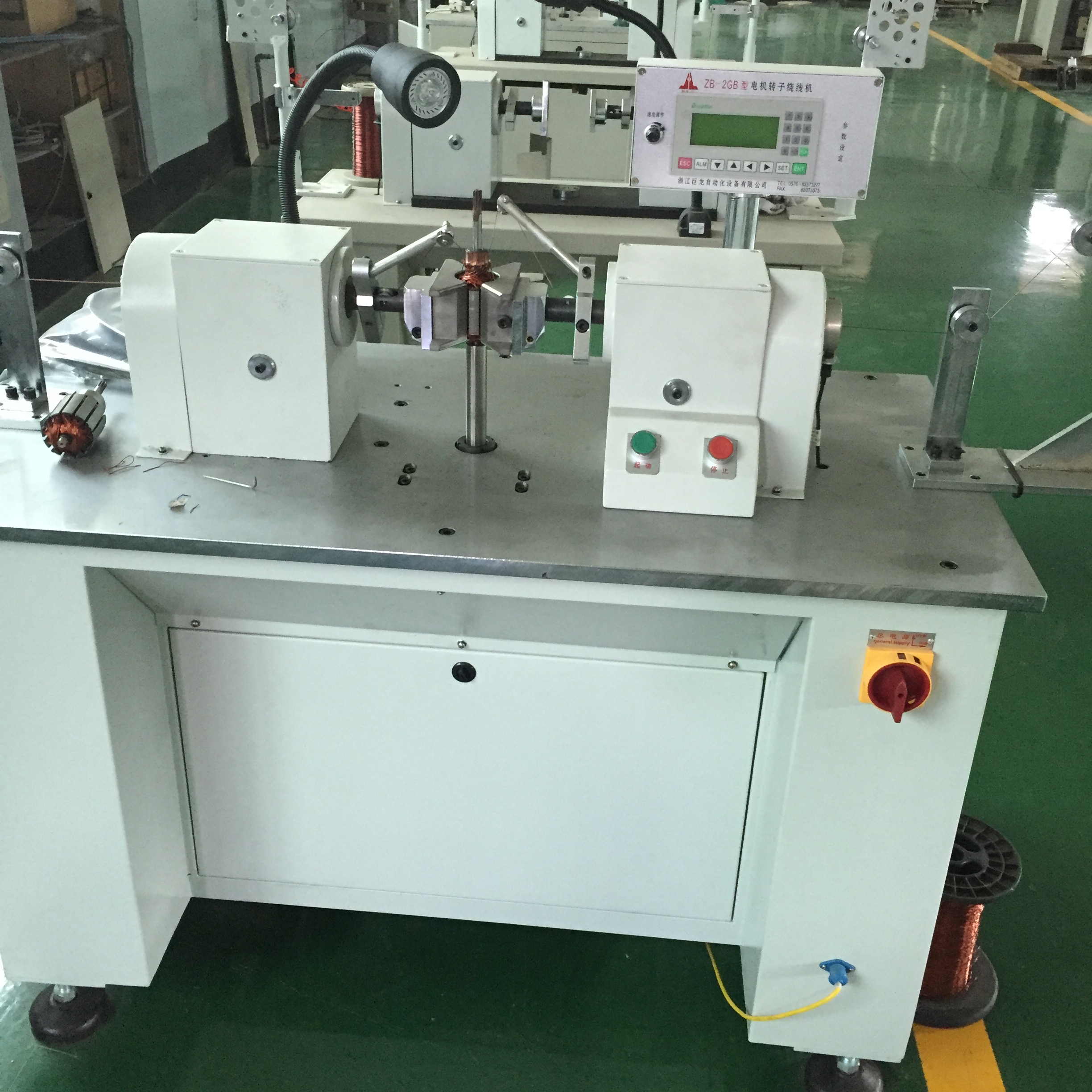
Precision flyer winding system equipped with dual-axis servo tension control, designed for universal armatures, starter motors, and automotive micro-rotors requiring exact loop formation.
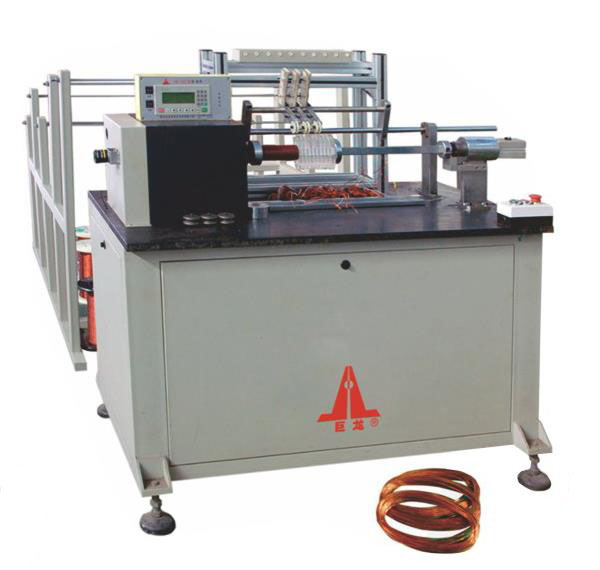
Multi-station indexing winder engineered for high slot-fill ratios. Programmable array sequencing facilitates rapid changeovers for standard IEC and DIN frame specifications.
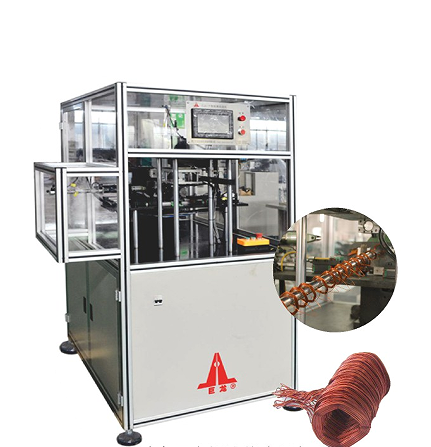
Advanced edgewise and flat copper wire winding system delivering superior thermal dissipation and exceptional electromagnetic packing factors for automotive traction drivetrains.
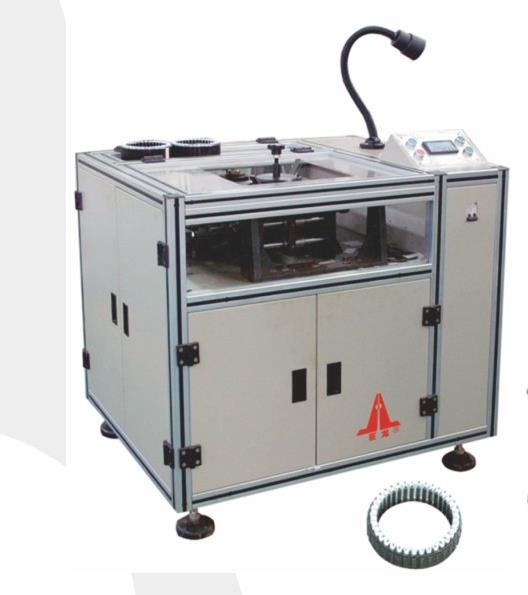
Automated slot lining and wedge paper insertion station featuring micro-tolerance mechanical edge-forming to ensure 100% partial-discharge protection across alternator stacks.
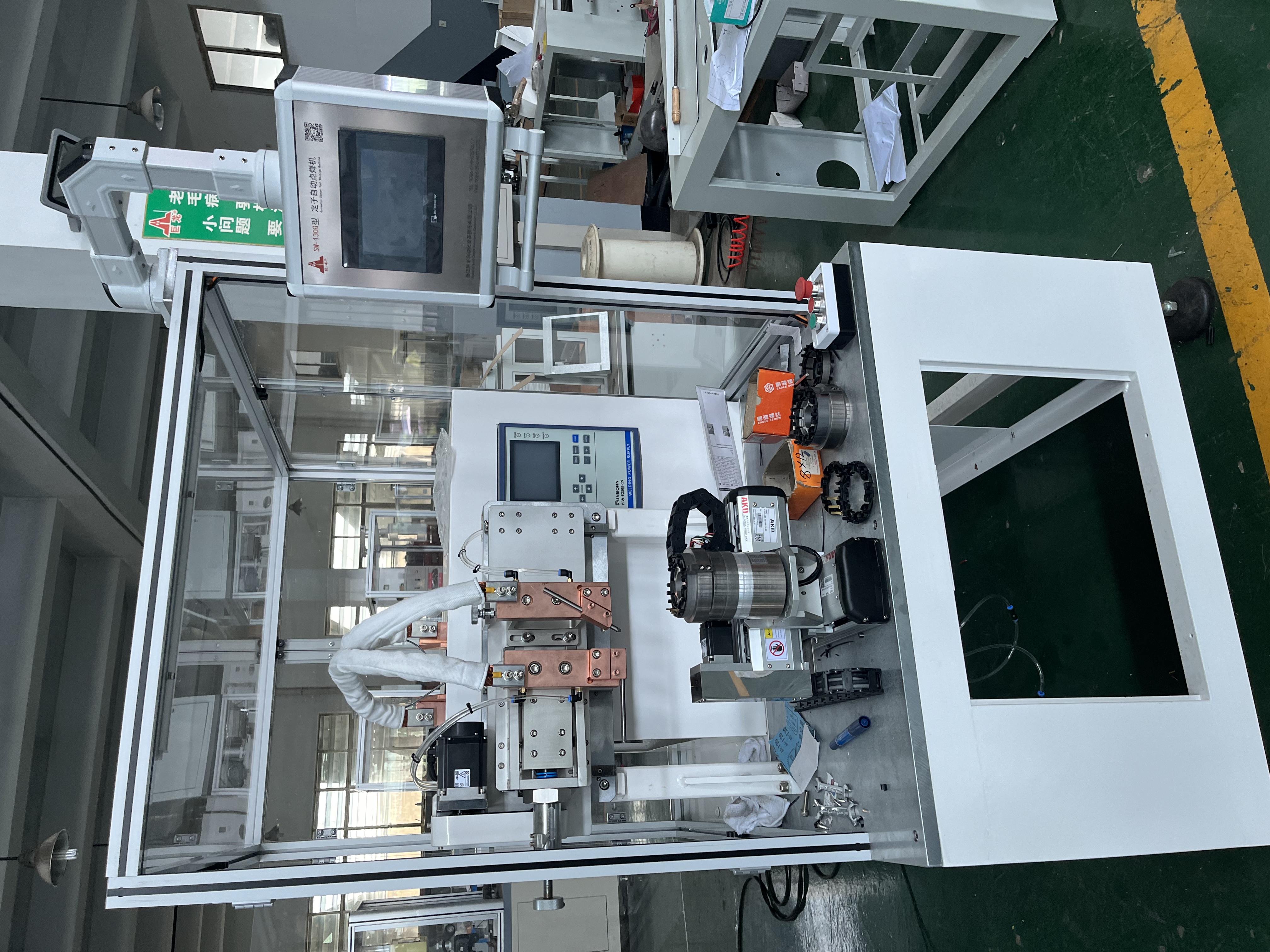
Inverter-controlled micro-resistance and hot-stake welder tailored for high-speed BLDC lead wire fusing, eliminating cold joints and copper strand oxidation under heavy duty cycles.
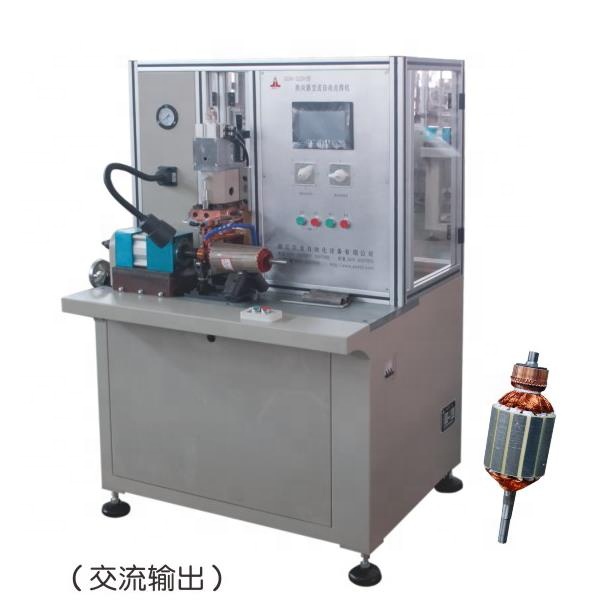
Dedicated multi-axis CNC profiling and finishing centers optimized for fabricating sub-micron custom winding nozzles, tooling fixtures, and high-wear insertion guides in-house.
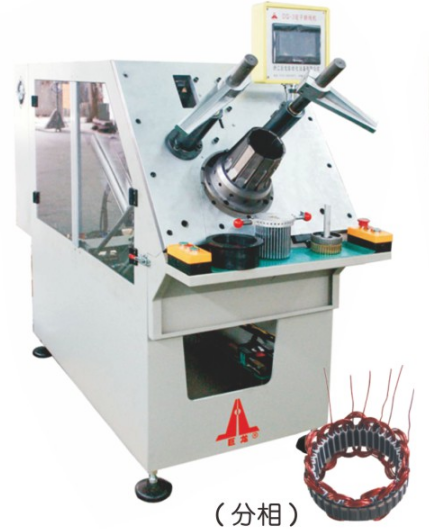
Synchronous coil insertion heads, pushers, and wedge guides manufactured from hardened vanadium steel alloys to guarantee maximum uptime across continuous shift operations.
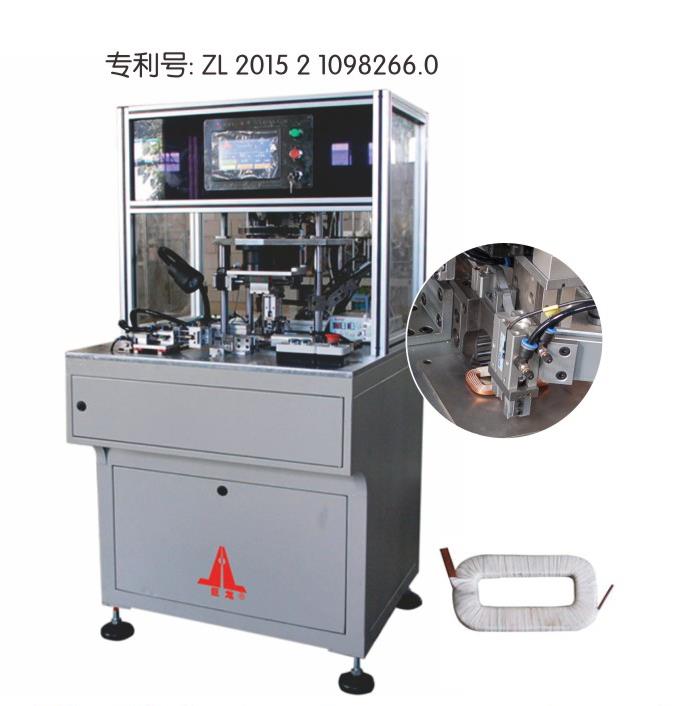
High-precision taping and composite insulation wrapping unit equipped with active web tension regulation for automotive starter field coils, chokes, and auxiliary motor assemblies.
As Bavaria continues to consolidate its position as Europe’s premier advanced automotive and electro-mechanical development corridor, manufacturers in Munich, Ingolstadt, Augsburg, and Landshut face aggressive re-tooling demands. The industry-wide transition toward distributed high-voltage powertrain systems, integrated auxiliary electric pumps, precision mechatronics, and aerospace-grade brushless actuators requires motor manufacturing equipment that achieves zero-defect manufacturing under stringent ISO 9001 and VDA 6.3 standards.
Our automation engineering framework bridges high-capacity direct manufacturing with European engineering standards. By pairing ultra-rigid structural castings with sub-micron CNC-machined dynamic components, our motor assembly systems solve the technical challenges specific to Bavarian tier-1 suppliers: tight lamination slot clearances, fragile micro-enameled magnet wire coatings, and high-frequency thermal stresses encountered in next-generation 800V e-mobility architectures.
Whether deploying standalone semi-automated winding benches for specialized low-volume robotics production in Oberbayern or integrating fully automated end-to-end lines featuring trickle impregnation, hairpin twisting, and automated laser testing, our machines conform directly to EU Machinery Directives (CE), functional safety protocols, and industrial communication standards such as OPC UA and PROFINET.
From initial electromagnetic design interpretation to complete system delivery, our integrated engineering infrastructure eliminates subcontractor uncertainty.
Directed by nationally recognized knowledge-worker model engineers, our multidisciplinary team handles mechanical kinematics, proprietary PLC logic, and precision optical inspection architectures without external reliance.
Tooling assemblies, winding flyers, and insertion pushers are manufactured on our own CNC park in Zhejiang. Maintaining sub-micron fabrication tolerances ensures concentricity, component durability, and spare-part interchangeability.
Every structural casting, ball screw, pneumatic cylinder, and servo motor undergoes rigorous multi-gate inspection. We complete live customer-sample factory acceptance testing (FAT) prior to containerization.
Over a decade of customized engineering allows us to adapt machine tooling directly to your CAD stack drawings, wire diameters (round or rectangular), slot geometric envelopes, and cycle time targets.
Full support for Munich shipments under EXW, FOB, CFR, or CIF terms with clear EUR transactions. Strategically located near Ningbo Port, allowing seamless sea and multimodal rail routes directly into central European hubs.
Complete English and German documentation, verified schematic packages, rapid air-freight wear parts dispatch, and remote digital diagnostics via secure encrypted gateway connections minimize line downtime.
Procurement directors and lead manufacturing automation engineers across the Munich industrial territory operate under stringent performance expectations. Based on active production line consultations, three major engineering trends are redefining equipment requirements:
1. Accelerated Adoption of Rectangular & Hairpin Conductor Architectures: High-efficiency e-drive programs demand slot fill factors exceeding 70%, which conventional round wire winding cannot achieve. Our 5-SC-2B and CJL-7 machines allow precise control over mechanical bending radii, stripping layers, and pre-forming operations without micro-cracking the polyimide enamel layers.
2. Micro-BLDC Mechatronic Integration in Industrial Robotics: With the concentration of medical device manufacturers and precision automation developers around the Munich-Garching research corridor, the demand for brushless stators operating at sub-millivolt noise thresholds is at an all-time high. Our resistance spot welding and semi-automatic wire embedding stations preserve lamination stack inter-laminar resistance through low-heat thermal cycles.
3. Comprehensive In-Line Process Traceability: Bavarian industrial quality control demands full station-by-station telemetry. Rilvo assembly units are engineered for deterministic industrial bus integration, recording critical assembly variables including servo torque load curves, wedge paper fold integrity, insertion displacement profiles, and welding joule signatures directly to factory MES software.
Direct technical answers addressing system customization, compliance, and international deployment.
Yes. All machines built for shipment to Germany and the European Union are designed and constructed in full alignment with the EU Machinery Directive (2006/42/EC), the Low Voltage Directive (2014/35/EU), and the Electromagnetic Compatibility (EMC) Directive (2014/30/EU). Systems feature dual-channel safety circuits, interlocked safety guards, certified emergency stop actuators, and electrical cabinetry wired according to EN 60204-1 specifications with comprehensive English/German labeling.
Our 36-person R&D engineering division conducts a multi-phase design review before metal is cut. You provide the 2D/3D CAD models of your lamination stack, slot cross-section, wire diameter/gauge, and varnish requirements. We simulate the coil clearance, slot fill coefficient, and flyer paths. Following internal CNC machining of the custom dies and insertion guides, we run sample batch trials using your actual raw materials and deliver detailed CMM inspection reports alongside high-speed video verification before factory sign-off.
Standard standalone equipment (e.g., ZB-2GB rotor winders or DFC-1 slot paper inserting machines) typically carries a production lead time of 30 to 45 business days, including tooling customization and trial testing. Fully integrated multi-station automatic lines generally require 75 to 90 business days. We ship sea freight via Ningbo Port to European gateways (Hamburg, Rotterdam) followed by overland freight directly to your plant in Munich, or expedited air freight for critical tooling.
Yes. Our control systems utilize premium PLC hardware and intuitive industrial HMI touchscreens. For integration into existing German production lines, we support standard industrial Ethernet protocols including PROFINET, EtherCAT, and Modbus TCP/IP, enabling seamless bidirectional data exchange with SCADA and MES systems for comprehensive trace-to-part quality tracking.
Every machine is delivered with complete plug-and-play wiring, complete spare wear-parts packages (winding nozzles, cutting blades, insertion fingers), and comprehensive instructional video manuals. For initial commissioning, we provide live remote engineering support via secure connection. Should full turnkey on-site mechanical and electrical setup be required at your Munich facility, our field service engineers are dispatched to oversee final line integration, cycle-time balancing, and operator training.
We work comfortably with European corporate procurement protocols, accepting telegraphic transfer (T/T) and confirmed Irrevocable Letters of Credit (L/C) denominated in EUR or USD. Transactions follow structured milestones: engineering sign-off deposit, pre-shipment trial run acceptance balance, and standard commercial warranties on all mechanical and electronic assemblies.
When engineering and plant managers evaluate capital equipment for motor manufacturing, capital expenditure (CapEx) represents only an initial fraction of the investment equation. Operational expenditure (OpEx), defined by tooling wear rates, unplanned downtime, cycle-time deviations, and scrap rate during copper forming, forms the core of lifetime profitability.
Rilvo Automation’s equipment architecture directly reduces TCO through three deliberate engineering decisions:
By bringing over 27 years of specialized motor equipment innovation directly to the Bavarian industrial base, we provide manufacturing organizations with an optimal balance of cost-efficiency, technical sophistication, and long-term production reliability.
Send our technical team your stator, rotor, or coil drawings along with target daily output metrics. Our engineering team will review your specifications and supply a detailed machine configuration, cycle time estimate, and formal project proposal.


