


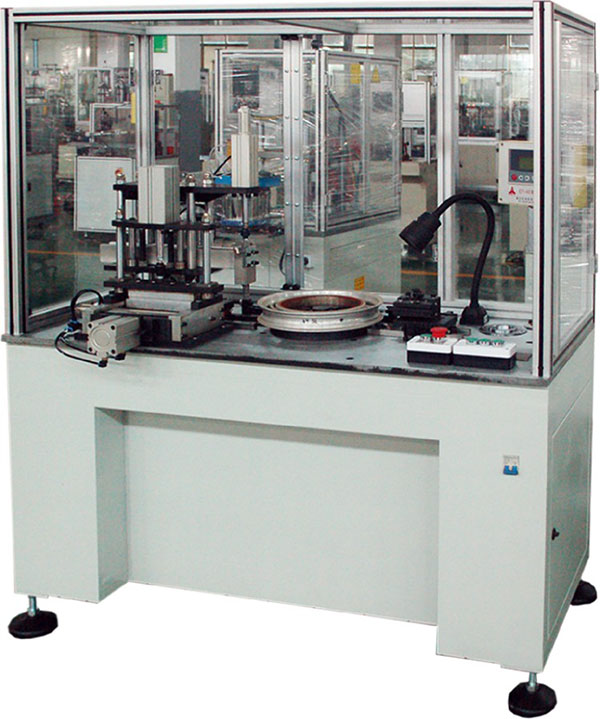
CT-40 Model Brushless Motor Magnet Bar Insertion & Gluing
- Application:BLDC Motor Rotors
- Process:Dual-Stage Glue & Insert
- Control:Programmable Motion
Engineered for high throughput, micron-level repeatability, and seamless integration into modern manufacturing plants in Recife, Suape, and beyond.
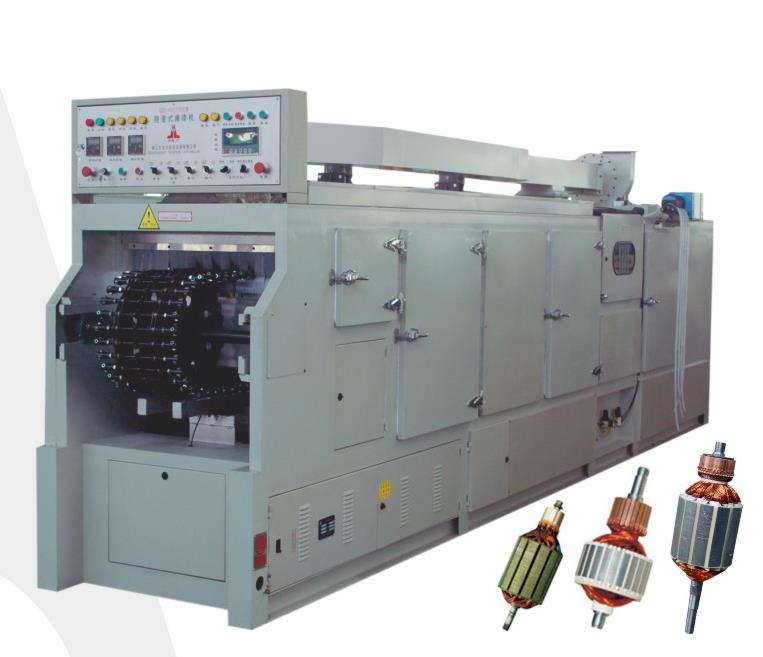
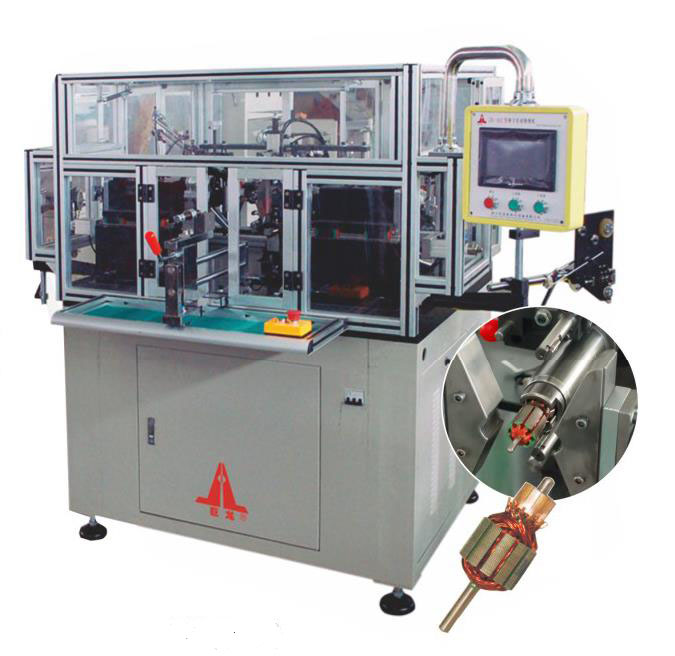
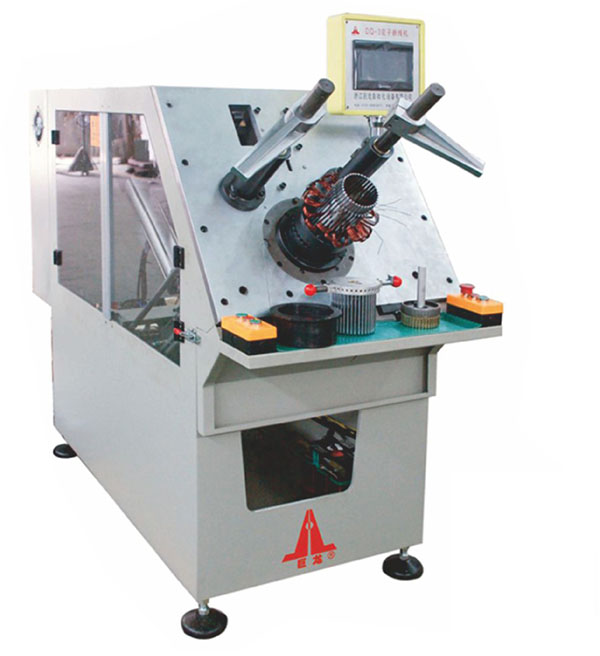
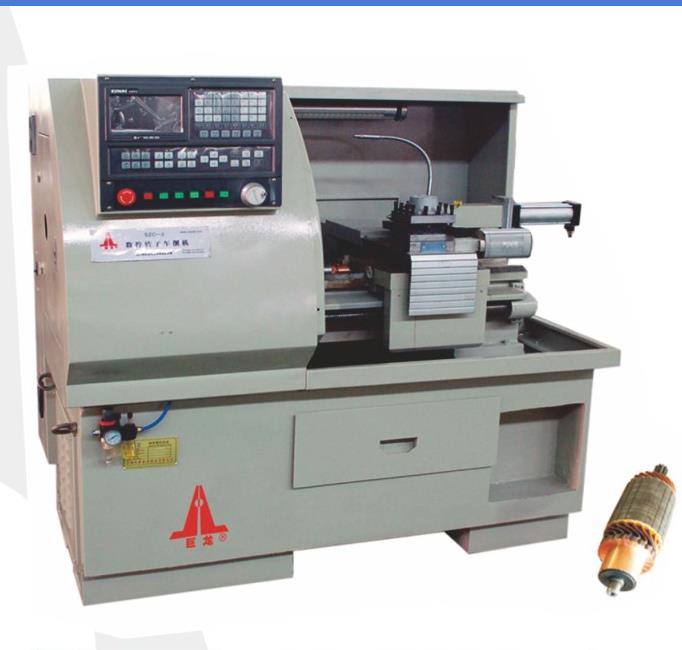
The Metropolitan Region of Recife (RMR), anchored by the technological engine of Porto Digital and the heavy logistics infrastructure of the Suape Industrial Port Complex, is undergoing a pivotal industrial repositioning. Historically reliant on traditional sugarcane processing, civil construction, and light consumer fabrication, the Pernambuco industrial belt is rapidly transitioning toward high-density value-add manufacturing. The convergence of national automotive investments in nearby Goiana, coupled with a surging domestic demand for energy-efficient commercial pumping, industrial automation, and micro-mobility powertrains across Northeastern Brazil (Nordeste), creates an immediate demand for localized, high-throughput motor automation lines.
Operating precision automated assembly equipment in the coastal environment of Recife introduces unique mechanical and thermodynamic challenges. With an average relative humidity routinely exceeding 80% and significant coastal salinity, automation systems must feature hardened protective engineering. Our specialized automation solutions for stator and rotor lines integrate sealed electrical cabinets rated IP55 or higher, gold-plated signal interlocks to eliminate galvanic corrosion, and active thermal management across all primary servo-drives to handle elevated ambient temperatures without derating.
Furthermore, motor production lines deployed in the region require high adaptability to Brazilian electrical standards (typically 380V/220V 60Hz trifásico) and rigorous safety certifications under Norma Regulamentadora NR-12. From optoelectronic light curtains to category-4 dual-channel safety relays, our manufacturing line platforms ensure complete operational compliance, shielding factory owners from compliance liabilities while maintaining cycle efficiencies of under 12 seconds per stator unit.
Explore where turnkey stator, rotor, and coil embedding automation drives efficiency across local sectors.
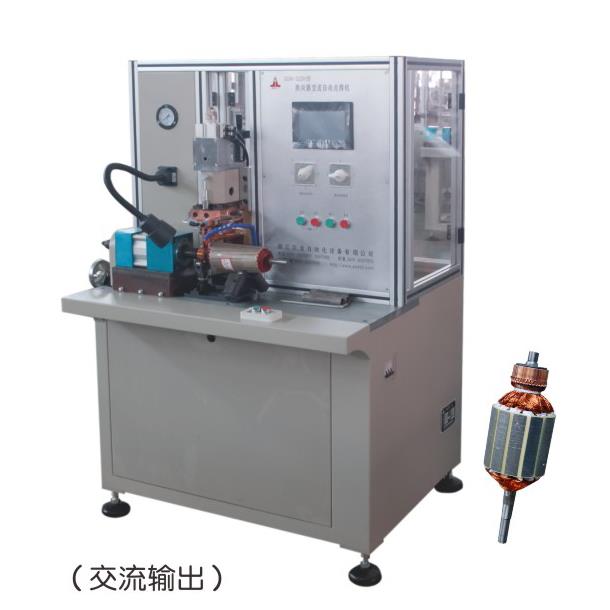
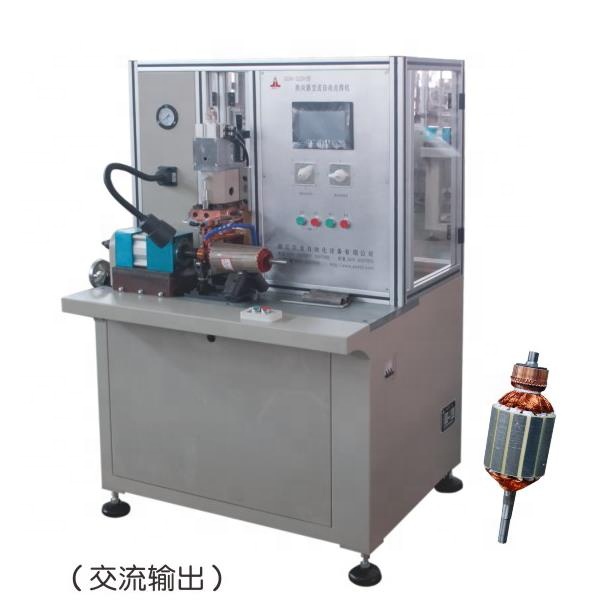
High-speed manufacturing of starter motors, wiper motors, and climate blowers. With the automotive cluster situated just north of Recife, automated commutator fusing (SDN-32ZH) and precision turning (SZC-3) eliminate balance anomalies and solder defects.
The São Francisco river basin and regional agriculture rely heavily on rugged, deep-well water delivery. Automated wire embedding (5 DQ-1) and horizontal trickling varnish systems (SZD-376) guarantee void-free slot insulation capable of resisting harsh hydrostatic pressures.
Recife's urban mobility initiatives are driving rapid adoption of electric two-wheelers and delivery platforms. The CT-40 facilitates high-speed magnet insertion and controlled adhesive dispensing for high-torque Brushless DC (BLDC) wheel-hub motors.
For decades, motor manufacturers in the Northeast relied on fragmented, semi-manual work cells: manual bench winders paired with standalone hydraulic presses and manual solder baths. However, macroeconomic changes—notably rising technical labor costs in Suape and strict energy efficiency standard enforcements (NBR 17094)—are accelerating three major technological shifts:
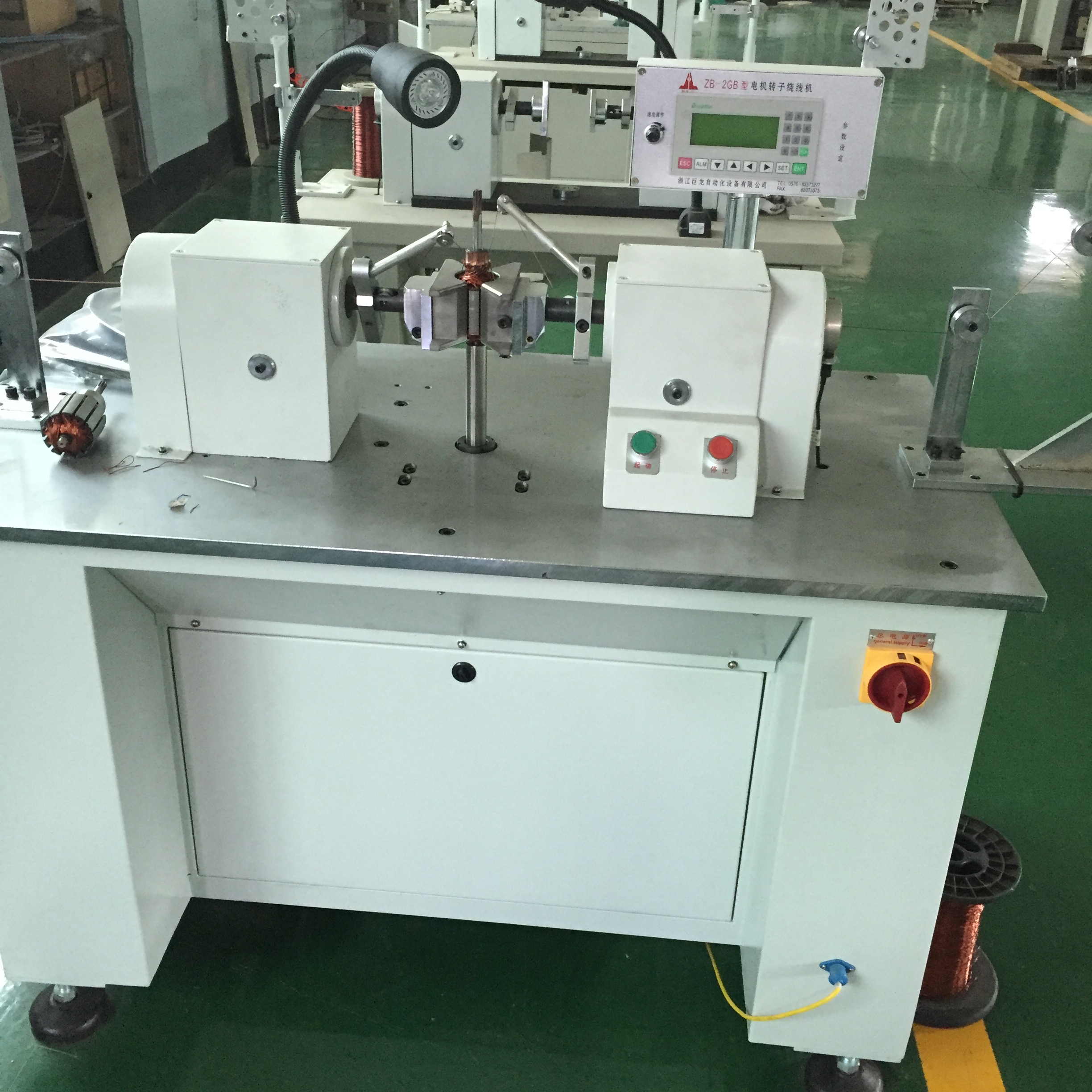
Manual handling during coil transfer frequently introduces micro-scratches into magnet wire enamel. These undetectable micro-fractures manifest as inter-turn short circuits only after motors undergo field deployment under harsh humid conditions. Modern production line integration, as realized in our fully synchronized 5 DQ-1 embedding systems, enforces uniform tension and automated wedge paper feeding to completely eliminate mechanical friction on insulation layers.
Traditional varnish dip tanks represent a major occupational and fire hazard while suffering from uneven resin penetration and excessive VOC discharge. Automated horizontal trickling machines (such as the SZD-376/63.5) pre-heat the stator via controlled electrical resistance or radiant ovens, dispensing measured droplets directly into the stator teeth. Capillary action pulls the resin throughout the slot cavity, achieving a 98%+ fill factor without coating the exterior lamination stack, drastically cutting post-cure lathing operations.
Modern factories established in the Industrial District of Abreu e Lima or Cabo de Santo Agostinho require machine architectures that stream OEE (Overall Equipment Effectiveness), fault rates, and cycle tolerances straight into supervisory SCADA networks. Our equipment leverages high-end PLCs with open Ethernet/IP and Profinet protocols, furnishing plant managers with real-time traceability down to every serialized armature.
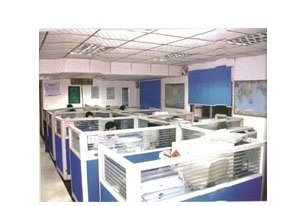
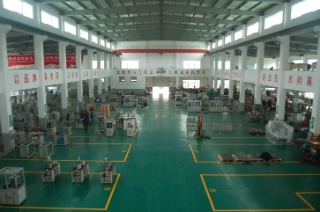
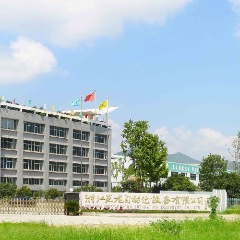
Headquartered in the Shatianyang Development Zone of Sanmen, Zhejiang Rilvo Automation Equipment Co., Ltd. has delivered precision assembly lines to motor builders across Latin America, Europe, and Asia since 1998. We control every stage of manufacturing—from raw metal casting to five-axis CNC machining, tooling fabrication, and software logic authoring.
Every customized production cell undergoes stringent sample trial runs with your exact lamination and wire batches prior to crating, accompanied by comprehensive factory acceptance testing (FAT) video audits.
Clear, direct engineering and commercial answers addressing customs, voltage standards, tooling lead times, and post-sale technical support.
Send our senior engineering team your stator/rotor CAD blueprints, wire diameter range, and target hourly output. We will deliver a customized equipment layout, cycle-time simulation, and detailed commercial proposal tailored for your Recife facility.