


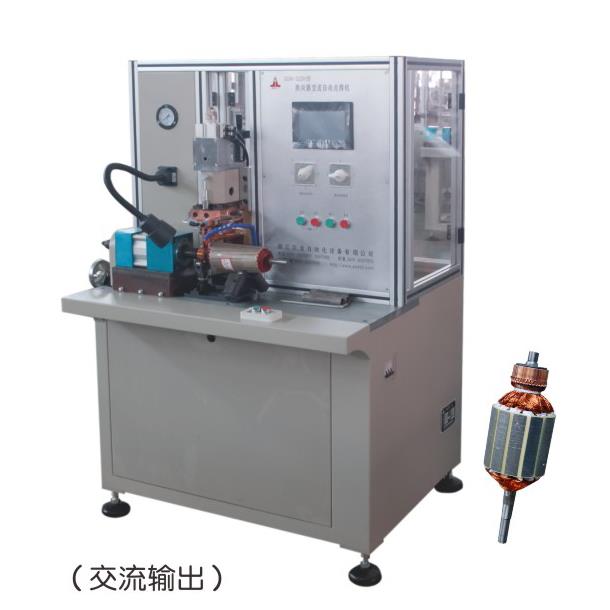
Commutator Hot-Staking
SDN-32ZH Commutator Hook Fusing Machine
- Welding PrincipleInverter Resistance Fusing
- Indexing TypePrecision Servo Rotary
- Target ComponentAutomotive Armatures
Engineered for Tier-1 and Tier-2 automotive suppliers and specialized electric machinery fabricators across Puebla, Cuautlancingo, and San José Chiapa. Field-tested machinery built for uninterrupted continuous duty.
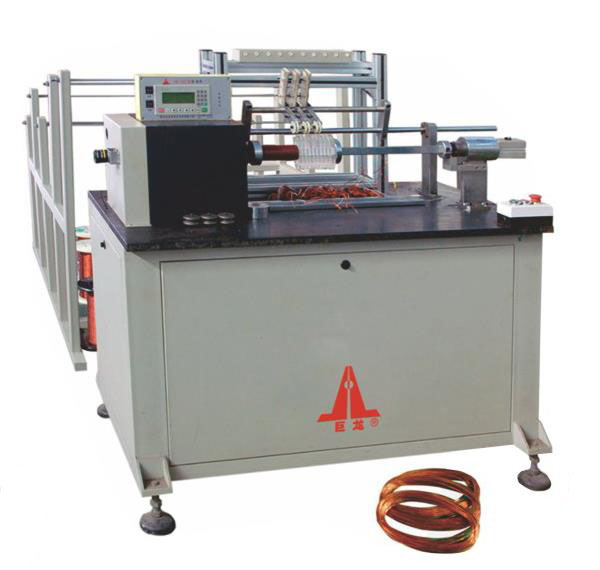
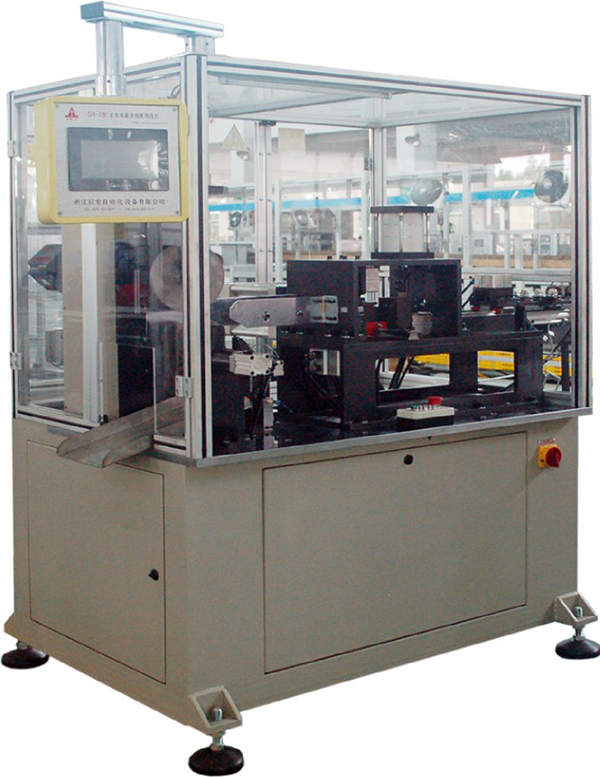
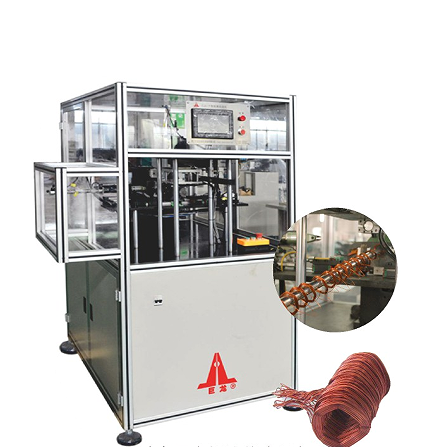
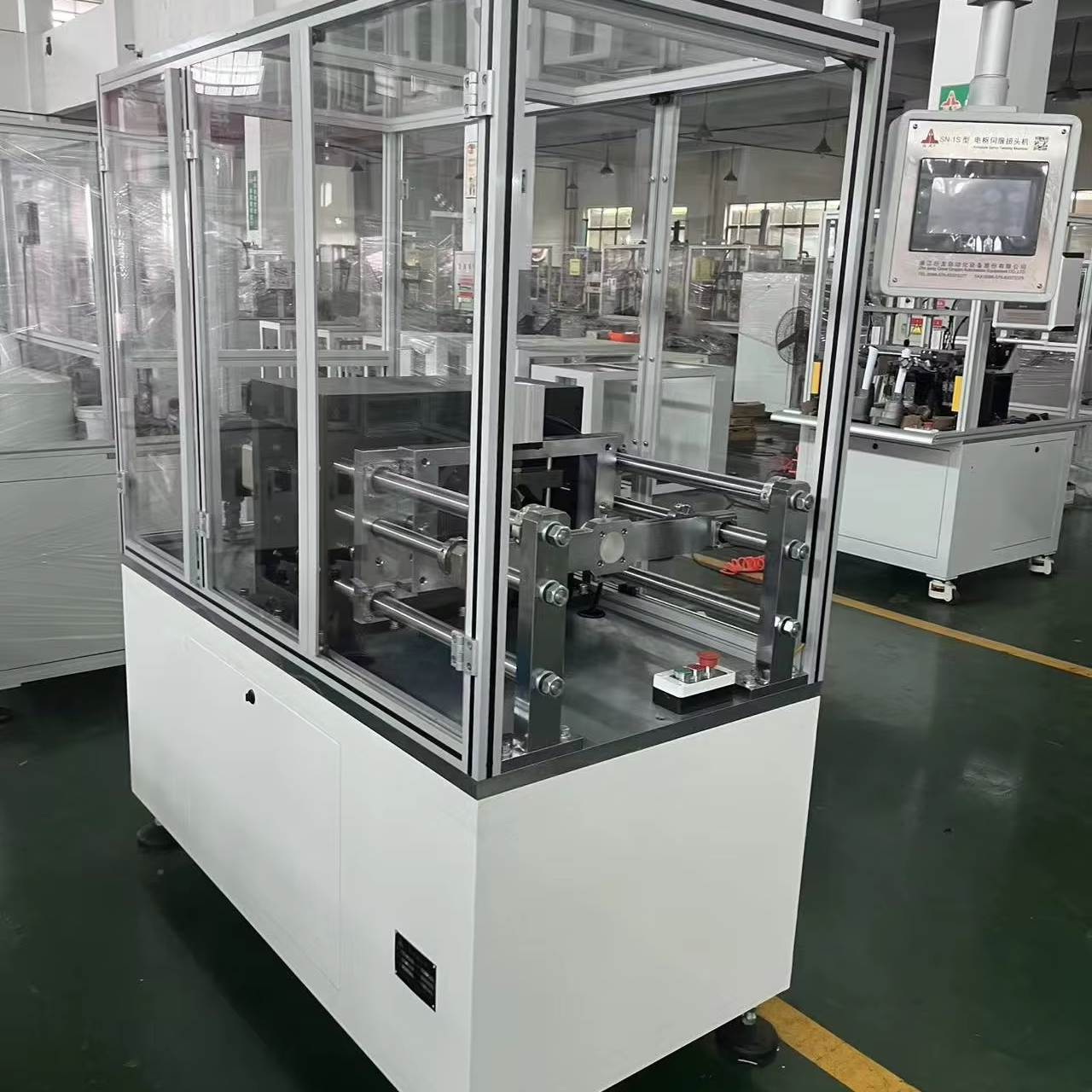
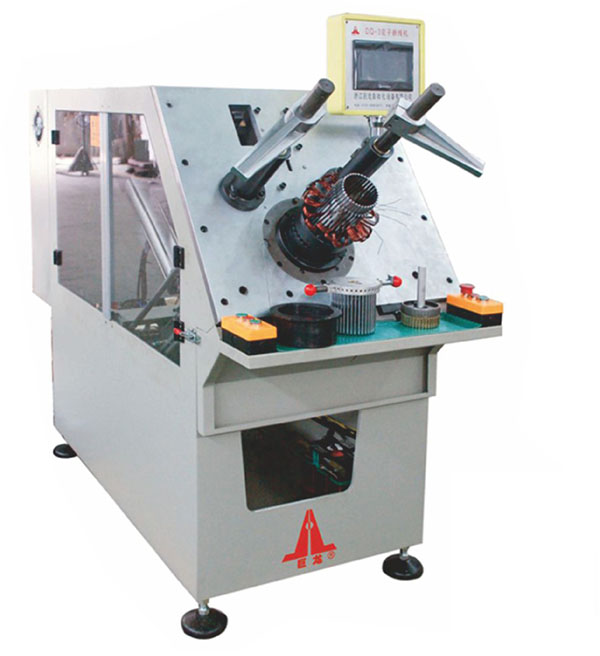
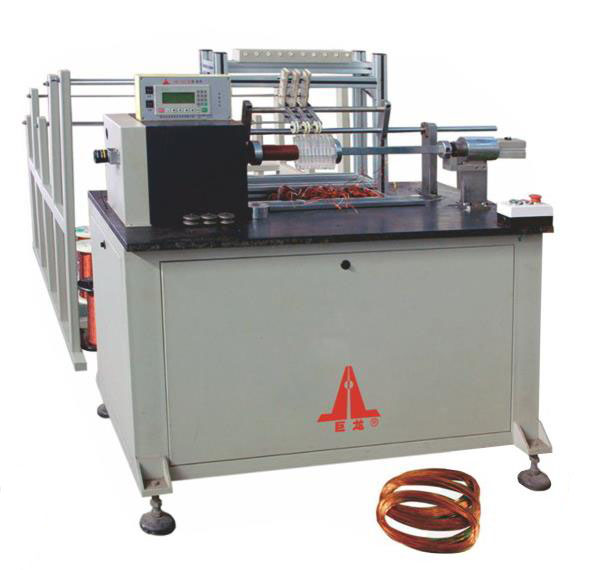
The State of Puebla represents the epicenter of automotive assembly and electromechanical component manufacturing in Central Mexico. Anchored by the historic production complex of Volkswagen de México in Cuautlancingo—one of the largest automotive assembly facilities outside Germany—and the cutting-edge Audi México smart factory in San José Chiapa, the Puebla metropolitan and industrial basin hosts over 200 Tier-1, Tier-2, and specialized sub-tier industrial suppliers. The industrial corridors along Autopista México-Puebla, Parque Industrial FINSA, Parque Industrial 2000, Huejotzingo, and the corridor extending into Tlaxcala form a high-density zone requiring uncompromising, high-volume automated manufacturing equipment.
With the enforcement of the United States-Mexico-Canada Agreement (USMCA / T-MEC), rules of origin for regional automotive value content have surged from 62.5% to 75%. This regulatory shift, paired with the worldwide nearshoring wave, has forced Tier suppliers in Puebla to eliminate outsourced imported sub-assemblies. Automotive starter motors, high-output alternators, brushless DC (BLDC) power steering motors, HVAC blowers, electronic braking actuators, and seat adjusters that were once sourced abroad must now be wound, inserted, shaped, and validated locally within Puebla's manufacturing facilities.
To meet strict German and North American automotive OEM quality thresholds (VDA 6.3, IATF 16949), plants across Puebla cannot rely on legacy manual winding benches or low-precision machinery. Winding tension fluctuations cause micro-scratches on enamel insulation, creating inter-turn partial discharge or premature dielectric breakdown. Zhejiang Rilvo Automation Equipment Co., Ltd. provides localized engineering delivery, delivering automated armature winding machines, hairpin flat-wire forming modules, wedge paper inserters, and inverter resistance hot-staking welders designed explicitly for 24/7 industrial production lines in Mexico.
Engineered for direct deployment inside Puebla's cleanrooms, Tier-1 harness plants, starter-alternator refurbishing facilities, and modern EV sub-assembly centers.
Heavy-duty starter armatures fabricated for passenger and commercial vehicle platforms assembled in Cuautlancingo. Our SN-1S automatic end-twisting and SDN-32ZH fusing machines deliver tight copper connection tolerances, consistent hook-welding resistance, and uniform lead loops under 45-second overall tact times.
12V and 48V mild-hybrid alternator stators running wave-wound coils or flat wire assemblies. Models such as the DQ-2 and 4-BL-1 handle slot insulation insertion, precise wave coil formation, and coil embedding with zero enamel stripping, minimizing open-circuit and grounding faults during downstream vacuum trickle impregnation.
Compact, high-torque Brushless DC stators powering steer-by-wire, electric coolant pumps, and active battery thermal management valves. Segmented tooth needle winding and automated magnet bar insertion machines guarantee tight slot fill factors exceeding 78% for peak electromagnetic efficiency.
Three-phase squirrel-cage induction motors serving Puebla’s chemical, food processing, and textile manufacturing plants in San Jerónimo Caleras. The XB-1GZ and DB-5C models handle heavy magnet wire bundles across deep-slot laminations with automatic paper cuffs and mechanical slot wedging.
Supporting municipal e-mobility initiatives and industrial fleet conversions across Central Mexico. Flat-wire hairpin bending systems (CJL-7) allow compact winding geometry, maximum thermal dissipation, and structural rigidity against high rotational centrifugal forces in heavy EV drive duty cycles.
Window lift motors, sunroof actuators, electronic latch motors, and wiper linkages. High-speed multi-spindle flyers achieve continuous winding cycles under 12 seconds per core, integrating automated terminal hook indexing, hot-staking, and dynamic runout testing on single indexed cell islands.
Every machine manufactured for Puebla exports is built around Mexican industrial power distribution, NOM safety mandates, and North American pneumatic/electrical standards.
| Technical Parameter | Puebla Industrial Standard | Rilvo Machine Configuration | Impact on Factory Floor |
|---|---|---|---|
| Main Power Supply | 440V / 220V AC ±10%, 3-Phase, 60Hz | Multi-tap industrial isolation transformers integrated in chassis | Eliminates harmonic overheating, zero need for external step-up boxes |
| Electrical Safety Code | NOM-001-SEDE-2012 / NFPA 79 | Dual-channel safety circuits, IP54 enclosures, Schneider/Omron switchgear | Immediate plant safety compliance approval during local fire/industrial audits |
| Pneumatic Supply Baseline | 0.5 – 0.7 MPa clean, dry shop air | Festo or SMC proportional regulators, dual particulate water filters | Prevents valve sticking caused by ambient humidity variations in Valley of Puebla |
| Control Architecture | Bilingual EN/ES HMI, PLC open bus | Delta / Inovance / Siemens PLC platforms with PROFINET/EtherNet/IP options | Enables maintenance technicians to diagnose faults without translation delays |
| Logistics Route | Veracruz Maritime Hub / Puebla Customs | Export sea-crating (ISPM 15 heat-treated), moisture barrier VCI foil bag | Only 2.5 hours transit from Port of Veracruz over toll corridor 150D |
1. Shift from Round Magnet Wire to Hairpin Flat Wire: With the automotive industry transition toward hybrid (HEV) and battery electric vehicles (BEV), OEMs in Puebla demand stators with dramatically lower copper losses ($I^2R$) and superior slot space utilization. Hairpin flat wire increases the copper fill factor from approximately 42% (traditional round wire insertion) up to 75%–80%. The Puebla market is experiencing rapid conversion of conventional lines to flat-wire shaping, 3D hairpin bending, and CNC end-stripping machinery like our CJL-7 series.
2. Stringent Energy Efficiency Mandates (NOM-014-ENER / NOM-016-ENER): Mexico's federal energy commission (CONUEE) continuously tightens minimum efficiency performance standards for single-phase and three-phase electric induction motors. Achieving IE3 and IE4 efficiency requires tighter slot packing, precision tensioning to eliminate slack loops, and automated wedge insertion that prevents core lamination burrs. Our servo-driven coil embedding systems (such as the DQ-2) ensure zero mechanical deformation of lamination teeth during the insertion stroke.
3. Data Traceability and Industry 4.0 Integration: Automotive customers delivering to European and US assembly plants require unit-level batch traceability. Modern installations in Puebla require motor winding and fusing equipment to log cycle-by-cycle metrics: winding tension profiles, commutator fusing voltage/current curves, hot-staking displacement depths, and high-pot dielectric test records. Rilvo machines integrate standard EtherNet/IP and OPC-UA data interfaces, allowing direct upload to factory Manufacturing Execution Systems (MES) and SAP systems.
Over 27 years of dedicated motor automation excellence, combining internal component machining, advanced electrical design, and deep export engineering acumen.
Located in the Shatianyang Development Zone of Sanmen, Zhejiang, our industrial campus houses heavy CNC machining centers, automated wire EDM, heat-treatment facilities, and assembly lines. We do not subcontract core spindles, indexing tables, or flyer assemblies, ensuring total control over mechanical concentricity and tolerances.
Led by our President and Chief Engineer—honored as a national knowledge-worker model by the All-China Federation of Trade Unions—our 36-member engineering bureau focuses exclusively on electromechanical innovation. We hold 17 national invention and utility patents covering servo tensioning, multi-axis hook twisting, and high-frequency commutator fusing.
Every single machine undergoes full-load qualification using the customer's actual stator laminations, rotor shafts, and magnet wire specifications. Before shipping to Veracruz or Manzanillo, we deliver documented video trial runs, 100-cycle tact-time verifications, and insulation resistance logs for engineering sign-off.
Direct technical and commercial answers for plant managers, purchasing directors, and automation engineers across Puebla and Central Mexico.
Industrial equipment destined for Puebla is typically shipped from Ningbo or Shanghai Port via direct ocean container to the Port of Veracruz. Due to Puebla's prime geographic position along Highway 150D, transit from Veracruz customs clearance to your factory dock in FINSA, Cuautlancingo, or Huejotzingo takes under 3 hours by bonded carrier. We handle all export packaging, sea-worthy fumigated wood crating, anti-corrosion barrier packing, and provide complete documentation (commercial invoice, packing list, certificate of origin) for your Mexican customs broker (Agente Aduanal).
Yes. While domestic Chinese plants operate on 380V 50Hz, our export division configures every machine built for the Puebla market with transformers, servo drives, inverter welding power sources, and cooling blower motors wound and certified for 440V / 480V or 220V 3-phase, 60Hz operation. Voltage tolerances are engineered for ±10% grid fluctuations common in industrial parks during peak hours.
Custom tooling is standard across 90% of our orders. By providing your 2D/3D part drawings (.DWG, .STP) detailing outer diameter (OD), inner diameter (ID), stack height, slot dimensions, wire gauge (AWG or mm), and winding diagram, our 36-member R&D engineering division custom-machines the winding flyers, wire guides, inserter fingers, slot wedges, and hot-staking fusing electrodes. Tooling changeover kits are also available for multi-model assembly lines.
Prior to dispatch, each machine must pass continuous dry and sample test runs using the client's material, recorded on multi-angle video with full data logs. Upon arrival in Puebla, we support your engineering staff through comprehensive English/Spanish digital documentation, schematics, and interactive remote commissioning via video conference. For turnkey cells or multi-machine lines, our field service engineers travel on-site to assist with mechanical placement, wiring verification, PLC parameter tuning, and operator training.
High-wear components—including tungsten fusing electrodes, wire guide nozzles, ceramic eyelets, inserting blades, and push-finger assemblies—are manufactured using hardened tungsten carbide and premium tool steel. Every machine order includes a comprehensive initial 1-to-2-year wear-parts backup kit. Emergency spares can be dispatched via DHL/FedEx air freight to Puebla International Airport (PBC) or Mexico City (MEX) within 4 to 6 business days.
We regularly operate under standard Incoterms including FOB (Ningbo/Shanghai), CFR, CIF (Veracruz), and EXW. Payments are processed in USD or EUR via wire transfer (T/T), with standard structures of 30% advance deposit to initiate engineering and tooling fabrication, and 70% balance settled upon satisfactory pre-shipment sample testing and video sign-off.
Whether you are planning a greenfield e-mobility sub-assembly facility in San José Chiapa, upgrading a starter-alternator line in Cuautlancingo, or retrofitting high-speed induction coil winding in FINSA, Rilvo Automation provides factory-direct engineering, customized tooling, and reliable production machinery.