Engineered for high copper-fill factors, sub-millimeter positional accuracy, and rapid tooling switchovers. Our machines cover end-to-end stator, rotor, and coil processing.
Modern electrical powertrain and industrial drive architectures demand manufacturing equipment capable of micron-level consistency. The electrical machine core—composed of thin, silicon steel laminations with non-conductive interlaminar insulation—serves as the magnetic backbone for starter motors, automotive alternators, hermetic compressor pumps, and brushless DC (BLDC) motors. Zhejiang Rilvo Automation Equipment Co., Ltd. has delivered precision-engineered winding, slot insulation inserting, wire forming, and trickle impregnation machinery since 1998. Supplying the manufacturing hub of San Ignacio, our equipment solves common industrial bottlenecks including slot fill factor limitations, insulation degradation caused by high pneumatic friction, and asymmetrical copper wire tensioning.
Industrial insight: The integrity of stator manufacturing relies heavily on tension dynamics. Over-tensioning during continuous fly-fork winding causes cross-sectional thinning and dielectric coating micro-fracturing, while under-tensioning leads to flared coil heads that clash with motor housings.
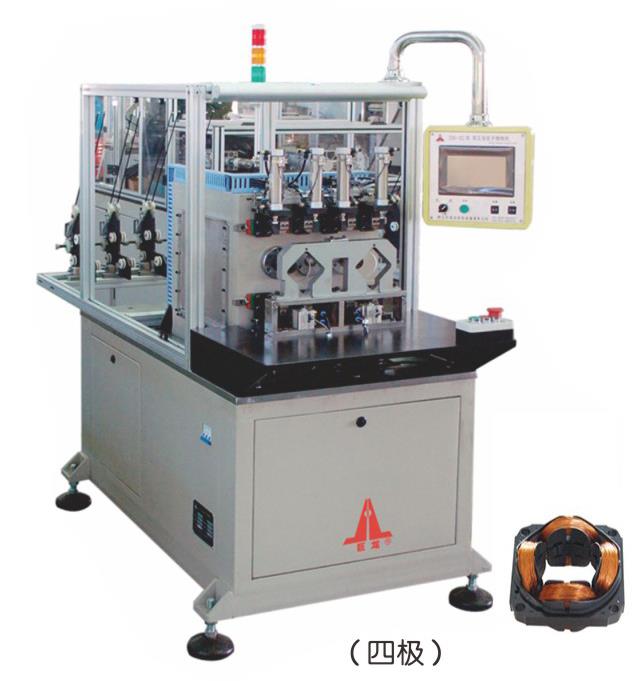
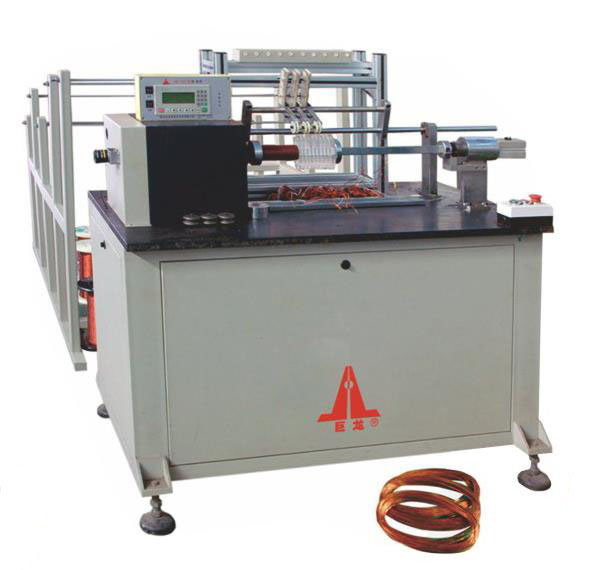
By implementing closed-loop multi-axis servo systems on models such as the DB-5C, XB-1GZ, and ZB-303, our systems guarantee constant wire-tension management across acceleration and deceleration curves. This eliminates the risk of phase-to-phase breakdown and partial discharge in low- and medium-voltage electric machinery.
Combining simultaneous slot wedge placement with servo-driven pushers achieves slot fill rates exceeding 78%, dramatically lowering internal copper losses (I²R) and increasing continuous torque density.
Polished tungsten-carbide winding nozzles, ceramic eyelets, and non-friction guide plates maintain enamel coating thickness, preserving inter-turn resistance across high-speed lamination winding.
Modular quick-change stator fixtures and fully programmable indexing units reduce changeover intervals between different stack heights, core diameters, and slot counts to less than 20 minutes.
As the industrial sector around San Ignacio expands its footprint across commercial vehicle fleet maintenance, heavy agricultural pumping infrastructure, light electric transport, and off-grid renewable power systems, the demand for localized motor manufacturing, refurbishment, and rewinding has grown substantially. Historically, regional facilities relied heavily on manual insertion techniques or completely imported replacement assemblies. This model resulted in costly logistics lead times, inconsistent quality from manual wedge handling, and severe downtime when industrial electric drives experienced phase failures in harsh regional operating environments.
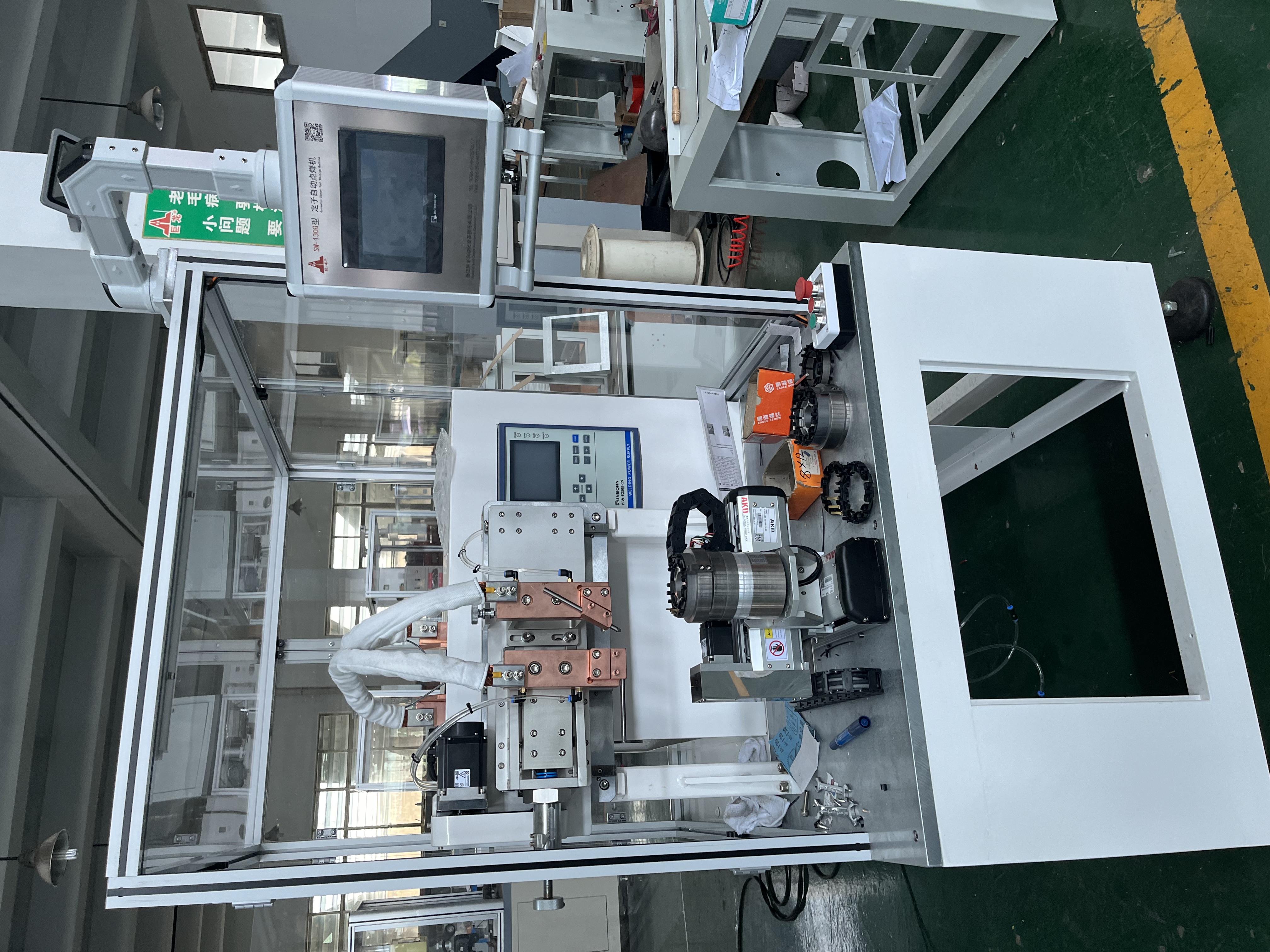
San Ignacio's logistical corridors increasingly incorporate localized light electric transport, urban utility three-wheelers, and electric delivery cycles. These drivetrains rely primarily on high-pole-count Brushless DC (BLDC) hub motors and permanent magnet synchronous motors (PMSM). Assembling hub motors requires high-torque tooth-winding architectures. Our SW-130G Brushless Motor Stator Welding Machine alongside the CT-40 Magnet Bar Automatic Insertion line enables regional San Ignacio assemblers to produce dense BLDC stators and dynamic rotors in-house. These setups support everything from magnetic bar insertion to ultrasonic wire bonding, drastically reducing supply chain friction.
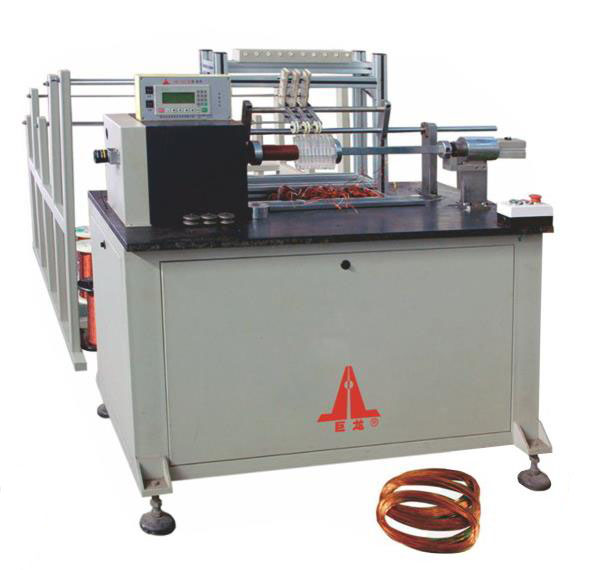
Pumping stations and local irrigation infrastructure operating across the San Ignacio terrain require continuous-duty, three-phase squirrel-cage induction motors capable of withstanding heavy line-voltage fluctuations and high ambient humidity. The XB-1GZ Induction Motor Stator Coil Winding Machine provides San Ignacio remanufacturers with flexible winding configurations that accommodate round copper wire profiles across deep-slot laminations. When paired with our automated slot-insulation inserting equipment and the DQ-226/100 Horizontal Trickle Impregnation Machine, windings are completely coated with high-grade insulating resins, preventing air pockets and moisture intrusion.
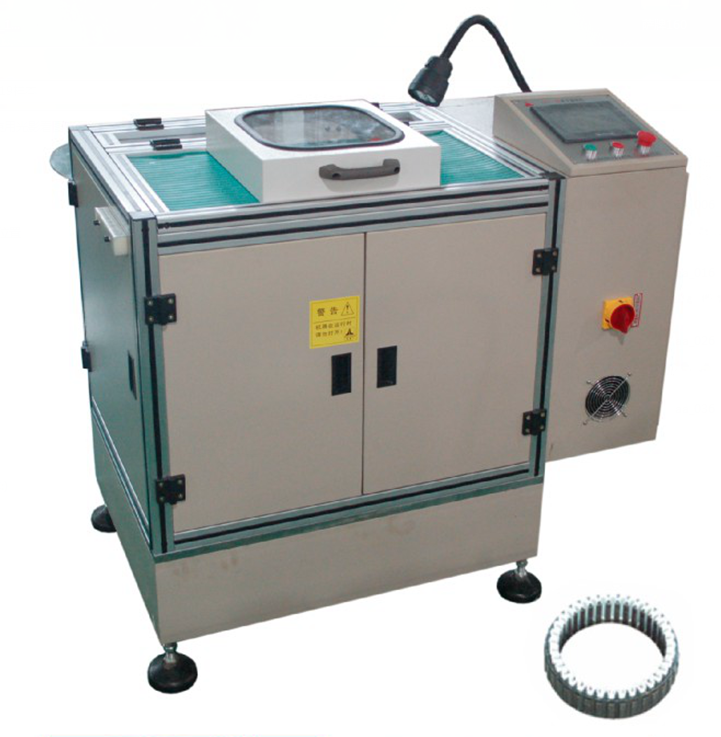
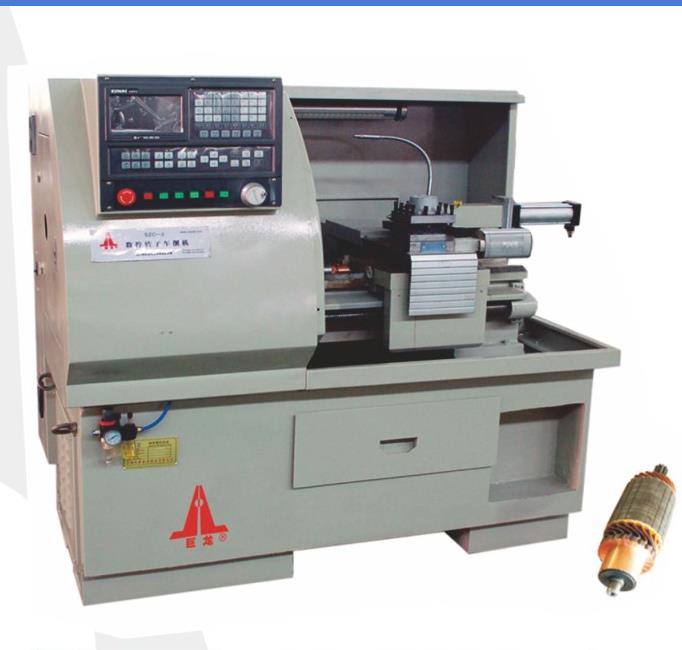
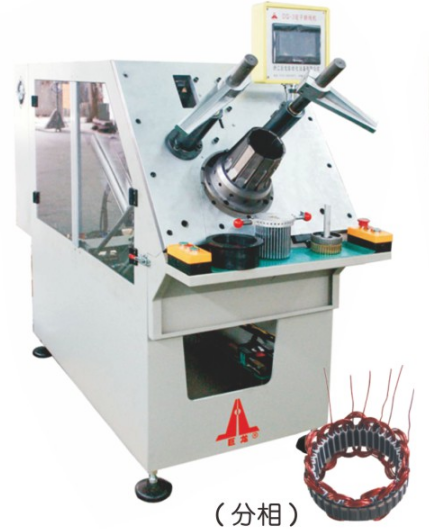
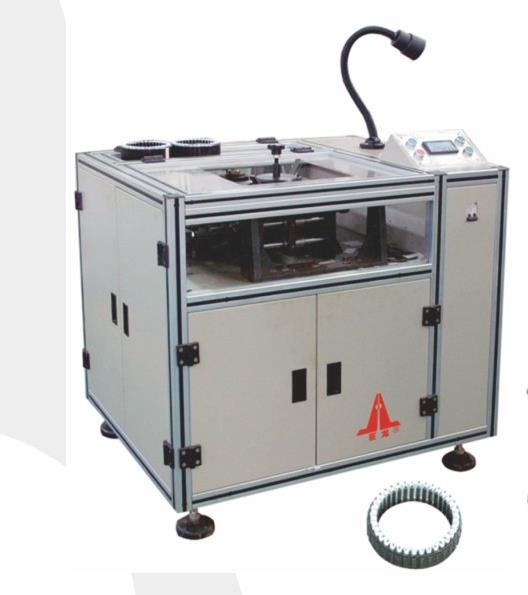
Automotive starters and heavy commercial alternators face intense thermal-cycling conditions. Deploying automated manufacturing solutions such as the DFC-1 Automatic Alternator Stator Equipment guarantees that DMD, Nomex, or composite insulation paper is folded, shaped, and sheared to exact tolerances before insertion into skewed lamination slots. This eliminates mechanical tearing or premature insulation breakdown during copper insertion, supporting tier-1 replacement standards right inside local San Ignacio assembly facilities.
The manufacturing and motor assembly sector in San Ignacio is mirroring global industrial shifts by transitioning from low-efficiency standard motors (IE1 and IE2) toward ultra-efficient IE3 and IE4 standards. Meeting these efficiency metrics requires significantly more copper inside each stator slot without compromising safety clearances. Manufacturers can no longer depend on traditional manual insertion methods, which risk gouging the magnet wire's polyester-imide outer insulation.
Key technological transformations taking place across regional production facilities include:
To assist operations directors, manufacturing engineers, and procurement managers in San Ignacio when sizing and configuring automated winding and inserting machinery, our technical team has addressed the most critical sourcing considerations below.
Combining over 25 years of specialized mechanical R&D, certified quality control, and integrated machining facilities to deliver turnkey automation across the globe.
Full in-house CNC machining, laser cutting, casting processing, and assembly workshops located in Sanmen, Zhejiang, ensuring total quality oversight.
Continuous innovation in high-speed stator coil insertion, wave-winding mechanics, flat-wire forming, and automated commutator welding technology.
Stringent multi-stage quality assurance systems covering raw material verification, assembly validation, and continuous dynamic trial runs.
A specialized team of 36 mechanical, electrical, and optical engineers ready to customize tooling directly to your CAD drawings and production cycles.
Send your stator lamination drawings, stack heights, wire gauges, and target hourly volume to our engineering desk. We will provide a complete process proposal, tooling assessment, and equipment quotation.
Send an Inquiry