


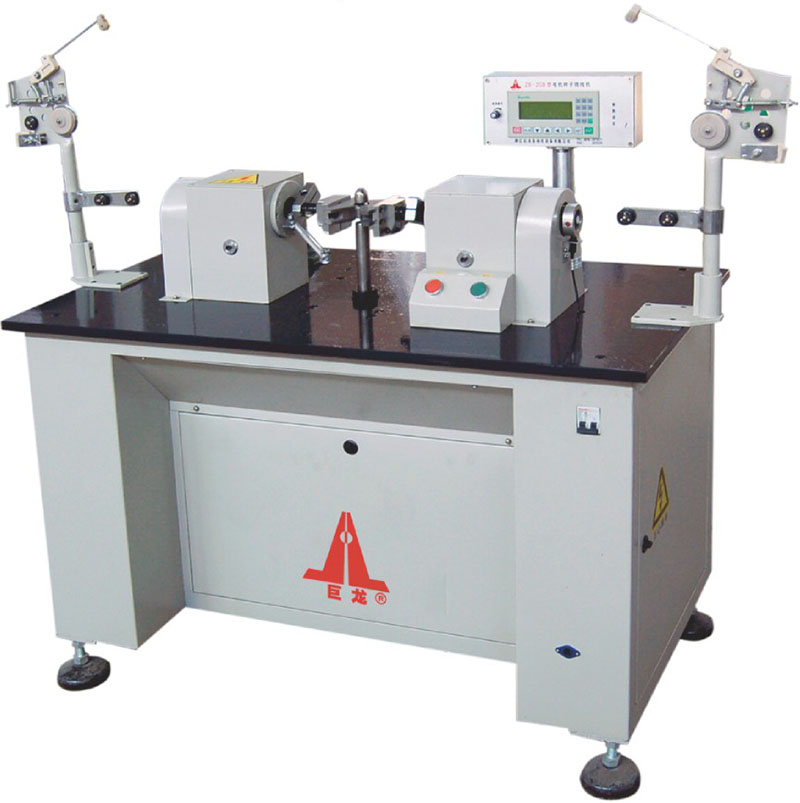
Explore our heavy-duty insulation, winding, and fabrication machinery designed to endure severe tropical conditions while maximizing core stack precision and assembly yield.
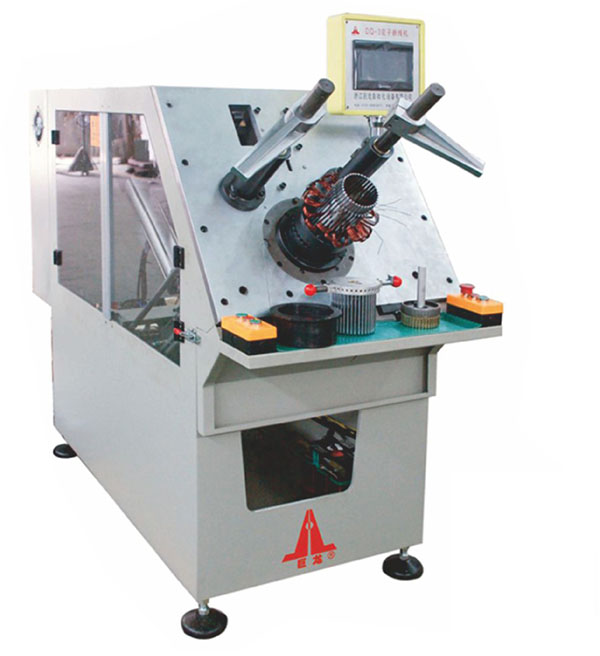
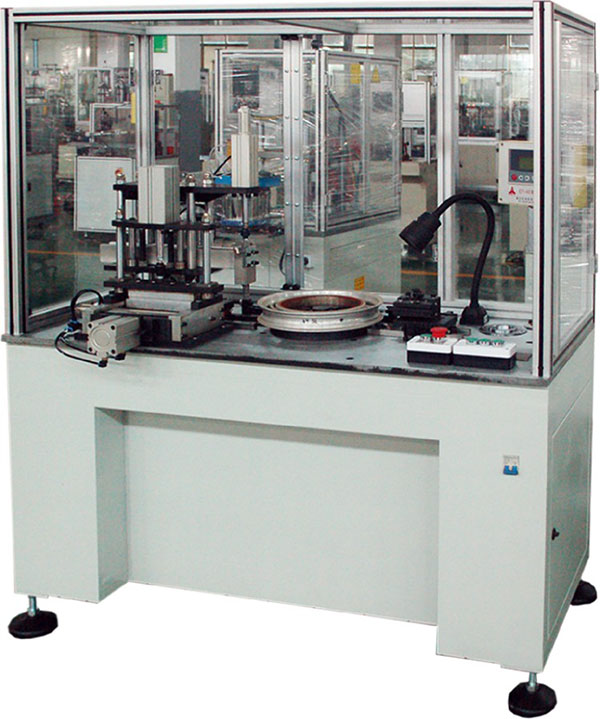
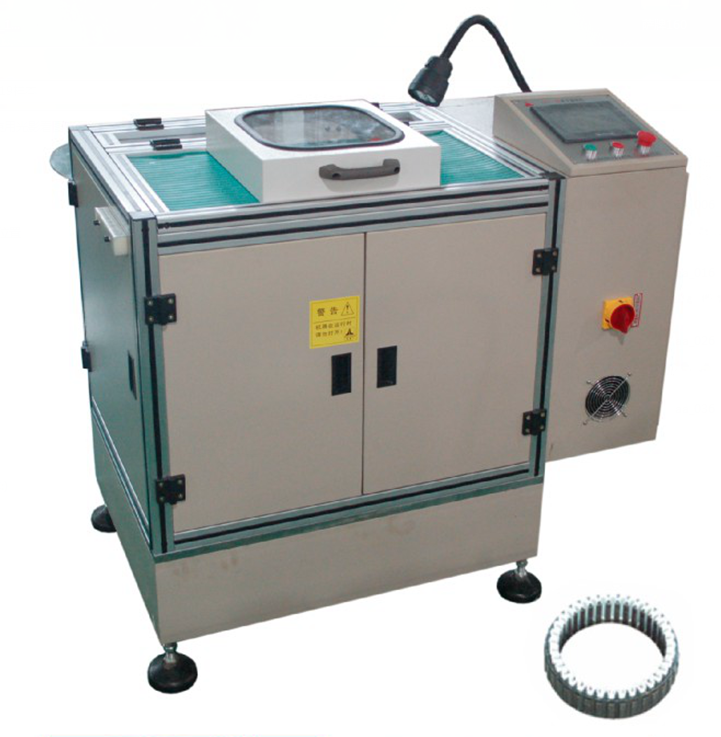
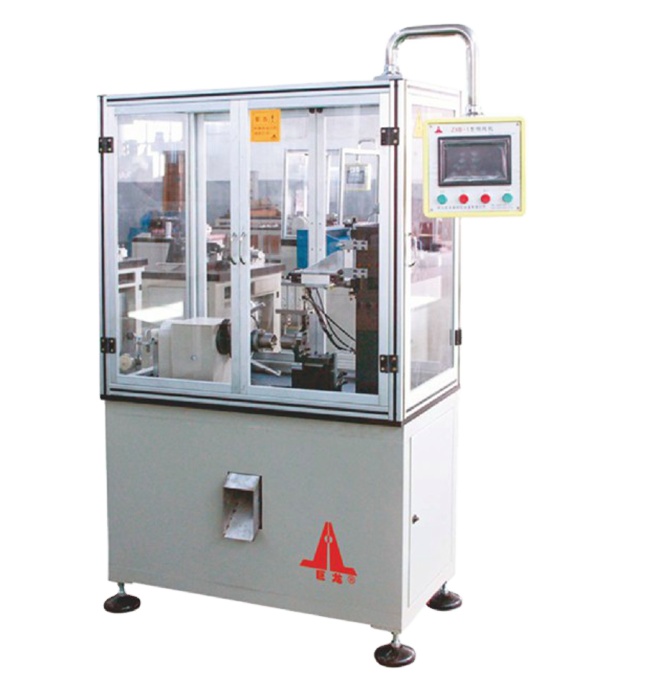
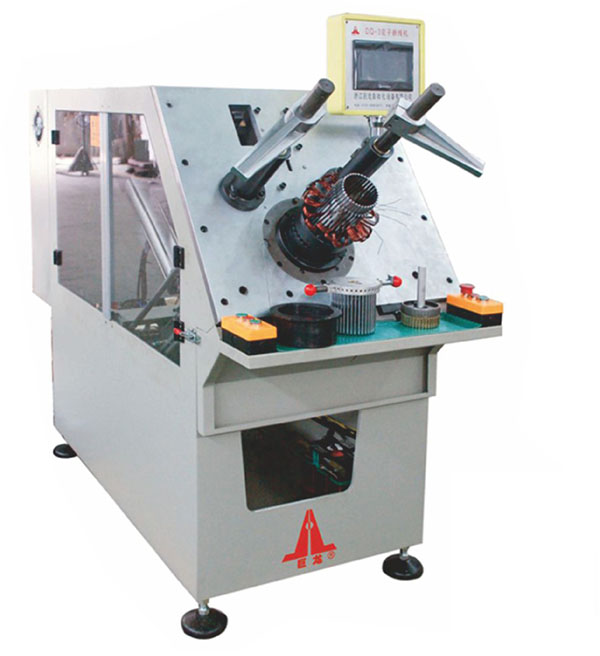
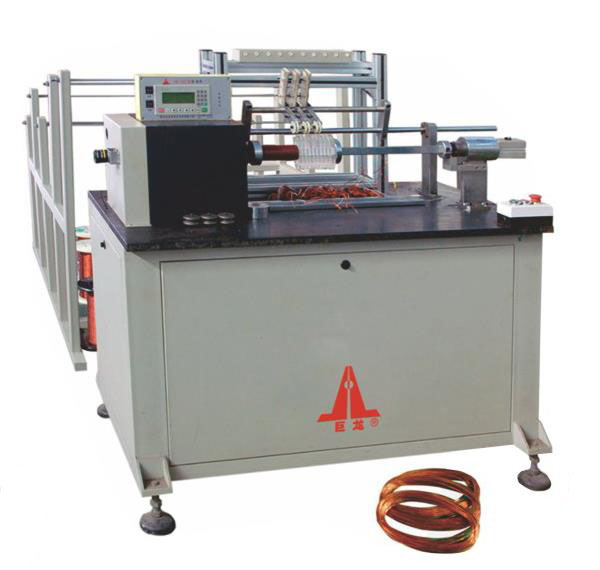
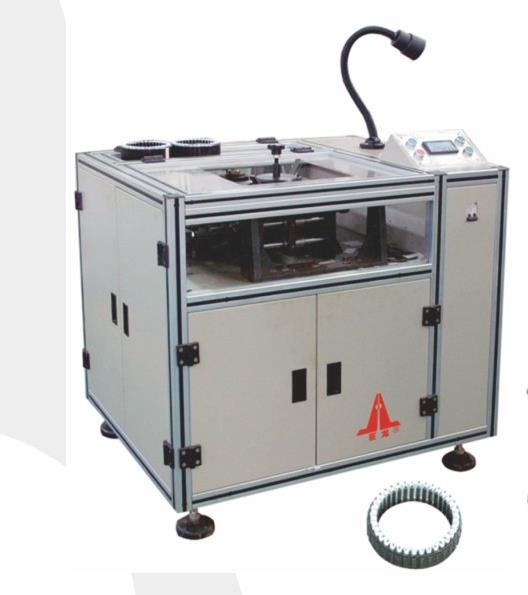
In modern electro-mechanical armature fabrication, slot cell insulation serves as the frontline physical and dielectric barrier separating magnetic electrical steel laminations from magnet copper wire conductors. In high-torque starter motors, power tools, marine winches, and industrial brush/brushless rotor armatures, insulation vulnerability directly dictates breakdown thresholds, partial discharge risks, and operational motor lifespan. Zhejiang Rilvo Automation Equipment Co., Ltd. builds specialized OEM/ODM armature paper inserting machines engineered to handle the rigorous kinematics of multi-slot feeding, edge cuffing, cold forming, precise cut-to-length shearing, and high-speed servo-guided axial placement into armature stacks.
Operating across tight cycle tolerances, our armature paper inserting machinery resolves common assembly defects encountered in high-speed rotary equipment, such as uneven paper margins, cuff tearing, laminate dragging, and friction-induced micro-punctures. By utilizing hardened high-chromium tungsten steel tooling (HRC 60-62) combined with micro-step servo indexing spindles, our platforms guarantee concentric insertion repeatability within ±0.03 mm. The mechanical sequence feeds roll-based composite insulation material (e.g., DMD, NMN, Nomex, or polyester film) through dual tension balancing rollers, accurately shapes symmetrical cuffs to protect coil leads against peripheral friction, and embeds each insulation cell with high-speed insertion pushers without marring lamination tooth edges.
| Technical Parameters | Standard Configuration | Heavy-Duty Industrial / Maritime Range | Engineering Tolerance |
|---|---|---|---|
| Rotor Lamination Stack Diameter (O.D.) | Ø 18 mm – Ø 95 mm | Ø 40 mm – Ø 160 mm | ± 0.05 mm |
| Core Stack Length Capacity | 15 mm – 120 mm | 30 mm – 260 mm | ± 0.1 mm |
| Insulation Material Adaptability | DMD, NMN, Nomex, PET Film (0.12 - 0.35 mm) | High-temp Aramid, Polyimide, Heavy Composite (up to 0.50 mm) | Edge Creasing Precision < 0.02 mm |
| Feed & Indexing Drive Architecture | Dual-Axis Delta / Panasonic High-Speed Servo | Multi-Axis Synchronized Absolute Servo Network | Dynamic Angle Control ±0.02° |
| Insulation Insertion Velocity | 0.35 – 0.65 seconds per slot (continuous) | 0.5 – 0.85 seconds per slot (heavy thickness) | Zero missed slot detection |
| Slot Compatibility Formats | Straight Slots, Skewed Slots (up to 45°) | Asymmetrical rotor slots, Closed/Semi-closed | Rotational auto-compensation |
As the principal commercial gateway, transshipment powerhouse, and naval corridor of Eastern Indonesia, the metropolitan port city of Makassar (Sulawesi Selatan) occupies a central economic position spanning the Makassar Strait. The local industrial matrix is undergoing rapid modernization driven by deep-water maritime logistics around the Port of Makassar (Pelabuhan Soekarno-Hatta), nickel and agro-processing corridors, and expanding maritime trade routes across Maluku, Papua, and Kalimantan. Deploying high-durability armature paper inserting automation directly addresses severe local manufacturing hurdles:
Auxiliary marine winches, deck bilge pump motors, port gantry cranes, and vessel starter motors operating around Pelindo regional terminals require extreme dielectric resilience to survive relentless coastal salinity, tropical high relative humidity (RH > 85%), and thermal shock cycles.
The extensive South Sulawesi agricultural hinterland relies heavily on Makassar for the supply, repair, and rebuilding of motor drives used in cocoa bean processing, grain silos, palm oil sub-plants, and aquaculture aeration blowers that demand continuous 24/7 duty without slot liner puncture.
Electromechanical rewind shops across Industrial Estate Makassar (KIMA - Kawasan Industri Makassar) encounter broad armature profile variations. Our flexible tooling allows workshops to switch quickly between OEM production runs and customized repair batches without extended downtime.
Industrial modernization in Makassar is shaped by national industrialization roadmaps (Making Indonesia 4.0), clean energy programs, and the growth of commercial corridors connected by the Trans-Sulawesi Railway network. These developments impact how factory directors and sourcing managers select motor fabrication equipment:
1. Transition from Manual Labor to Repeatable Servo Automation: Escalating domestic labor wages and rising copper raw material expenses necessitate the elimination of manual slot paper lining. Manual operations consistently suffer from cuff cracking, variable slot overhangs, and coil damage during downstream winding, causing high reject rates during high-potential (Hi-Pot) testing. Automated paper insertion preserves insulation integrity and cuts scrap rates below 0.1%.
2. Adoption of High-Efficiency Standards (IE3 & IE4 Compliance): As Indonesian state enterprises and private manufacturing sectors align with strict energy regulations, slot fill factor optimization becomes critical. Rilvo's precision edge-cuffing profiles free up valuable slot interior volume, allowing automated coil insertion equipment to pack higher copper densities without scraping phase-barrier insulation.
3. Demand for Robust Power-Grid Tolerance: Voltage fluctuations and intermittent surges can challenge automated manufacturing centers in industrial zones outside primary metropolitan lines. Rilvo integrates heavy-duty transient suppression, isolated industrial PLC controls, and high-efficiency variable frequency converters to ensure steady operation on regional grid infrastructure.
Headquartered in the Shatianyang Development Zone of Sanmen, Taizhou, Zhejiang, Rilvo Automation has served global electro-mechanical manufacturing plants since 1998. Operating across a centralized 60,000 m² industrial production base with over 20,000 m² of modern workshops (and 30,000 m² actively expanding), our manufacturing integrates mechanical, electrical, and optical design under one roof. Led by an experienced executive engineering management team awarded national knowledge-worker model credentials by the All-China Federation of Trade Unions, our 36-member technical R&D team holds 17 national invention and utility model patents.
Over 150 precision machining units fabricate custom forming dies, insertion pushers, and indexing mandrels to maintain concentricity below 0.01 mm.
Strict quality oversight controls incoming metallurgy, electrical schematics, and dynamic mechanical balance across six standardized production lines.
Fast-turnaround tooling customization based on custom customer drawings, matching specific slot count, skewed slot degrees, and laminations.
Every armature paper inserter completes an uninterrupted multi-hour continuous sample test run before packing, verified via client video sign-off.
Clear, direct technical and commercial answers addressing shipping, voltage compatibility, tooling changeovers, and ongoing technical support.
Send our senior engineering team your armature blueprint drawings, stack dimensions, slot types, and required cycle times for a custom tooling review, technical proposal, and complete cost quotation.