Engineered for high-volume automotive alternators, electric two-wheeler drivetrains, universal power tools, and industrial compressor motors. Available for direct export to Bandung with custom toolsets.
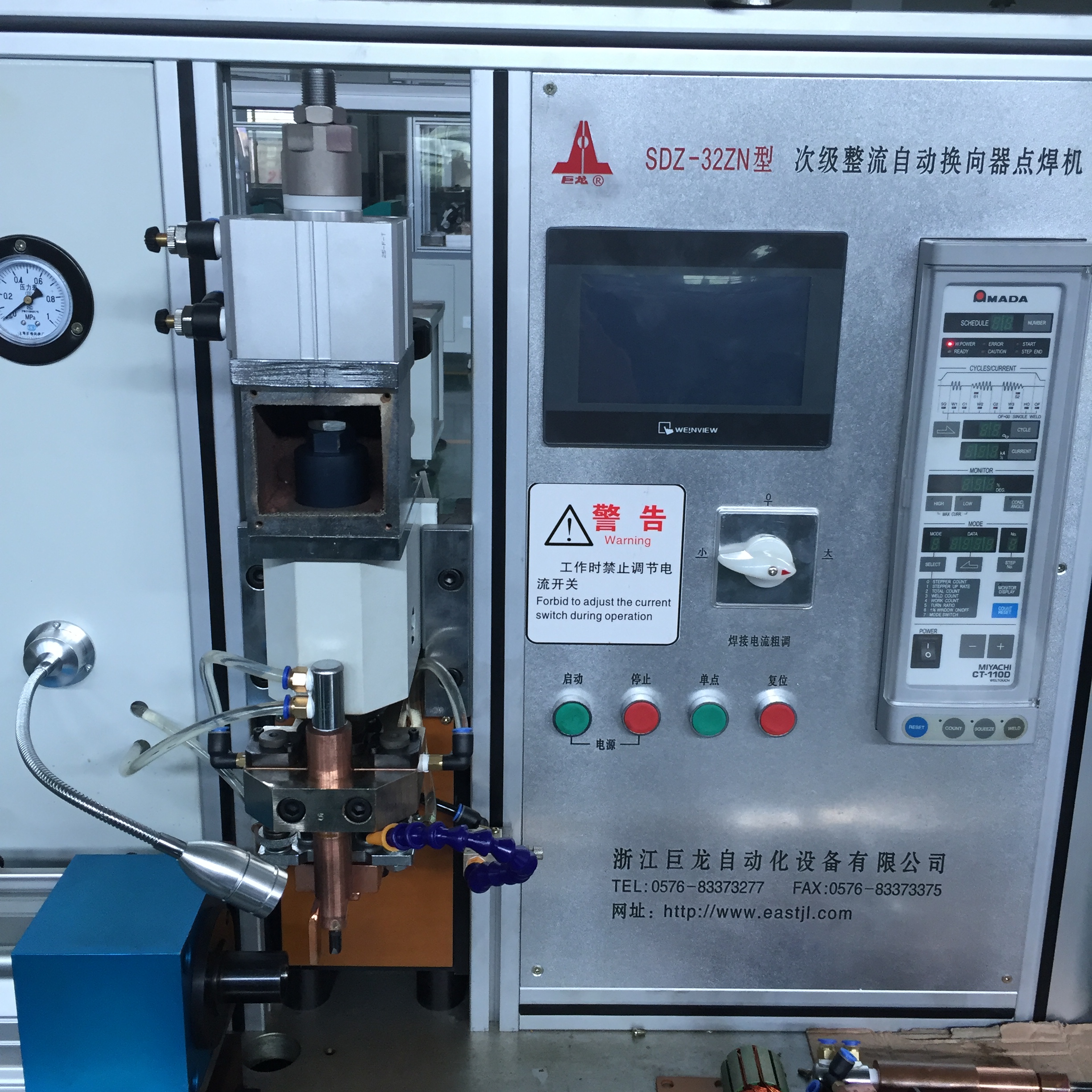
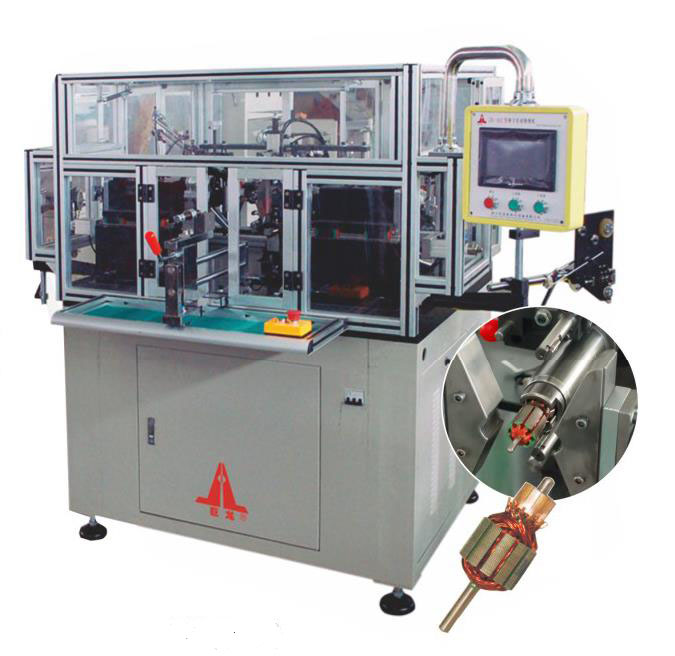
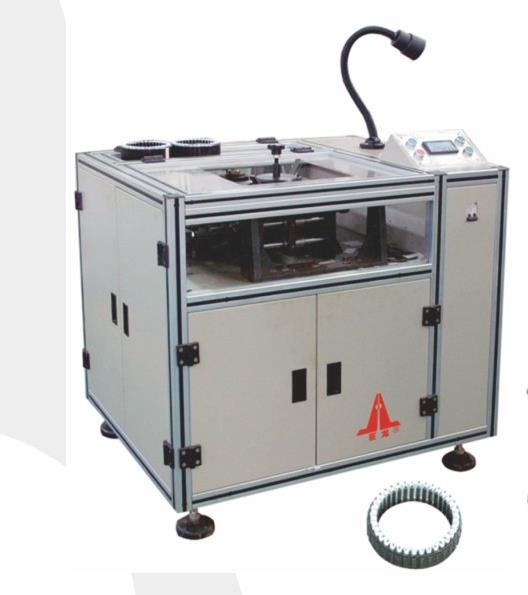
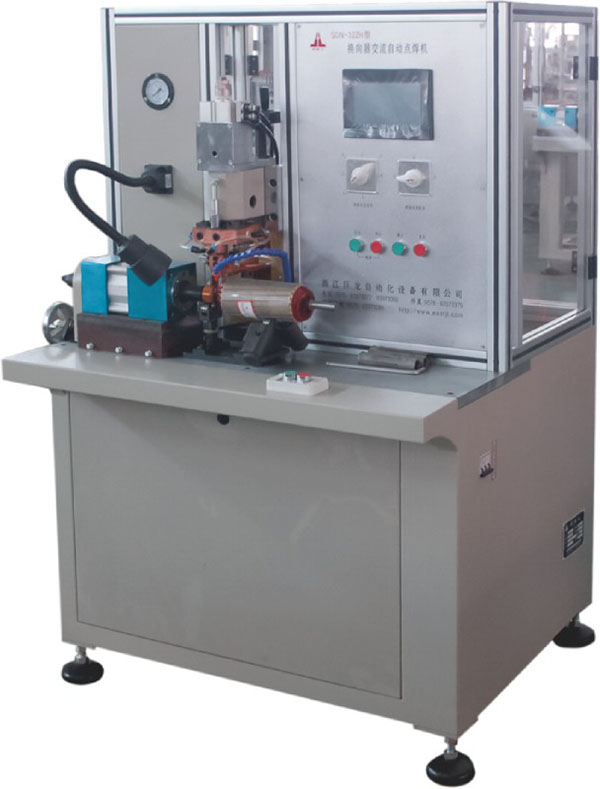
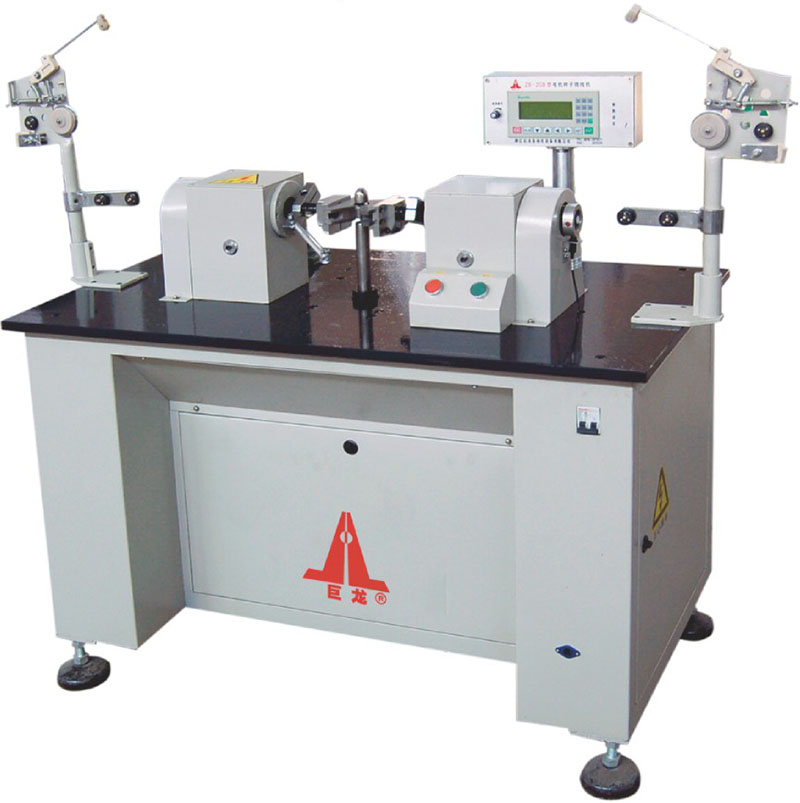
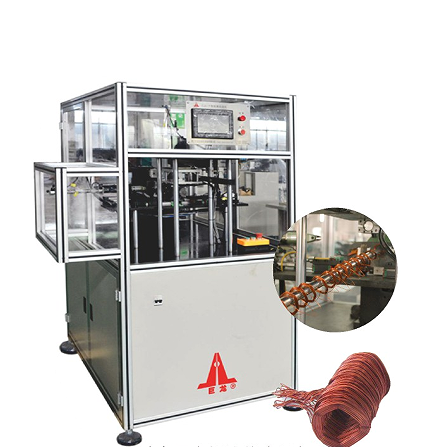
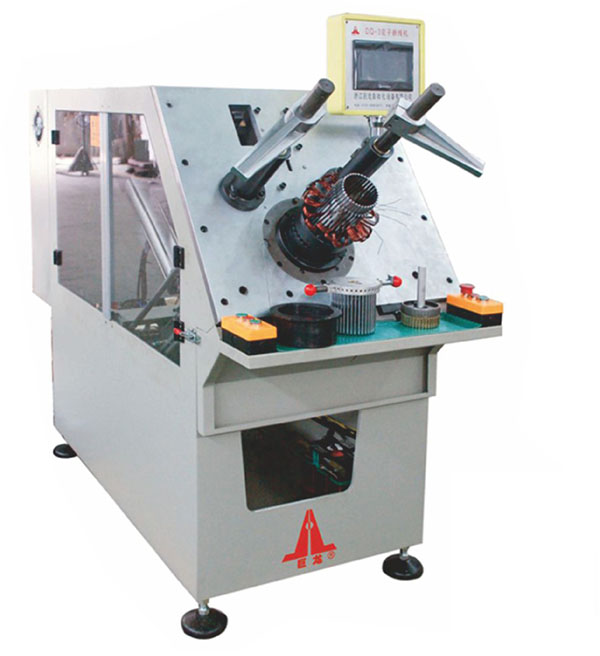
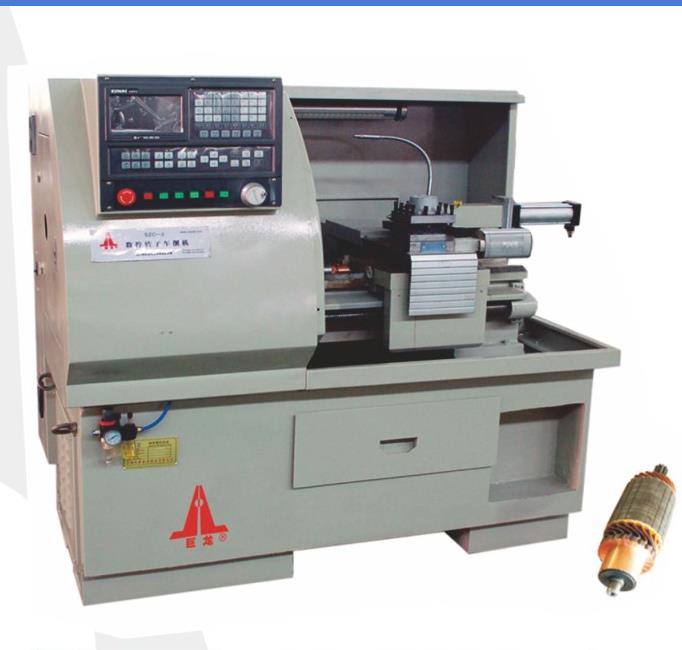
A technical guide for production engineers, plant managers, and procurement executives across the West Java manufacturing corridor (Bandung Raya, Cimahi, Padalarang, Majalaya, and Rancaekek).
The core bottleneck in motor assembly is slot fill efficiency versus wire enamel preservation. Our automated machines combine wedge paper pushing and enameled copper inserting into a synchronized servo stroke. This eliminates lamination scratch risks and guarantees slot cell integrity under high-volume factory conditions.
Tooling wear leads to bent coils and damaged laminations. We employ vacuum-quenched Cr12MoV and tungsten carbide guides rated up to HRC 60-62. This delivers ultra-high wear resistance against abrasive silicon steel core teeth and copper friction, maintaining sub-0.02 mm dimensional tolerances over 500,000 continuous cycles.
Equipped with human-machine interface (HMI) screens and programmable logic controllers (PLC), our machines allow Bandung workshops to change parameters for different slot configurations—such as 24, 36, 48, or 72 slots—within minutes. Store multiple recipe presets for rapid product changeover without teardown.
How stator coil inserting technology powers localized industrial expansion, OEM Tier-1/Tier-2 supply networks, and electrical rewind facilities throughout Bandung Raya.
With Indonesia accelerating the transition toward electric mobility under Presidential Regulation No. 55/2019, Bandung has emerged as a hub for electric vehicle (EV) component innovation and conversion facilities. Our high-torque stator inserting machines deliver reliable coil embedding for brushless DC (BLDC) hub motors and mid-drive motors, handling complex multi-strand parallel windings with zero copper crossover shorts.
Supplying Tier-1 vendors connected to the West Java-Pekalongan-Karawang automotive belt, our machines provide rapid insertion for 12V and 24V starter armatures and alternator stators. Synchronized slot paper forming prevents breakdown under severe thermal cycling and automotive road vibration, meeting rigorous Japanese and European OEM quality audits.
The Greater Bandung basin (Majalaya, Banjaran, and Cimahi) contains Indonesia's highest concentration of textile and garment processing plants. These mills rely on continuous-duty submersible pumps, fan blowers, and spinning machinery. Local rewinding and motor manufacturing plants use our inserting equipment to manufacture high-efficiency IE3 and IE4 industrial pump stators resistant to humidity and corrosive vapors.
Bandung's light industrial clusters produce high-speed universal motors for planers, angle grinders, circular saws, and household kitchen blenders. Leveraging our specialized ZB-series armature winding and DFC wedge insertion stations, local assembly plants achieve cycle times of under 18 seconds per finished assembly, significantly undercutting manual labor costs while boosting yield rates.
Evaluating the regulatory, economic, and logistical factors shaping equipment investments in Bandung's electromechanical manufacturing sector.
The Indonesian Ministry of Industry actively enforces Tingkat Komponen Dalam Negeri (TKDN) domestic component quotas, often mandating over 40% local value addition for government procurement, infrastructure projects, and state-subsidized electric motorbikes. Importers in Bandung are transitioning from importing fully assembled motors to importing bare components and raw magnet wire, executing stator inserting, slot insulation, and lathing locally to achieve necessary TKDN certifications.
Regional Minimum Wage (Upah Minimum Kota/Kabupaten - UMK) across Bandung, Cimahi, and neighboring West Java zones has grown steadily. Manual stator wire embedding is labor-intensive, ergonomically strenuous, and prone to inconsistent operator fatigue, leading to slot insulation tear defects. Automating with servo-driven inserting machines reduces assembly headcounts while delivering repeatable quality across triple-shift operations.
Under the national Making Indonesia 4.0 roadmap, electromechanical plants in West Java are modernizing outdated pneumatic workbenches with intelligent CNC systems. Digital tracking of stroke velocity, insertion resistance, and fault diagnostics enables local operators to integrate machines into cloud-managed enterprise resource planning (ERP) suites, minimizing unpredicted downtime and securing international supply contracts.
Established in 1998 in Sanmen, Zhejiang, Rilvo Automation is a recognized High and New Technology Enterprise controlling the full manufacturing chain—from casting and precision CNC milling to PLC algorithm architecture.
Over 150 machining units on a 60,000 m² campus ensure stator guides, push rods, and transfer magazines are produced internally with zero subcontractor tolerance variance.
ISO9001 certified quality management, China Compulsory Certification (3C), and 17 proprietary patents safeguard consistent machinery longevity and operational safety.
Send stator core CAD drawings, lamination stack heights, slot counts, and wire gauges; our 36-engineer R&D group formulates custom toolset packages for your line.
Seamless export logistics out of Ningbo Port to Tanjung Priok, Jakarta, or Gedebage Dry Port in Bandung, backed by complete Form E certificates for preferential customs tariffs.
Key technical, electrical, environmental, and trade questions answered for Indonesian electromechanical engineers and purchasing directors.
Standard machines are configured for PLN's 3-phase 380V ±10% frequency at 50Hz. All control electronics operate on isolated 24V DC switch-mode power supplies. We integrate high-grade surge protection and phase-sequence relays to shield sensitive servo controllers from regional voltage spikes and rolling industrial brownouts common across West Java.
Bandung's high ambient humidity (frequently 75%–90%) can cause DMD, Nomex, or polyester insulation films to soften or absorb surface moisture, leading to paper feeding jams. Our machines feature adjustable pre-forming heaters and dual-edge cuffing mechanisms that stabilize the wedge shape before it enters the core slot, completely preventing tearing or accordion buckling.
We supply complete export documentation, including Commercial Invoice, Packing List, Bill of Lading, and the ASEAN-China Free Trade Area Preferential Tariff Certificate (Form E). Form E enables Indonesian importers to secure substantial duty reductions or 0% tariff rates under applicable HS Code classifications (such as 8479.81 / 8479.89).
Yes. Our stator inserting systems utilize modular tooling. Changing stack height requires adjusting the digital stroke depth in the touch screen and swapping the spacer shims, taking less than 15 minutes. Switching between different stator diameters or slot configurations involves replacing the push blade assembly, wedge magazine, and center guide fingers.
Before dispatch from our Sanmen factory, clients can send samples of their actual stator laminations, slot insulation paper, and enameled copper wire. We run continuous high-speed trials under production parameters, filming multi-angle 4K test run videos, measuring slot fill factor, and testing withstand voltage (dielectric test) to verify zero enamel damage.
All machines include English-language HMI interfaces, standardized schematics, and comprehensive wear-part lists. We provide remote video diagnostic support via instant messaging platforms. Additionally, our field service engineers are available for on-site commissioning, electrical integration, and local technician training throughout manufacturing clusters across West Java.
Send our senior engineering team your stator lamination drawings, stack heights, slot fill specifications, and target output volumes. We will engineer a custom machine layout, calculate cycle times, and prepare an export quotation for your facility.


