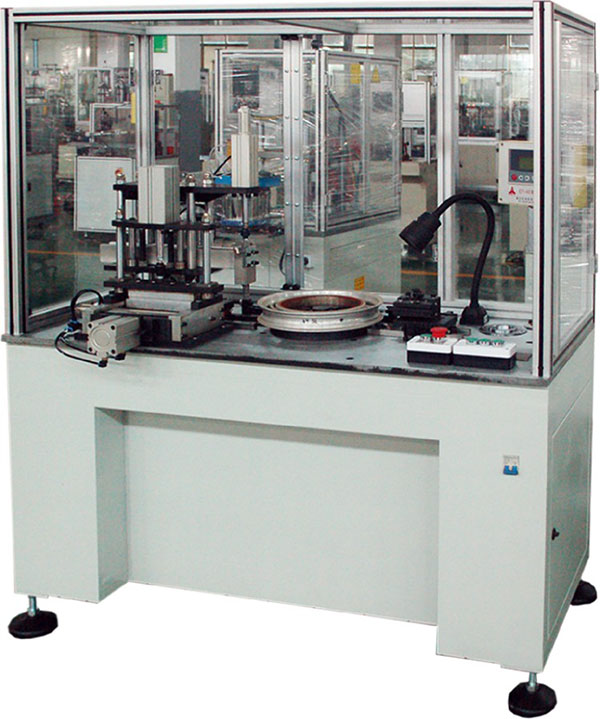
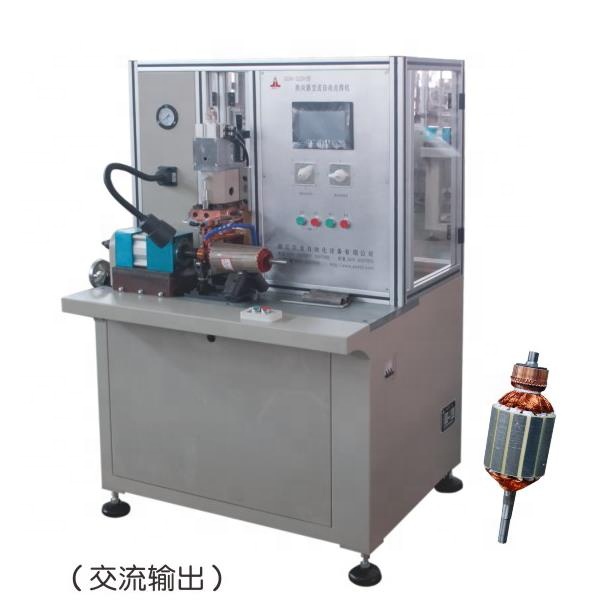
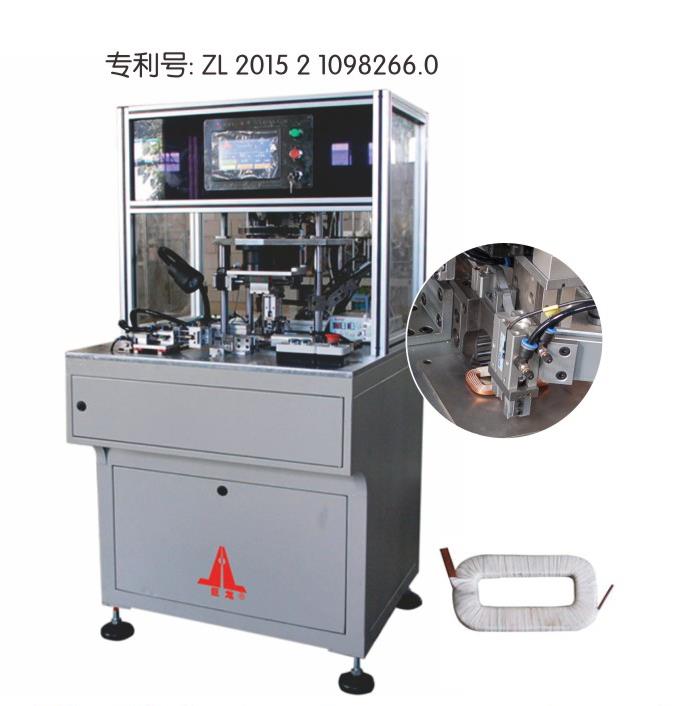
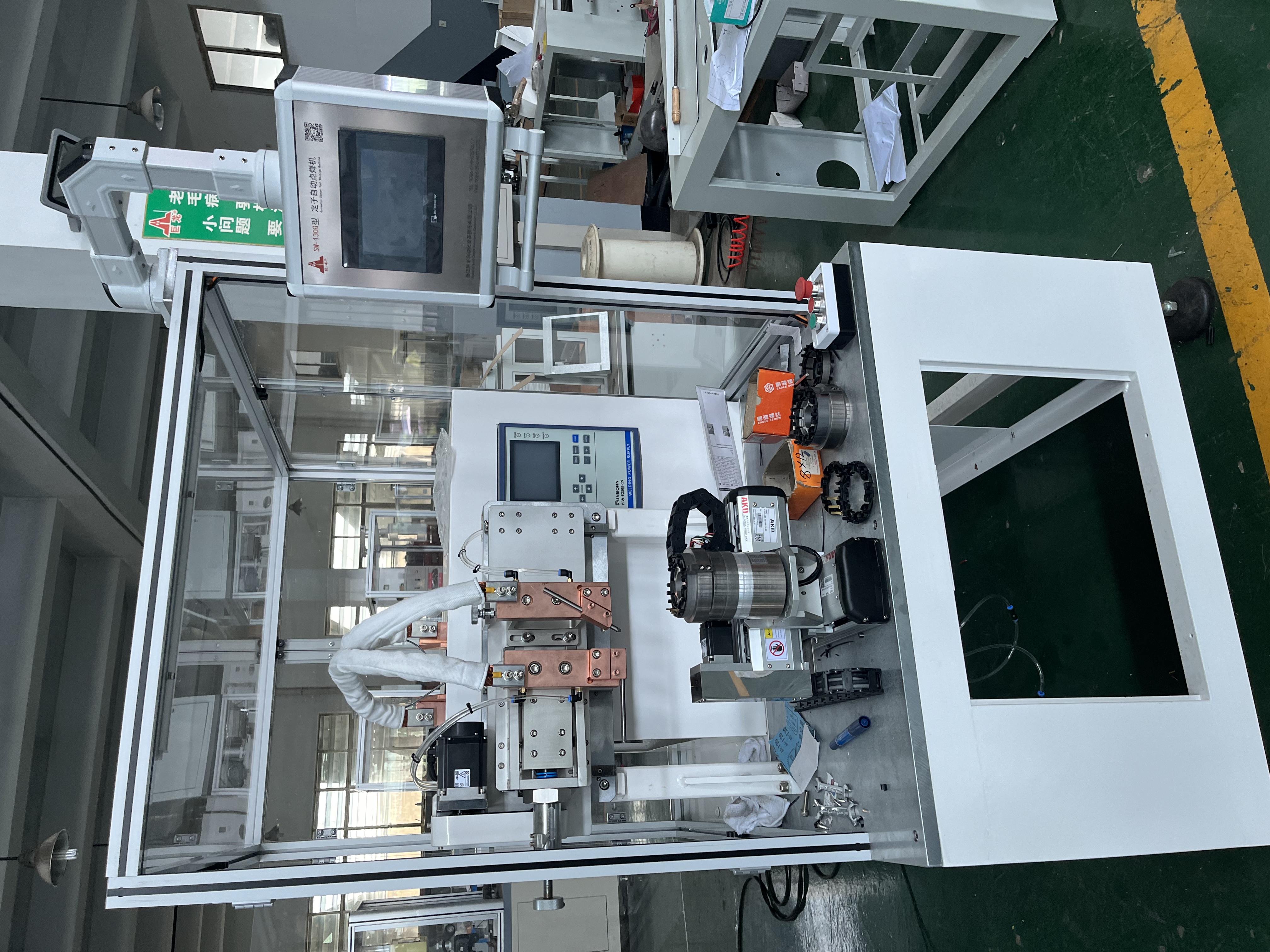
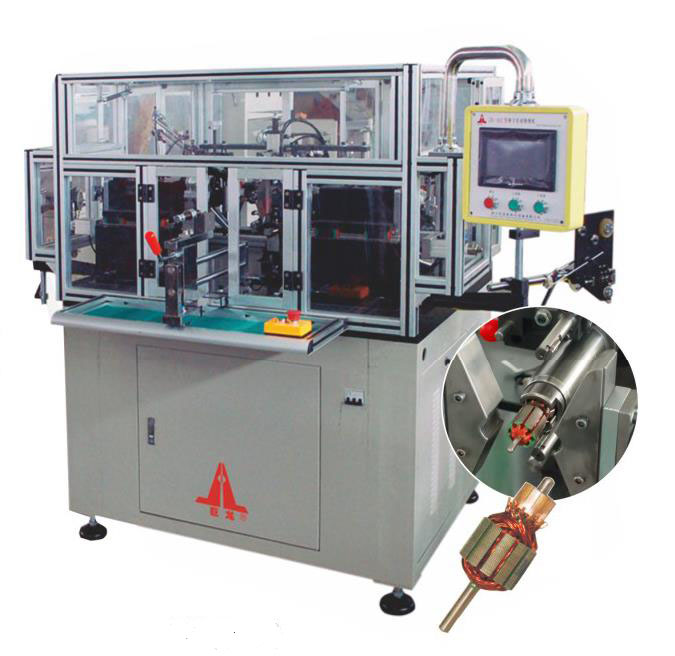
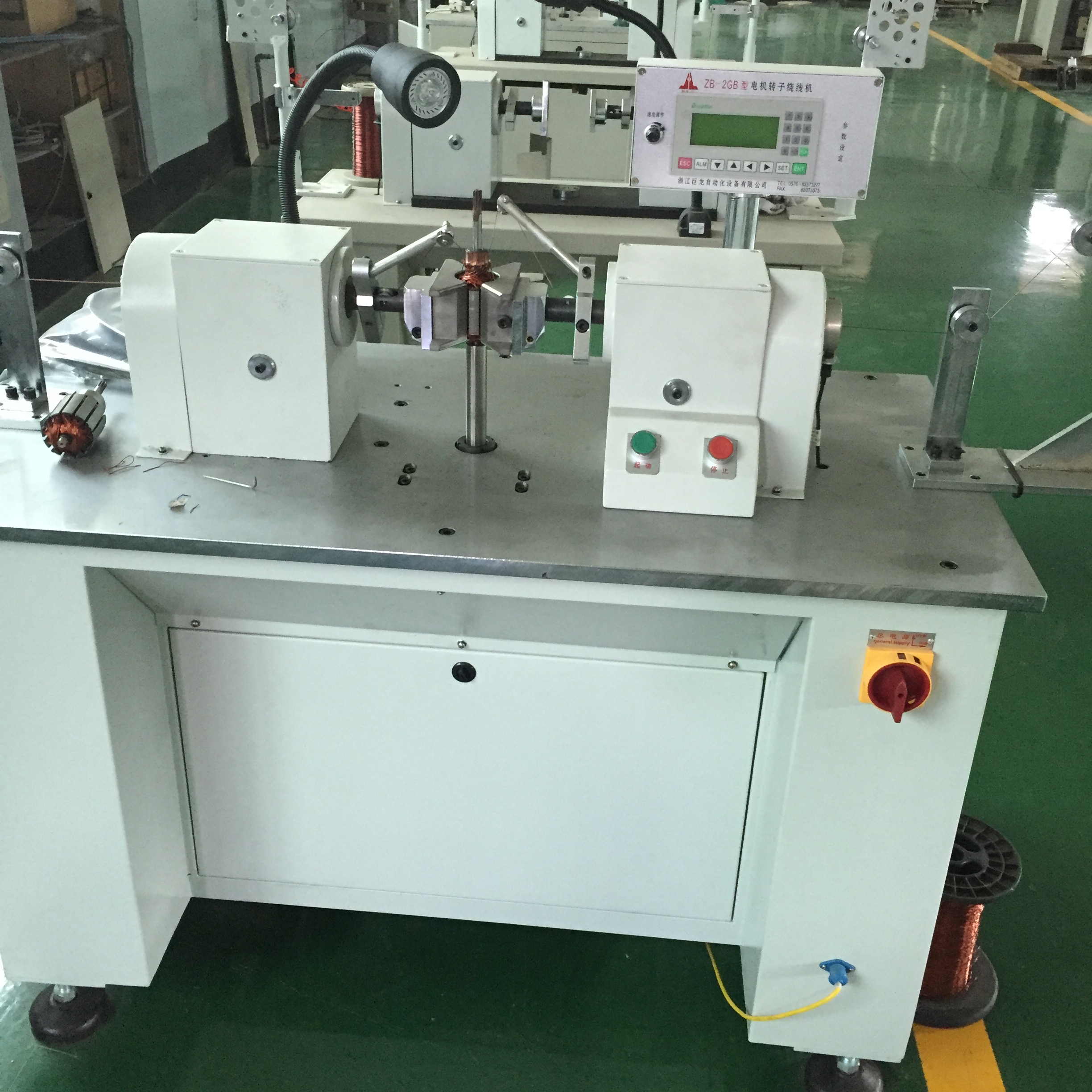
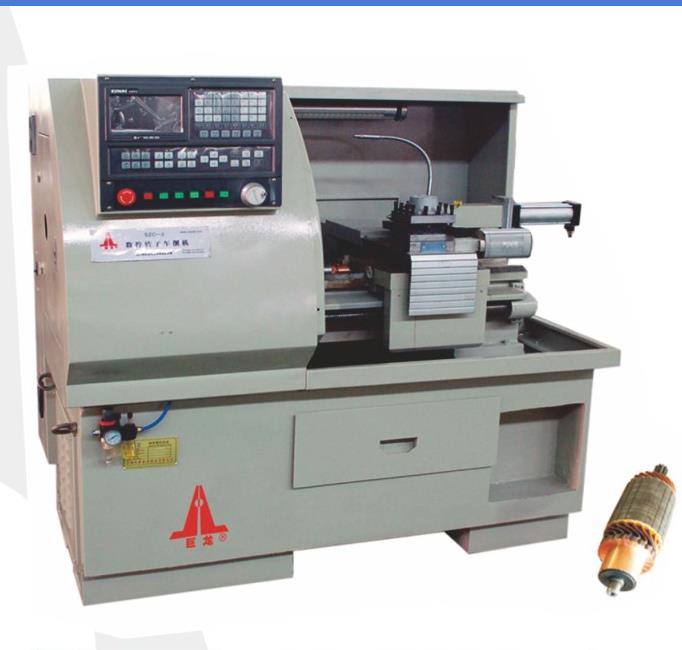
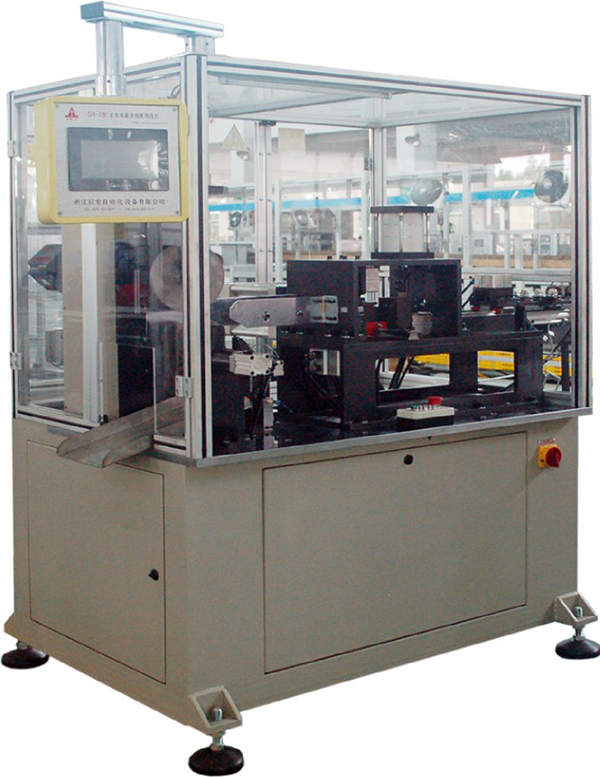
Engineered to conform with ISO9001 precision standards, high-throughput cycle benchmarks, and stringent Korean industrial automation metrics. Below are top-tier production modules optimized for Busan regional enterprises.
Busan stands as South Korea's logistical nexus and the maritime gateway to Northeast Asia. As the surrounding Southeastern Maritime Industrial Region (encompassing Busan, Ulsan, Changwon, and Gimhae) accelerates its transition from conventional heavy machinery and shipbuilding toward high-efficiency electric vehicle (EV) drivetrains, marine electric propulsion, and smart robotic actuators, the demand for precision rotor processing machinery has reached an unprecedented turning point.
Historically focused on commercial shipbuilding components and internal combustion vehicle sub-assemblies, manufacturers across Busan's Noksan National Industrial Complex, Mieum Industrial Complex, and Sasang District are radically upgrading their production infrastructure. The shift toward brushless direct-current (BLDC) motors, permanent-magnet synchronous motors (PMSM), and hairpin-stator alternators mandates micro-level tolerances in rotor manufacturing.
In conventional automotive and industrial motors, standard manual or semi-automatic winding often introduced tension inconsistencies, micro-cracks in copper enamel coatings, and irregular mass distribution across rotor armatures. In marine electric steering systems and high-RPM EV auxiliary rotors produced in Busan, dynamic unbalance creates structural vibration and catastrophic high-frequency noise. Our rotor processing solutions address this through synchronized multi-axis servo tension control, automated commutator hot-staking, and high-precision CNC commutator turning machinery.
Precision rotor fabrication encompasses multiple sequential operational stages where error propagation must be systematically eliminated:
Our centralized manufacturing base in Sanmen, Taizhou (Zhejiang Province) is positioned within a 2-hour logistics radius of Ningbo Port—the world's third-busiest container gateway. For Busan industrial buyers, this geographic alignment provides exceptional supply chain velocity. Typical container transit from Ningbo to the Port of Busan takes less than 48 hours on standard scheduled ocean feeders.
This rapid transit drastically compresses capital equipment lead times. Furthermore, it enables real-time factory acceptance testing (FAT), rapid physical replacement of custom-machined tooling sets, and localized commissioning schedules tailored to the just-in-time production protocols practiced throughout South Korea's manufacturing networks.
Tailored engineering implementations addressing specific regional industrial challenges in Busan, Ulsan, and Changwon.
Deployed in auxiliary winches, ventilation drives, and hybrid thruster systems built along the Busan-Geoje maritime shipbuilding corridor. Our winding and trickle-impregnation machinery guarantees severe-environment corrosion resistance.
Serving tier-1 automotive suppliers in Gimhae and Changwon. Equipment handles multi-wire heavy-gauge winding, flat wire armature shaping, and automated commutator welding for high-output 48V mild hybrid and starter systems.
Precision servo and micro-motor manufacturing lines in Mieum. Insertion of rare-earth magnet segments, high-density slot filling, and CNC concentric turning provide superior torque density required in collaborative robotics.
Rooted in nearly three decades of dedicated mechanical innovation, backed by national patents, extensive floor capacity, and end-to-end design autonomy.
Over 36 engineers and 8 senior technical titleholders design custom winding nozzles, automated clamping chucks, and dynamic tension systems in-house under ISO9001 and 3C certified workflows.
60,000 m² modern production facility with 150+ dedicated machining centers. We control raw casting finishing, guide alignment, electrical wiring, and programming without relying on unvetted sub-tier contractors.
Korean clients send sample lamination stacks, wire spools, and armature shafts for pre-dispatch trial runs. We generate complete cycle time reports and dimensional inspection data prior to containerization.
Comprehensive support under FOB Ningbo, CIF Busan, or EXW terms. Complete bilingual documentation, wear-part supply agreements, and rapid technical dispatch across the East China Sea ensure zero downtime.
Essential technical, electrical, trade, and regulatory clarifications address common queries raised during supplier assessment.
Submit your rotor laminations, wire specifications, and target daily output. Our senior automation engineers will evaluate your technical specifications and provide a detailed line configuration layout, cycle time simulation, and quotation.
Inquire Now