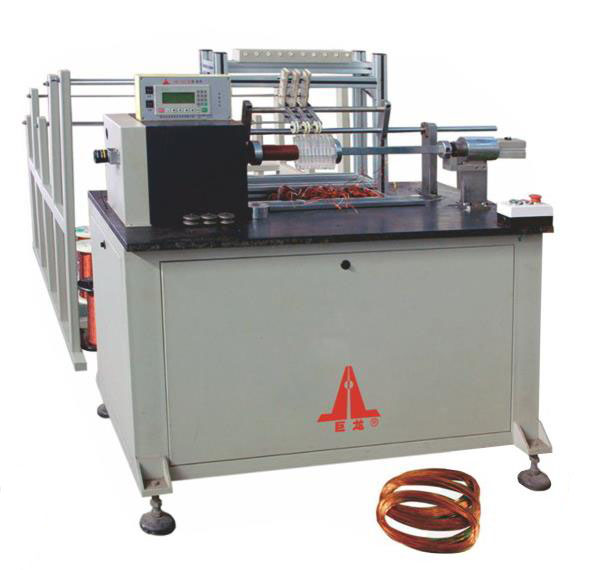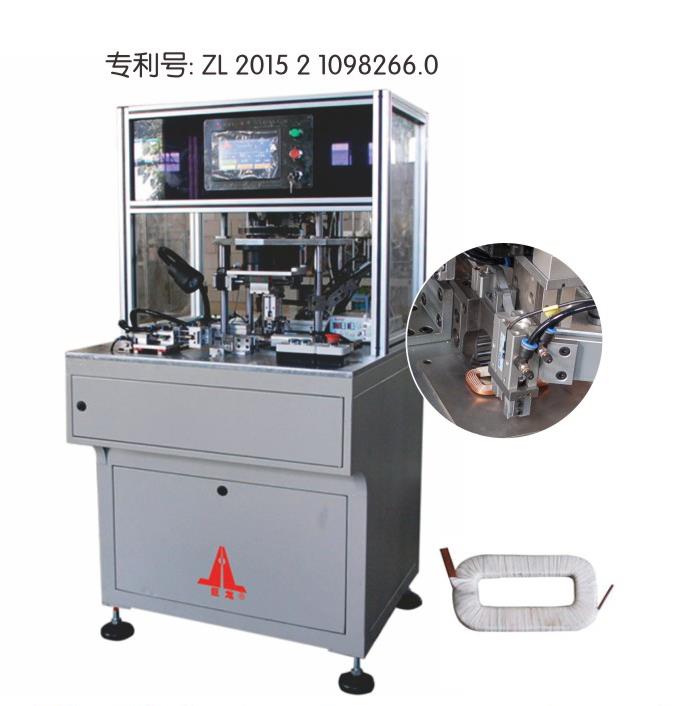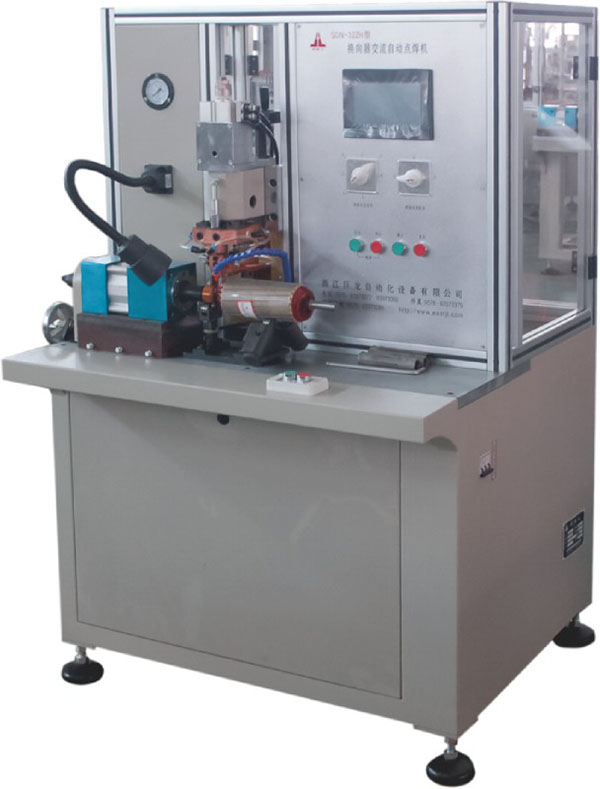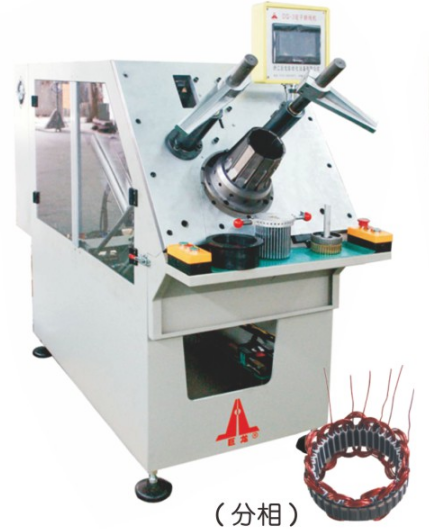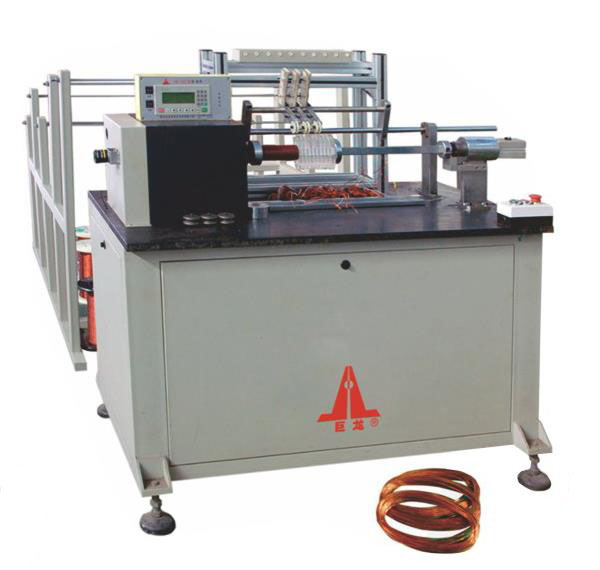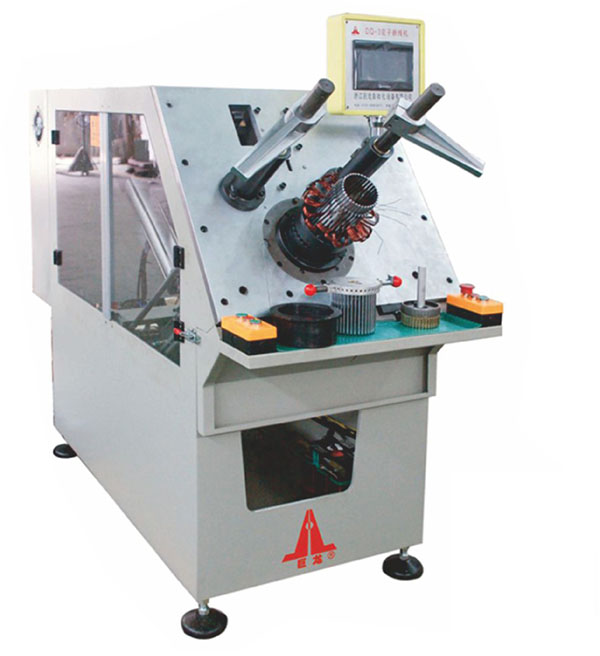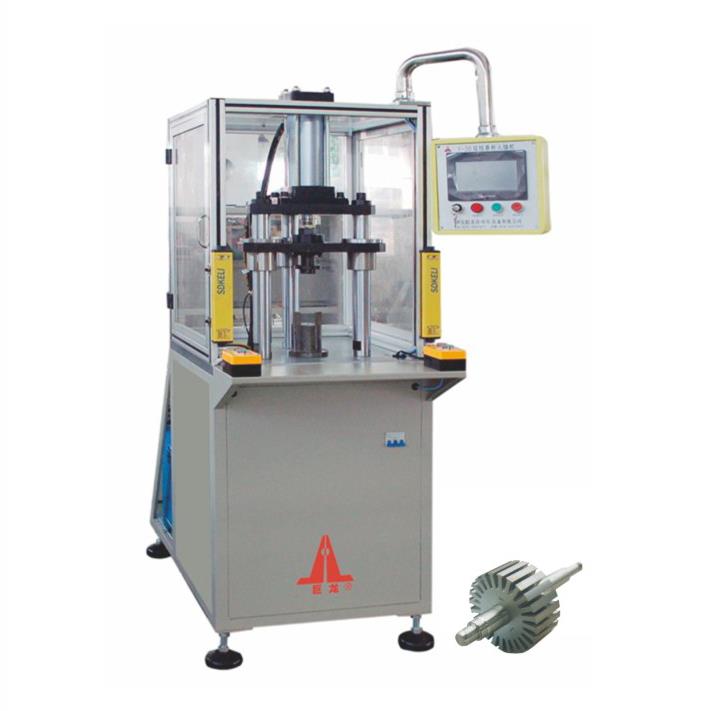
Y-30 Micro Motor Rotor Shaft Pressing Machine
- Hydraulic Thrust: 30 kN Precision Load
- Applicable Diameters: Ø10 mm – Ø45 mm
- Displacement Margin: ±0.01 mm Repeatability
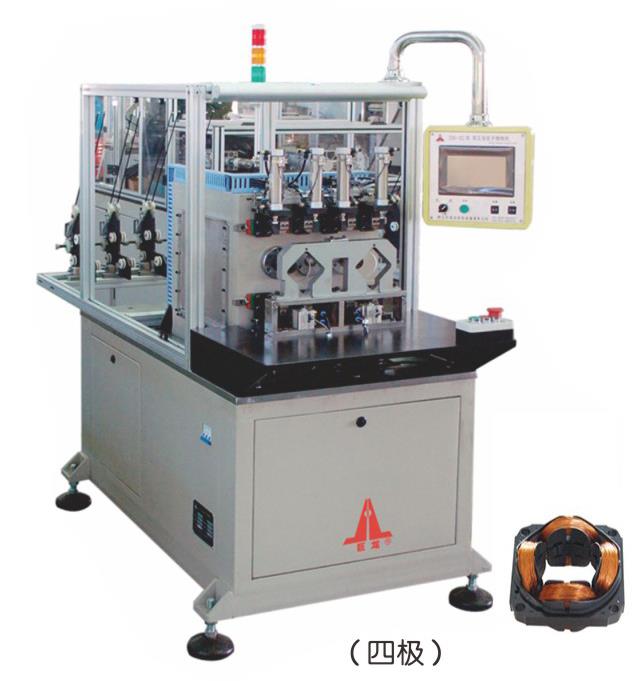
High-repeatability automation engineered to meet Canadian CSA electrical standards, equipped with multi-axis servo drives, intuitive programmable controllers, and quick-change modular tooling for high-mix batch cycles.
Achieving IEEE and CSA industrial motor thresholds mandates sub-millimeter coil insertion, absolute tension regulation to prevent insulation micro-fracturing, and balanced thermal boundary layers across automotive-grade laminations.
Standard winding rigs rarely surpass 68% slot fullness without damaging wire enamel. Rilvo's progressive servo pushing array and precision blade alignment safely reach up to 82% slot-fill volume. By optimizing copper mass per slot, electromagnetic flux density increases while total copper resistive losses (I²R) decrease substantially—delivering the IE4 and IE5 super-premium efficiency demanded across British Columbia's industrial initiatives.
Tension spikes during high-speed flyer winding cause micro-fissuring within polyimide and polyamide-imide dielectric coatings, resulting in premature partial discharge (corona breakdown) when subjected to high-frequency VFD pulses. Our equipment employs active closed-loop magnetic braking coupled with ceramic-polished wire guides, holding tensile force deviations under ±1.5 cN throughout continuous winding runs.
Insulation displacement can trigger ground faults. Our integrated inserting units accurately cut, cuff, and advance Nomex or DMD wedges into the stator slots simultaneously with copper coils. Coupled with our horizontal automated trickle impregnation machines (DQ-226/100), the epoxy-resin penetrates deep into inner coil layers under controlled rotation, banishing air pockets and guaranteeing thermal class H (180°C) endurance.
Vancouver has emerged as a premier Pacific Rim clean-tech hub. From electric commercial fleet conversions in Burnaby and Delta to high-torque maritime drives fabricated along the Fraser River, Rilvo machinery accelerates local automation initiatives.
With the Port of Vancouver targeting zero-emission operations, shipbuilders and marine propulsion engineers in North Vancouver and Richmond rely on rugged heavy-gauge stator insertion equipment. Our DQ-2 and multi-axis winding lines accommodate large diameter stators for permanent magnet synchronous motors (PMSM) powering electric tugboats, hybrid ferries, and high-duty shore-to-ship cranes.
Lower Mainland clean-transport developers in Burnaby and Delta are scaling commercial electric bus and delivery van platforms. Rilvo's flat-wire automatic shaping equipment (5-SC-2B) and servo-driven winding units provide the flexibility needed for hairpin stators and wave-shape alternator windings, maximizing copper density and efficiency in confined automotive power envelopes.
Surrey, Langley, and Abbotsford house premier electrical apparatus repair facilities serving BC's forestry and mining infrastructure. When severe loads damage 600V mill motors, technicians use our XB-1GZ coil winding machines and intelligent spot welders to execute rapid rebuilds, returning motors to original factory tolerances while surpassing OEM efficiency ratings.
Strategic investments, rigorous decarbonization policies, and logistical restructuring are reshaping how original equipment manufacturers and repair shops invest in capital machinery throughout Western Canada.
British Columbia's aggressive climate targets require industrial operators to replace fossil-fueled mechanical drives with high-efficiency electric motors powered by BC Hydro's clean grid. This shift creates soaring demand for domestic rewinding and motor manufacturing, where cycle speeds and energy-conserving stator designs are paramount.
Vancouver companies face steep shipping premiums and customs delays when sourcing complete motors from overseas. Investing in domestic stator assembly machines enables businesses to import raw silicon laminations and copper magnet wire, completing precision coil insertion locally to safeguard delivery schedules and qualify for Canadian content incentives.
The retirement of seasoned coil-winding craftspeople across Western Canada has created a pressing regional labor bottleneck. Automated stator winding and inserting machines bridge this divide, shifting manual coil shaping into deterministic CNC servo actions operated seamlessly through modern touchscreen interfaces.
Rooted in our 60,000 m² industrial complex with nearly three decades of engineering pedigree, we design and produce over 90 specialized machine types with strict internal quality management.
Unlike trading intermediaries, Rilvo maintains complete control over critical tolerances. Winding nozzles, push needles, forming dies, and inserting blades are machined on our own multi-axis CNC park, ensuring hardened dimensional tolerances within ±0.005 mm.
Our 36-member multidisciplinary engineering team is guided by a chief engineer honored with the National Knowledge-Worker Model Award from the All-China Federation of Trade Unions. We hold 17 national patents and build custom tooling around your CAD files.
Every machine bound for the Vancouver market is set up with your exact stator laminations, slot wedges, and copper magnet wire. We perform continuous production test runs, delivering high-resolution video acceptance reports and certified parameter logs prior to dispatch.
Situated in Sanmen, Taizhou, our factory is only two hours from Ningbo Port. We orchestrate efficient, ocean-going container shipments directly to the Port of Vancouver (Centerm and Roberts Bank), providing full marine cargo crating, fumigated skids, and clear import documentation.
Industrial plants across British Columbia operate on distinct electrical networks—predominantly 575V / 600V 3-phase and 208V / 480V 60Hz. We configure step-down transformers, CSA-recognized Schneider and Omron control gears, and dual E-stop safety curtains for compliant onsite operation.
Remote visual diagnostics, PLC software updates via secure Ethernet, and standardized replacement wear kits ensure unhindered uptime. For turnkey line installations, our bilingual field engineers assist with commissioning and technician training.
Get direct, authoritative answers to common inquiries regarding Canadian standards compliance, electrical configurations, sea-freight logistics, and tooling lead times.
Our standard export systems are pre-fitted with heavy-duty dry-type matching transformers or wide-voltage inverter drives suited for Canadian industrial supplies (600V 3-phase, 480V 3-phase, or 208V single/3-phase). Control circuits run on standardized DC 24V bus architectures, using CSA- and CE-labeled switchgear to streamline municipal electrical field inspections in Metro Vancouver.
Ocean transit from Ningbo Port or Shanghai to the Port of Vancouver (Centerm, Vanterm, or Deltaport) averages 14 to 18 sailing days. Factoring in factory test runs, export crating, and Canadian Border Services Agency (CBSA) customs clearance through licensed local freight brokers, clients typically receive their machinery on their factory floor within 6 to 8 weeks after final design approval.
Yes. With 10+ years of tailored OEM/ODM manufacturing, our 36-engineer R&D department creates dedicated inserting blades, wedge guiding tongues, and winding fixtures directly from your STEP/DWG drawings. We optimize tooling parameters to accommodate odd slot counts, skewed slot configurations, concentrated tooth profiles, and diverse wire types (copper round wire, rectangular copper, and enamel-coated aluminum).
Every shipment arrives with a full 12-month mechanical and electrical warranty, alongside a starter spare-parts bundle containing wear blades, guides, pneumatic seals, and sensors. For maintenance, our technical staff provides immediate video diagnostics and remote PLC access. If onsite deployment is required, our field technicians can travel to facilities in the Vancouver area to assist with comprehensive line installation.
Send us your motor lamination diagrams, wire gauge specifications, and target cycle parameters. Our senior automation engineers will evaluate your requirements and return a detailed process proposal, complete with machine footprints and tooling quotes, within 24 hours.