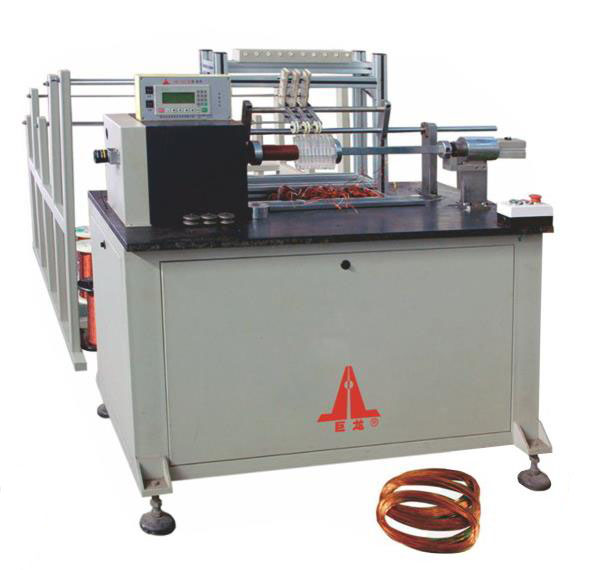
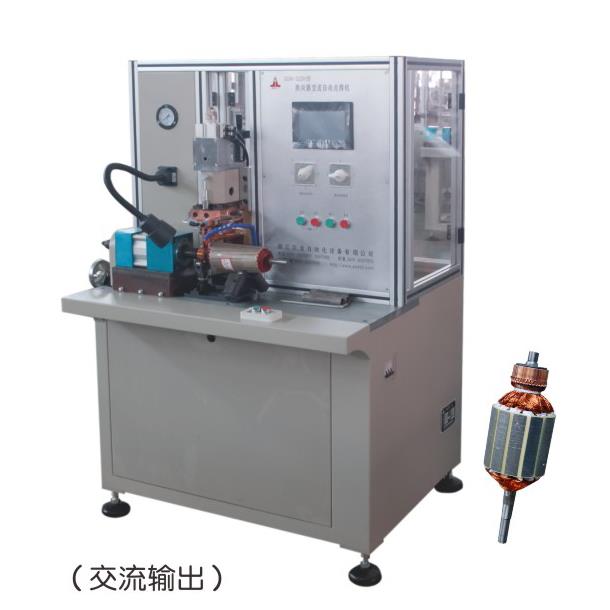
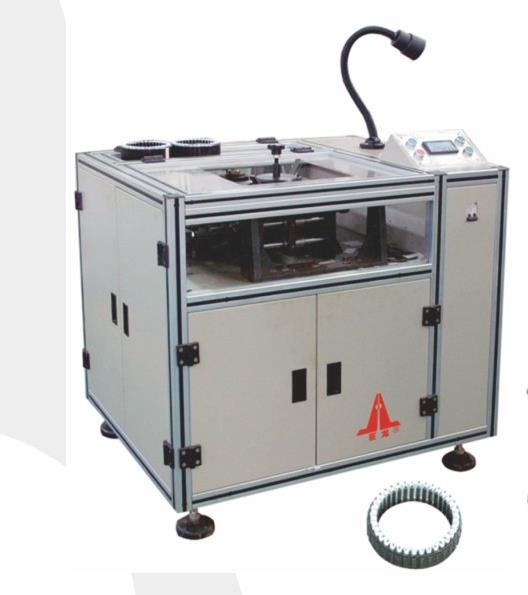
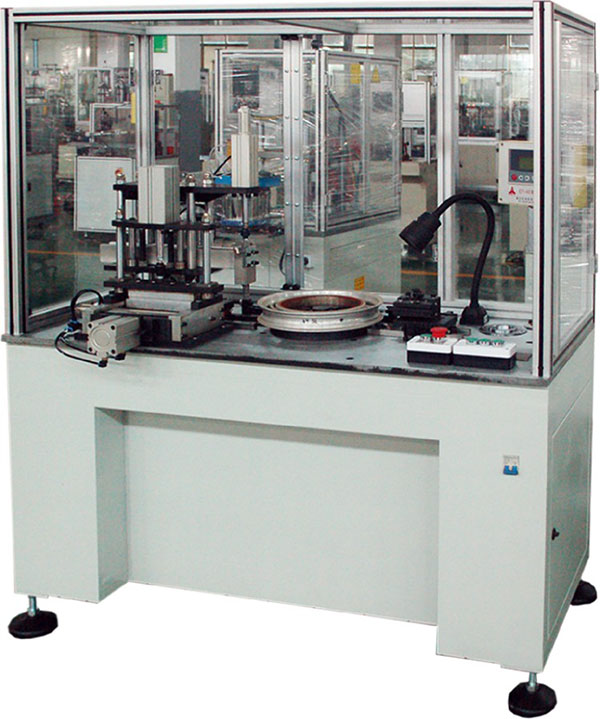
From individual horizontal slot wedge paper inserting systems to high-speed armature winders and computerized spot welding cells, each unit is engineered in-house to accommodate complex lamination profiles.
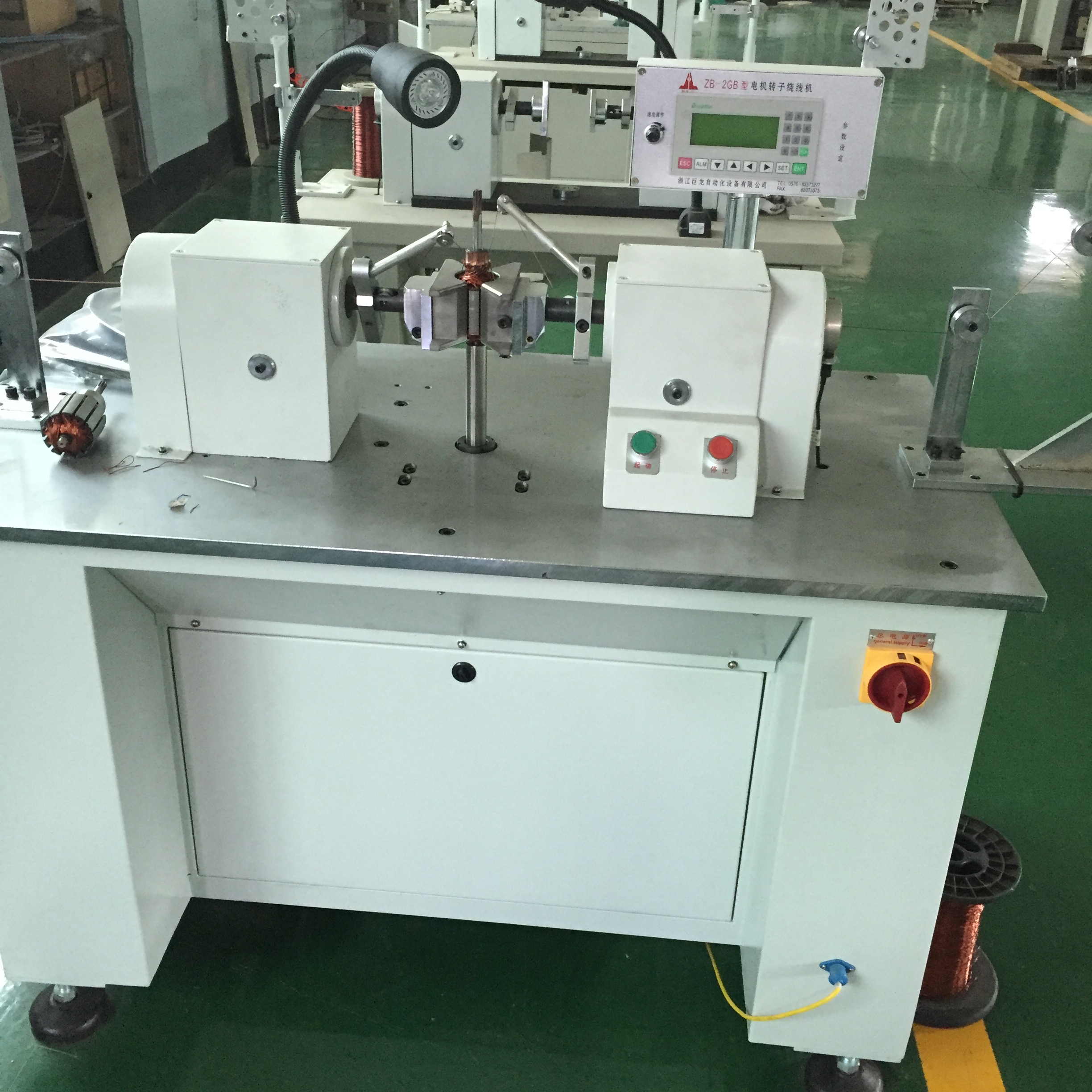
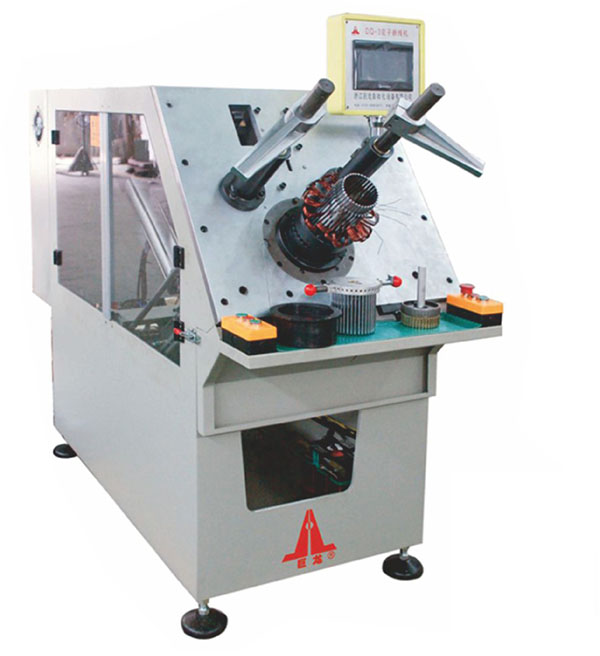
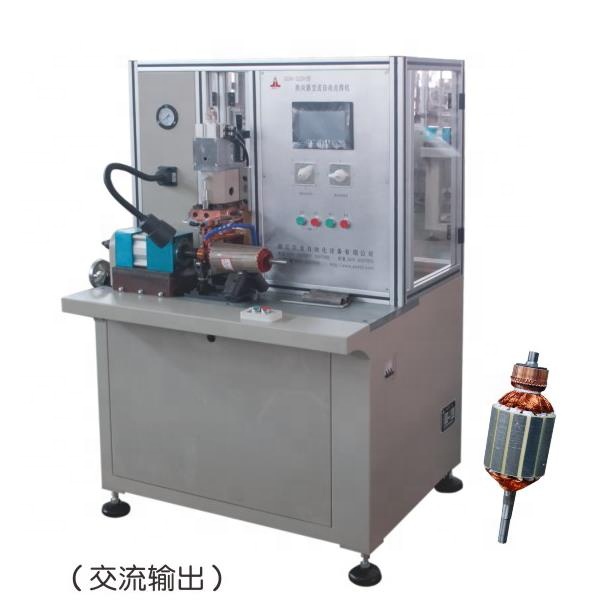
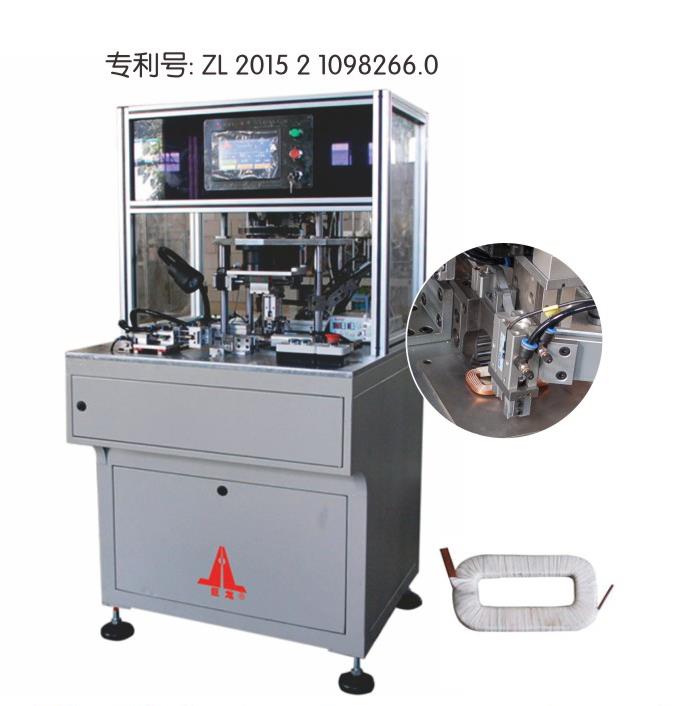
The manufacturing basin extending across Verona, Villafranca di Verona, San Bonifacio, and the greater Veneto corridor represents one of Southern Europe’s most demanding epicenters for industrial electromechanical engineering, HVAC compressor systems, fluid dynamics pumps, and automotive component sub-assembly. For plant managers, automation directors, and technical sourcing heads in Verona, stator production line integrity depends heavily on one foundational, non-negotiable process step: stator slot insulation.
Whether producing high-torque IE3 and IE4 industrial asynchronous motors, auxiliary automotive alternators, hermetic refrigeration stators, or modern brushless DC (BLDC) e-mobility drive units, slot lining serves as the primary dielectric barrier between the raw electromagnetic silicon steel lamination stack and the enameled copper winding wire. Any structural fissure, cuff tearing, geometric skew, or thermal delamination during slot paper formation creates immediate partial discharge paths, phase-to-ground insulation faults, and premature motor burnout in the field.
Zhejiang Rilvo Automation Equipment Co., Ltd. supplies high-precision, servo-driven stator slot insulation machines and turnkey winding equipment configured specifically to address these regional production imperatives. Operating as an ISO9001-accredited enterprise with extensive Tier-1 and Tier-2 supply experience, Rilvo pairs heavy-duty casting integrity with flexible digital tooling to give Verona manufacturers an uncompromising balance of high throughput, zero-defect mechanical cuffing, and competitive capital expenditure.
Years Direct Manufacturing
Industrial Campus Area
National Patents Issued
Dedicated R&D Engineers
Proprietary Machine Models
Verona's specialized manufacturing ecosystem does not rely on generic, one-size-fits-all automation. Machinery operating within regional facilities must maintain high flexibility, rapid tooling retooling intervals, and support for high-temperature insulation films (such as Nomex®, DMD, NMN, and Kapton®). Our stator slot insulation systems, including the DFC-1 and synchronized inserting units, are currently calibrated for four primary local industrial applications:
Verona hosts significant commercial chiller and cooling compressor manufacturers. Our slot insulation platforms deliver hermetic-grade cuff formation on deep-slot stators, preventing wedge shifting under intense mechanical vibration and continuous refrigerant immersion.
Local tier automotive rebuilding and component plants require robust slot cell insertion that withstands high mechanical shock. Precision feeding mechanisms process coated composite papers at indexing speeds down to 0.5 to 1.0 seconds per slot with micron-level indexing tolerances.
Serving the broader agricultural machine cluster in the Po Valley, our horizontal and vertical machines handle heavy lamination stacks up to 300mm stack height, providing uniform double-ended cuffing that safeguards windings from moisture ingress.
As EU ecological design requirements (such as Ecodesign Directive 2019/1781) enforce stringent efficiency floors on low-voltage electric motors, machine builders across northern Italy are facing structural manufacturing shifts. To preserve copper slot fill factors while adhering to higher thermal classifications (Class H and Class 200), conventional mechanical-linkage insulation machinery is being replaced by intelligent, multi-axis servo systems.
1. Variable Slot Geometry and Non-Uniform Stator Profiling: Modern premium-efficiency stators increasingly feature asymmetric, skewed, or variable-pitch slot teeth designed to minimize cogging torque. Rilvo's programmable indexing tables utilize high-resolution absolute encoders and dedicated servo drives, allowing Verona manufacturing plants to program slot counts, variable indexing angles, and skipped-slot patterns via touchscreen HMI without hardware modification.
2. Minimization of Edge Creasing and Micro-Fractures: When slot paper is scored, folded, and cut at high cyclic velocity, excessive mechanical shear causes micro-cracking along the fold edges. These microscopic defects become breakdown points during post-winding high-potential (Hi-Pot) and surge testing. Rilvo’s patented tool-steel folding edges and controlled thermal forming ensure consistent cuff radii, eliminating micro-tears in multilayer insulating substrates.
3. Seamless Line Integration (From Slotting to Trickle Impregnation): Verona factories are actively migrating away from standalone batch operations toward synchronized cells. Rilvo provides a continuous engineering architecture: from slot paper insertion (DFC-1) through automatic coil winding (XB-1GZ), coil insertion (DQ-2), flat-wire shaping, and automated trickle impregnation (DQ-226/100), unifying electrical communication protocols across the entire production flow.
Procuring specialized automated machinery from across borders requires full transparency, engineering competence, and verifiable manufacturing capabilities. Zhejiang Rilvo Automation Equipment Co., Ltd. does not operate as an intermediary trading outfit; we are a dedicated machinery builder established in 1998, occupying a modern 60,000 m² campus in the Shatianyang Development Zone of Sanmen, Taizhou, Zhejiang.
Over 150 precision CNC units, surface grinders, and wire EDM stations operate inside our facility. We machine critical fixtures, custom insertion tooling, and winding mandrels directly from raw forgings, ensuring rigid dimensional control and interchangeability.
Backed by 17 national patents and recognition as a High and New Technology Enterprise, all Rilvo machinery complies with ISO9001 management protocols and 3C criteria, with electrical systems configurable to CE Directives (EN 60204-1 safety standards).
We do not ship on theoretical calculations. Verona buyers supply their actual stamped laminations and insulation materials; our engineers run extensive cycle trials, producing video reports, micro-measurement analysis, and dry-cycle durability checks prior to container loading.
Clear, engineering-focused answers covering customs clearance, voltage compliance, tooling changeover, and remote technical support for Northern Italian operations.
Yes. All machines exported to the Verona region are configured for the standard European electrical grid (400V AC, 3-Phase, 50Hz) or customized per your facility's internal distribution. We employ globally recognizable electrical components (such as Schneider, Omron, and Airtac pneumatics) to guarantee local spare-parts availability across Italy.
Our 36-member engineering department creates tailored tooling packages directly from your CAD step files or 2D lamination drawings. We calculate exact paper cuff lengths, expansion ratios, and wedge clearances to ensure that custom stator prototypes run reliably without jamming or mechanical overstress.
For stators with the same cross-sectional slot profile but differing stack heights (e.g., 40mm to 120mm), changeover requires less than 15 to 20 minutes via digital parameter entry and handwheel height adjustment. Complete tooling changes involving completely different tooth counts take under 45 minutes.
We routinely deliver under FOB Ningbo/Shanghai, CIF Genoa/Venice, or DAP directly to your manufacturing site in Verona. Shipments are packed in solid, export-grade vacuum-sealed barrier foil inside fumigated wooden crates to protect sensitive servo slides and ground ways during maritime transit.
Send your stator lamination drawings, target cycle times, and wire specifications to our technical team. We will review your production requirements and return a tailored tooling evaluation and commercial machinery proposal.


