


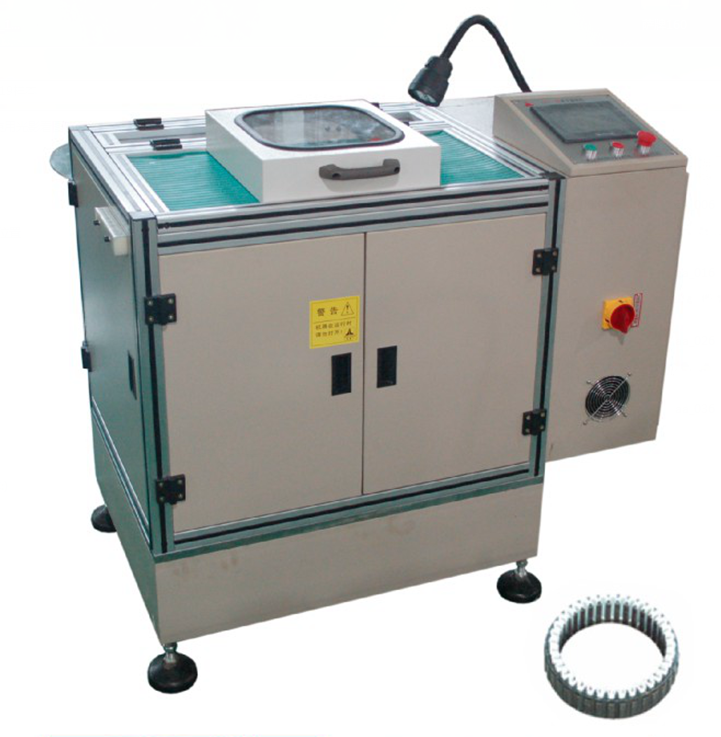
DFC-1 Horizontal Stator Wedge Inserting Machine
Automatic paper feeding, edge folding, cut-to-length, and bottom-up insertion system for heavy automotive alternators and multi-pole traction units.
Tailored tooling configurations and fully automated lines designed to match the stringent electrical insulation and mechanical tolerances required by Sofia's electro-technical engineering sector.
Automatic paper feeding, edge folding, cut-to-length, and bottom-up insertion system for heavy automotive alternators and multi-pole traction units.
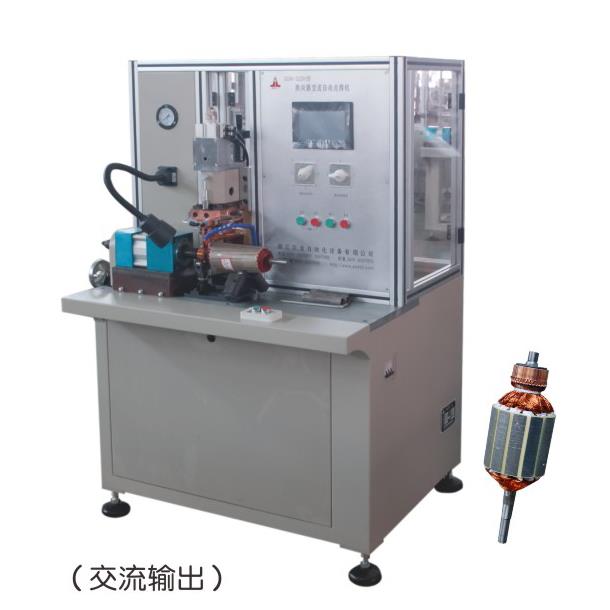
Ultra-precise hot-staking and fusing equipment ensuring low thermal dissipation and zero mechanical degradation on high-density armatures.
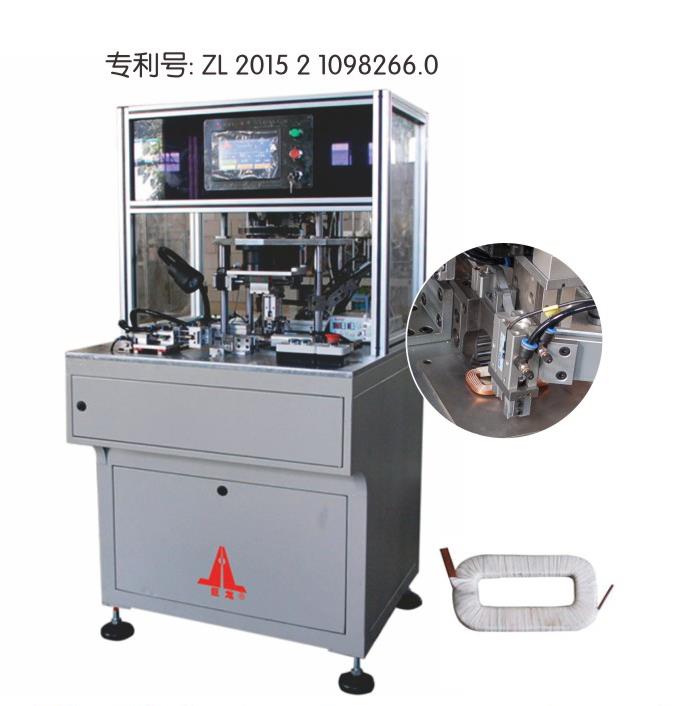
Programmed tension-regulated wrapping of Nomex, mica, and composite tapes over complex stator and starter motor coil heads.
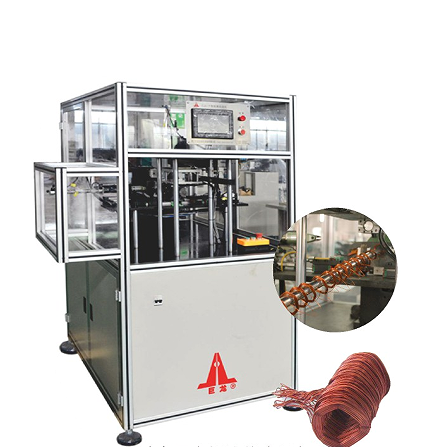
Rigid servo-driven rectangular conductor coiling machine eliminating insulation scuffing while maintaining optimal copper fill factors.
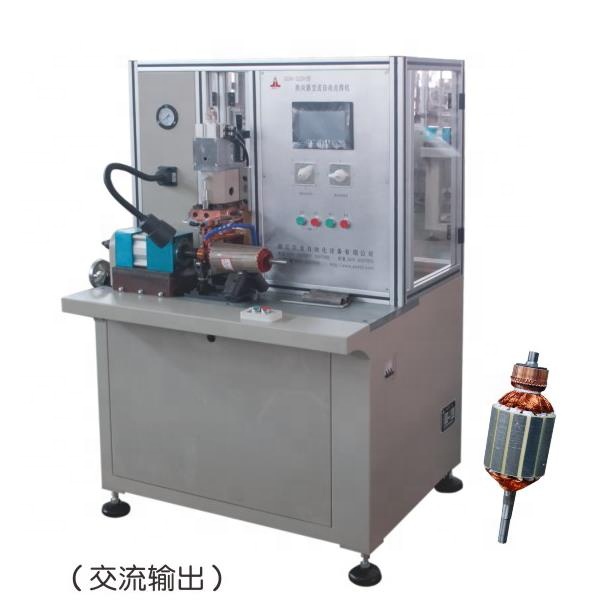
Specialized auxiliary CNC equipment dedicated to fine-tolerance core profiling, commutator surface clearing, and end-plate finishing.
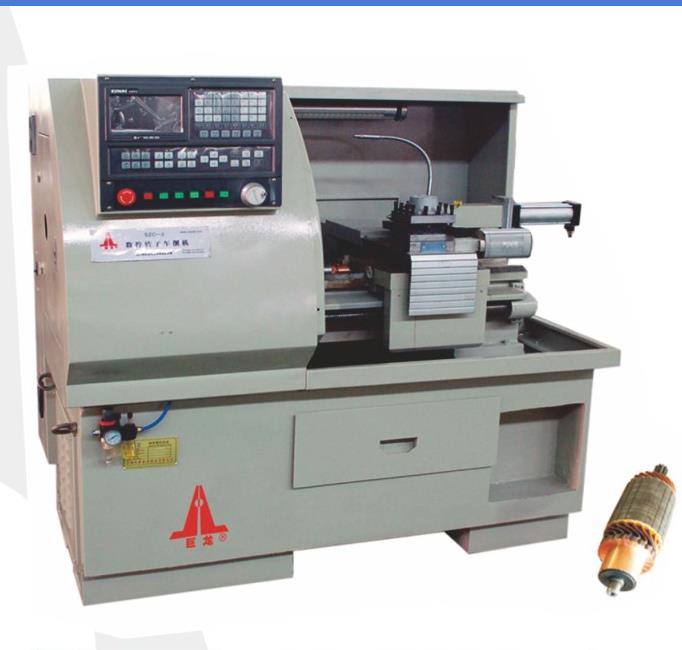
High-speed turning lathe built to eliminate dynamic runout on turned copper commutators and high-performance permanent magnet rotors.
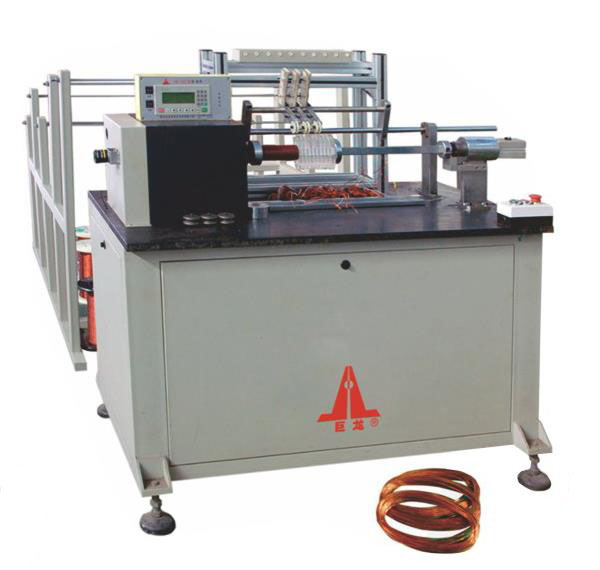
Multi-spindle synchronous winding station configured for multi-strand winding with electronic micro-tension control and neat turn laying.
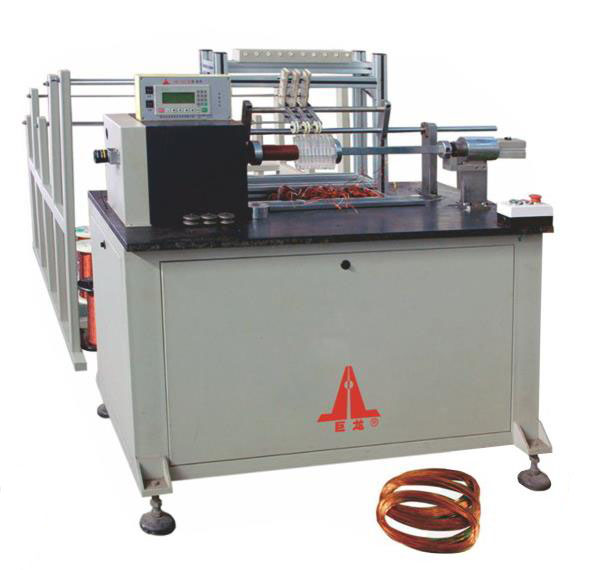
Heavy-duty automation station supporting high-torque industrial motor winding, automatic wire transfer, and seamless integration with coil pushers.
A comprehensive examination of slot cell forming mechanics, thermodynamic stability, and high-efficiency manufacturing methodologies engineered for the electrical engineering ecosystem in Bulgaria.
In alternating current (AC) induction machines, permanent magnet synchronous motors (PMSM), and brushless DC (BLDC) architectures, the electrical integrity between copper phase windings and magnetic stator laminations dictates system longevity. The stator slot cell acts as the primary physical barrier against line-to-ground dielectric punch-through. When winding wires encounter electromagnetic vibrations, cyclic thermal dilation, and high du/dt transient voltage spikes produced by modern Silicon Carbide (SiC) and Gallium Nitride (GaN) variable frequency drives (VFDs), the mechanical endurance of the dielectric barrier becomes paramount.
Manual insertion frequently introduces microscopic micro-tears along paper edges, structural cuff micro-fractures, and inconsistent paper throat protrusions. These defects cause severe phase-to-ground partial discharges that degrade motor life. Our high-precision automatic stator slot insulation machines utilize cold-rolled knife dies and servo-monitored cam linkages to feed, crease, cut, cuff, and push dielectric films into internal laminations within 0.40 to 0.55 seconds per slot. By eliminating manual fatigue and tension discrepancies, structural cell retention exceeds 99.98% qualification rates across demanding industrial audits.
Seamlessly feeds, scores, and cold-forms diverse dielectric substrates—including DMD, NMN, Nomex®, pure polyimide (Kapton®), and electrical-grade polyester (Mylar®). Dual edge-cuffing assemblies reinforce the slot ends to prevent wire abrasion during downstream wire insertion.
Utilizes absolute multi-axis servo coordination to adapt dynamically to variable stator profiles. Supports parallel, semi-closed, trapezoidal, and skewed slot geometries without damaging lamination tooth tips or requiring labor-intensive manual alignment.
Equipped with real-time optical slot-counting sensors, paper feed jam detectors, and automatic miss-insertion interlocks. If a slot fails to receive paper or if a strip folds improperly, the system halts instantly before indexing to protect mechanical mandrels.
Western Bulgaria's strategic transformation into a competitive precision electronics and electromobility manufacturing hub creates distinct operational demands for electric motor equipment.
Sofia City, together with the Sofia District and neighboring industrial nodes like Pernik, Kostinbrod, and the Bozhurishte Economic Zone, houses a dense network of Tier-1 and Tier-2 automotive suppliers, heavy material handling manufacturers, lifting equipment builders, and HVAC ventilation pump producers. Stator slot insulation machines must operate reliably across diverse production schedules:
Fabrication of 48V mild hybrid starter-generators, electronic power steering (EPS) motors, and electric water pumps that demand compact slot dimensions, absolute cuff repeatability, and high thermal resistance (Class H and Class C).
Bulgaria’s long-standing global legacy in electric hoists, cranes, and material handling systems requires robust stator slot machinery capable of handling large-frame induction motors (IEC 132 to IEC 315) with deep, semi-enclosed slot configurations.
Energy-efficient pumps and industrial compressors complying with European Ecodesign Directive (IE3 and IE4 efficiency standards) requiring maximum copper-slot fill factors that depend on ultra-thin, perfectly formed slot insulation liners.
Flexible short-run manufacturing environments requiring swift tooling adjustments, parameterized HMI touchscreens, and rapid switchovers between 24-slot, 36-slot, 48-slot, and 72-slot stator lamination designs.
How the European Green Deal, Industrial Modernization programs, and Nearshoring initiatives are accelerating automation investments in the Sofia industrial basin.
With European Union regulations strictly phasing out inefficient electric drive systems, regional motor producers in Bulgaria are shifting from legacy designs to Super-Premium (IE4) and Ultra-Premium (IE5) synchronous reluctance and PMSM configurations. Achieving these efficiencies demands compact slot liners that leave ample room for higher copper volume.
German, Austrian, and Italian industrial original equipment manufacturers are actively reshoring manufacturing lines to Bulgaria to optimize supply chain resilience. This requires Bulgarian machine shops to adopt CE-compliant, automated production standards that guarantee traceability and zero-defect output.
Modern facilities throughout the Sofia development corridor increasingly mandate real-time equipment telemetry. Industrial plants require Ethernet/IP, Profinet, and Modbus TCP interfaces to feed continuous cycle data, cycle times, temperature profiles, and error codes directly into local Manufacturing Execution Systems (MES).
Combining over a quarter-century of specialized motor equipment innovation with comprehensive turnkey production facilities in Zhejiang, China.
Founded in 1998, Zhejiang Rilvo Automation Equipment Co., Ltd. has established itself as an authoritative leader in micro-motor manufacturing equipment, special welding machinery, and complete automated stator production lines. Spanning a modern 60,000 m² industrial production campus in Sanmen, Taizhou, we control all critical phases—from structural casting and ultra-precision CNC tooling to proprietary PLC programming and dynamic test running.
Technical, logistical, and electrical integration guidance designed specifically for engineers and purchasing professionals in Bulgaria.