Engineered to meet rigorous tolerances for starter motors, automotive alternators, industrial pumps, and brushless DC (BLDC) power units serving Naypyidaw industrial projects.
A strategic overview of operational environments, electrical reliability standards, and mechanical integration for engineering procurement teams in Myanmar.
The modernization of the industrial landscape surrounding Naypyidaw and the Central Dry Zone requires a fundamental upgrade in machinery manufacturing infrastructure. As Myanmar expands rural electrification, water management networks, and clean agricultural processing facilities, the regional demand for robust, energy-efficient electric induction motors, permanent magnet brushless DC (BLDC) units, and small-engine starter alternators is growing rapidly. However, manufacturing or refurbishing electric rotating machinery within the local region presents unique mechanical and electrical engineering challenges.
Local industrial operators often encounter high ambient operating temperatures exceeding 40°C during summer, seasonal monsoonal humidity shifts, and electrical power grid fluctuations. These environmental stress factors mandate that motor manufacturing and assembly plants incorporate strictly controlled automation. Utilizing manual winding and traditional dipped varnishing invariably leads to uneven copper packing density, micro-void formation in insulating resins, and early dielectric breakdown under tropical conditions. As a tier-1 Chinese equipment manufacturer with 27 years of dedicated R&D, Zhejiang Rilvo Automation delivers turnkey stator, armature, and total motor assembly line systems engineered to mitigate these localized risks.
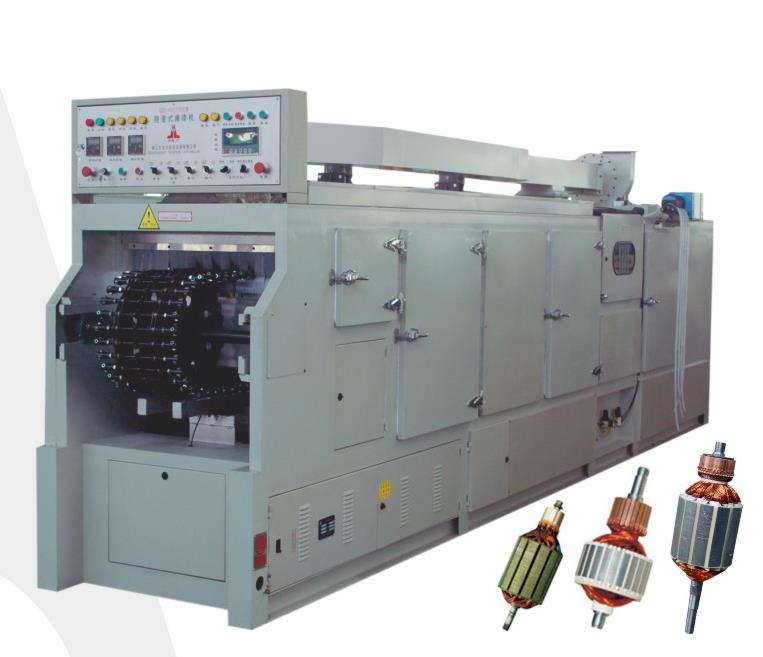
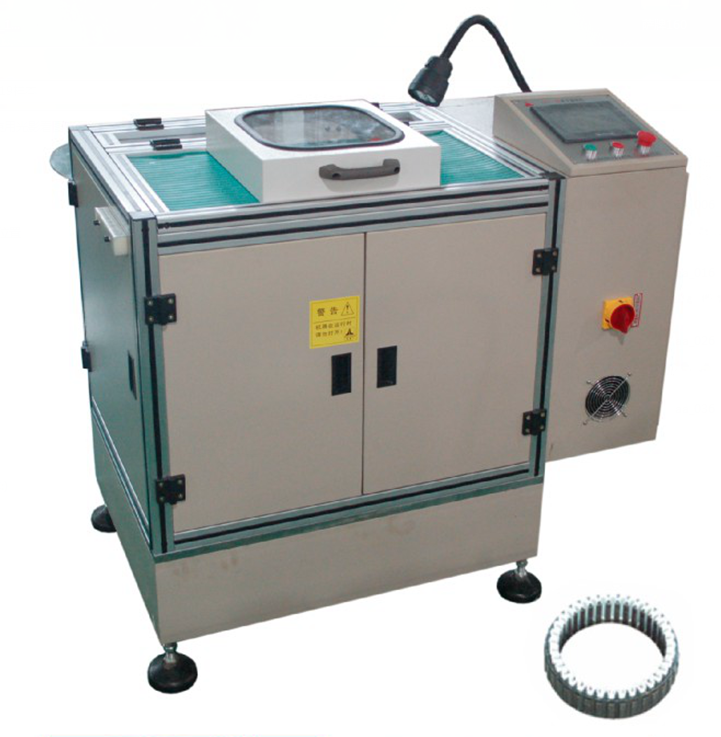
Naypyidaw’s extensive agrarian perimeter relies heavily on continuous deep-well water pumping. Submersible pump motors require zero-defect stator lamination insulation, high copper fill ratios, and continuous vacuum/trickle varnish impregnation (utilizing models like the SZD-376/63.5) to prevent moisture ingress and burnouts during continuous peak-season irrigation.
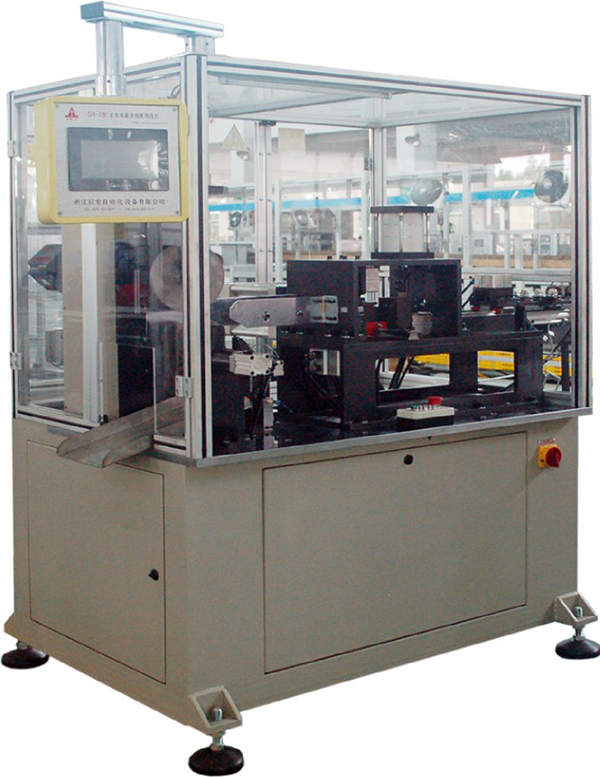
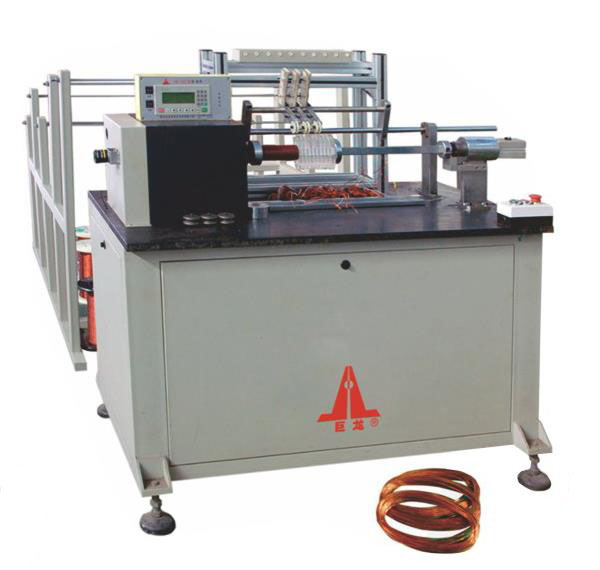
Given regional electrical grid stability challenges, diesel backup generator sets and automotive alternators are essential infrastructure assets. Our automated alternator wedge paper inserting (DFC-1) and wave-shape coil winders ensure precise winding geometry, balancing rotor dynamics and eliminating magnetic interference under heavy industrial load demands.
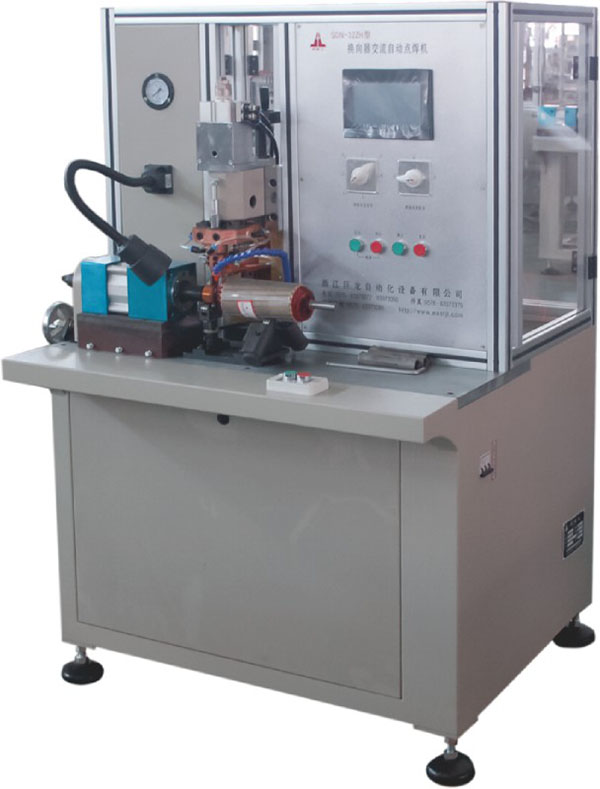
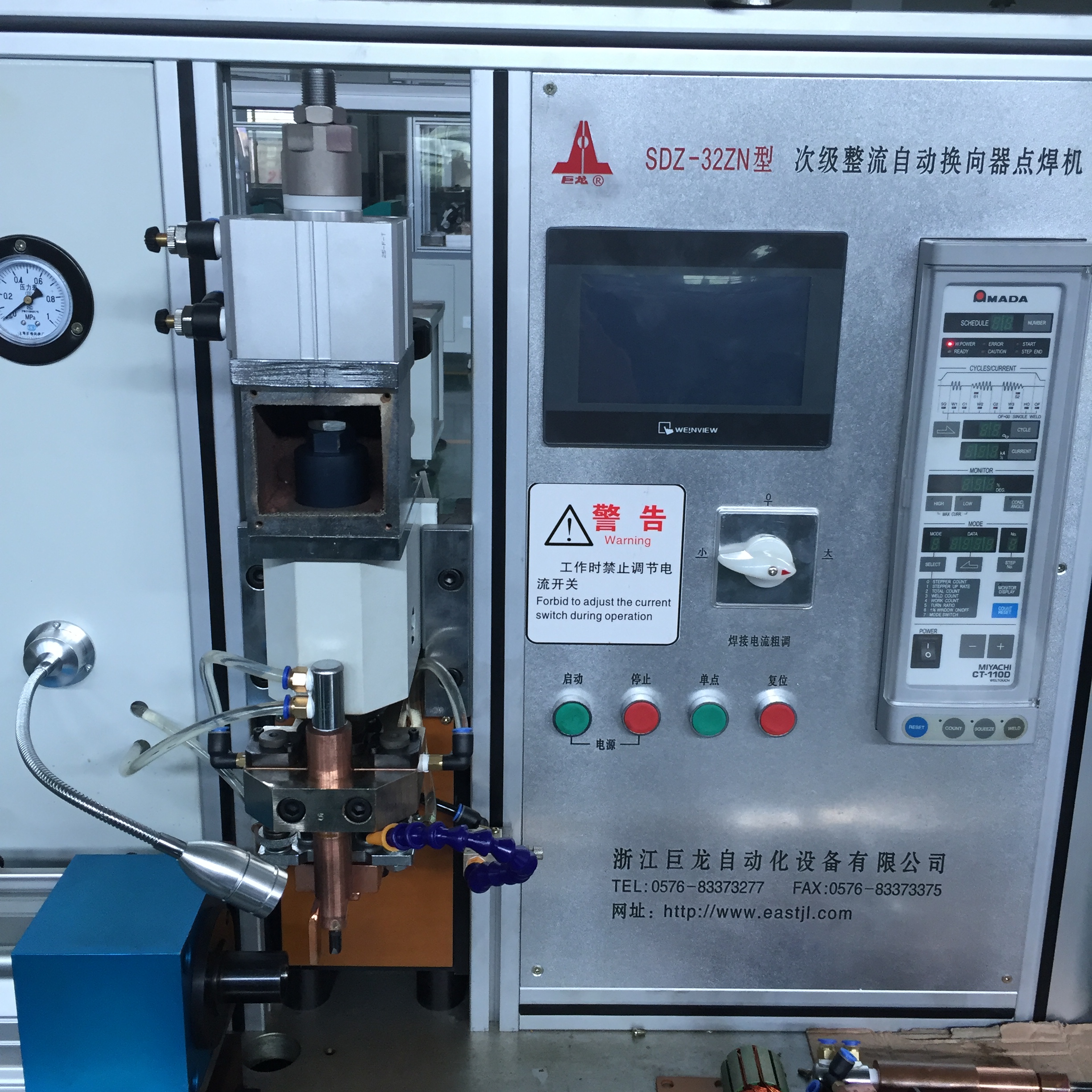
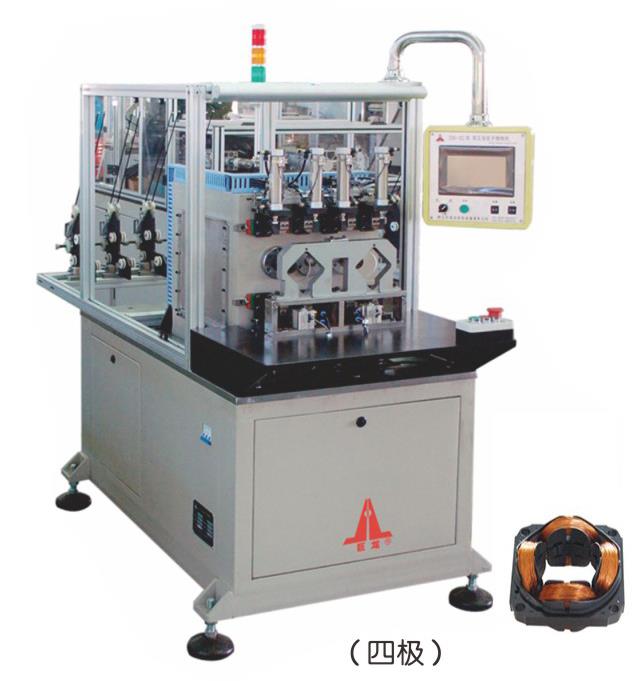
Urban Naypyidaw transportation is accelerating its transition toward electric bicycles and small three-wheeled commercial transporters. Automated BLDC stator coil winding and intelligent commutator spot welding (SDZ-120B/SDN-32ZH) guarantee consistent joint tensile strength and minimal electrical resistance across high-volume production batches.
Procurement teams and industrial planners in Naypyidaw are shifting away from fragmented, single-station secondhand equipment purchases in favor of cohesive, automated assembly lines. Three primary engineering drivers are accelerating this shift:
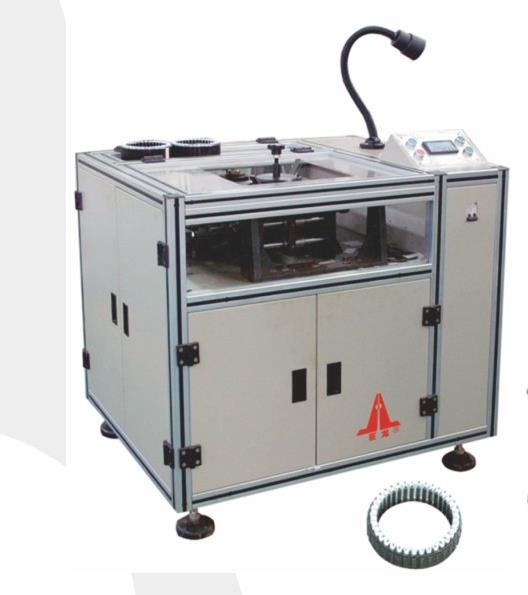
1. Shift to High-Efficiency Standards (IE3/IE4): With energy costs rising, equipment tenders for government facilities and processing plants in Naypyidaw increasingly specify high-efficiency motor classes. Achieving IE3 or IE4 efficiency requires tightly compacted slot fill factors, precision magnetic field coil winders, and distortion-free servo wire embedding that cannot be duplicated with manual labor.
2. Climate-Resilient Tropical Insulation: Standard open-bath varnishing often traps tropical humidity within the coil core, leading to internal phase shorts within six months of operation. Local enterprises are standardizing on automated horizontal trickling and curing machinery that bakes the stator pre-trickle, meters exact chemical catalysts, and hardens the resin in a continuous automated thermal cycle.
3. Operator Skill Bridging via CNC Simplicity: Factory managers in Naypyidaw frequently report shortages of specialized winding technicians. Chinese automated equipment equipped with multi-language PLC touchscreens (incorporating graphical slot-parameter programming) empowers local operators to complete complete tooling changes and wire gauge reconfigurations in under 20 minutes.
Engineering excellence, vertically integrated component manufacturing, and comprehensive export logistics designed for capital machinery deployments.
Founded in 1998, Zhejiang Rilvo Automation operates from our 60,000 m² self-owned campus in the Shatianyang Development Zone, Sanmen, Taizhou. Certified under ISO9001 quality management and China Compulsory Certification (3C), our processes meet strict international electrical and mechanical safety regulations.
Unlike trading assemblers who outsource critical components, we machine our own winding nozzles, indexing plates, and wire forming dies using more than 150 dedicated machine tools. This proprietary precision guarantees concentricity, repeatable wire feeding tension, and extended die longevity.
Led by senior chief engineers recognized by national model worker programs, our engineering staff customizes machinery around your lamination stack drawings, wire diameters, slot counts, and target takt times. Every machine undergoes exhaustive sample trial runs prior to export crating.
Practical engineering, customs, freight, and commissioning inquiries answered by our international automation engineers.
Yes. All export motor production lines shipped to Myanmar can be configured with industrial-grade voltage stabilization units, heavy-duty Schneider/Siemens electrical protection relays, and dedicated harmonic filtration units to ensure uncorrupted PLC servo operation despite regional grid sags.
We supply a comprehensive two-year critical wear-part package (including winding needles, cutter blades, inserting guides, and fusing electrodes). For installation, we provide detailed bilingual schematic manuals, complete operational video courses, and can dispatch commissioning field engineers for on-site calibration.
Every single machine is custom-tooled. When submitting an inquiry, your engineering department provides CAD drawings of your rotor/stator lamination stacks, copper wire diameters, target slot fill percentage, and expected hourly output. Our R&D team designs and validates tooling specific to your motor program.
We routinely manage export shipments under FOB Ningbo/Shanghai, CFR, and CIF Yangon Port terms. Cargo arrives via containerized ocean transit to Yangon, where it clears customs before onward bonded road transport directly to industrial parks in Naypyidaw or the surrounding Mandalay-Pyinmana corridor.
Standard standalone equipment (such as the SDN-32ZH or QR-2 winding machine) typically ships in 30 to 45 business days following drawing sign-off. Full turnkey automatic stator and armature lines require 60 to 90 days, including comprehensive factory acceptance testing with your production samples.
To facilitate smooth international transactions, Zhejiang Rilvo accepts Telegraphic Transfers (T/T), confirmed irrevocable Letters of Credit (L/C at sight), and cross-border currency clearing in USD, EUR, and direct RMB trade settlement.
Submit your stator/rotor lamination specifications, wire gauges, and daily volume targets. Our senior automation engineers will deliver an optimized process layout, cycle-time simulation, and complete budgetary proposal within 24 hours.


