Explore our industrial-grade winding, inserting, shaping, and precision welding equipment engineered to integrate smoothly with your stator slot insulation and assembly lines.
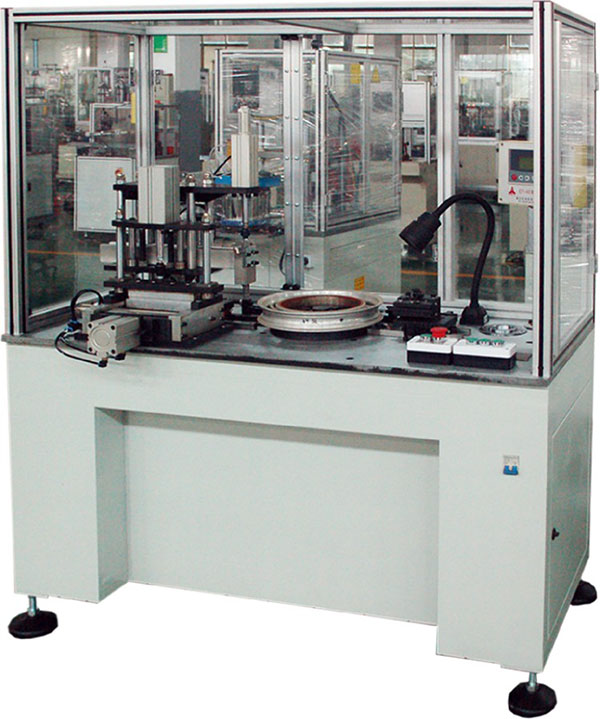
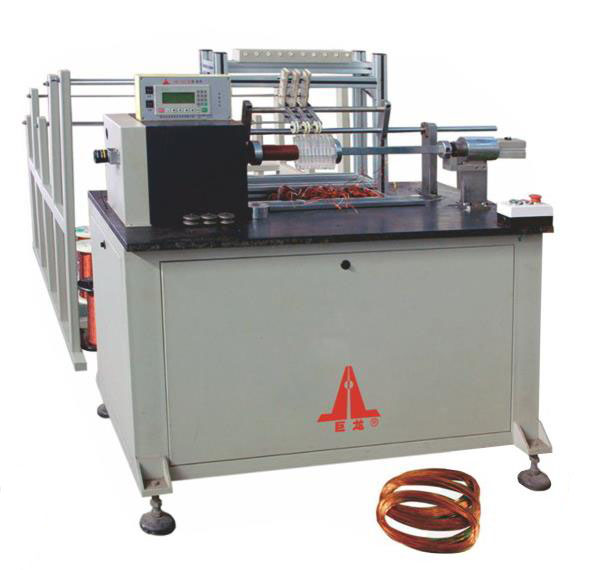
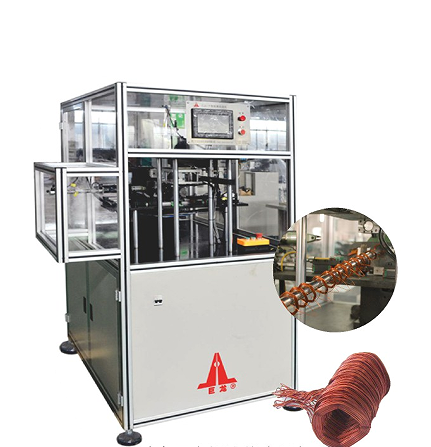
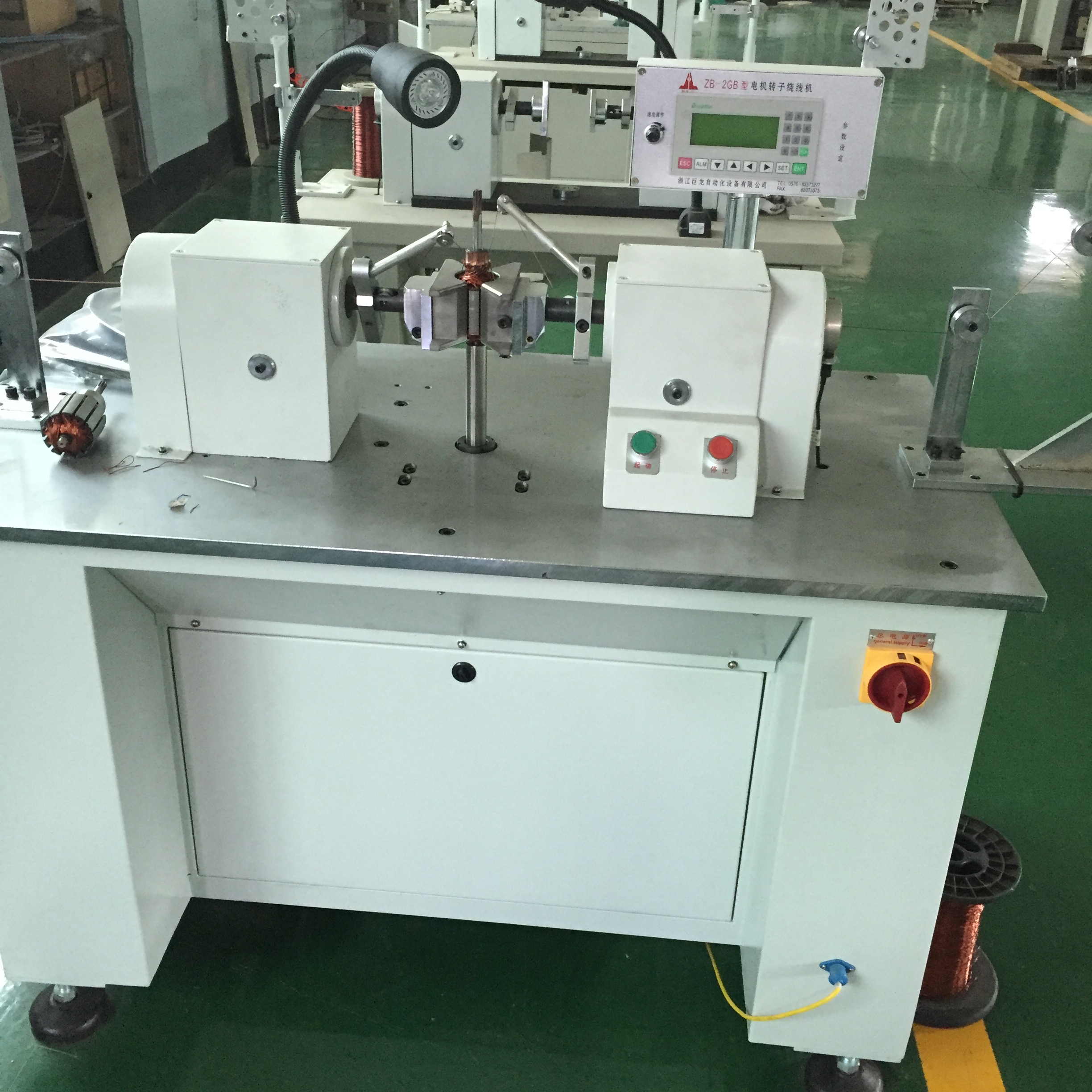
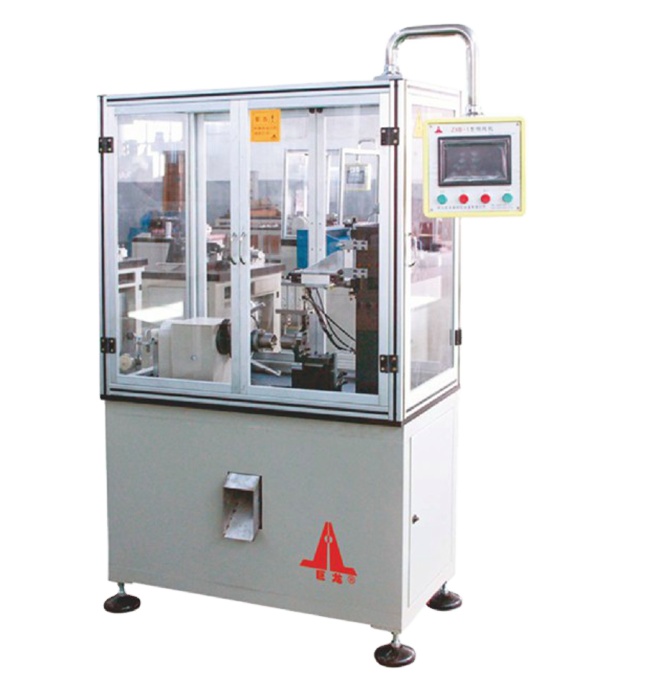
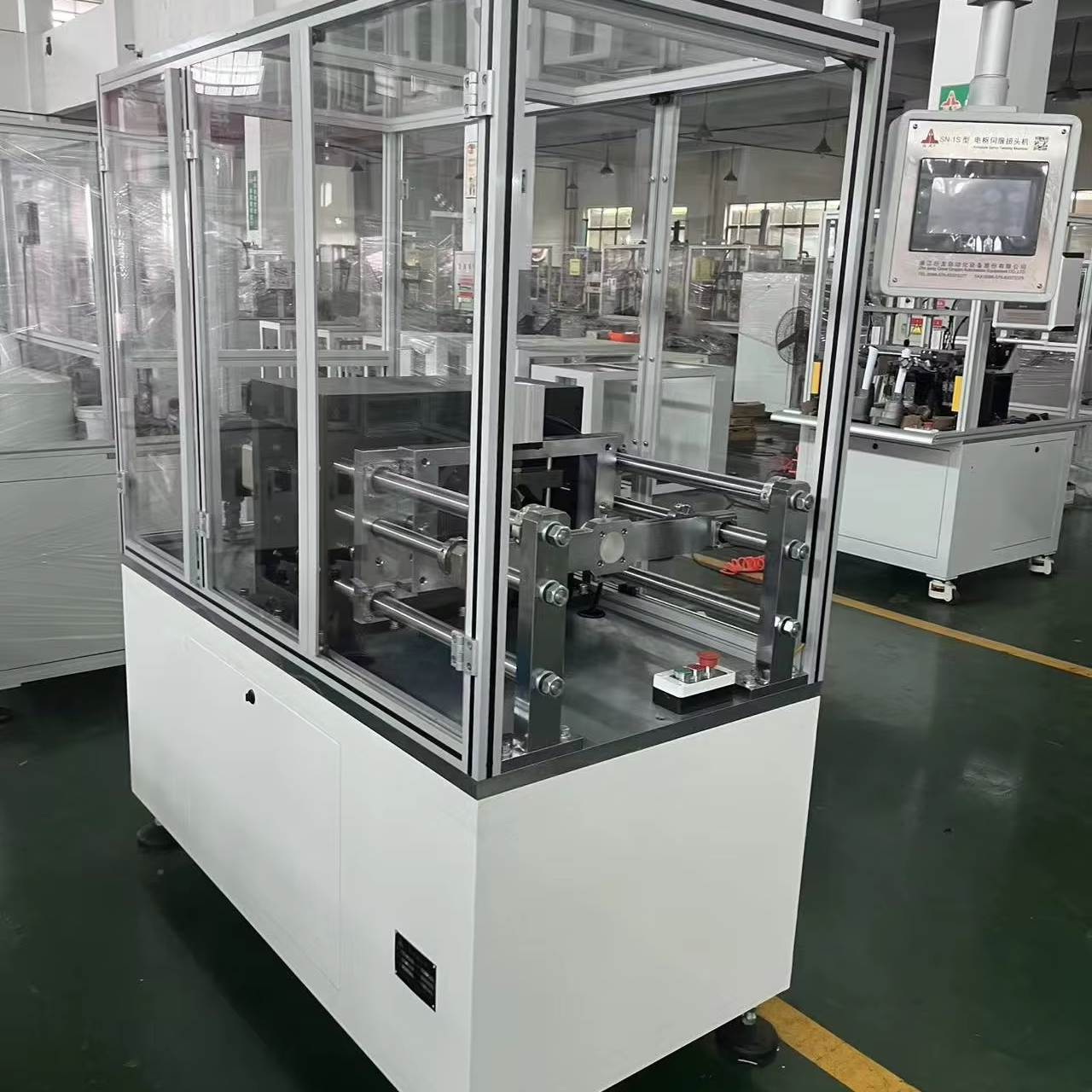
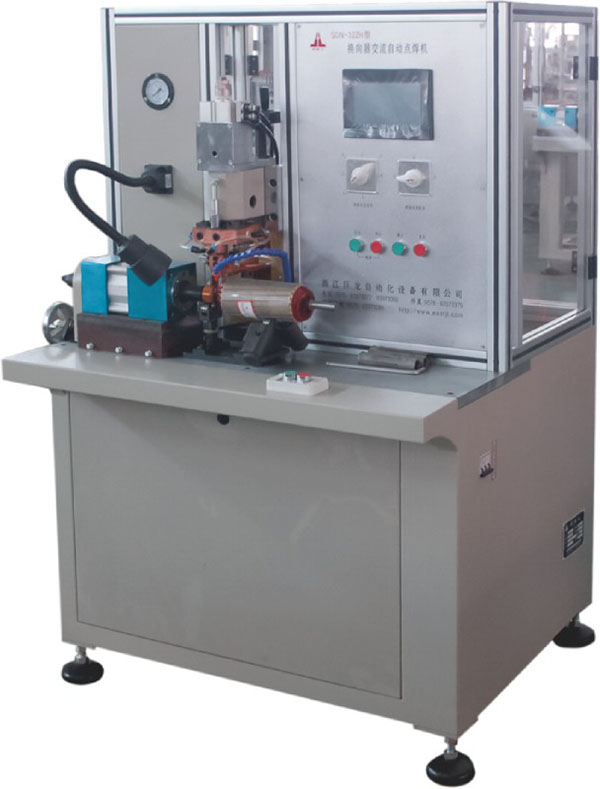
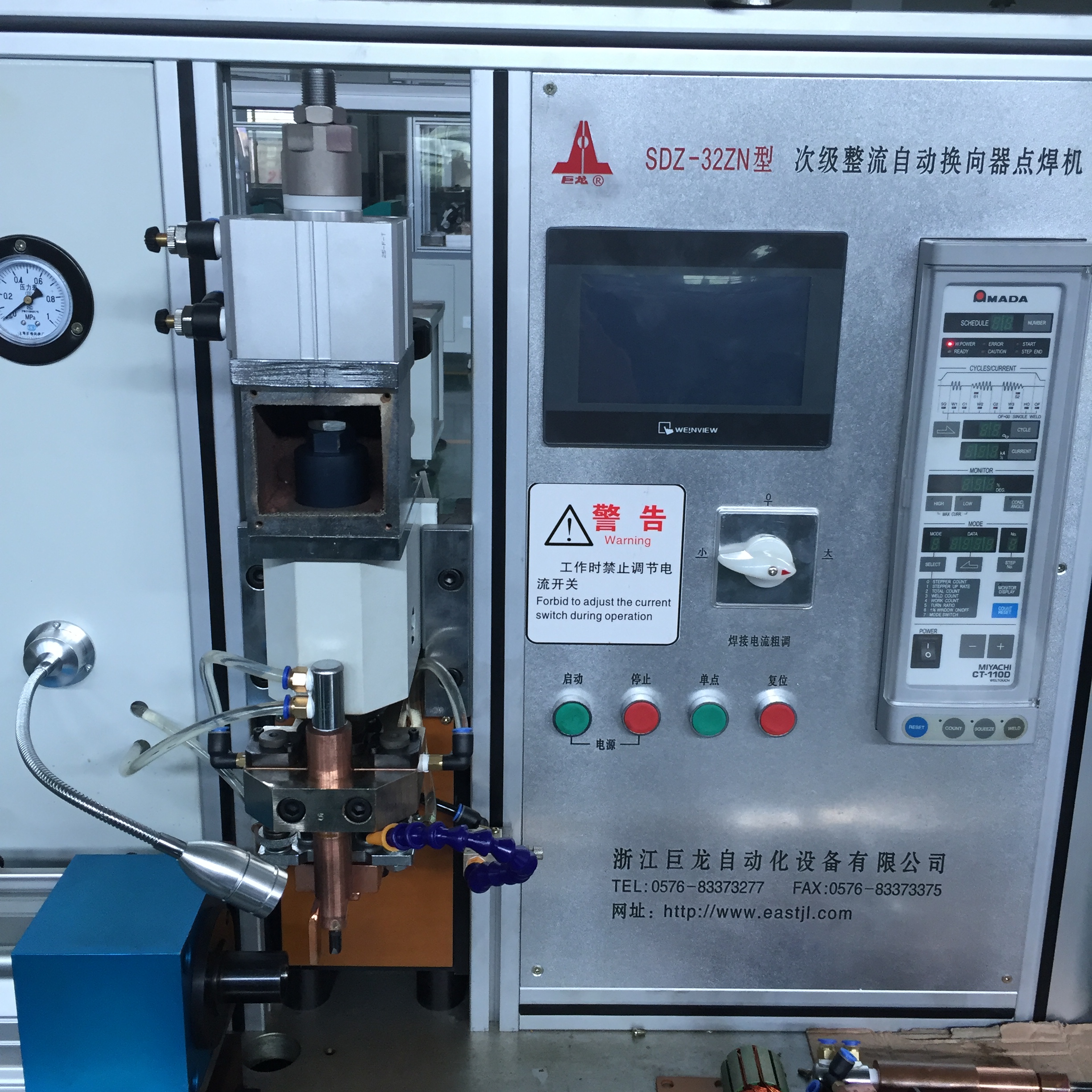
Stator slot insulation represents the primary dielectric barrier between copper magnet wire conductors and grounded silicon steel laminations. In high-performance electric motors, whether intended for automotive traction, industrial pumps, or clean energy generation, the integrity of the slot cell paper directly determines mean time between failures (MTBF), resistance to partial discharge, and protection against dielectric breakdown under high pulse-width modulation (PWM) voltage stress.
Modern stator slot insulation machines must execute several mechanical actions simultaneously with sub-millimeter precision: decoiling composite insulation substrates (such as Nomex®, DMD, NMN, or pure Mylar®), edge-creasing the material to match tooth contours, cutting precise cell lengths with burr-free rotary shears, forming cuffed ends to prevent edge tearing during coil insertion, and pushing the formed paper cell axially into the stator slots within fractions of a second.
For manufacturers sourcing from China for installation in Maldonado, Uruguay, machinery must be capable of processing varying lamination stack heights, skewed slot profiles, and asymmetric slot geometries without requiring entire tooling changeovers. Modern programmable servo drives allow changeovers between distinct stator stack designs in less than 20 minutes.
Strategic deployment of automated stator insulation, coil winding, and assembly machinery across key industrial clusters throughout the Department of Maldonado and greater Uruguay.
Maldonado's prominent role in Uruguay's clean energy transition demands robust motor and alternator maintenance. Regional manufacturing plants and refurbishment facilities utilize stator slot insulation machines for auxiliary wind turbine motors, pitch control actuators, and yaw drive rewind operations requiring Class F and H insulation stability.
Serving Uruguay’s automotive aftermarket, Maldonado and nearby San José transport corridors require high-speed, repeatable machinery for starter motor stators and alternators. Combining automatic slot paper inserting with models like our SN-1S Armature End Twister and ZB-2GB Winder guarantees OEM-level component rebuilt standards.
Regional dairy, food processing, and maritime operations rely on high-durability electric submersible pumps and fan drives. Stator slot insulation equipment ensures that replacement and new-build pump motors withstand humid coastal marine air and continuous high-temperature operating cycles without slot ground faults.
As Uruguay leads Latin America with over 98% renewable grid electricity, the local industrial base in Maldonado is actively shifting toward secondary manufacturing and remanufacturing of electrified transport and agricultural equipment. This transition drives specific machinery upgrades:
Driven by e-mobility and compact industrial actuators, stators with high copper fill factors are replacing round wire designs. This requires slot cell insulation that fits closely to rectangular slot walls without snagging during rectangular bar insertion.
Maldonado engineering plants are increasingly adopting Industry 4.0 inspection protocols. Stator insulation machines equipped with optical slot sensors and servo load tracking verify that every slot cell has reached full insertion depth prior to indexing.
Given the diverse batch sizes common in Uruguayan assembly plants, multi-profile indexing dials that handle 24, 36, 48, and 72-slot stators via simple touchscreen recipe selection minimize plant downtime and maximize capital efficiency.
Established in 1998 in the Shatianyang Development Zone of Sanmen, Taizhou, Rilvo Automation is a recognized High and New Technology Enterprise of Zhejiang Province. Operating across nearly 60,000 m² of specialized manufacturing infrastructure, we deliver turnkey stator winding, slot insulation, commutator welding, and electrostatic powder spraying lines worldwide.
Essential guidance for Uruguayan mechanical engineers, plant managers, and procurement officers importing motor manufacturing automation.
Yes. Customization is our core engineering strength. By supplying your stator lamination DWG/DXF drawings, stack height range, slot opening width, and paper material specifications, our 36-person R&D team manufactures custom forming dies, cuffs, and insertion fingers tailored specifically to your lamination geometry.
Machinery delivered to Maldonado and Montevideo is custom-wired to match Uruguay's standard industrial grid of 220V/380V at 50Hz. Control circuits, PLC power supplies, and servo controllers utilize CE-certified industrial hardware compatible with Uruguayan electrical standards.
We provide full export documentation under FOB Ningbo, CIF Montevideo, or DAP terms. Shipments are packed in solid, export-grade fumigated wooden crates treated with anti-corrosion barrier packaging for maritime transport across South Atlantic routes. We support your local customs broker with packing lists, commercial invoices, and certificates of origin.
Our feed mechanisms handle all standard industrial motor insulation papers including Nomex®, DMD, NMN, polyester film (Mylar®), and composite insulating laminates ranging in thickness from 0.12mm to 0.40mm. Cold-creasing and heated edge-forming options ensure crisp cuffs that do not crack.
Every unit ships with an essential spare parts kit including replacement blades, feed rollers, and forming blocks. We provide comprehensive English-language operational manuals, electrical schematics, PLC parameter backups, and direct video technical support. Onsite engineer commissioning is available for complete turnkey lines.
The Minimum Order Quantity (MOQ) is one set. Standard stator slot insulation and winding machines typically require 30 to 45 business days for precision tooling manufacturing, assembly, and trial testing with your sample laminations prior to dispatch.


