Our turnkey electrical apparatus systems integrate dynamic rotor balancing stations, automated armature winders, stator coil embedding presses, and precision spot welders designed for rugged dependability across South American industrial facilities.
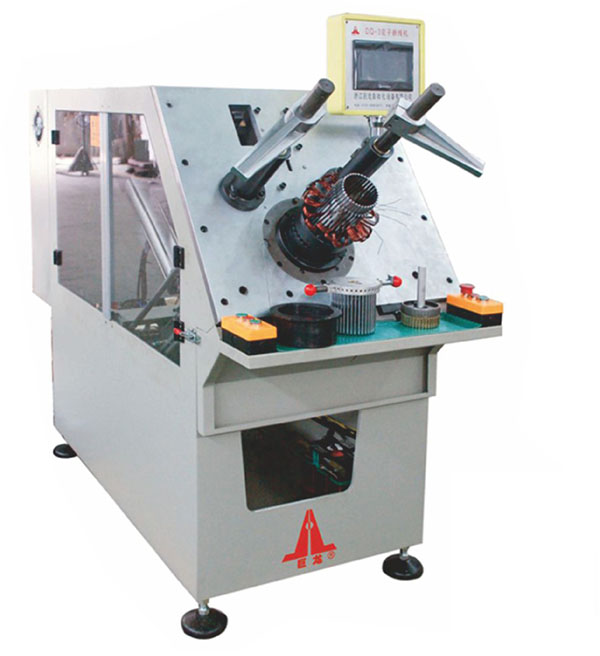
Engineered for automotive alternators and mid-frame synchronous generator stators. Ensures simultaneous insertion of phase coils and slot insulating wedges without scratching enameled magnet wire.
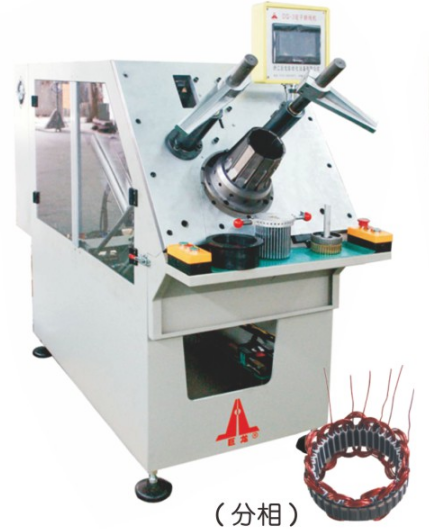
Tungsten carbide push rods, heat-treated guide leaves, and modular copper slot pushers crafted specifically to reduce downtime in remote mining locations where replacement parts are critical.
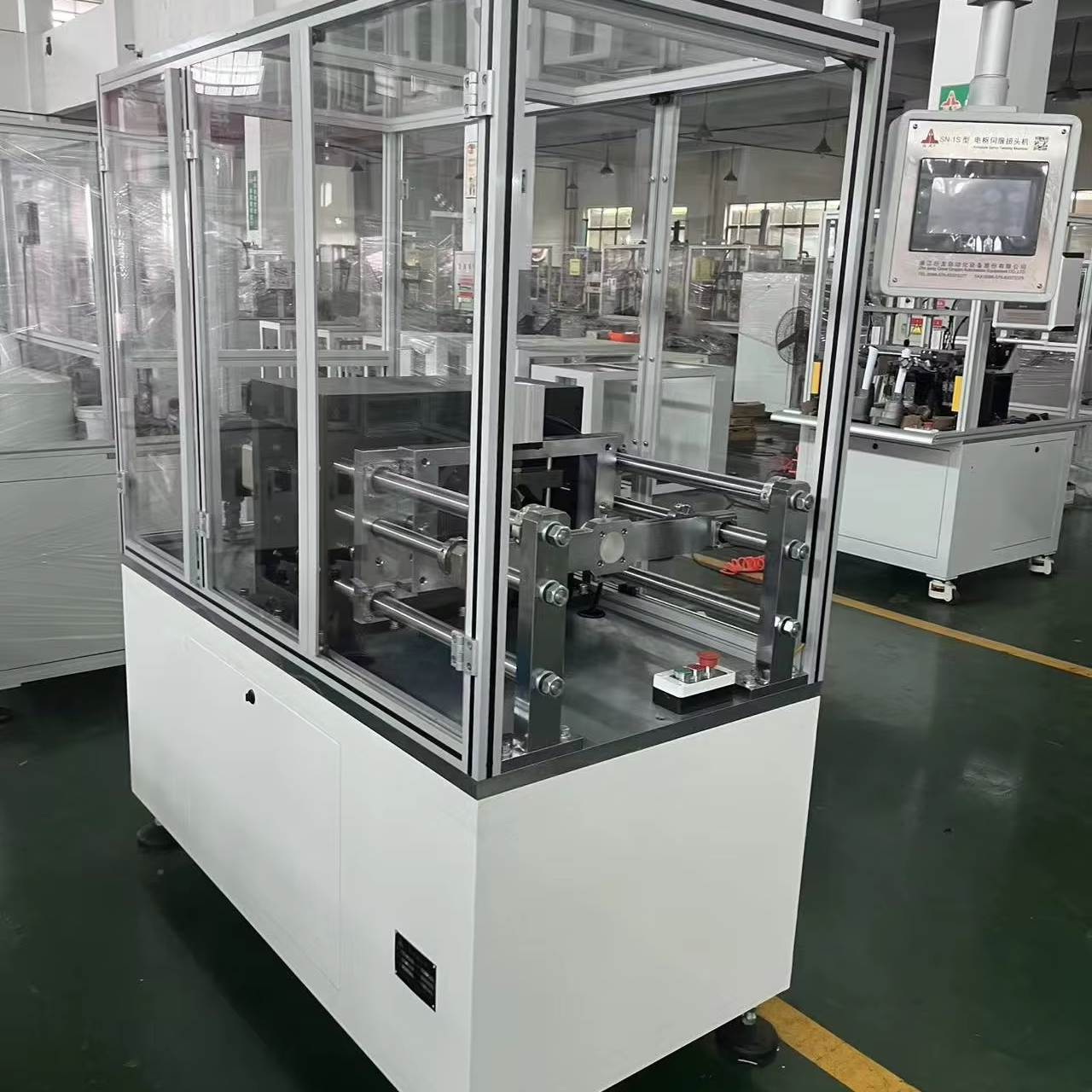
Multi-axis servo-controlled end-twisting unit. Delivers millimetric angular lead orientation for high-speed starter armatures, essential prior to two-plane dynamic balancing on DC rotors.
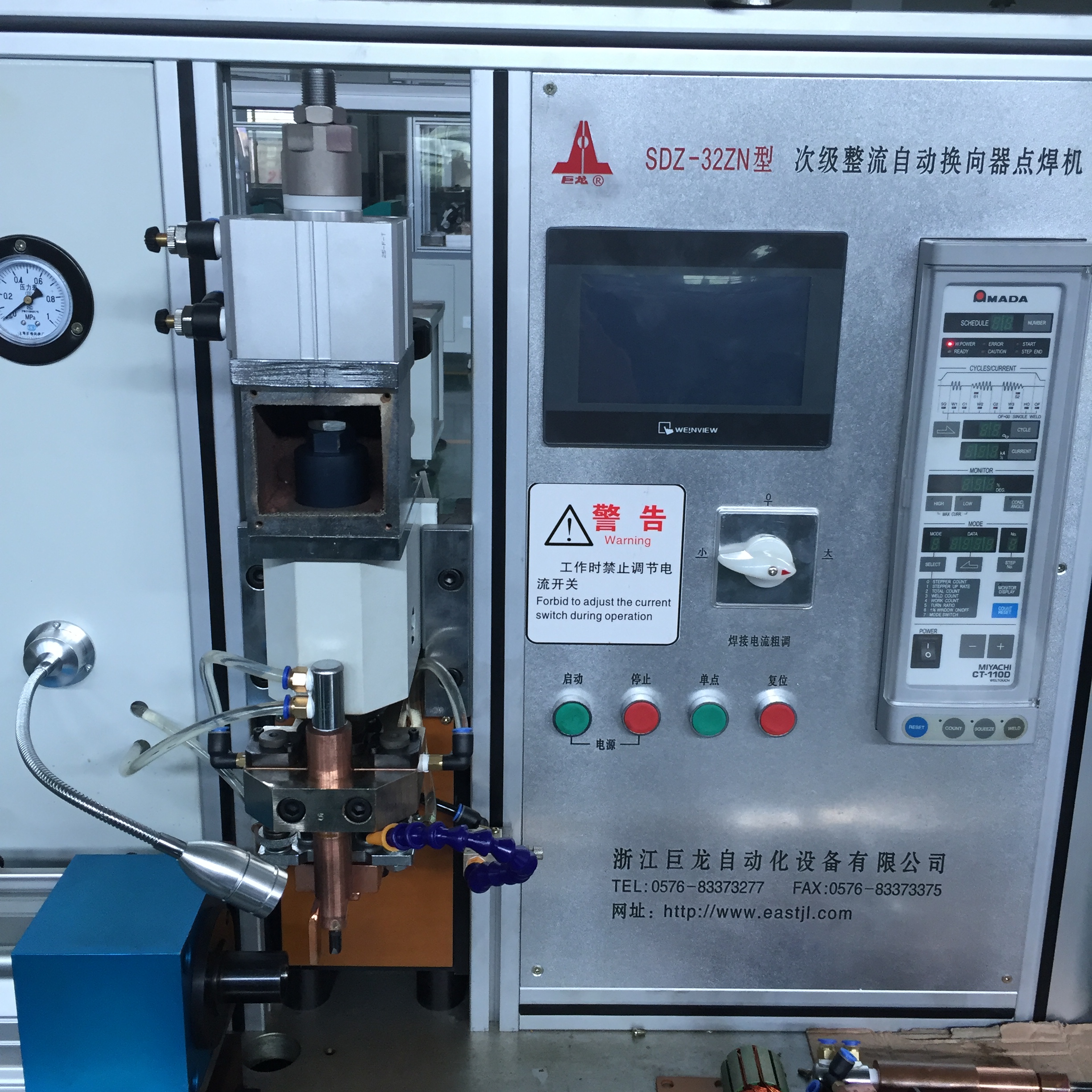
Heavy-duty resistance welding system for hot-staking commutator tangs and terminal contacts. Features digital microsecond impulse modulation to eliminate localized thermal distortions on rotor shafts.
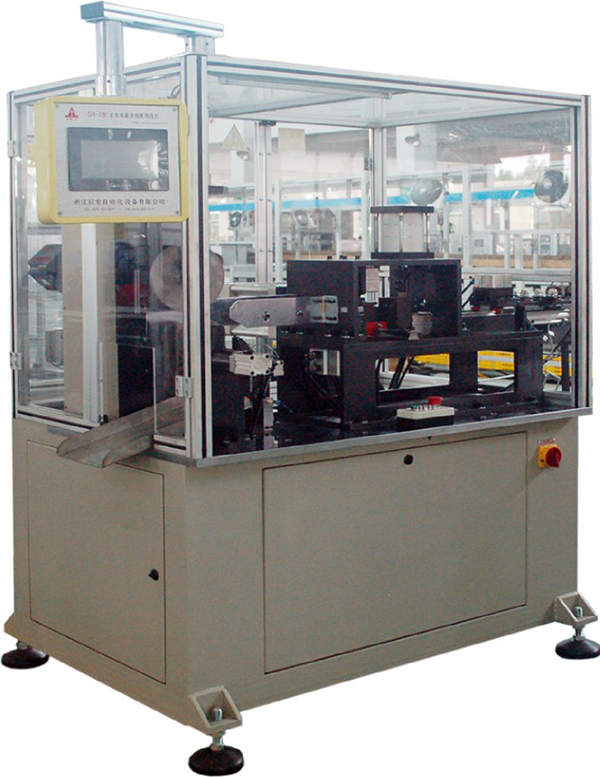
Versatile automatic winder featuring variable magnetic-tension pay-off mechanisms. Handles heavy-gauge copper coils for three-phase industrial drives, pump motors, and marine winches.
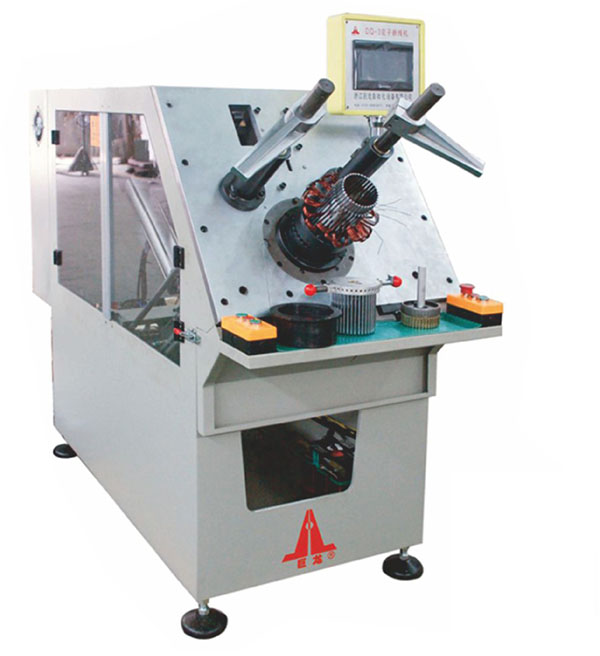
Hydraulic/servo hybrid configuration designed for medium-to-large motor stators. Ensures high slot-fill ratios and precise overhang forming across heavy-duty industrial electric motors.
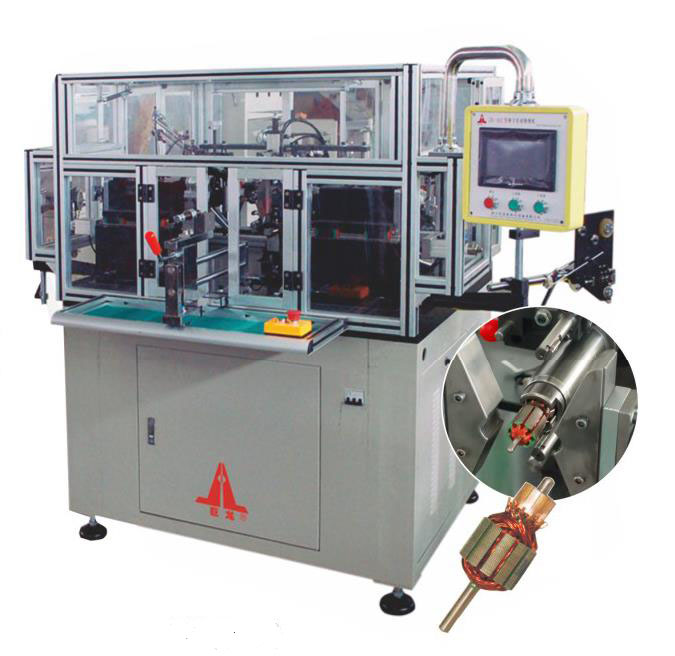
Integrated multi-stage manufacturing station supporting continuous high-speed rotor winding, wedge containment, and direct conveyor linkage into digital rotor balancing cells.
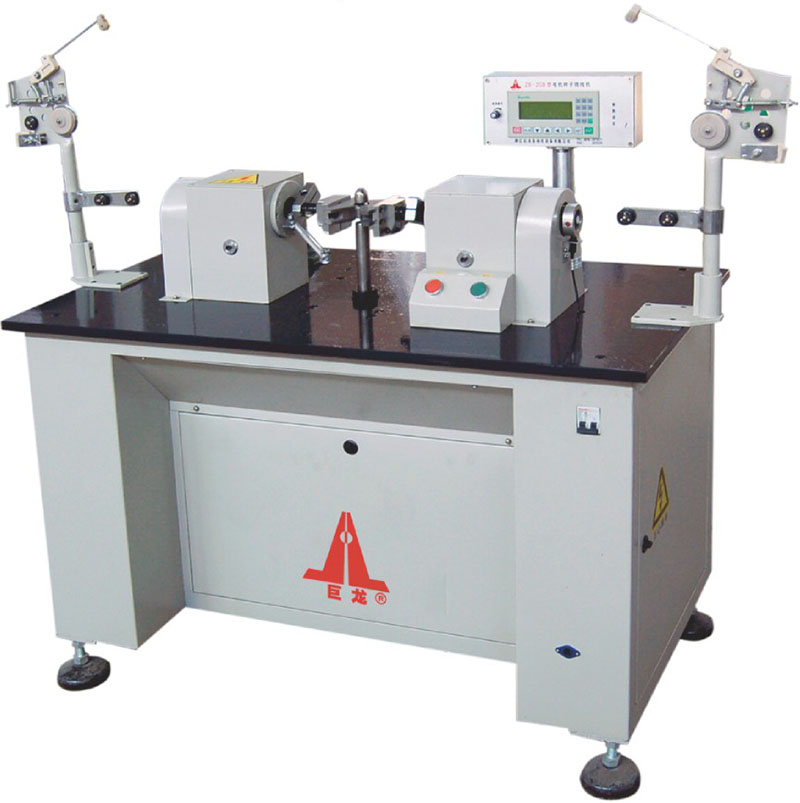
Configured specifically for power-tool universal armatures such as the 1900B planer series. Balances rapid tooling changeover with repeatable slot indexing and uniform copper layering.
Uncorrected centrifugal imbalance constitutes the primary source of premature bearing destruction, shaft fatigue, and acoustic degradation in rotating apparatus. Understanding the technical mechanics of dynamic balancing ensures your procurement matches exact operational loads.
While thin disk-shaped rotors (such as narrow pulleys or single-stage fan impellers) can often be brought within compliance via static, single-plane balancing, elongated cylindrical motor armatures and multistage generator shafts require simultaneous two-plane dynamic analysis. Couple unbalance—where two unbalance masses exist 180 degrees opposite each other at differing shaft coordinates—creates severe gyroscopic rocking moments that only hard-bearing, dual-transducer dynamic balancing machines can resolve.
Our industrial rotor balancing installations utilize stiff, piezoelectric hard-bearing pedestals capable of operating well below the rotor's natural resonance frequency. This design eliminates the necessity for tedious trial-weight calibration calibration runs on standard batches. For Suriname's high-throughput maintenance shops, hard-bearing systems permit instant digital determination of centrifugal force vectors (phase angle and gram-millimeter magnitude) on the initial spin.
Export-grade industrial machinery must guarantee compliance with international balancing quality grades. We build balancing apparatus tailored to specific rotor categories: Grade G6.3 for commercial fans and heavy process pump rotors; Grade G2.5 for continuous-duty industrial electric motor armatures and gas compressor shafts; and ultra-stringent Grade G1.0/G0.4 for high-speed CNC spindle heads, turbochargers, and high-frequency marine alternators.
Suriname's heavy natural resource extraction, expanding offshore petroleum logistics, and tropical riverine infrastructure require rotating equipment capable of 24/7 durability amid extreme humidity, ambient saline air, and abrasive particulate loads.
Suriname's major open-cast gold operations (such as Rosebel and Merian) and historical bauxite processing plants depend on massive slurry pumps, flotation blowers, and rod-mill drive motors. Abrasive mineral dust accelerates uneven blade erosion, inducing violent mechanical imbalance.
The rapid emergence of the Suriname-Guyana offshore oil basin alongside the Tout Lui Faut refinery requires precision dynamic balancing for multi-stage centrifugal feed pumps, gas turbines, and API-spec explosion-proof induction motors operating in volatile marine environments.
Vessels servicing the Paramaribo shipping lanes, bauxite barges, and offshore supply tugs face heavy shaft misalignment and propeller imbalance caused by river silt and debris. Local drydock machine shops require versatile balancing benches for shafting and bow thrusters.
The Brokopondo Reservoir's Afobaka Hydroelectric project powers much of the national grid. Auxiliary generator exciters, governor hydraulic pump rotors, and forced-air cooling blowers necessitate periodic re-balancing during overhauls to avert catastrophic cavitation.
Suriname's tropical hardwood processing mills subject high-speed planer cutterheads, chipper drums, and dust collection cyclones to immense shock loads. Rotor unbalance causes rapid bearing failure and uneven surface finishes on exported timber lumber.
Independent motor repair and rewinding facilities in Paramaribo serve regional agricultural machinery and cold storage plants. Pair our SN-1S armature winders and ZB-303 rotor lines with dynamic balancers to return rewound motors back to factory-original vibration tolerances.
The Surinamese industrial equipment landscape is undergoing rapid modernization driven by foreign direct investment in energy, strict mining environmental compliance, and the push toward domestic electro-mechanical service capabilities.
Historically, major industrial enterprises in Suriname shipped critical generator rotors and large pump impellers to Trinidad, Brazil, or the United States for precision balancing and rewinding. Soaring air-freight tariffs and supply chain lead times have catalyzed intense capital investment in domestic balancing benches and automatic coil inserting machines across Paramaribo machine shops.
Surinamese mining and oil facilities are mandating ISO 21940-compliant digital calibration reporting for all overhauled rotating assets. Modern balancing benches must feature computerized industrial touchscreens, automated ISO compliance report generation, Ethernet connectivity, and cloud diagnostics, enabling remote engineering verification from international headquarters.
Suriname's tropical climate features relative humidity levels routinely exceeding 85% and year-round ambient temperatures averaging 31°C. Industrial buyers increasingly specify hermetically sealed electrical control enclosures, tropicalized anti-fungal PCB varnish coatings, and anti-corrosive stainless-steel bedway covers on all imported machine tools to prevent premature failure.
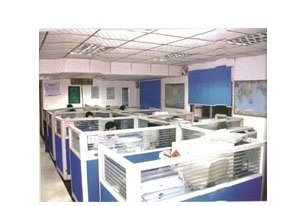
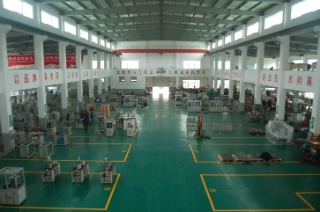
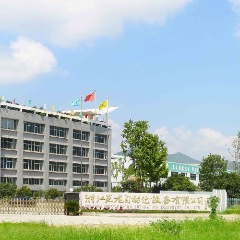
With more than 27 years of dedicated research, development, and mass production in electrical motor manufacturing equipment, Zhejiang Rilvo Automation operates as a recognized National High and New Technology Enterprise. Our modern manufacturing campus in the Shatianyang Development Zone of Sanmen encompasses nearly 60,000 m² of specialized industrial space.
We retain over 150 dedicated personnel, including a 36-member specialized R&D engineering department led by senior engineers recognized by the All-China Federation of Trade Unions. Every machine framework, dynamic sensor mounting, spindle head, and servo-indexing plate is machined in-house across our park of 150+ advanced CNC milling centers, ensuring micron-level accuracy.
Key commercial, technical, and logistics considerations for importing precision rotor balancing and motor production machinery into Paramaribo, Nieuw Nickerie, and interior concessions.
Whether you are outfitting a heavy marine repair dockyard in Paramaribo, retrofitting a bauxite processing mill, or establishing an electric motor repair center, our technical sales engineers will prepare a comprehensive machine selection and process proposal tailored to your workpiece blueprints.
Direct response within 8 business hours from senior export engineers.


