Explore our core turnkey machinery for electric motor lamination processing, high-speed armature winding, CNC turning, and commutator hook fusion, built under ISO9001 quality parameters.
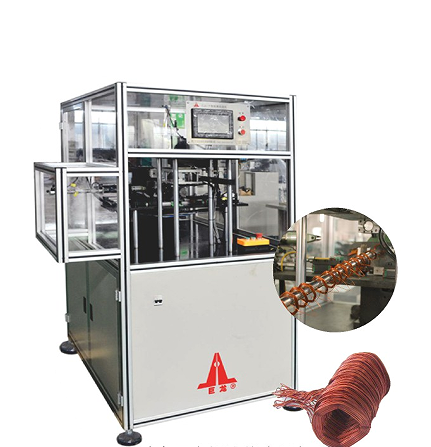
High-precision servo winder engineered for rectangular copper conductors, eliminating enamel fatigue and maximizing slot fill factors in heavy-duty generator armatures.
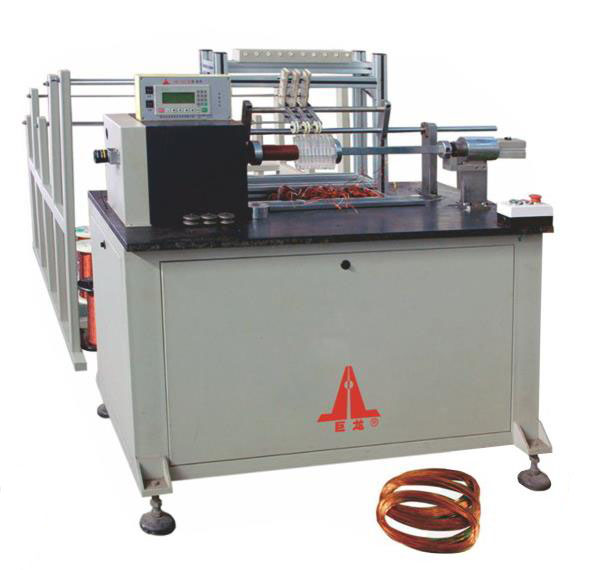
Automated dual-flyer winding station designed for 2-to-8 pole industrial induction motor stators with programmable layer pitch, dynamic tension control, and quick tooling changeovers.
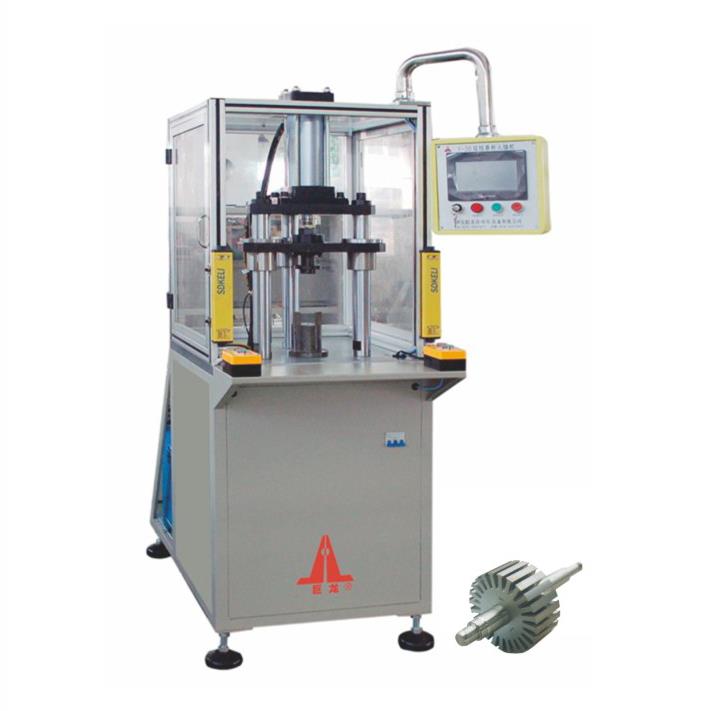
Hydraulic-servo integrated pressing machine ensuring micron-level shaft runout concentricity and repeatable stack alignment for automotive starters, pump impellers, and auxiliary DC motors.
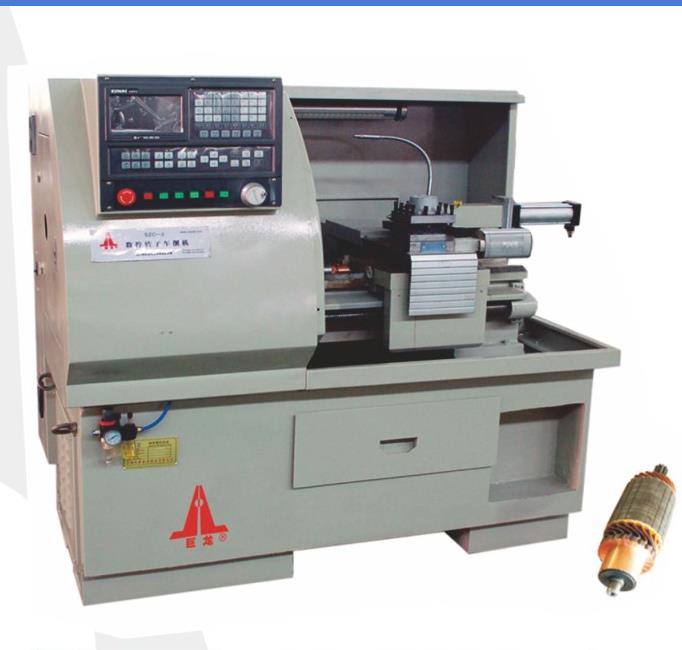
High-rigidity diamond turning system delivering mirror-finish commutator surfaces, minimizing brush arc, eliminating copper flash between segments, and maintaining true roundness under 0.003mm.
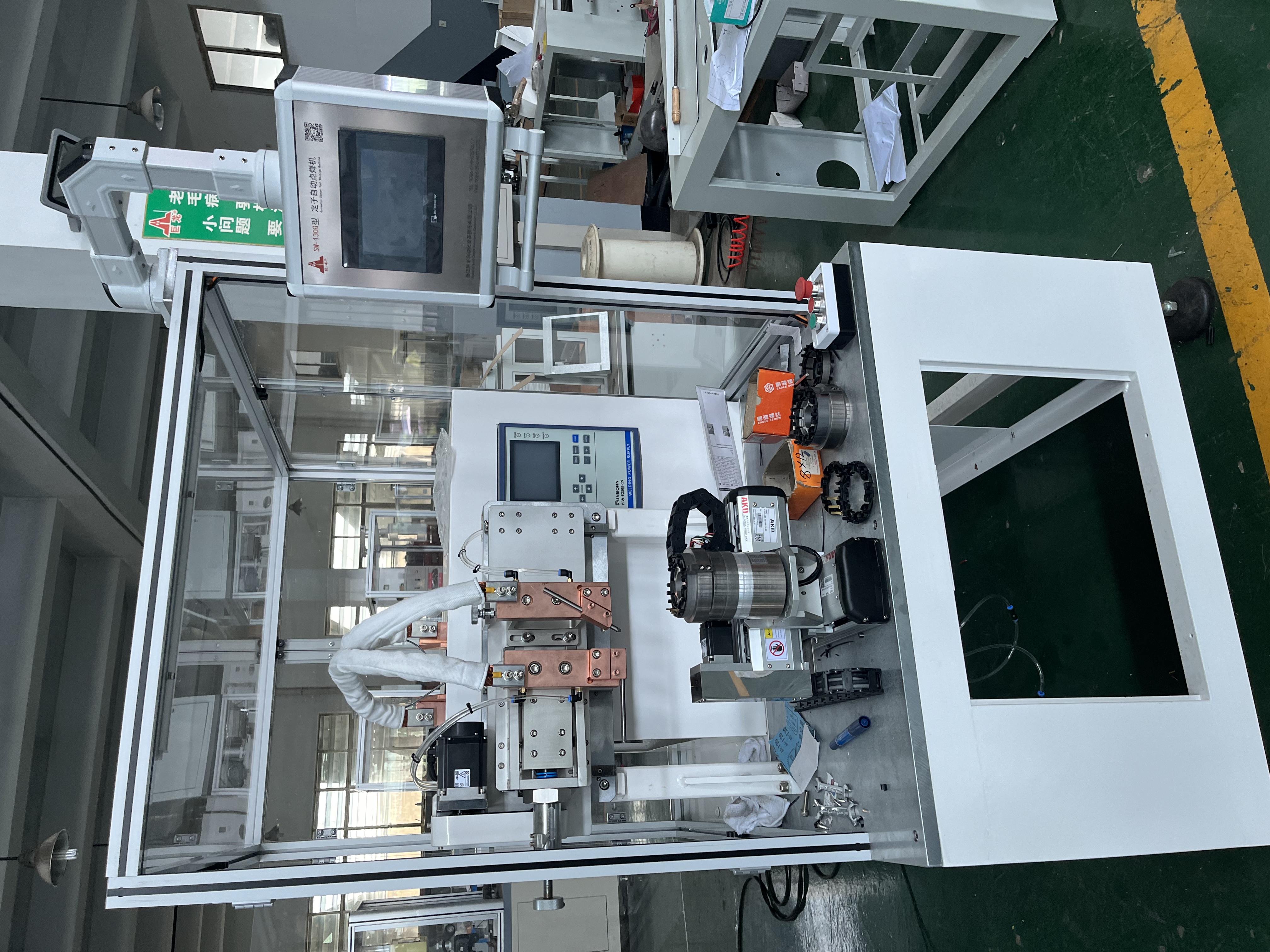
Inverter-grade precision resistance and laser welding solution for brushless DC motor terminals and copper busbars, preventing thermal degradation of surrounding winding insulation.
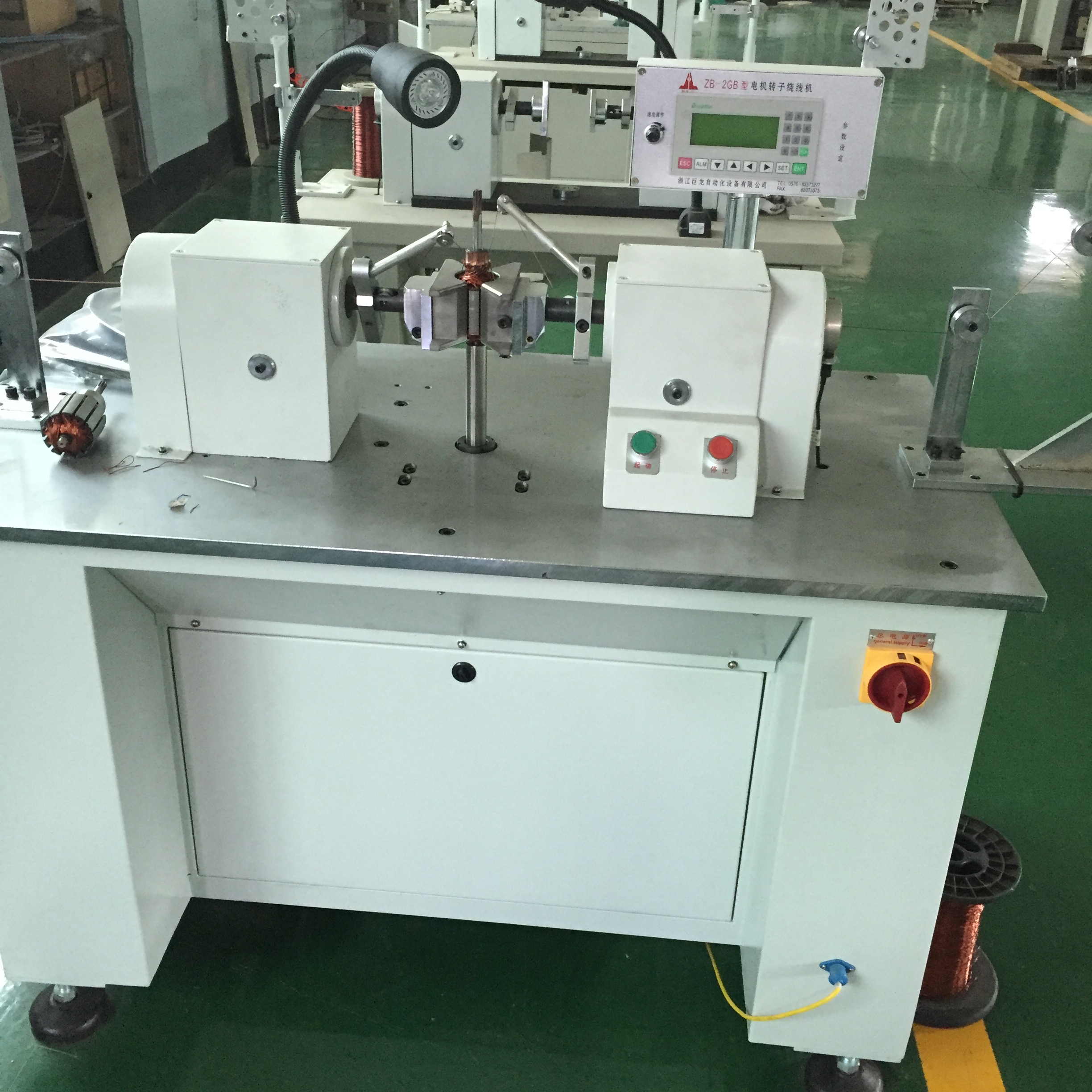
Robust double-flyer armature winding machine offering variable angle indexing, programmable winding turns, and pneumatic wire tensioning for continuous medium-to-high batch production.
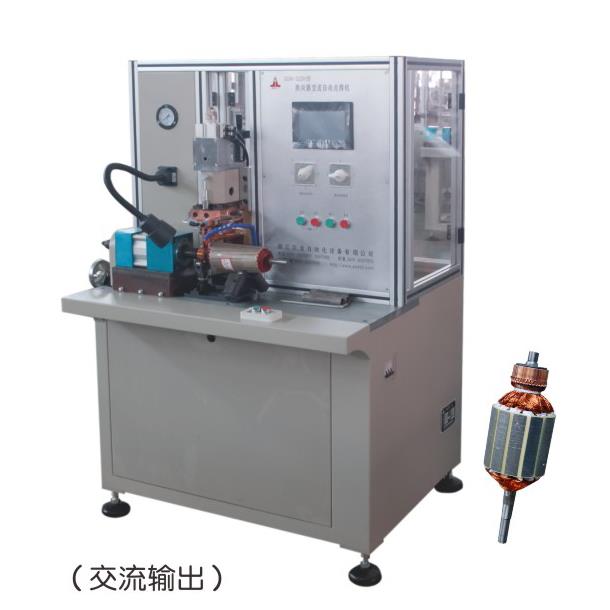
Intelligent hot-staking resistance welder that strips magnet wire enamel and creates an atomic metallurgical bond at the commutator tang without requiring toxic chemical fluxes.
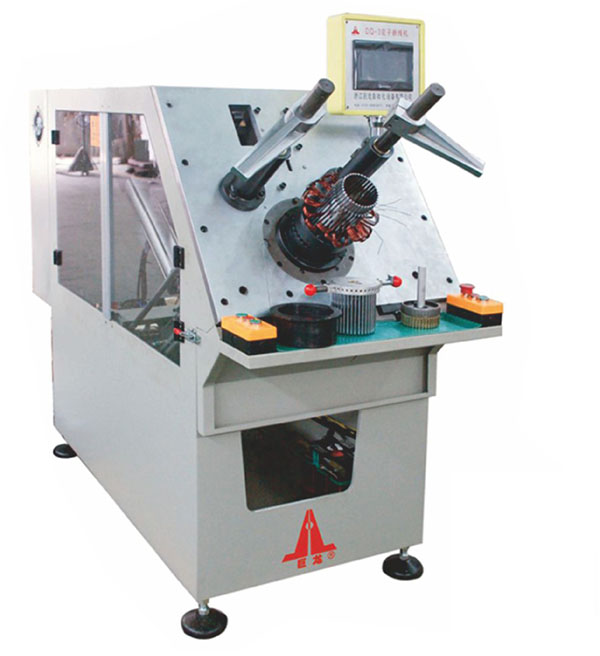
Simultaneous coil pushing and wedge paper inserting equipment designed to prevent inter-turn short circuits and insulation scraping during dense slot filling across diverse stack heights.
A strategic technical analysis of localized rotor manufacturing, automated armature finishing, and industrial electro-mechanical revitalization in the Cap-Haïtien commercial corridor.
The Northern Corridor of Haiti, anchored by the deep-water Port of Cap-Haïtien and adjacent economic zones such as the Caracol Industrial Park, faces unique infrastructural realities. Marine salt-spray, ambient tropical humidity exceeding 80%, and decentralized power grids characterized by frequent voltage variations place extraordinary thermal and mechanical stresses on alternating current (AC) and direct current (DC) electric motors. In mining, sugarcane processing, coffee grinding, cold-storage logistics, and marine transport, motor failures are overwhelmingly mechanical and dielectric in origin—specifically rotor shaft deflection, commutator bar burning, and wire insulation breakdown caused by unmitigated mechanical vibration.
Historically, local repair workshops in Quartier-Morin, Vaudreuil, and the coastal dockyards of Cap-Haïtien have relied on legacy manual engine lathes and rudimentary soldering irons for rotor reconditioning. Manual turning leaves microscopic serrations and eccentricities on the commutator circumference. When paired with inconsistent balance weights, the resulting high-speed vibration deteriorates carbon brushes, induces brush sparking (arcing), and triggers catastrophic inter-bar short circuits.
Transitioning to dedicated, automated rotor machining equipment—such as the SZC-3 CNC Numerical Control Rotor Lathing Turning Machine and automated shaft assembly presses like the Y-30—transforms this dynamic. By maintaining precise dimensional tolerances, mirror surface lathing (Ra < 0.4 µm), and controlled shaft pressing pressures, industrial motor operators in Cap-Haïtien achieve operational lifespans comparable to original OEM components imported from North America or Europe, but at a fraction of procurement lead times and logistics costs.
A complete turnkey rotor manufacturing line operates as an interconnected, closed-loop cyber-physical system. Each station addresses a critical metallurgical, mechanical, or electrical variable to guarantee consistent electromagnetic induction:
Utilizing high-precision servo hydraulic systems (e.g., Model Y-30), lamination stacks are pressed onto knurled alloy shafts with precise tonnage monitoring. This prevents core slippage under peak starting torque and maintains concentric alignment without damaging the silicon steel insulation varnish.
Automated slot paper inserting precedes dual-flyer precision winders (such as the ZB-2GB). CNC-controlled wire tensioning ensures tight, symmetrical coil distribution within rotor slots, preventing end-turn bulging that can interfere with motor end-bells during dynamic operation.
The SDN-32ZH fuses magnet wire leads into commutator riser slots using regulated microsecond current bursts. Thermal heat instantly volatilizes copper enamel while localized forging pressure creates a homogeneous crystalline copper joint with negligible electrical resistance.
Mounted on the SZC-3 lathe, the rotor rotates on its actual bearing journals rather than lathe centers. Polycrystalline diamond (PCD) cutting tools remove copper down to sub-micron accuracy, ensuring complete elimination of bar step irregularities and copper burrs in mica undercuts.
Microprocessor-driven dynamic balancing instrumentation identifies angular mass imbalance at operating speeds up to 15,000 RPM. Automated fiber-laser de-weighting or epoxy-clay addition balances the armature down to ISO 1940 Grade G1.0/G2.5, virtually eliminating bearing wear.
Controlled pre-heating, continuous resin trickling (via systems like DQ-226/100), and infrared curing seal winding cavities. In Cap-Haïtien’s saline coastal environment, full resin encapsulation prevents moisture absorption, chemical attack, and corona discharge failures.
To quantify the return on investment for industrial facilities in Northern Haiti, the technical table below illustrates key performance indicators comparing legacy manual rewinding practices with an integrated Rilvo Automated Rotor Line:
| Performance Parameter | Legacy Manual / Bench Workshop | Rilvo Automated CNC Rotor Line | Local Impact in Cap-Haïtien |
|---|---|---|---|
| Commutator TIR Runout | 0.025 mm – 0.050 mm | < 0.003 mm | 8x Brush Longevity Eliminates premature arcing on generator exciters |
| Dynamic Vibration Grade | ISO G6.3 to G16 (Uncalibrated) | ISO 1940 G1.0 / G2.5 | Quiet Operation Protects costly anti-friction bearings in pump stations |
| Hook Fusing Voltage Drop | 0.8 mV – 2.5 mV (Soft Solder) | < 0.15 mV (Molecular Fusion) | Zero Solder Throw Prevents joint melting at sustained high ambient heat |
| Winding Slot Fill Factor | 62% – 68% (Loose Hand Fill) | Up to 82% (Precision Servo) | Higher Power Density Increases motor energy efficiency by 3.5%–5.2% |
| Cycle Time per Armature | 45 – 90 Minutes | 45 – 90 Seconds | Commercial Scale Fulfills fleet and municipal rebuild contracts effortlessly |
| Defect Rate (PPM) | > 4,500 PPM | < 50 PPM | First-Pass Yield Eliminates costly copper wire and lamination waste |
Implementing automated rotor machining lines serves multiple critical verticals within the economy of the Grand Nord department:
The municipal harbor handles vital container ships, bulk fuel tankers, and coastal freight. Heavy-duty hoisting winches, gantry cranes, and vessel bilge pumps require high-torque DC armatures and slip-ring induction rotors capable of withstanding constant corrosive sea mist.
Due to intermittent central grid supply, enterprises across Cap-Haïtien rely on continuous prime-power gensets. Precision-lathed brushless exciters and balanced rotating magnetic fields prevent frequency hunting and costly genset downtime during peak operational hours.
Manioc processors, vetiver oil distillation pumps, sugar processing mills, and coffee roasting fans in nearby Limonade and Grande-Rivière-du-Nord demand rugged induction motors with vibration-free dynamically balanced rotor assemblies that resist dust accumulation.
Seafood processing from Labadee and Cap-Haïtien bays alongside medical vaccine storage cold chains requires hermetic and semi-hermetic compressor motors. Diamond-turned commutator profiles ensure long brush life and zero electrical noise that could disrupt digital controllers.
As urban transportation in Downtown Cap-Haïtien transitions toward electric two-wheelers and passenger e-rickshaws, localized production and repair of BLDC hub motor stators and interior permanent magnet (IPM) rotors becomes a high-margin industrial service.
Solar-powered irrigation and potable water distribution across the Plaine du Nord rely on stainless-cased submersible pump rotors. Shaft concentricity (maintained via Model Y-30 presses) protects mechanical seals from abrasive sand intrusion.
Supplying industrial machinery to Haiti necessitates proactive engineering design that anticipates environmental and infrastructural realities:
1. Voltage Stabilization and Transient Harmonic Filtering: Industrial facilities in Cap-Haïtien often experience transient brownouts, frequency variations, and phase voltage imbalances. Rilvo rotor machining centers are configured with high-tolerance industrial PLCs (Delta or Siemens architectures) paired with multi-stage electromagnetic interference (EMI) filters, surge suppression modules (TVSS), and step-down isolation transformers adaptable to 220V/380V/440V, 50Hz or 60Hz.
2. Marine-Grade Anti-Corrosion Treatment: Machine castings, linear guide ways, ball screws, and electrical cabinets undergo specialized anti-humidity, anti-fungal, and salt-fog chemical passivation. High-grade IP55-rated enclosures prevent tropical moisture ingress, protecting delicate servo encoders and optic scales during humid rainy seasons.
3. Standardized, Readily Available Consumables: Tooling fixtures, PCD diamond turning tips, resistance welding tungsten electrodes, and wire guides utilize internationally standardized DIN/ISO dimensions. This ensures that plant maintenance personnel in Cap-Haïtien can source consumables globally or fabricate replacements in-house without proprietary vendor locks.
Founded in 1998, Zhejiang Rilvo Automation Equipment Co., Ltd. has spent over 27 years engineering high-performance automated solutions for the global electric motor manufacturing industry. Headquartered in the Shatianyang Development Zone of Sanmen, Taizhou, Zhejiang, our comprehensive industrial campus spans nearly 60,000 m², encompassing over 150 precision machining centers, automated test benches, and dedicated research and development laboratories.
Our engineering depth is spearheaded by an expert technical team of 150 employees, including 36 specialized R&D engineers and 8 senior titleholders, directed by our president and chief engineer—a nationally honored knowledge-worker model. We hold 17 national patents covering electromagnetic winding kinematics, high-speed wire embedding mechanisms, and intelligent commutator resistance fusing. Certified under the ISO9001 Quality Management System and China Compulsory Certification (3C), our machines meet stringent CE conformity benchmarks.
For our Caribbean and Latin American clients, Rilvo maintains streamlined maritime export logistics through the Port of Ningbo-Zhoushan, facilitating predictable ocean freight itineraries to the Port of Cap-Haïtien under standard CIF, CFR, or FOB incoterms. Prior to wooden crate crating (vacuum moisture-barrier packaging), every customized machine undergoes rigorous continuous test runs with client-provided sample armatures, validated through factory video inspections and full inspection reports.
Crucial commercial, technical, and logistic insights for engineering procurement teams in Haiti.
Whether configuring a standalone precision CNC diamond lathe, an automated armature winding station, or a full turnkey rotor assembly cell, consult directly with Rilvo's automation engineers. We will analyze your rotor blueprints and return a complete equipment configuration, cycle-time simulation, and landed quotation.


