


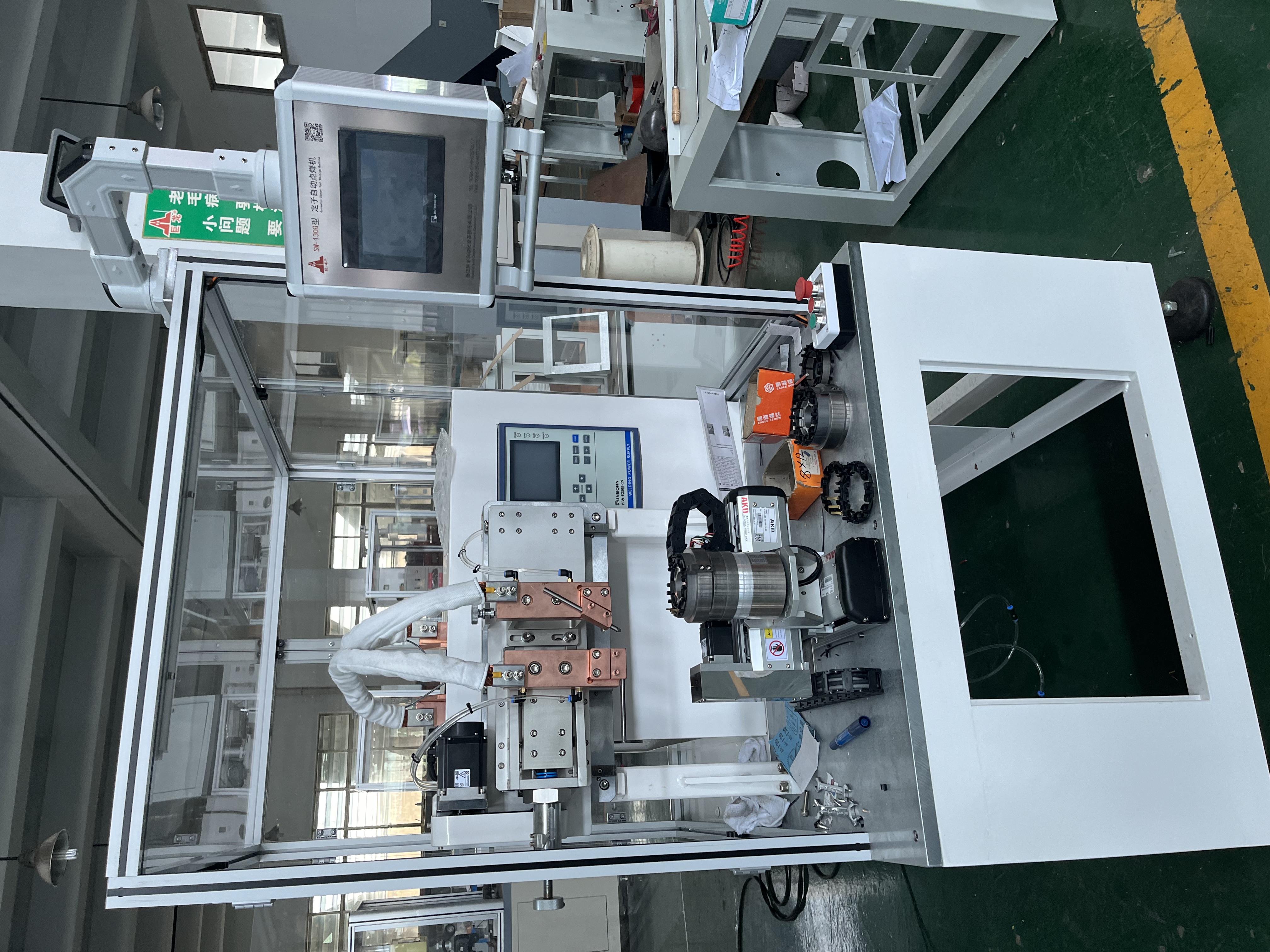
Stator Welding
SW-130G Brushless Motor Stator Welding Machine
High-precision inverter DC resistance welder engineered for brushless stator lead connections with minimal heat-affected zones.
Engineered for high-volume automotive parts, electric two-wheelers, light agricultural pumps, and power tool manufacturing across Southeast Asia.
High-precision inverter DC resistance welder engineered for brushless stator lead connections with minimal heat-affected zones.
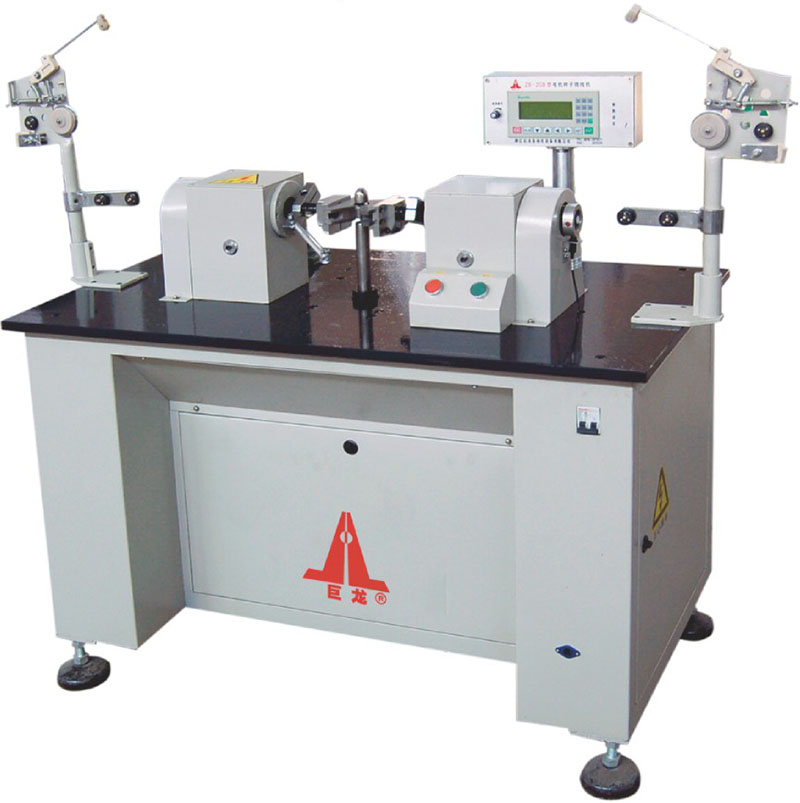
Dedicated armature fly-fork winder optimized for high-speed power tools, providing micro-tension control and uniform coil stack symmetry.
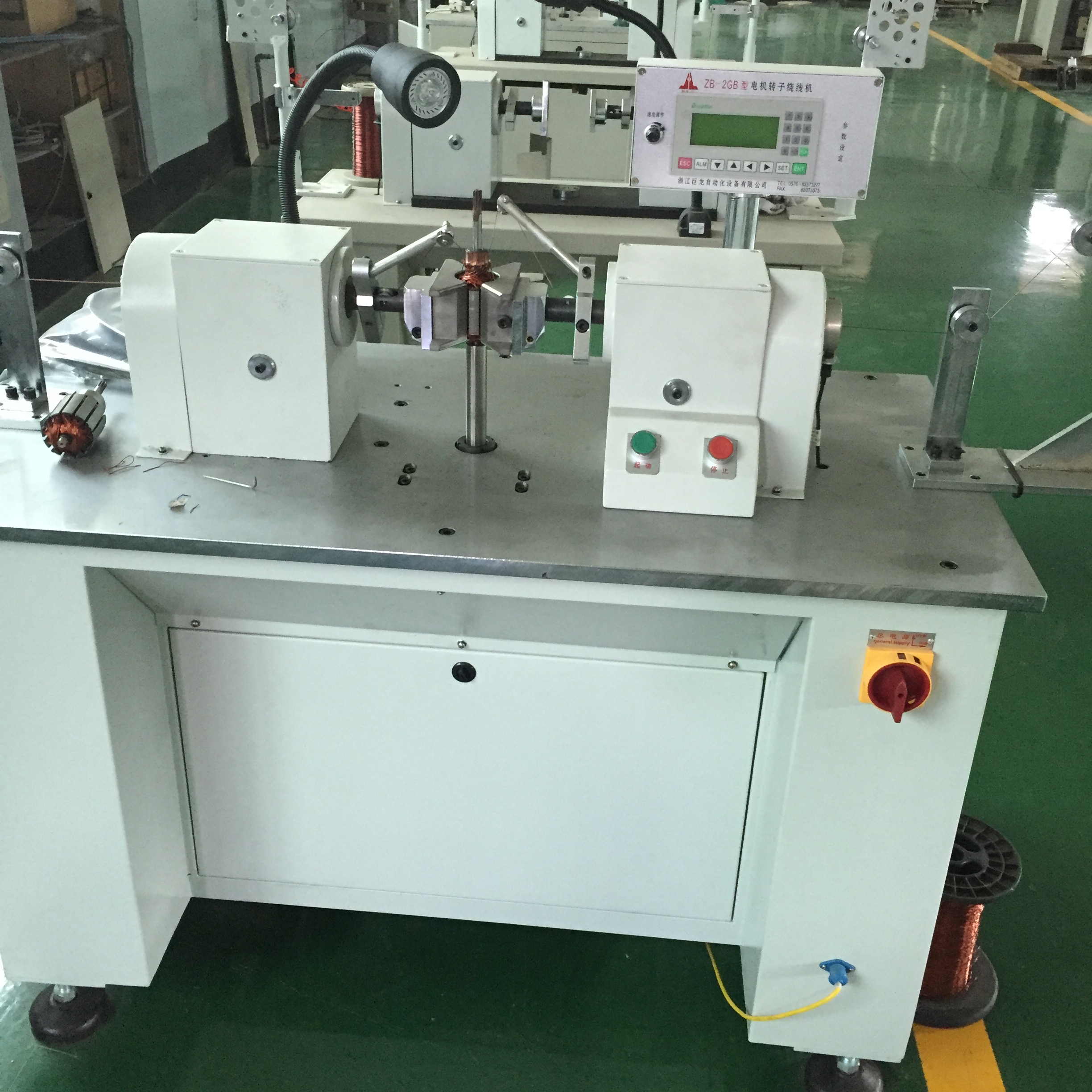
Heavy-duty dual-spindle flyer winding station built for starter motor armatures and DC industrial motors requiring high slot fill factors.
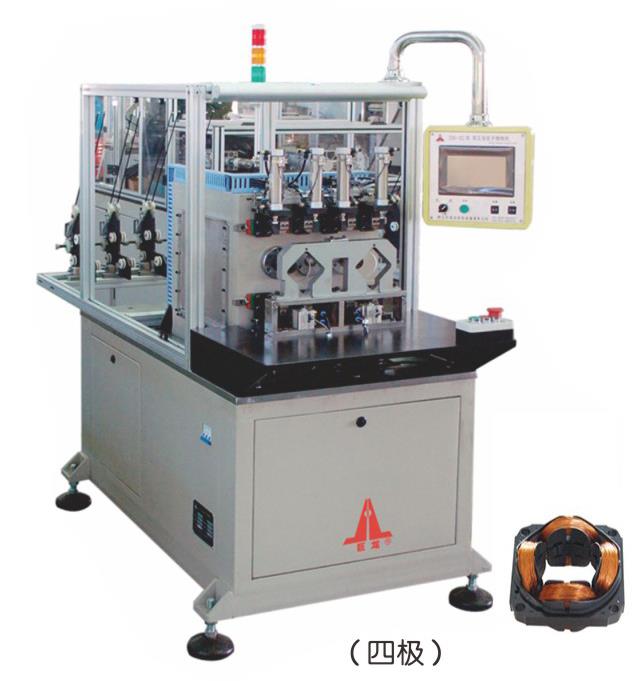
Simultaneous copper wire and insulating paper insertion powered by multi-axis CNC servos, mitigating enameled wire abrasion.
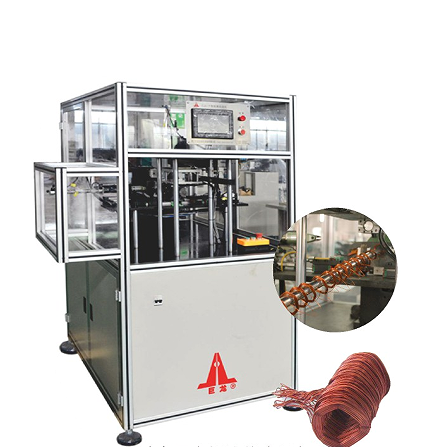
Specialized flat copper strip winder designed for automotive alternator stators, starting field coils, and heavy electro-mechanical equipment.
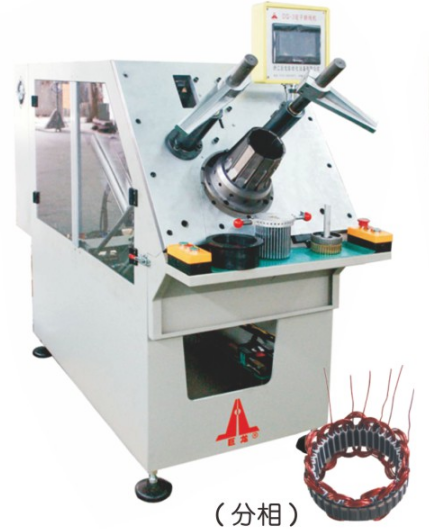
OEM-engineered pushing blades, guide strips, insertion fingers, and wear-resistant carbide components crafted for zero-play tooling maintenance.
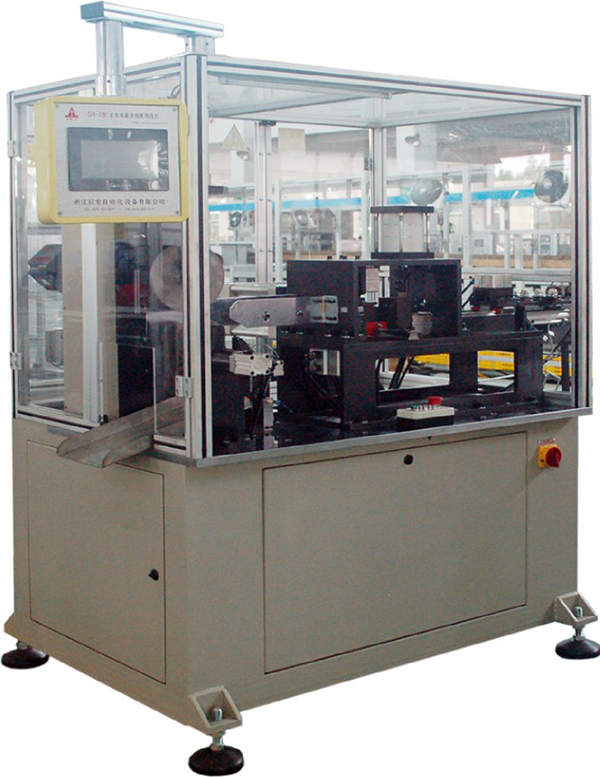
High-speed programmatic winder dedicated to single/three-phase AC induction motors, air compressor stators, and agricultural water pumps.
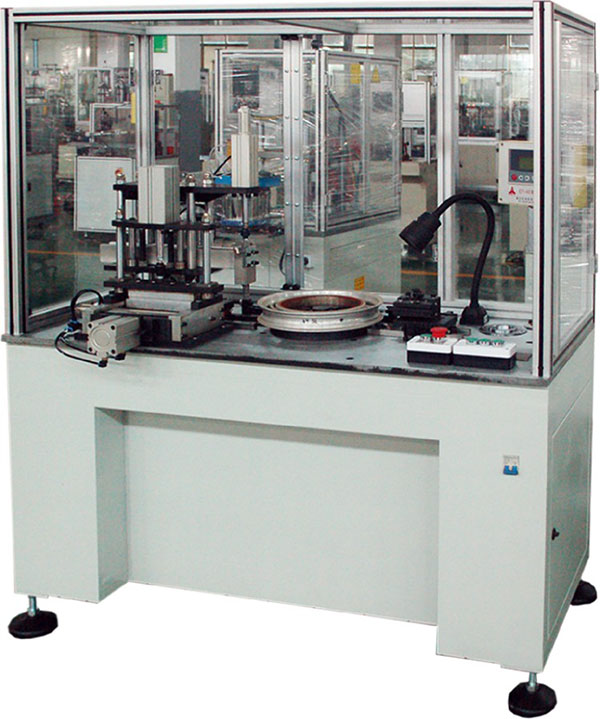
Automated dispensing, orientation indexing, and pressing unit for neodymium magnetic strips into brushless motor rotor slots.
As Myanmar advances its domestic production capacity across commercial hubs like the Thilawa Special Economic Zone (SEZ), Mingaladon Industrial Park, and the industrial zones surrounding Mandalay and Hlaing Tharyar, mechanical and electrical engineering plants encounter distinct operating challenges. From fluctuating grid voltages to an urgent requirement to shift from costly fully finished imports to localized assembly of light electric vehicles, submersible water pumps, and electric power tools, manufacturing facilities require rotor winding lines that offer structural robustness, ease of tooling interchangeability, and operational tolerance.
Zhejiang Rilvo Automation Equipment Co., Ltd. (operating from a massive 60,000 m² self-owned campus in Sanmen, Zhejiang) serves industrial clients across Southeast Asia by bridging the gap between high-precision CNC automation and rugged production resilience. A complete motor armature or rotor production line is not merely a single winding station; it is a synchronized chain comprising insulation wedge insertion, flyer or flyer-less winding, commutator riser hot-stake welding, dynamic balancing, and automated trickle resin impregnation.
Integrated servo drives and control consoles feature wide-voltage stabilizing topologies (+/-15% tolerance) to mitigate premature failure from unstable regional grid supplies or captive diesel generator sets.
Equipped with dual or multi-axis servo fly-forks that deliver spindle rotational velocities exceeding 2,500 to 3,000 RPM while maintaining constant tension on thin enameled copper wire (0.15 mm to 1.2 mm).
Modular fixture designs allow operators to switch between different stack lengths and armature diameters in under 20 minutes, directly catering to low-to-medium volume, high-mix regional fabrication demands.
Rilvo's automated and semi-automated rotor winding systems are engineered around specific downstream products that directly drive Myanmar's domestic economic transformation:
| Target Sector | Motor Classification | Recommended Line Configuration | Key Operational Advantage |
|---|---|---|---|
| Light E-Mobility (E-Bikes, E-Trikes) |
Brushless DC Hub Motors (BLDC) & Mid-Drive PM Motors | CT-40 Magnet Inserter + SW-130G Stator Welder + Trickle Varnish Line | Eliminates manual epoxy gluing hazards; achieves uniform magnetic flux density. |
| Agri-Irrigation (Ayeyarwady Delta) |
Single-Phase & Three-Phase Submersible Pump Stators | QR-2 Inductor Winder + Servo Coil & Wedge Inserter + 5-SC-2B Shaper | Maximizes slot copper fill density; prevents dielectric breakdown in humid environments. |
| Construction Tools (Woodworking, Drills) |
High-RPM Universal Commutator Armatures (1900B Planer, Angle Grinders) | ZB-302 Fly Winder + SDZ-120B Intelligent Commutator Hot-Stake Welder | Precise hook indexing prevents broken lead wire terminations at 25,000+ RPM tool speeds. |
| Automotive Rebuilding (Aftermarket Starters) |
Heavy-Duty Starter Motor Armatures & Alternator Field Stators | ZB-2GB Heavy Armature Winder + CJL-7 Flat Wire Form Winder | Handles heavy-gauge square and flat copper bar shaping without enamel scuffing. |
Historically, the domestic electrical maintenance sector in Yangon, Mandalay, and Mawlamyine relied extensively on manual rewinding workshops. While manual rewinding remains viable for low-cost repair jobs, it creates severe inconsistencies in coil resistance, dynamic unbalance, and low dielectric insulation resistance—rendering locally assembled products uncompetitive compared to finished imports from Thailand or China.
Three overarching trends are reshaping how procurement managers in Myanmar evaluate winding equipment:
1. Adoption of Multi-Axis Servo Control over Mechanical Cam Winders: Mechanical cam systems suffer from mechanical backlash, requiring continuous calibration by master machinists. Modern lines rely on synchronized servo motors driven by industrial PLCs with intuitive touchscreen HMIs, enabling operators with minimal prior training to load winding profiles by simply entering slot counts, turns per coil, and wire wire-gauge parameters.
2. Integration of Inverter Spot Welding with Commutator Riser Fusing: Cold solder joints or inconsistent heat stakes are the leading cause of premature failure in power tool armatures. The integration of medium-frequency inverter resistance spot welders (such as the SDZ-120B) delivers milli-second temperature feedback, ensuring metallurgical bonding without burning the underlying commutator segment mica insulation.
3. Upgrading to Flat-Wire and Hairpin Stator Geometries: With the global push toward high-efficiency motors, flat copper wire is supplanting traditional round wire in heavy starter assemblies and traction drives. Flat-wire shaping machines (like our CJL-7 and 5-SC-2B models) allow Myanmar manufacturers to produce compact, low-heat running motor armatures with slot filling factors approaching 70%—a significant competitive advantage in energy-conscious regions.
Unlike trading intermediaries, Rilvo manufactures equipment directly within our massive campus in the Shatianyang Development Zone of Sanmen, Taizhou, backed by 150+ in-house CNC machine tools.
Led by a national knowledge-worker model recipient, our engineering department designs custom tooling dies, insertion fingers, and flyer nozzles tailored to your exact motor lamination blueprints.
ISO9001 certified, China Compulsory Certification (3C) compliant, and holder of 17 proprietary national patents, ensuring each machine leaves the factory only after comprehensive customer-sample test runs.
Machines are exported directly from Ningbo or Shanghai Port, located approximately 2 hours from our Taizhou manufacturing base. Standard sea freight to Yangon (MIP or MITT terminals) typically requires 14 to 21 transit days. Standard single machines ship within 25 to 35 days, while customized turn-key production lines generally complete factory acceptance trials in 45 to 60 days.
Yes. We possess over 10 years of OEM and ODM engineering expertise. You simply supply your 2D/3D part drawings (.dwg, .step) along with core stack thickness, slot number, wire diameter, and commutator riser dimensions. Our 36-member engineering team produces custom molds, winding flyers, and insertion fingers tailored specifically to your product line.
Every machine undergoes rigorous trial runs with your sample armatures or stators before packing, recorded in full-process HD acceptance videos. Upon delivery, we provide English-language touchscreen interfaces, detailed process setup manuals, and remote video commissioning. When required, on-site commissioning engineers can be dispatched to your plant in Yangon or Mandalay.
We operate flexibly across FOB, CFR, CIF (Yangon Port), and EXW terms. Payments are supported primarily via Telegraphic Transfer (T/T) in USD or EUR, as well as formal Letters of Credit (L/C) depending on project scope. The Minimum Order Quantity (MOQ) across our entire machinery range is one single unit.
We machine all critical wear parts—including pushing blades, coil insertion guides, and wire tensioners—in-house using high-grade hardened alloys. We supply an initial 1-to-2 year critical spare parts kit alongside every primary shipment. Subsequent replenishment orders can be air-freighted directly to Yangon International Airport within 3 to 5 business days.
Yes. Industrial electrical cabinets are fitted with genuine Schneider/Omron switchgear and delta-sigma regulated servo driver platforms. System power supplies can be customized at factory order to match 380V/220V 50Hz standards, with internal transient suppressors and high-temperature insulation coatings suitable for tropical, humid Southeast Asian environments.