


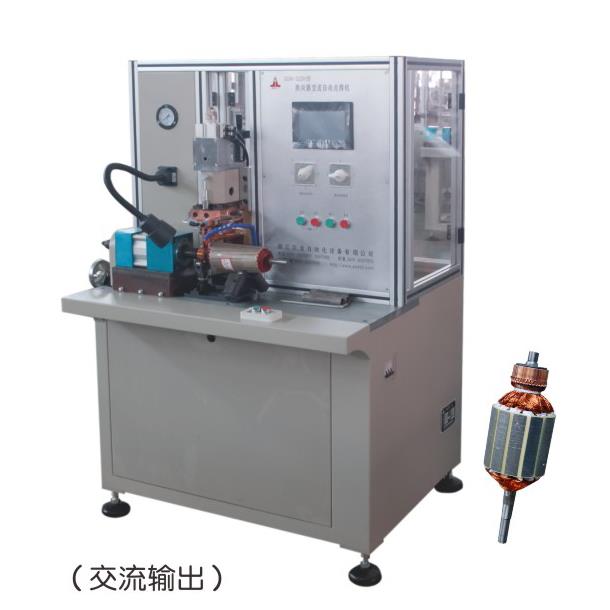
Engineered for high-volume automotive starters, alternators, industrial power tools, and high-efficiency BLDC motor lines since 1998.
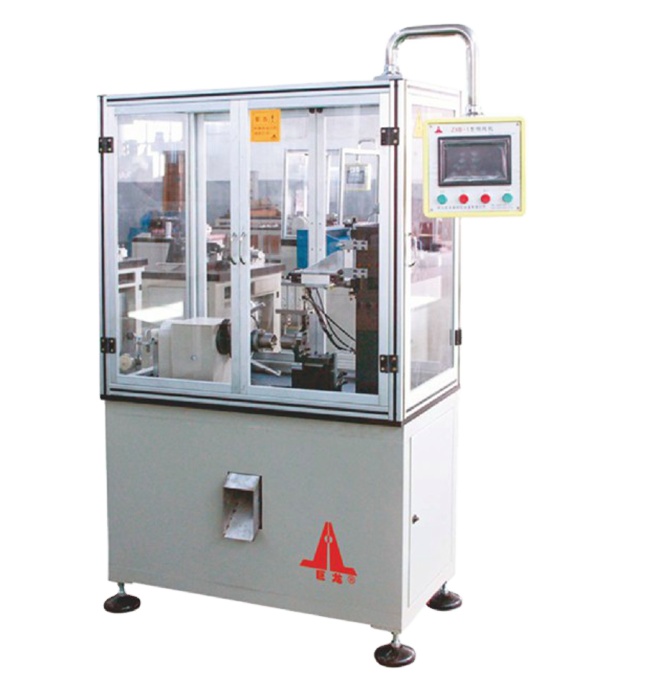
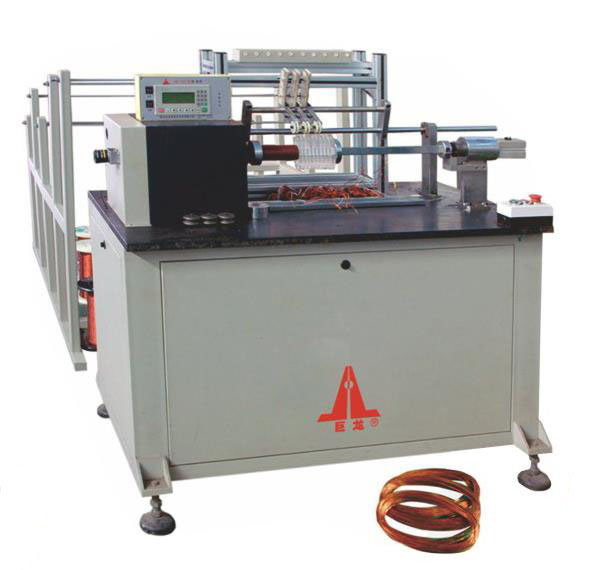
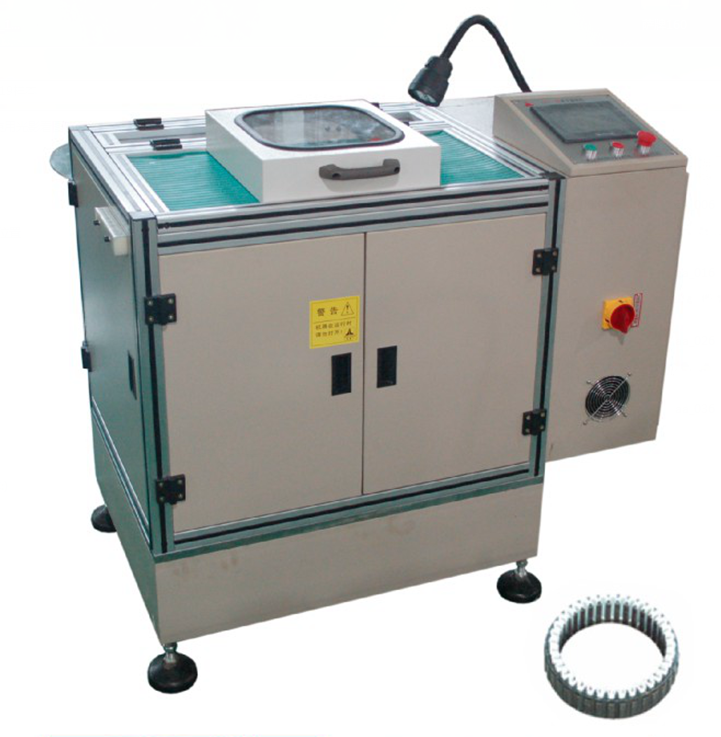
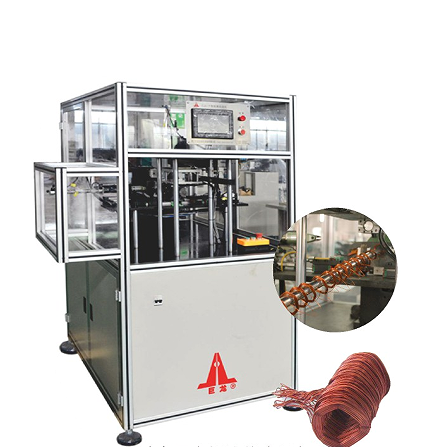
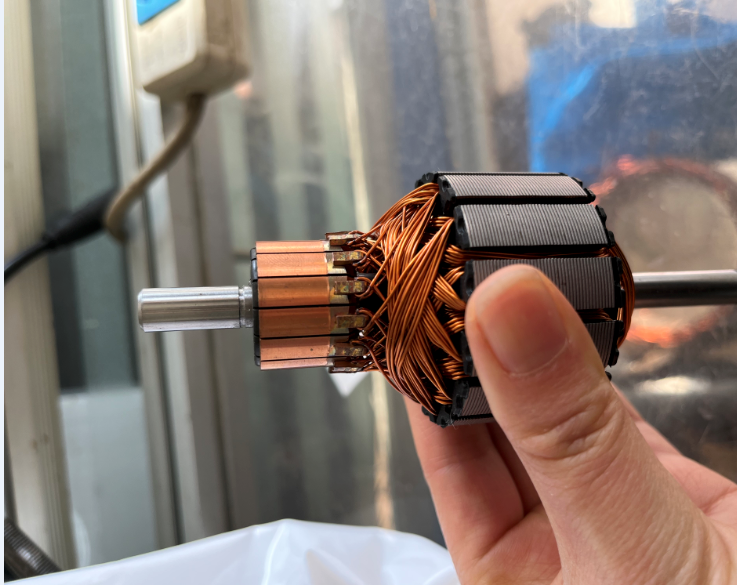
In modern electric vehicle (EV) drivetrains, micro-mobility drives, aerospace actuators, and high-frequency industrial power tools, the electric motor rotor operates under extreme rotational velocities, intense thermal fluxes, and continuous electromagnetic stress. A failure in dynamic balancing, bar integrity, turn-to-turn insulation, or shaft concentricity inevitably results in catastrophic motor breakdown, excessive NVH (Noise, Vibration, and Harshness), and severe energy degradation. Selecting the appropriate rotor testing machine and manufacturing partner is not merely a capital equipment decision—it defines downstream assembly line efficiency and operational reliability.
Industrial search intent indicates that process engineers and procurement directors seek zero-defect, automated inline architectures over isolated benchtop instruments. Rotor production workflows now closely integrate precision winding, hot-stake commutator fusing, and automated balancing milling or drilling with high-speed quality sorting networks.
An objective, technical analysis of market leaders dominating rotor electrical analysis, dynamic balancing, and automated inline verification systems.
Founded in 1998 in Zhejiang, China, Rilvo integrates rotor assembly, coil winding, commutator hot-staking, and dynamic testing into unified robotic inline architectures. Renowned for custom tooling, 17 national patents, and turnkey lines for EV and starter armatures.
Specialty: Turnkey Inline Balancing & WindingHeadquartered in Darmstadt, Germany, Schenck is a global authority in dynamic balancing and diagnostics. Their rotor balancing systems cater extensively to high-speed EV traction motors, high-speed spindles, and turbine rotors requiring extreme sub-micron resolution.
Specialty: High-Speed Sub-Micron BalancingA German specialist in electrical winding testers, surge test benches, and stator/rotor partial discharge analysis. Schleich platforms excel in detecting minute insulation damage between armature windings before motor resin impregnation.
Specialty: High-Voltage Surge & Partial DischargeAn Italian automation builder offering manual, semi-automatic, and fully automatic balancing machines for electric motor armatures. Features high-speed milling and V-drilling unbalance correction stations for power tool rotors.
Specialty: Automatic Unbalance Milling & CorrectionBased in Tokyo, Japan, Kokusai develops precision measuring instruments and automated dynamic balancing machines. Well known for rugged stability in Japanese and worldwide high-volume automotive production floors.
Specialty: High-Volume Dynamic MeasurementSpecializing in electrical diagnostic analyzers, Baker sets rigorous standards for rotor bar defect testing, resistance profiling, and impulse signature testing, particularly for critical maintenance and high-reliability industrial rotors.
Specialty: Rotor Bar & Insulation AnalyticsA pioneer in measurement engineering with headquarters in Pfungstadt, Germany, Hofmann delivers modular balancing rigs for electric armature assemblies, turbochargers, and complex multi-plane rotor systems.
Specialty: Multi-Plane Balancing ArchitecturesA prominent European manufacturer known for competitive pricing, intuitive software, and versatile rotor balancing machinery servicing starter motors, industrial fans, and automotive alternators.
Specialty: Compact Armature Dynamic BalancersLocated in Mandello del Lario, Italy, CEMB produces specialized vertical and horizontal balancing machines with laser optical positioning for automated unbalance location identification in high-speed electric rotors.
Specialty: Laser-Guided Unbalance DiagnosticsA major Asian balancing equipment manufacturer offering automatic rotor balancing and drilling correction cells. Frequently deployed in consumer electronics, appliance micro-motors, and automotive cooling fan rotor manufacturing setups.
Specialty: Automated Correction Drilling SystemsConventional hi-pot (dielectric breakdown) tests are binary; they show whether insulation passed or suffered punch-through. Modern procurement mandates non-destructive impulse surge analysis coupled with Partial Discharge (PD) sensors. As 800V automotive architectures and silicon-carbide (SiC) inverters become ubiquitous, steep dV/dt voltage transients create intense inter-turn dielectric strain. Testing machines must detect micro-arcs and nascent insulation voids at sub-millisecond speeds before rotor components enter trickling or dipping resin lines.
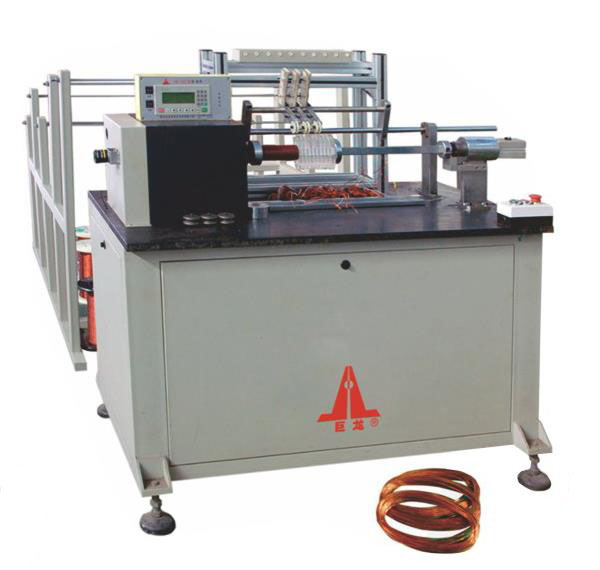
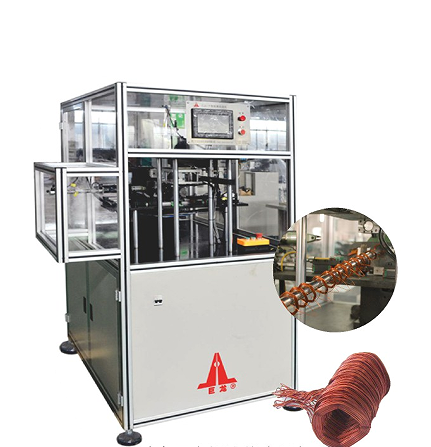
Manufacturing plants are shifting away from standalone tester islands that necessitate high manual handling, causing unintended shaft eccentricity and mechanical damage. Current procurement specifications require closed-loop manufacturing: automated wire winding (such as three-servo rotor winders), followed by hot-stake commutator fusing, intermediate electrical checking, precision balancing with integrated CNC milling cutters, and robotic pass/fail sorting into trays.
Modern rotor testing machines must stream full waveform datasets—dynamic unbalance angles, micro-ohm resistance values across every commutator segment, and vibration signatures—directly into factory MES (Manufacturing Execution Systems) via OPC UA or MQTT. Traceability down to individual serial-numbered rotor shafts ensures rapid root-cause isolation should warranty recalls emerge.
Combining heavy-duty machinery design, proprietary software, and custom tooling tailored to customer lamination blueprints.
Founded in 1998, Rilvo has engineered specialized machinery across three decades, expanding to a 60,000 m² industrial facility with integrated machining, electrical assembly, and testing laboratories.
Led by senior technical award-winning engineering directors, our 36-member technical department holds 17 national invention and utility model patents, guaranteeing advanced mechanical and electronic precision.
Strict quality assurance protocols govern every production stage—from ultrasonic flaw detection of raw castings to CNC axis verification and 100% full-load customer sample trial runs before sign-off.
Over 10 years of OEM/ODM leadership. We tailor coil winding nozzles, commutator fusing electrodes, and rotor fixtures precisely around your stator and rotor lamination blueprints.
Exporting across Eastern Asia, Southeast Asia, South America, Eastern Europe, and the Middle East. Flexible shipping terms under FOB, CFR, CIF, and EXW with multilingual support desks.
Every system includes complete mechanical diagrams, wear parts inventories, high-definition video operating guides, remote digital support, and global on-site commissioning visits.
Essential technical clarifications to streamline your supplier audit, request for quotation (RFQ), and commissioning procedures.
A complete automated rotor testing platform evaluates: (1) Dynamic unbalance magnitude and angular position across two correction planes; (2) Bar-to-bar resistance across commutator segments to identify cold fusing or weak welds; (3) Surge impulse response to reveal inter-turn short circuits; (4) Insulation resistance (Megger) and AC/DC dielectric withstand voltage; and (5) Rotor shaft run-out, concentricity, and core stack dimensional compliance.
Yes. With more than 10 years of established OEM/ODM experience and an in-house engineering team of 36 researchers, Rilvo builds tooling, clamping fixtures, winding forms, and welding heads strictly based on your 2D/3D part prints, wire gauge requirements, commutator riser geometry, and desired production output per shift.
Industrial power tools, starter motors, and traction motor rotors typically adhere to ISO 1940-1 balance quality grades ranging from G2.5 down to G1.0 or G0.4 for high-frequency spindle motors. In mass production, modern multi-axis servo balancing cells consistently achieve residual unbalance values well under 0.1 g·mm/kg through automated milling or drilling operations.
We regularly handle overseas commercial orders under FOB (Ningbo or Shanghai ports, situated within a short transit radius from our Sanmen factory), CFR, CIF, and EXW terms. Payments are processed seamlessly via T/T in USD or EUR. Our minimum order quantity (MOQ) is 1 set, allowing seamless pilot prototyping before scaling up to full line procurement.
Prior to shipping, your sample laminations, commutators, and copper wire are test-run on your dedicated machine inside our facility under continuous cycle conditions. Video validation records and test certificates are provided for remote factory acceptance testing (FAT). Upon arrival, we supply detailed manuals, annotated wiring schematics, spare-part bundles, video guidance, and engineer on-site commissioning for turnkey installations.