


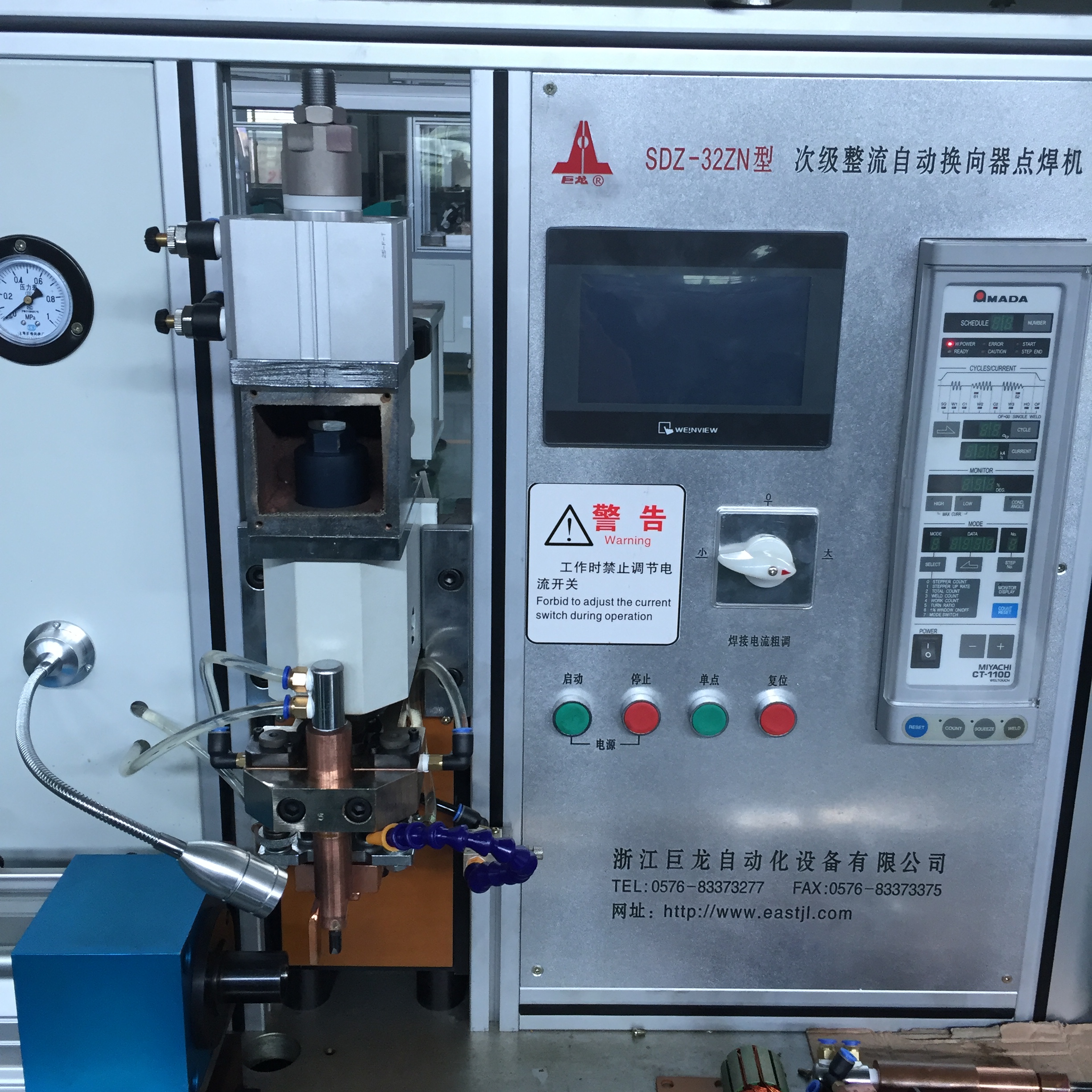
Welding Technology
SDN-32ZH Low Price Spot Welding Machine
- Drive Control: Microcontroller Precise Pulse
- Electrode Cycle: Pneumatic Stabilized
- Application: Commutator Bar Bonding
Engineered for low NVH (Noise, Vibration, and Harshness), high electromagnetic efficiency, and seamless inline cellular manufacturing. Explore our verified industrial models below.
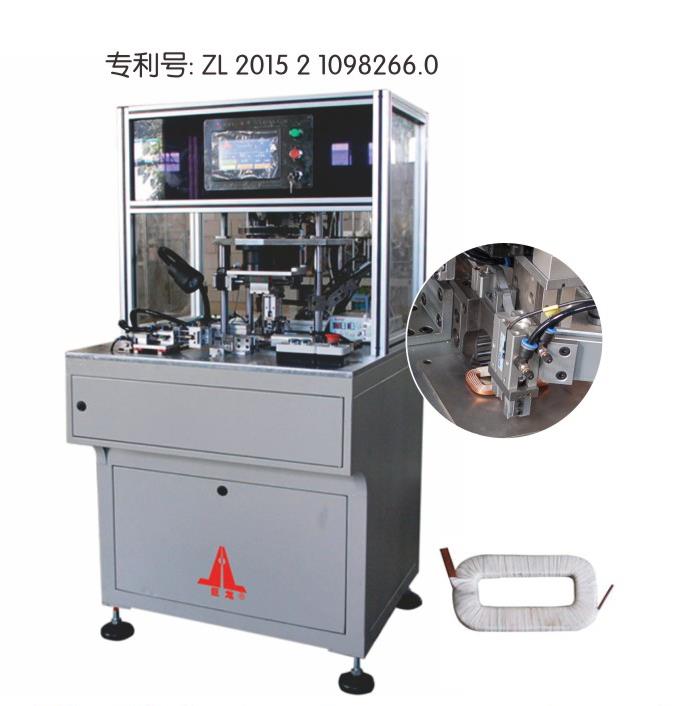
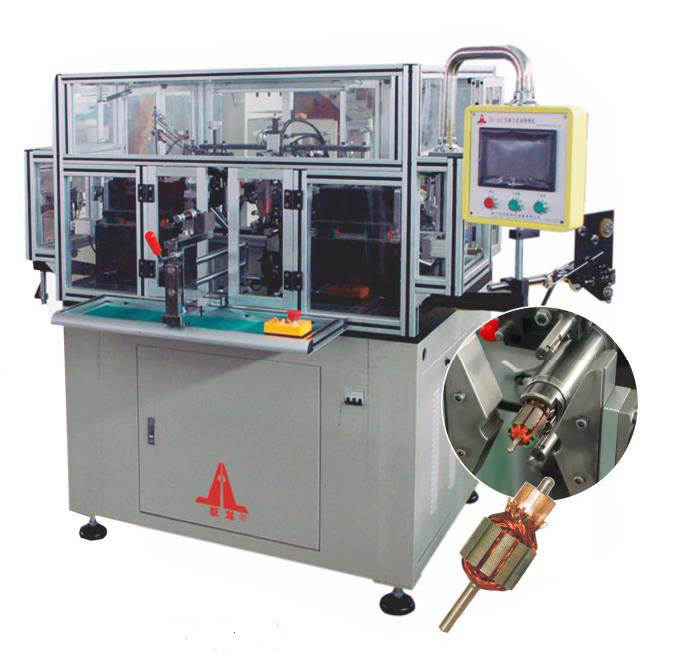
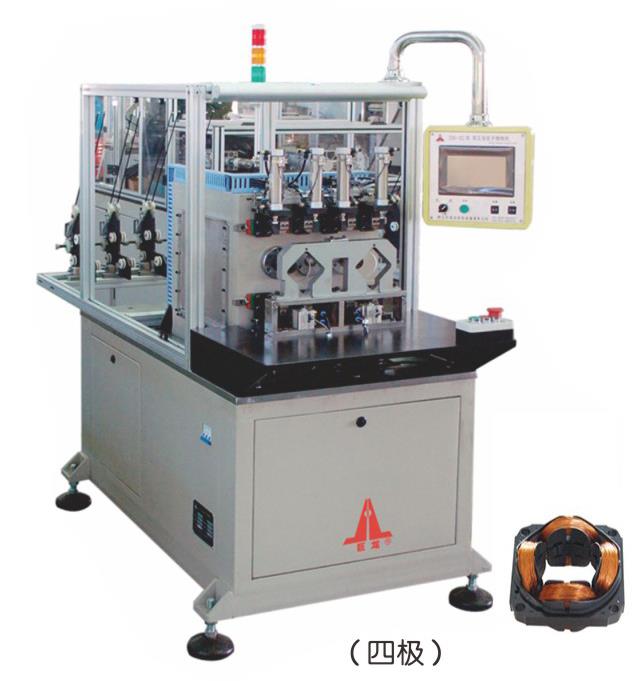
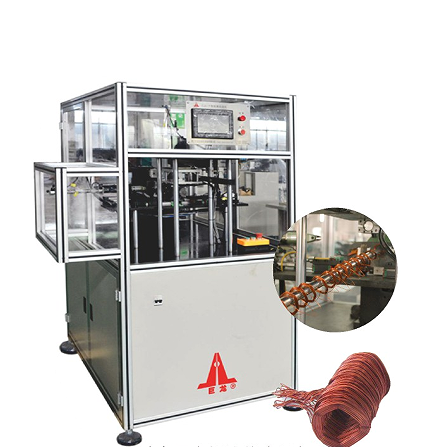
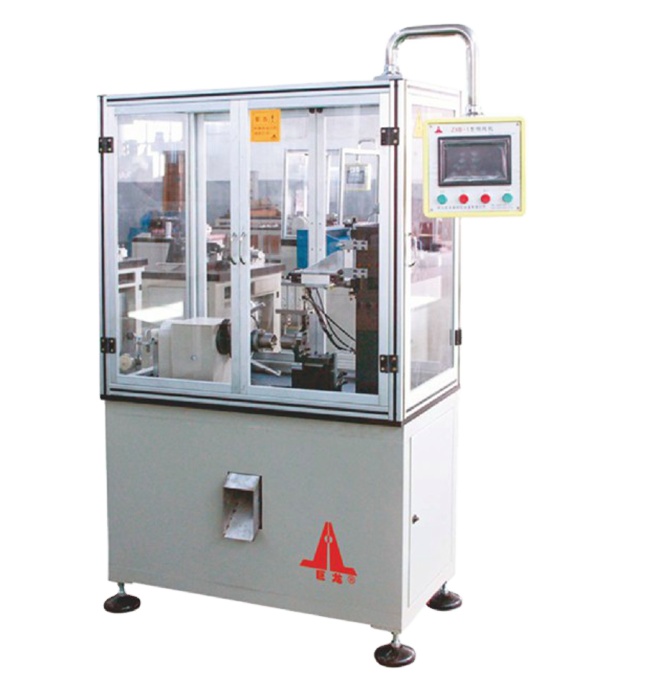
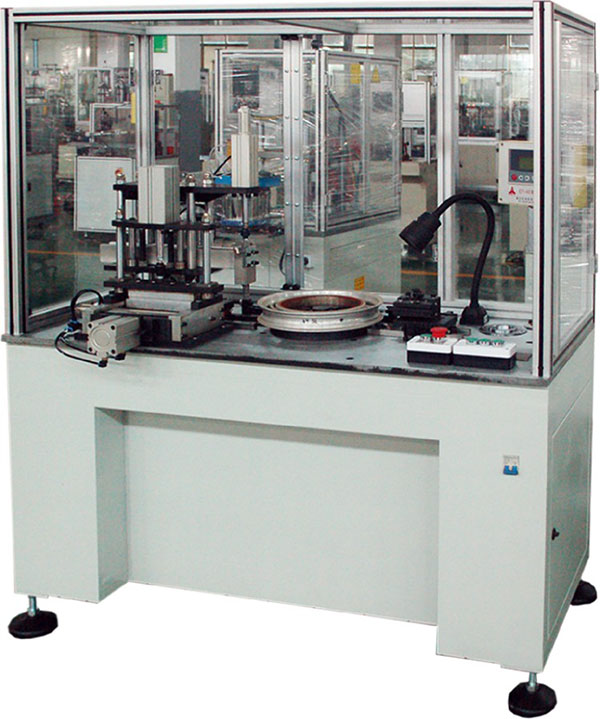
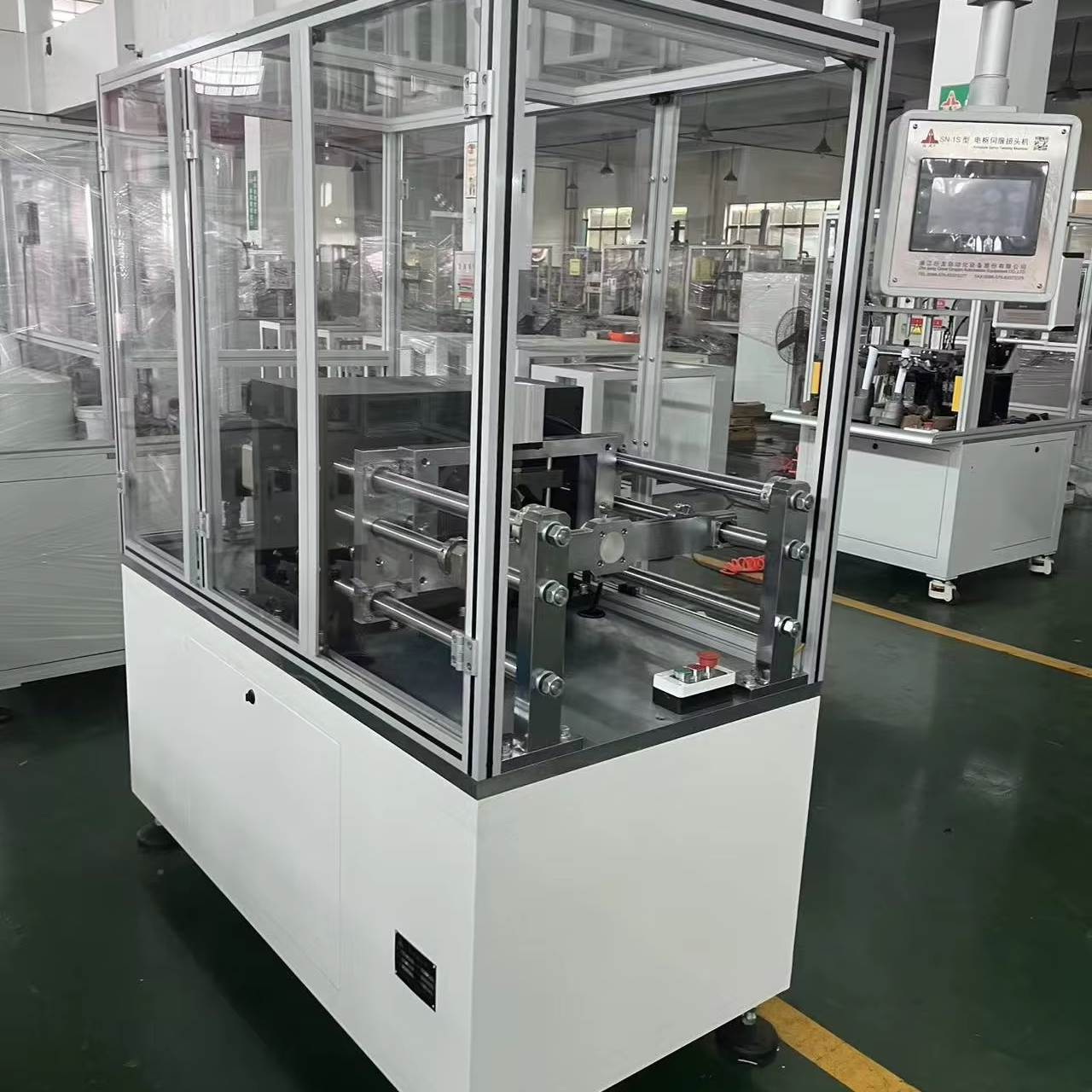
Dynamic rotor unbalance is the primary catalyst of high-frequency acoustic harmonics, bearing mechanical fatigue, and thermal deterioration in high-efficiency electric motors. Discover how advanced metrology dictates precision production.
Rotors exhibiting an axial length-to-diameter ratio (L/D) greater than 0.5 inevitably develop couple unbalance that cannot be eliminated on single-plane platforms. Chinese industrial balancers implement independent hard-bearing piezoceramic sensor suites calibrated to distinguish static couple vectors simultaneously.
For high-RPM EV armatures, HVAC blower assemblies, and industrial servomotors, adhering to strict permissible residual unbalance ($U_{per}$) calculations is mandatory. Modern Chinese automated balancing centers consistently hit residual limits below 0.1 g·mm/kg, ensuring minimal bearing friction and maximum longevity.
Cutting-edge rotor factories demand closed-loop execution. Upon vector resolution, automated systems perform mass correction in-situ via V-milling cutters, axial drilling stations, or selective weight-additive dispensing (epoxy resins/brass putty), completely bypassing manual operator handling errors.
| Evaluation Parameter | Legacy Hard-Bearing Systems | Advanced Semi-Automatic Balancers | Full-Automatic Dual-Station Workcells (China Tier-1) |
|---|---|---|---|
| Balancing Grade Attainable | ISO G6.3 | ISO G2.5 | ISO G1.0 – G0.4 (Ultra-Precision) |
| Cycle Time (Takt) per Unit | 70 – 120 seconds | 35 – 50 seconds | 12 – 18 seconds (Including De-weighting) |
| Material Correction Method | Manual Drill / Additive Clay | Single-Axis Pneumatic Feed Drill | Dual 5-Axis CNC Milling / Laser Micro-Ablation |
| Data Traceability & MES Interfacing | None / Local Paper Printout | CSV Export via USB port | Full OPC-UA, MQTT, SQL Automotive Traceability |
| Operator Interference Factor | High Human Variance Risk | Medium (Manual Load/Unload) | Zero (Pneumatic Gantry or Robotic Manipulator) |
Procurement strategies in e-mobility, industrial robotics, and consumer electronics are experiencing seismic shifts. Plant directors must align capital allocations with next-generation smart balancing benchmarks.
As EV traction motors push operational velocities past 20,000 to 25,000 RPM, traditional rigid-body balancing ceases to provide sufficient dampening. Future procurement contracts explicitly stipulate high-speed balancing centers capable of driving armatures through first and second flexural critical speeds while dynamically capturing shaft deflections.
Mechanical drilling and milling inevitably introduce localized metallurgical thermal stresses and parasitic metal swarf that can lodge within laminated slot geometries. Procurement demands are pivoting toward femtosecond or fiber laser ablation systems that vaporize precise microscopic mass increments without direct physical surface contact.
Global procurement teams no longer source isolated balancing islands. Competitive advantage relies on end-to-end integration: merging automatic armature winding, end twisting, commutator hot-staking, dynamic balancing, and automated trickle impregnation into single compact automation layouts with shared PLC protocols.
With flat copper wire (hairpin) and Interior Permanent Magnet (IPM) rotors reigning over modern powertrain design, balancing fixtures must dynamically accommodate non-uniform magnetic pole configurations without sensor noise corruption induced by permanent magnetic flux leakage during drive rotation.
Next-gen Chinese machinery incorporates edge industrial PCs running Fast Fourier Transform (FFT) analysis on spindle bearing vibration. Equipment alerts production managers to fixture eccentricity, sensor degradation, and tool wear days before unbalance drift impacts line Cpk/Ppk metrics.
Energy-intensive spinning cycles in high-throughput lines demand regenerative kinetic servo braking. Chinese original manufacturers are integrating shared DC bus architectures that recover up to 34% of deceleration kinetic energy back into plant electrical grids, supporting regional carbon reduction targets.
Key technical, contractual, and operational inquiries evaluated by international engineering teams and plant managers before issuing letters of credit.
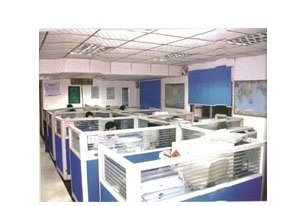
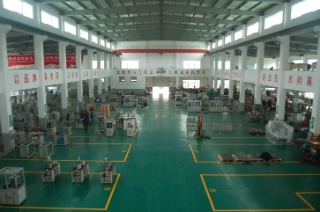

Whether you are producing micro PMDC armatures, electric vehicle hairpins, alternator stators, or industrial blower rotors, our senior engineering desk provides custom fixture layouts, cycle-time simulations, and turnkey budgetary proposals within 24 business hours.