


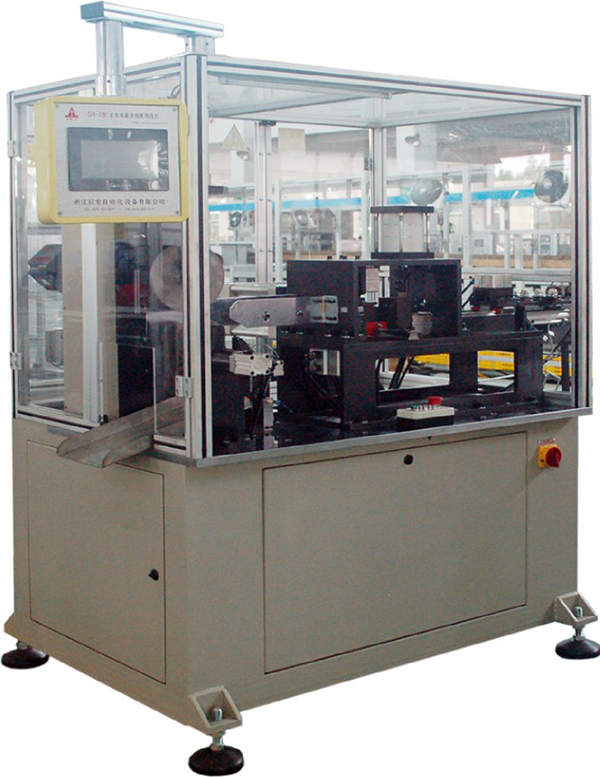
QR-2 Inductor Motor Coil Winding Machine
Automated precision flyer winding mechanism optimized for continuous inductor poles, ensuring tight layer arrangement and uniform magnetic flux.
Standardized modular architecture configurable to specialized slot topologies, high-speed multi-axis synchronization, and diverse enameled wire diameters.
Automated precision flyer winding mechanism optimized for continuous inductor poles, ensuring tight layer arrangement and uniform magnetic flux.
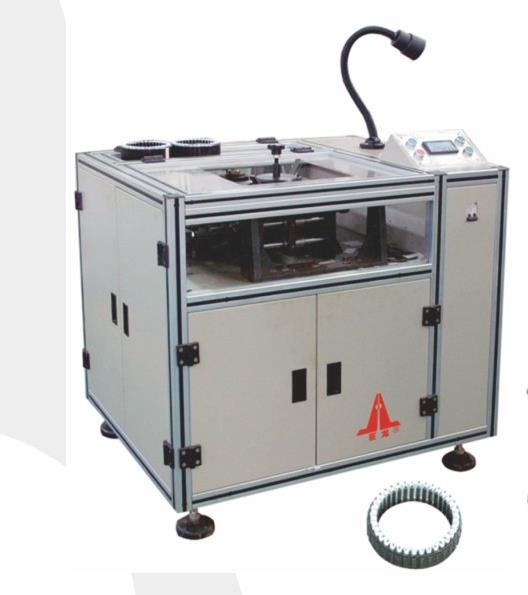
High-speed rotary feed integrating edge-creasing, precision slot insulation paper shearing, and rapid mechanical insertion with zero burr retention.
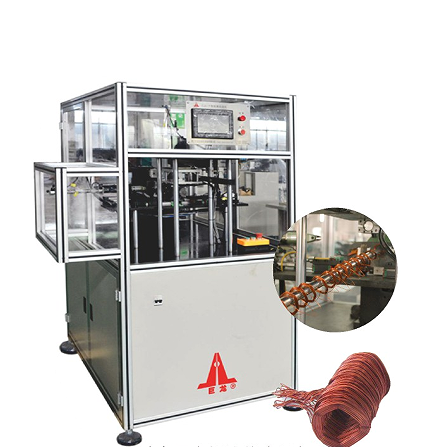
Designed for rectangular and flat copper profiles, maintaining exact bending radii without dielectric coating abrasion or structural deformation.
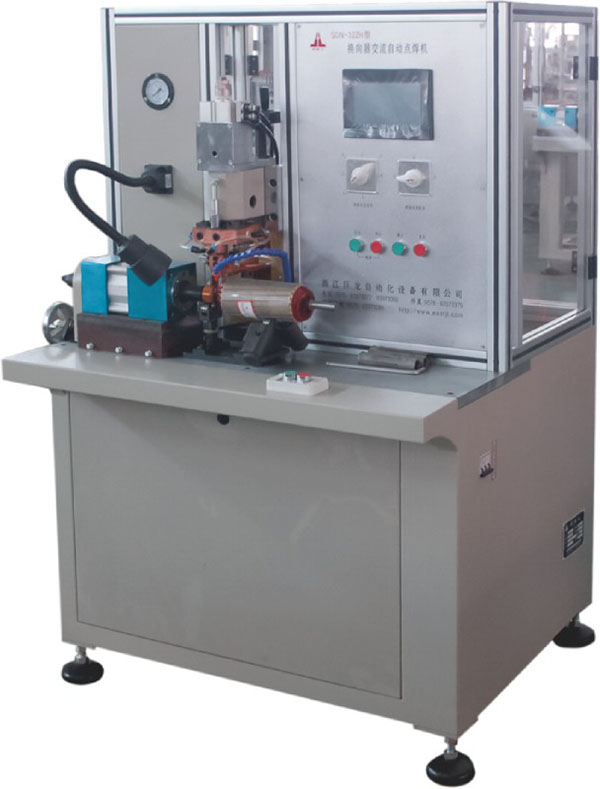
Programmable medium-frequency inverter resistance spot welder providing millisecond-level closed-loop energy feedback and weld trace auditing.
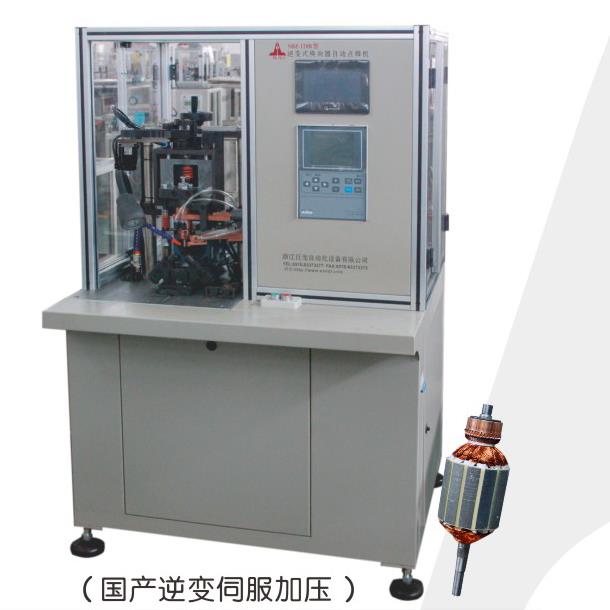
Engineered for Copper-Clad Aluminum (CCA) wiring schedules, avoiding wire embrittlement while guaranteeing high thermal fusing conductivity.
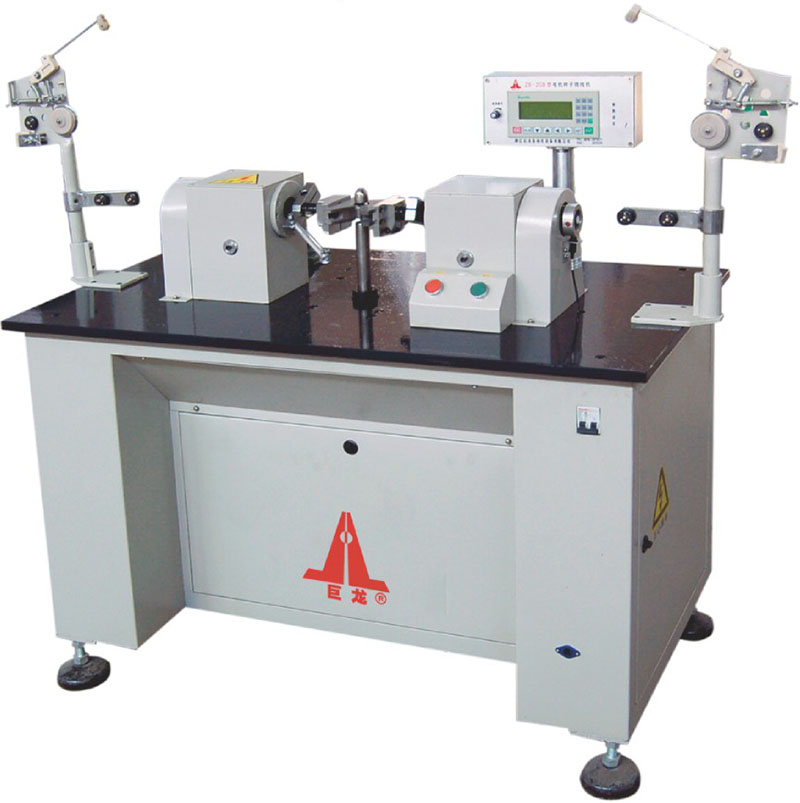
Double-flyer high-speed dynamic balance armature winding machine tailored for power tool armatures, featuring dual hook-indexing systems.
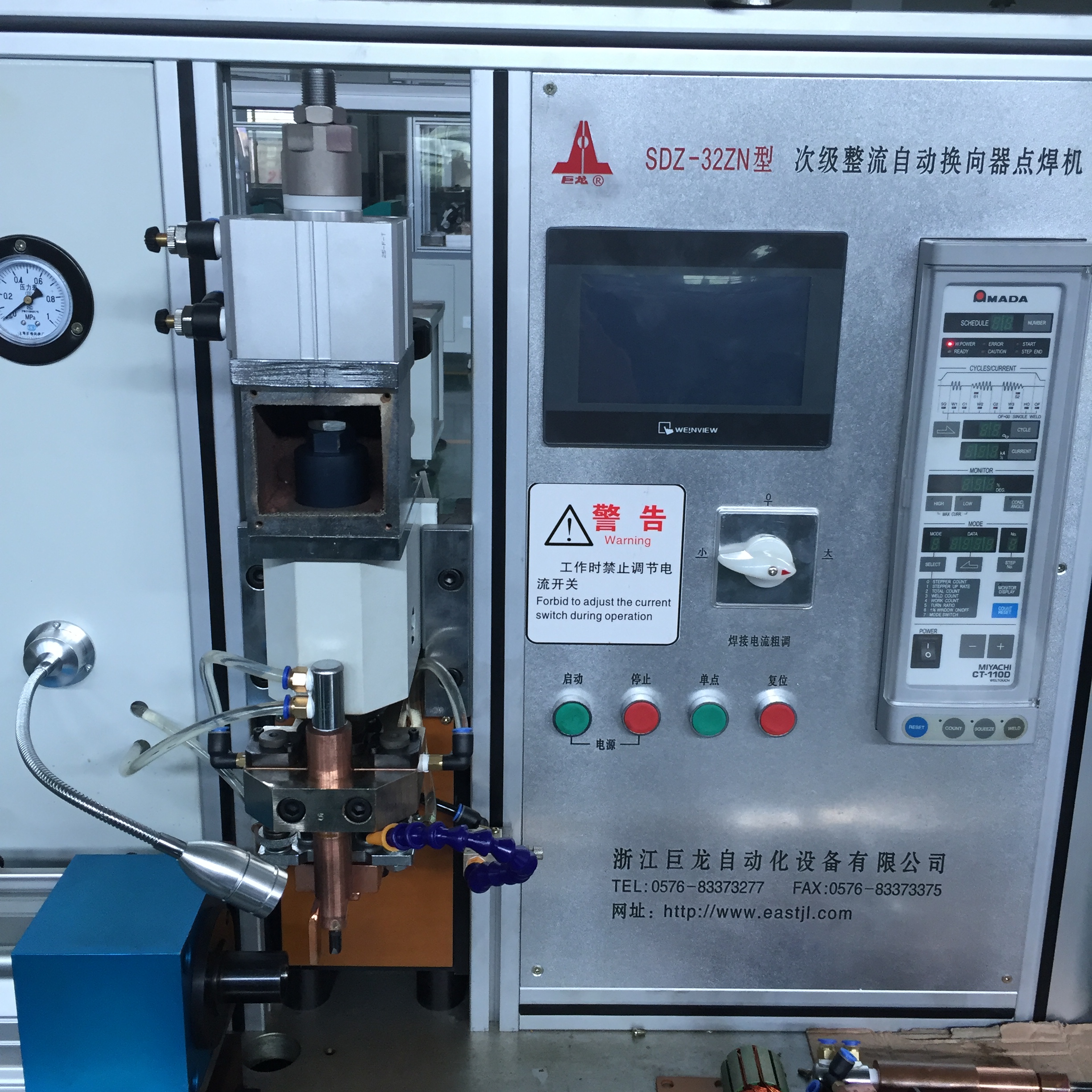
Compact footprint, high thermal stability resistance welder suitable for micro-motor commutator tangs and terminal fusing lines.
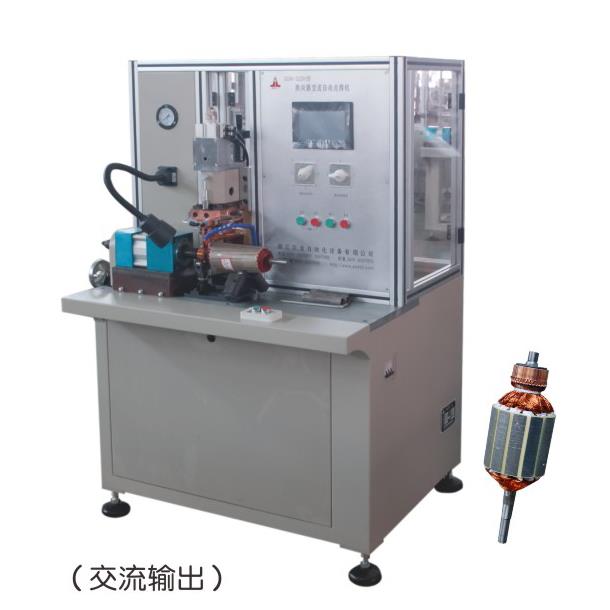
Servo-indexed micro-commutator hot-staking apparatus with pneumatic force damping and real-time resistance monitoring algorithms.
Engineering considerations for achieving ultra-dense slot fill factors, minimal wire cross-over tension, and low electromagnetic loss in volume production.
The simultaneous insertion of pre-formed coil bundles and slot insulation wedges represents one of the most demanding kinematic stages in motor production. Our equipment applies dual-axis servo pushers that regulate down-force speeds based on slot depth, eradicating enamel scuffing and copper wire cross-pinching.
Traditional pneumatic winders often struggle beyond a 68% slot fill factor. Utilizing closed-loop servo tension controllers and progressive blade guidance, Rilvo machinery easily surpasses 78% to 82% slot fill ratios, drastically improving the continuous torque density and operational thermal dissipation of industrial motors.
Dielectric breakdown between phases and lamination iron remains the leading cause of field motor failure. Integrated edge-forming modules cleanly fold DMD, Nomex, or polyester insulation papers, automatically verifying slot alignment before inserting copper arrays to prevent partial discharge risks.
How international OEMs are structuring equipment cap-ex investments to support e-mobility, hairpin transitions, and industrial energy efficiency mandates.
| Technology Vector | Legacy Manufacturing Standard | Next-Generation Procurement Shift | Operational Impact & ROI Benefit |
|---|---|---|---|
| Winding Topology | Random wound round copper wire | Continuous hairpin & shaped flat rectangular conductor | +22% thermal conductivity; +15% motor power density |
| Drive Control | Cam-driven or pneumatic mechanical linkages | Fully programmable multi-axis CNC servo synchronization | Rapid changeover (<20 mins); micro-tension accuracy |
| Quality Validation | Offline post-assembly destructive testing | In-line machine vision with real-time surge/dielectric audit | Zero-defect delivery; immediate line reject isolation |
| Wire Material Support | Pure electrolytic copper exclusively | Hybrid copper, copper-clad aluminum (CCA), and aluminum alloy | 30-40% raw material cost reduction for consumer appliances |
| MES Integration | Isolated standalone control cabinets | OPC-UA / MQTT enabled Industry 4.0 telemetry feeds | Predictive tooling wear alerts; full lot traceability |
Global manufacturers require smaller lot runs and frequent motor frame retooling. Advanced machine architectures utilize modular cartridge fixtures that permit complete stator stack height and outer diameter adaptations within single-shift operational windows.
Traditional commutator resistance soldering is shifting rapidly toward closed-loop inverter hot-staking. Precise energy modulation controls carbonizing variables, maintaining mechanical crimp tension without thermal structural damage to adjacent synthetic commutator barriers.
Eliminating reliance on external physical mechanical keyways, intelligent vision systems immediately identify skewed slot geometries and variable lamination stacks, rotating precision servo chucks into perfect geometric alignment prior to wedge driving.
Ensure your RFQ documentation addresses essential tooling variables to prevent protracted debugging and commissioning cycles.
Define inner diameter (ID), outer diameter (OD), total stack height tolerances, and skew angle to configure the appropriate inserting shoe depth.
Slot mouth gap defines maximum concurrent wire insertion width without causing irreversible enamel pinching or insulation stripping.
Clarify single or multi-strand counts, SWG/AWG bare copper thickness, dielectric enamel thermal rating (e.g., Class H / 180°C), and material yield strength.
Specify expected cycles per hour per workstation to balance whether single-station multi-head or automated rotary index lines are required.
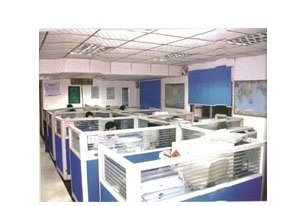
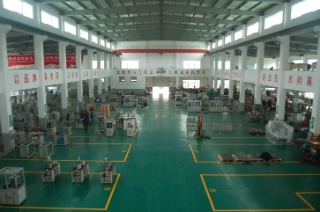
Founded in 1998, Zhejiang Rilvo Automation Equipment Co., Ltd. stands as an established high-tech industrial enterprise dedicated to research, precision engineering, and global delivery of automated motor manufacturing equipment.
Occupying a comprehensive 60,000 square meter industrial campus in the Shatianyang Development Zone of Sanmen, China, our internal precision machine park ensures strict micron-level concentricity and mechanical repeatability on all custom tooling and flyer spindles.
Detailed clarifications on machine capabilities, customization workflows, validation protocols, and global technical after-sales support.
Submit your stator/armature technical drawing, target cycle time, and production volumes. Our senior engineering team will furnish a comprehensive tooling configuration and quotation within 24 business hours.