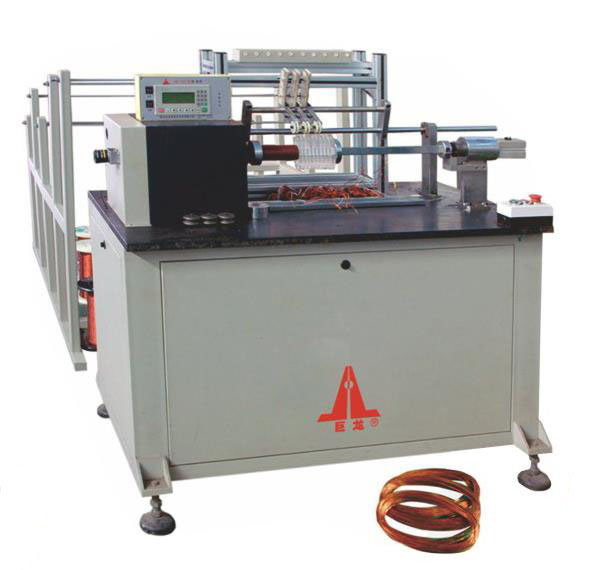
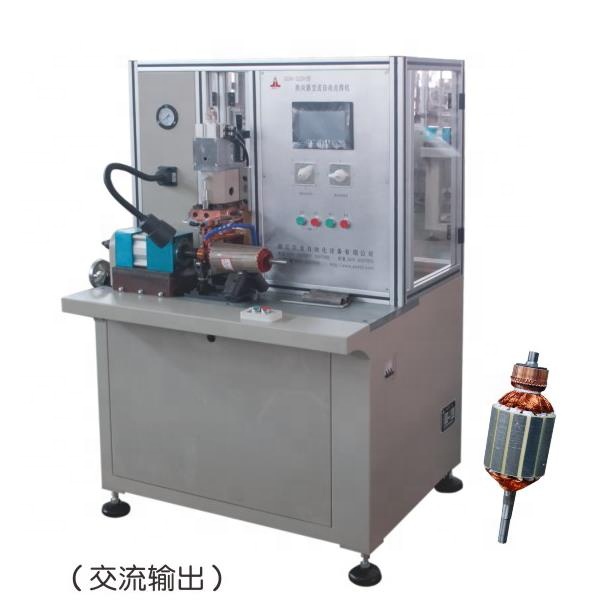
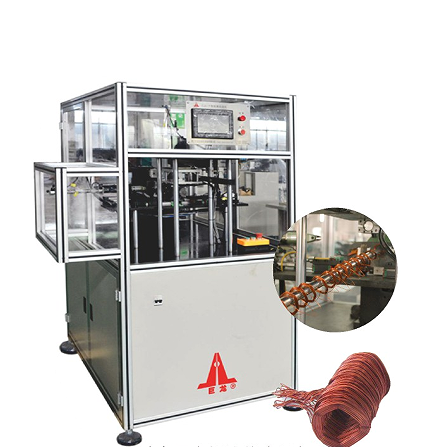
Engineered to handle high-fill stator slot dynamics, heavy-gauge copper coils, and micro-precision commutator fusing with high thermal stability.
Strategic manufacturing insights for tier-1 automotive suppliers, equipment retrofitting facilities, and rotating machinery builders across the Greater Liège Industrial Basin.
The industrial landscape of Liège, situated strategically at the convergence of Belgium, Germany, and the Netherlands within the Euregio Meuse-Rhine, is experiencing an accelerated technological modernization. Historically anchored in metallurgy, high-grade mechanical fabrication, and multi-modal logistics alongside the Meuse River, modern production facilities in Wallonia are aggressively pivoting toward electrification components, specialized auxiliary generator systems, and circular automotive remanufacturing. In this capital-intensive environment, mechanical resilience must interface directly with deterministic digital control.
Alternator manufacturing—spanning internal combustion auxiliary charging, marine auxiliary stators, off-highway heavy traction alternators, and 48V mild-hybrid belt-driven starter generators (BSG)—demands high slot-fill ratios, precise mechanical clearance tolerances, and low dielectric insulation failure rates. For manufacturing executives in the Hauts-Sarts Industrial Zone or logistics-linked engineering hubs near Liège Airport (Bierset), balancing OEE (Overall Equipment Effectiveness) with micro-second tension accuracy represents the key operating threshold. Zhejiang Rilvo Automation Equipment Co., Ltd. supplies complete, synchronized alternator production cells that address these strict technical criteria directly at the plant level.
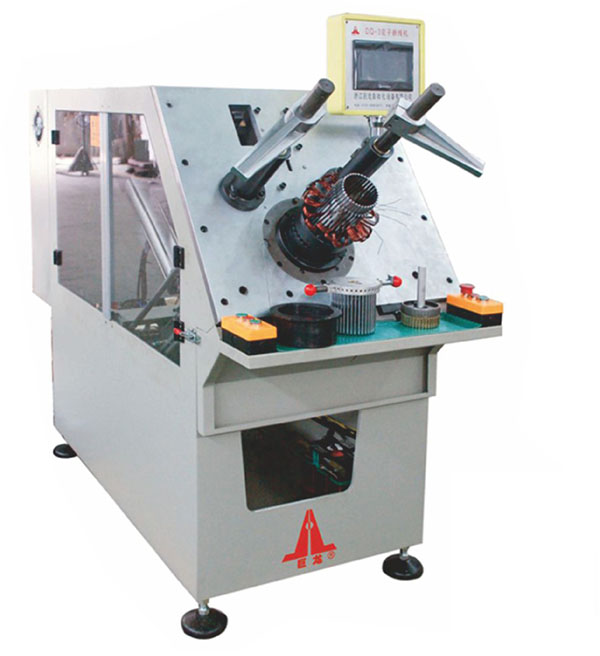
Our complete assembly system covers every operational cycle—from automatic horizontal insulation wedge paper insertion to multi-axis synchronized needle winding and servo-assisted coil insertion. By utilizing proprietary cam-driven profiles and closed-loop electrical brake tensioners, our architectures eliminate copper micro-abrasions and enamel thinning during insertion.
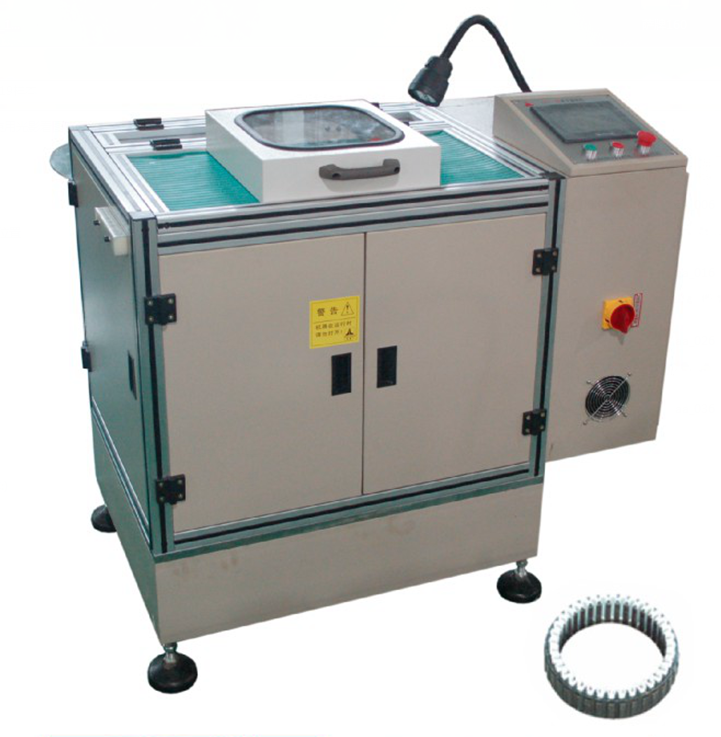
Precision machine integration customized for regional manufacturing ecosystems, remanufacturing loops, and heavy mechanical platforms.
Liège acts as a premier trans-European transportation crossroads. Automotive rebuilders and remanufacturing enterprises utilize our semi-automatic and CNC rewinding machines to re-engineer damaged or high-mileage alternators back to verified OEM electrical tolerances with rapid changeover tooling.
With direct commercial waterway connections stretching along the Port of Liège, commercial shipping and river barges demand ultra-heavy-duty marine-grade alternators. Our vacuum and automated horizontal trickling lines guarantee zero-void varnish saturation that shields coils against humidity and salinity.
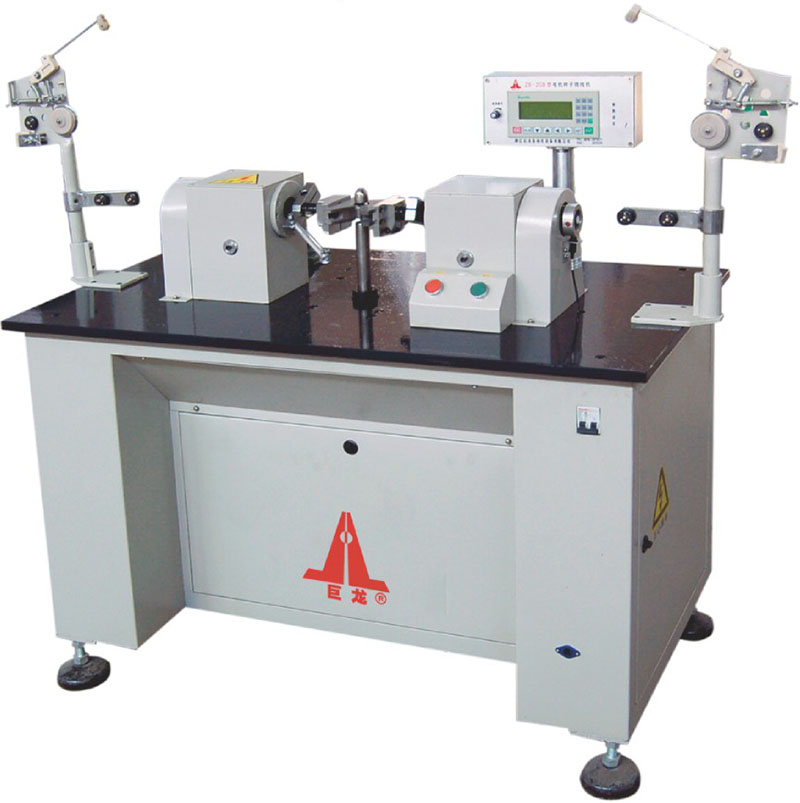
Steel handling machinery, aggregate processing plants, and mining derivatives throughout the industrial zones of Herstal and Seraing demand auxiliary generating sets capable of surviving intense thermal shifts and high vibration. Our multi-axis rotor wire winding and inverter spot welding units build structurally unified armatures.
From critical hospital backup arrays to rail maintenance systems interfacing with Walloon logistics axes, high-capacity synchronous brushless alternator stators produced on our custom multi-head insertion cells provide uncompromised voltage regulation and zero harmonic distortion under peak loads.
Strategic evolutionary shifts guiding plant expansions, machine procurement, and automation upgrades in the Wallonia region.
To reduce thermal buildup and maximize current output within tight engine enclosures, Belgian manufacturers are actively moving toward rectangular copper wire architectures. Flat wire allows fill factors above 70%, demanding automated shaping and 3D forming precision such as provided by our 5-SC-2B and CJL-7 series.
Under tightening European Union sustainability directives and ecodesign mandates, Liège-based tier suppliers are heavily scaling clean-break disassembly and automated re-winding cells. The ability to program variable slot counts without full mechanical re-tooling is now a critical capital evaluation benchmark.
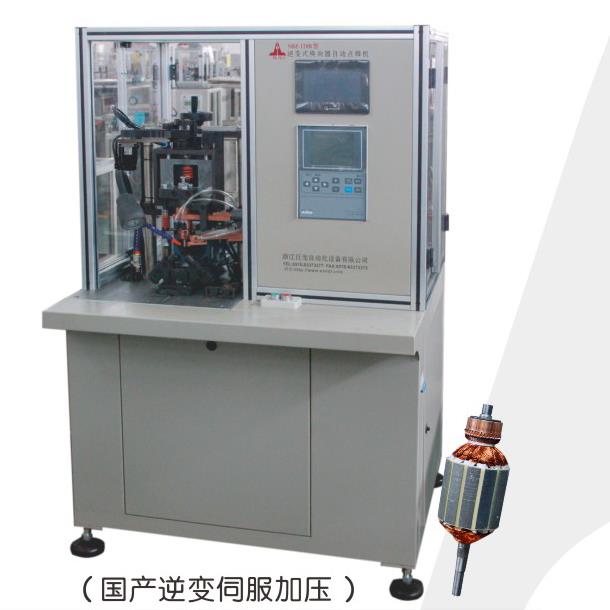
Modern production facilities across Wallonia prioritize Industry 4.0 data acquisition over isolated machines. Our SDZ-130GS inverter welding controllers capture dynamic resistance, current drop, and electrode penetration curves for every commutator segment, archiving zero-defect verification batches locally.
Direct factory engineering from our ISO9001 certified manufacturing campus in Zhejiang, fully aligned with European delivery protocols.
Operating out of a 60,000 m² industrial facility with 150+ specialized machining tools, we produce tooling fixtures, hardened winding nozzles, and kinematic linkage systems directly in-house without unpredictable third-party machining subcontracting.
Led by senior national mechanical innovators, our engineering team tailors wire guide cam curves, servo synchronization profiles, and customized slot insulation dies specifically matching your proprietary CAD core drawings within short turnaround cycles.
We eliminate commissioning risk. Every machine slated for European shipment undergoes multi-shift trial runs using the client's actual supplied rotor armatures and stator laminations, generating verified video inspection records and microscopic cross-section documentation before packing.
Located just two hours from Ningbo port, Rilvo maintains streamlined European maritime corridors into Antwerp and Rotterdam, paired with air-freight wear-part supply (nozzles, blades, inserts) to maintain peak uptime across Liège manufacturing facilities.
Detailed technical, compliance, and logistical clarifications for engineering departments scoping automated winding and assembly assets.
Yes. All machines built for shipment to Belgium are manufactured according to strict CE machinery standards. We configure the electrical cabinets with high-grade components (Schneider, Omron, SMC pneumatic controls), emergency stop circuits, interlocked safety guards, and dual-voltage (400V 50Hz 3-Phase) power configurations matching Belgian industrial grid parameters.
Before mold fabrication, our 36-member R&D engineering desk receives your lamination blueprints, slot geometry, copper wire diameter, and target turn count. We simulate winding arm kinetics and custom-machine insertion tooling, guiding finger sets, and wedge blades specifically matching your core stack height and internal diameter.
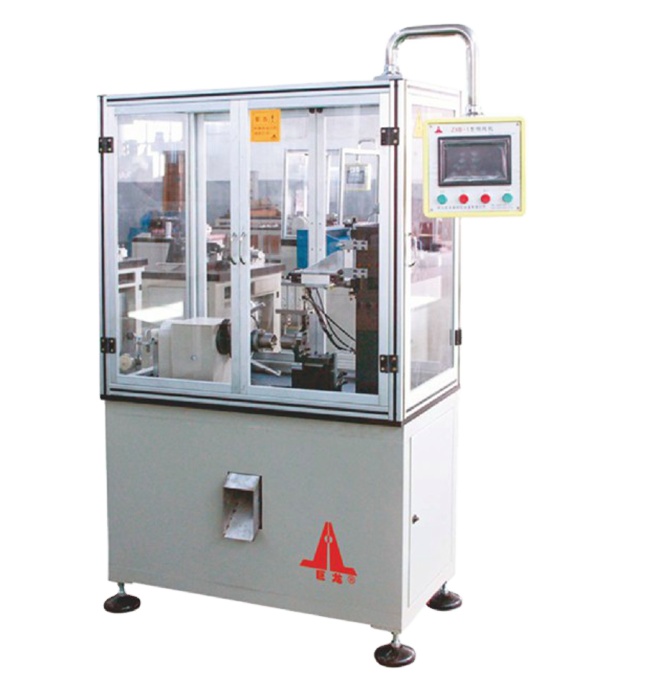
Operating on horizontal platforms such as the DFC-1, our automated wedge insertion machines achieve continuous cycle speeds between 0.35 to 0.65 seconds per slot, including automatic paper feeding, heating, edge-creasing, cutting, and indexation, significantly lowering manual takt times.
The SDZ-130GS employs intermediate-frequency inverter power controls with multi-stage pre-heating, welding, and annealing current pulses. This prevents copper vaporization, eliminates lead wire annealing embrittlement, and maintains clean, consistent contact resistance across all commutator bars.
We routinely export under CIF Antwerp or Rotterdam, as well as direct CIP/DAP terms to your facility in Liège. Comprehensive commercial invoices, packing lists with detailed HS codes, test inspection certificates, certificates of origin, and complete operator manuals in English are standard.
Every unit ships with modular electrical quick-disconnect harnesses and clear diagnostic touch-screen HMIs. We provide remote video-guided commissioning support, interactive electrical schematics, and wear-part replacement guides. On-site engineering dispatch is also available for integrated turnkey assembly line cells.
Send your stator and armature drawings to our export engineering desk. Receive a comprehensive line layout, takt-time calculation, and direct factory pricing within 24 hours.
Get Catalog