Engineered to deliver high slot fill factors, minimal enameled wire abrasion, and ultra-short takt times for high-volume electrical equipment plants.
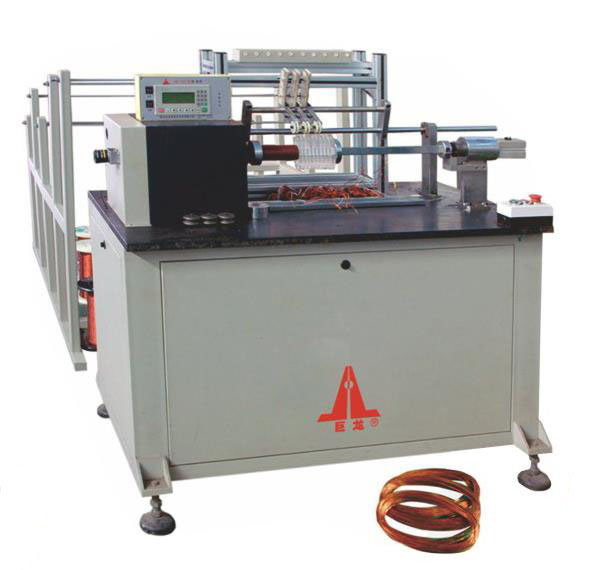
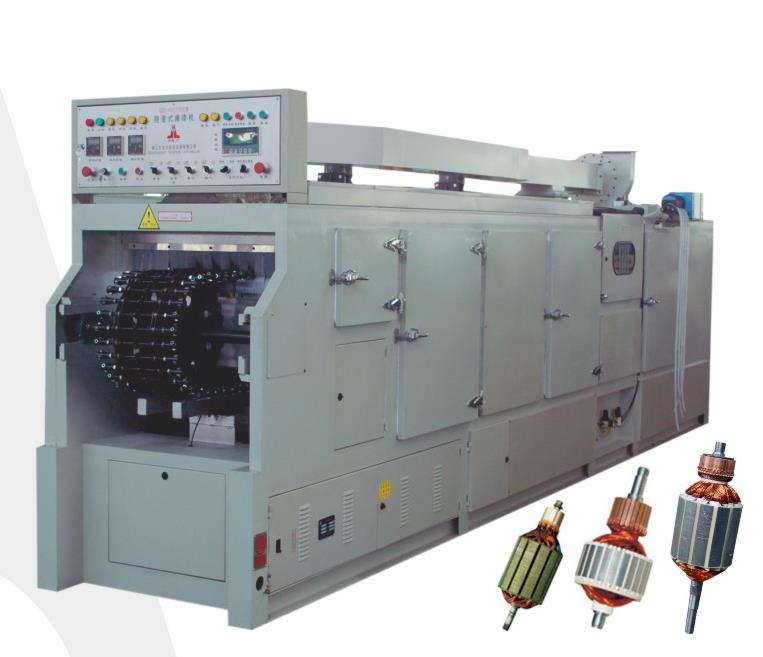
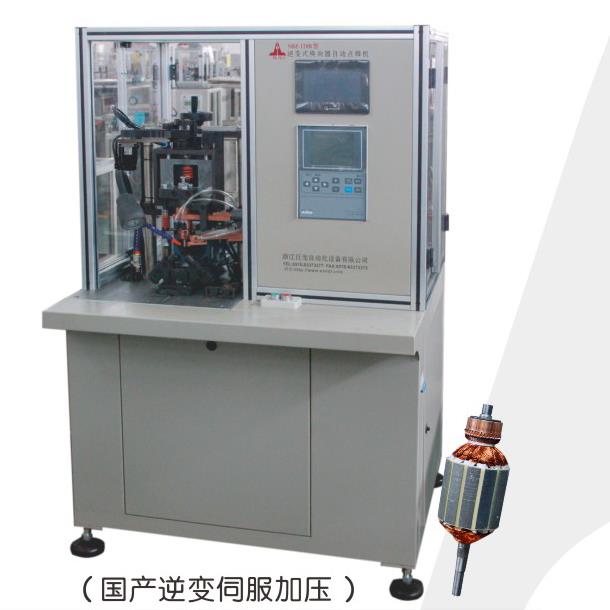
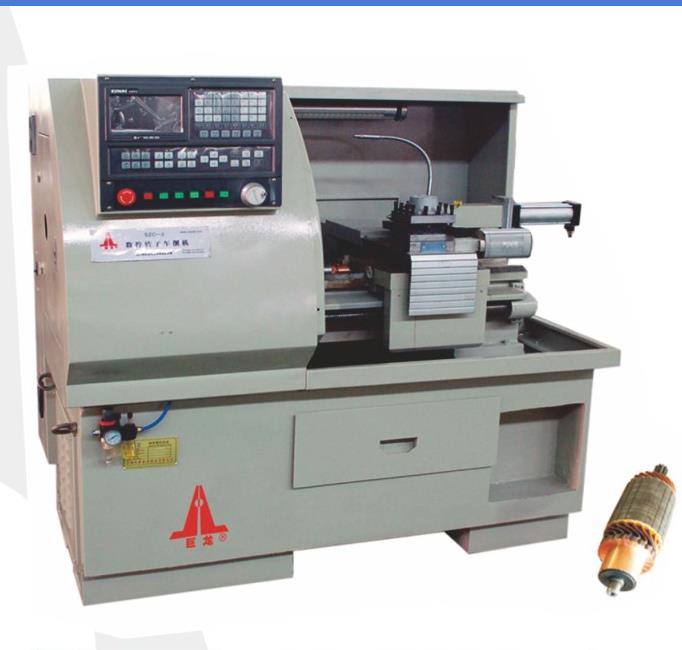
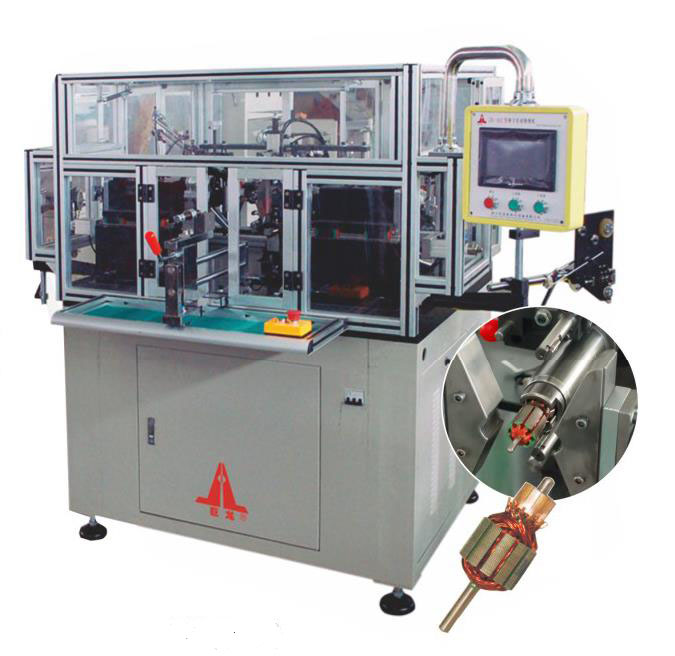
Quezon City stands as the industrial backbone and logistics nexus of the National Capital Region (NCR) in the Philippines. Characterized by high-density commercial fleets, light-to-medium manufacturing hubs along Quirino Highway and Novaliches, and massive commercial logistics corridors along EDSA and C-5, the demand for high-reliability automotive and industrial rotating machines has entered a structural growth curve. Alternators and starter motors serve as critical lifeblood components across heavy freight transports, public utility vehicles (PUVs), commercial standby diesel gensets, and municipal utility fleets.
Historically, the Quezon City and Valenzuela industrial corridors relied heavily on manual armature rewinders and labor-intensive benchtop assembly shops. However, fluctuating copper wire costs, rising municipal labor costs, and higher heat dissipation demands on modern vehicle alternators (often running 120A to 220A outputs to power modern electronics and telematics) have created a critical bottleneck. Manual winding creates uneven tension, erratic coil head geometry, and inconsistent slot cell fill, resulting in phase unbalances and premature diode pack burnout in tropical, stop-and-go Manila driving environments.
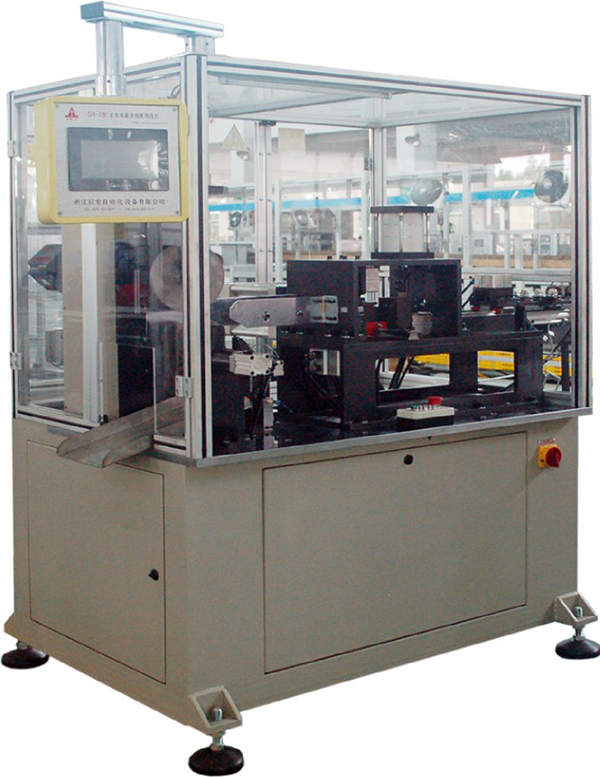
A substantial portion of Quezon City's automotive component sector centers on commercial-scale remanufacturing for Japanese, Korean, and Chinese truck platforms (Isuzu, Mitsubishi Fuso, Hino, and Foton). Sourcing brand-new OEM alternators imposes heavy foreign currency burdens on fleet maintenance operators. By deploying automated rotor winding, high-speed wedge insulation inserters, and CNC commutator lathing machines within local facilities, remanufacturers can rebuild stator packs and armatures to precise OEM concentricity standards at a fraction of the cost, achieving turnaround times under 24 hours.
Modernized Jeepneys (PUVs) and municipal bus networks traversing Quezon City require heavy-duty, high-amperage alternators that withstand constant idle-to-peak electrical cycling under monsoon and flood-prone conditions.
With periodic grid fluctuations in Luzon, industrial commercial towers and data centers across Eastwood, Cubao, and North EDSA mandate brushless AC alternator packages built with zero-defect winding balance.
Local government green initiatives have accelerated light electric vehicle adoption. Our production machinery configures seamless transition tooling from standard brushed alternators to high-pole-count BLDC stators.
As Quezon City pushes toward sustainable industrial development under the Green Building Ordinance and aligns with the national Department of Transportation’s PUV Modernization Program (PUVMP), three major industrial trends directly influence machine selection for alternator and electrical manufacturing enterprises:
Traditional round wire stator windings are increasingly replaced by rectangular hairpin copper windings in high-efficiency commercial alternators and EV traction motors. Hairpin architecture achieves slot fill factors exceeding 70% (compared to 45% with round wire), drastically reducing internal resistance and core heat generation. Machine lines must incorporate high-precision flat-wire shaping, automated hairpin slot insertion, and laser or inverter TIG end-welding modules.
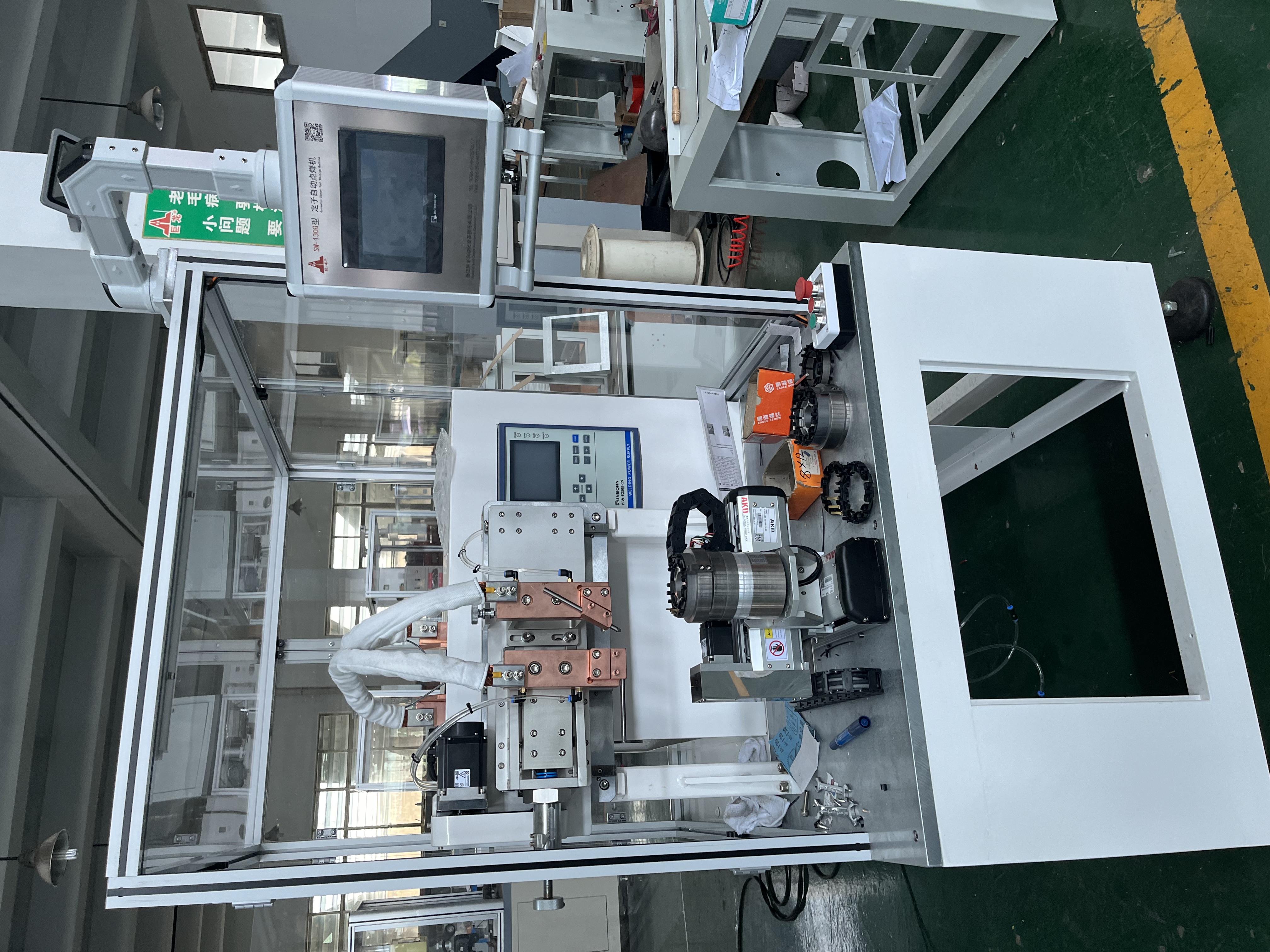
Due to volatility in global LME copper futures, local manufacturers producing replacement field coils and auxiliary armatures are optimizing product lines by blending copper with CCA materials. This transition requires sophisticated spot welding control; machines like our SDZ-130GS use inverter micro-stepping to regulate temperature ramp rates, preventing copper jacket delamination or inner aluminum core vaporization during commutator attachment.
Quezon City manufacturing directors are increasingly adhering to ISO9001:2015 and IATF 16949 audit expectations. Modern lines are expected to output cycle-by-cycle torque curves, resistance logs, and varnish curing thermographs directly to local MES or Ethernet-connected data loggers, eliminating assembly discrepancies and ensuring batch consistency.
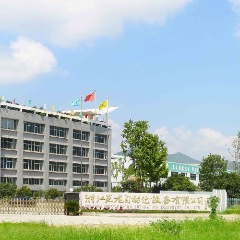
Originating from our centralized 60,000 m² industrial facility in Zhejiang, Zhejiang Rilvo Automation Equipment Co., Ltd. combines nearly three decades of dedicated electro-mechanical tool engineering with direct export support tailored for the Philippine market.
Unlike trading entities, Rilvo maintains end-to-end sovereignty over its assembly stages. From heavy machine frame annealing to avoid structural vibration during high-speed flyer winding, to multi-axis PLC programming, our turnkey setups minimize line integration downtime when installed in your plant.
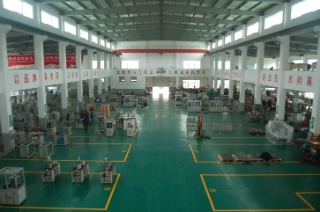
Practical guidance addressing electrical standards, customs clearance, site commissioning, and spare parts management in Metro Manila.
Connect directly with our senior application engineering group. Send your lamination dimensions, target output per shift, and wire technical parameters to receive an optimized process layout and transparent FOB/CIF pricing proposal.


