


Engineering Whitepaper: Technological Evolution of Automotive Alternator Rotor Manufacturing Lines
The manufacturing landscape for electrical rotating machines is undergoing an intense architectural shift. In the contemporary automotive and power generation sectors, alternators are required to operate with unprecedented electromagnetic density, higher thermal headroom, and near-zero parasitic loss. In markets driven by logistics, transit corridors, and heavy transport like Villa Nueva, Guatemala, the operational duty cycles imposed on automotive charging systems are notoriously rigorous. Alternator rotors—traditionally centered around claw-pole (Lundell) geometries, rotor field coils, slip rings, and drive shafts—must be produced under sub-micron concentricity tolerances to endure continuous operational speeds exceeding 18,000 RPM.
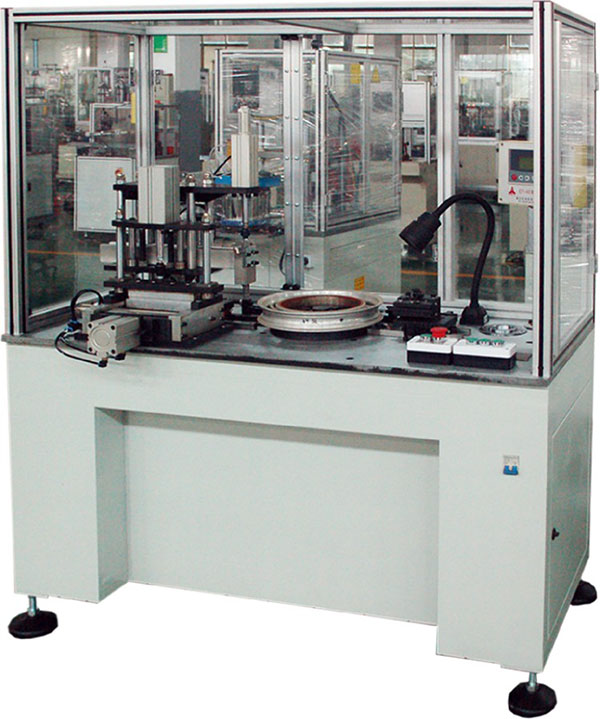
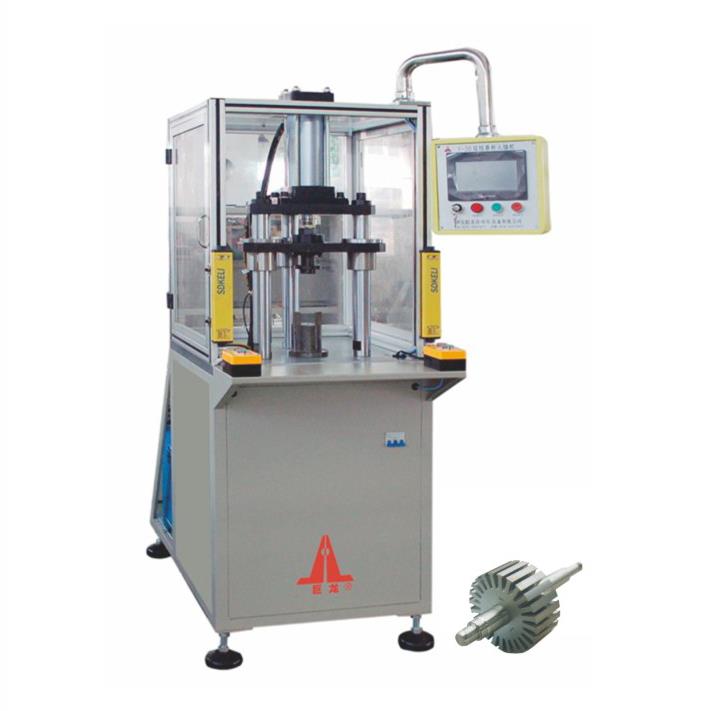
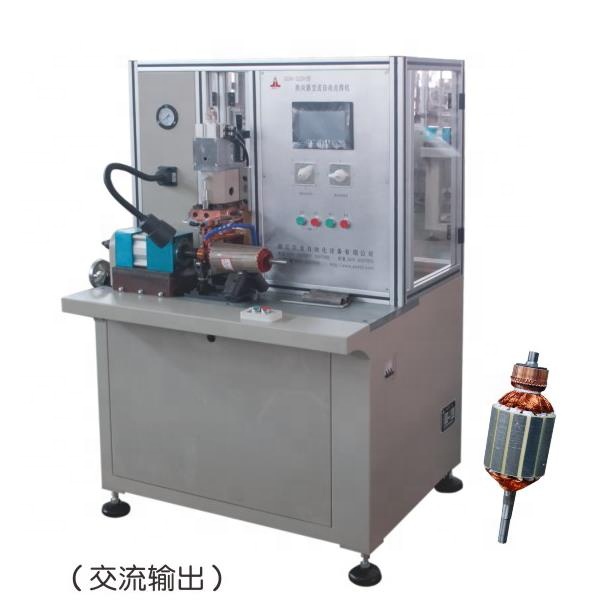
An end-to-end Alternator Rotor Production Line integrates multiple synchronous manufacturing modules: automatic claw-pole forging alignment, rotor shaft hydraulic or servo-driven press fitting, field coil precision layer winding, lead-wire hot-staking and commutator/slip ring resistance welding, high-speed resin trickle impregnation, and multi-station CNC turning and dynamic balancing. As industrial plant operators and remanufacturing enterprises within Central America move away from fragmented, manual rebuild stations toward unified, automated assembly lines, they demand automated manufacturing systems that lower cycle times (Takt Time), prevent insulation displacement during thermal expansion, and ensure copper fill factors exceeding 78%.
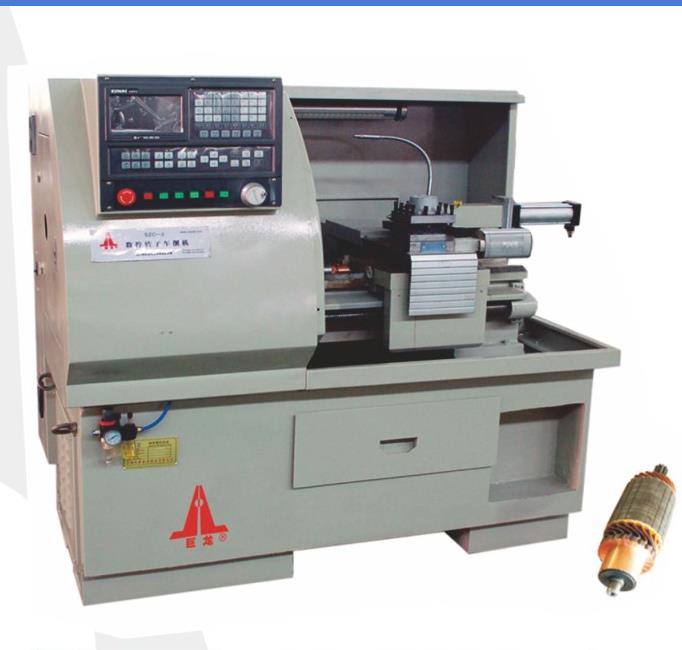
Rilvo Automation (Zhejiang Rilvo Automation Equipment Co., Ltd.), an established enterprise founded in 1998, has developed high-precision automated systems designed specifically to resolve mechanical stresses in rotor fabrication. Equipped with 3-axis and 5-axis servo-synchronized tension controls, equipment such as the ZB-303 Three-Servo Rotor Winding Machine and the SZC-3 CNC Rotor Lathing Machine deliver consistent structural equilibrium. By strictly mitigating wire scratch risks, controlling coil tension profiles dynamically, and providing precision turning tolerances within 0.003 mm, Rilvo turnkey systems enable automotive factories to achieve Tier-1 OEM production yields.