


Hot Runner
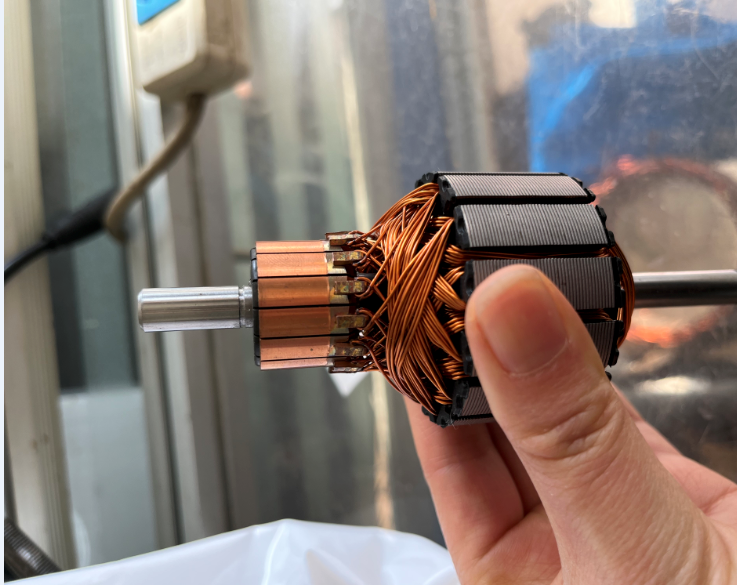
ZB-302 Motor Rotor Wire Winding Machine for Power Tool Rotor
- Core System:Dual-Flyer High Speed
- Wire Gauge:0.15 - 1.20 mm
- Stack Length:10 - 60 mm
Precision-engineered slot insulation, CNC rotor winding, hot-staking commutator fusing, and automated trickle impregnating machinery configured for continuous operation under tropical industrial conditions.
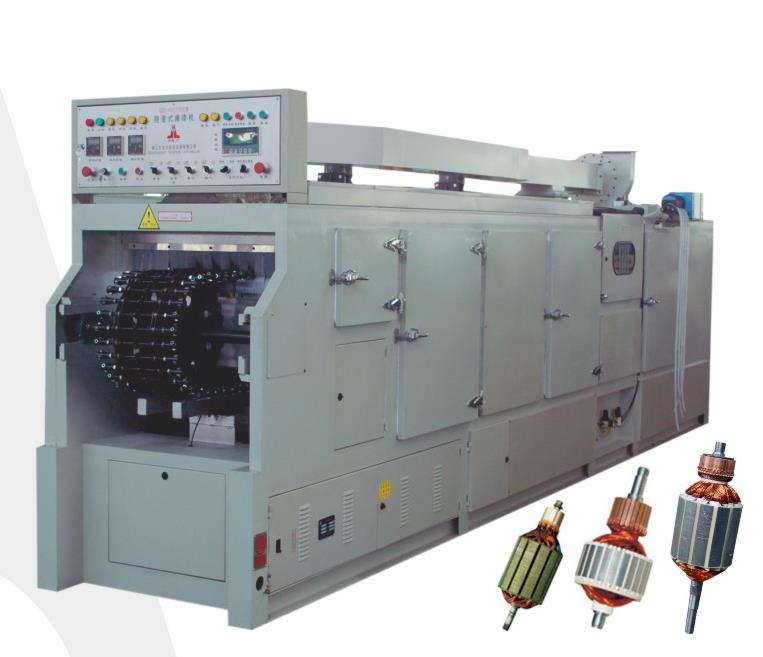
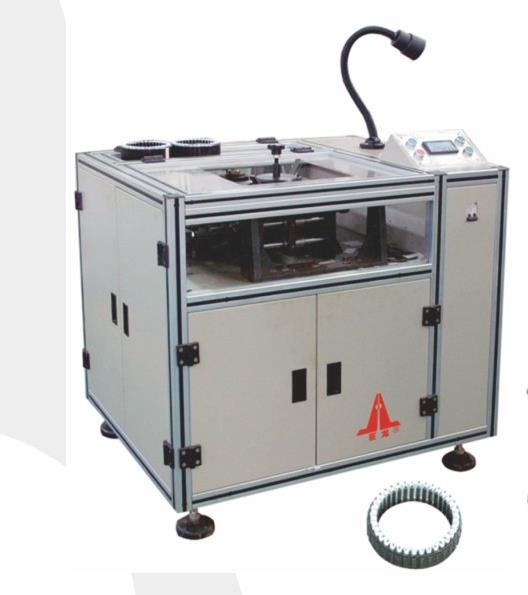
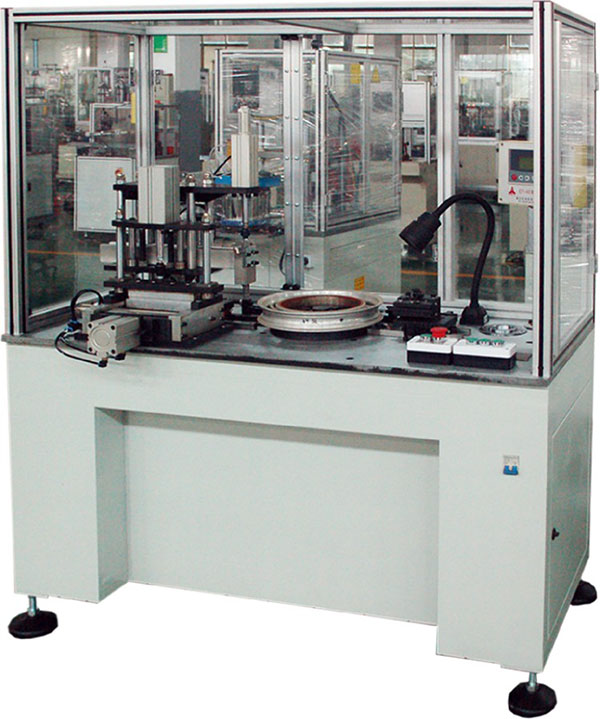
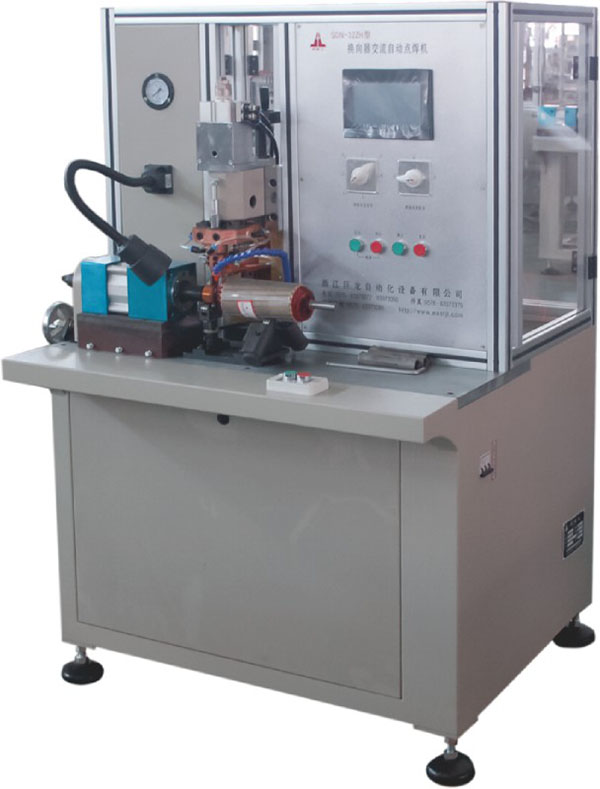
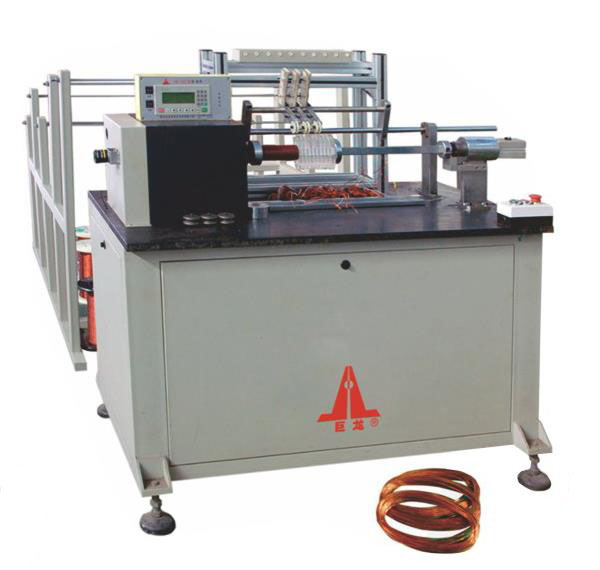
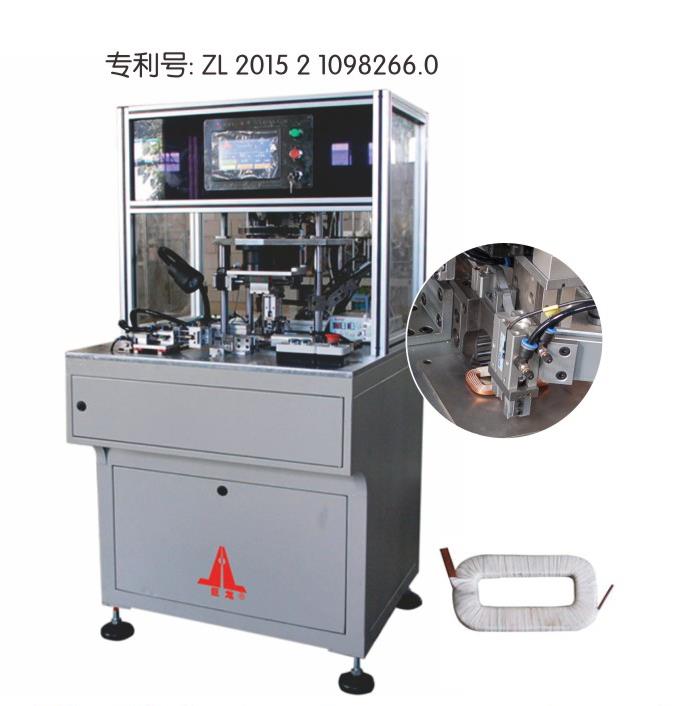
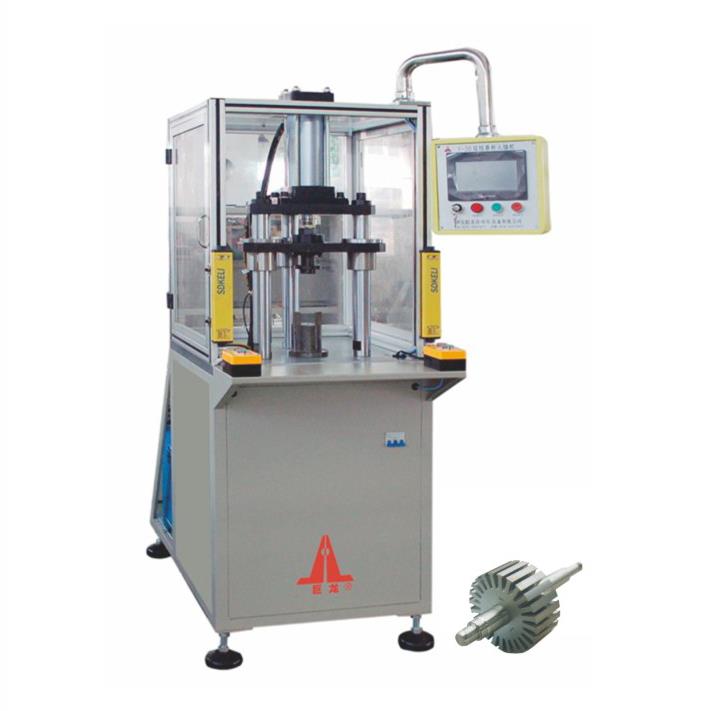
In modern low-voltage electric motor manufacturing, the armature slot insulation phase is the primary physical defense against inter-turn short circuits, dielectric voltage breakdown, and field ground faults. An armature paper inserting machine (commonly designated as an automatic slot cell paper insulater or slot liner forming system) carries out high-speed mechanical profiling, uncoiling, cuffing, edge-creasing, cutting, and pneumatic or servo-driven insertion of dielectric insulation composites directly into core lamination slots. For electric motor manufacturing facilities located in the Republic of the Philippines, achieving repeatable slot insulation is a major operational factor due to localized electrical network variances and severe ambient humidification challenges.
Technical Insight: A microscopic tear or edge-cuff deformation smaller than 0.2mm during armature slot insertion can result in immediate dielectric puncture when tested under standard 1,500V to 2,500V Hi-Pot insulation diagnostics. Our machine tooling relies on cold-forming die steels tempered to HRC 60-62 to guarantee uniform edge-cuff radii that protect enamel magnet wire coatings during automatic high-tension flyer winding.
Automated armature insulation systems deployed across contemporary production workshops utilize a multi-axis CNC synchronization matrix. The mechanical sequence initiates with constant-tension strip decoiling. High-dielectric films—such as DMD (polyester film bonded to polyester fiber web), Nomex® aramid composites, or pure polyester (PET) film—are routed through an anti-static micro-tensioning guide array. Edge-folding creasing rollers establish symmetrical mechanical hems along both lateral perimeters. This cuffing mechanism is critical: it prevents copper magnet wire from bearing directly against bare, punch-stamped silicon steel rotor laminations during the winding process.
Following cuff formation, high-precision stepper or AC brushless servo motors drive feeding knurls calibrated to advance material increments within linear tolerances of ±0.05 mm. Solid carbide or hard-alloy guillotine shearing dies execute burr-free perpendicular cuts. Concurrently, a form-folding punch transforms the two-dimensional planar sheet into an engineered geometric cross-section conforming precisely to the armature slot envelope (such as O-type, V-type, or accordant bottom profiles). Finally, a mechanical or pneumatic push-rod ejects the formed cell liner into the armature core lamination, while a servo indexing head rapidly rotates the rotor core through precise slot pitch divisions (typically 10 to 36 slots) in fractions of a second.
Integrated dual-side folding heads create elastic cuffs with balanced inner radii, eliminating tension tears in high-density composite papers like Class H Nomex-Kapton matrices.
Capable of reaching high cycling speeds of 0.35 to 0.75 seconds per slot, providing large scale manufacturing lines with continuous, multi-shift output without thermal creep.
Rapid-change modular fixture assemblies allow rapid changeovers between rotor diameters of 15 mm to 120 mm in under 20 minutes, minimizing shop floor downtime.
The manufacturing ecosystem of the Philippines is experiencing rapid industrial diversification. With substantial national investments channeling into high-efficiency machinery through PEZA (Philippine Economic Zone Authority) industrial parks, motor manufacturing and electromechanical refurbishment operations require machinery fine-tuned for high performance and local environmental resilience.
Centered around industrial parks in Laguna (such as Laguna Technopark) and Cavite (EPZA), Tier-1 and Tier-2 automotive component suppliers assemble DC starter motor armatures and AC alternators. Our machines offer structural endurance to handle multi-shift production quotas for international and regional transport export lines.
Export-oriented light industrial fabrication plants in Batangas, Pampanga, and Clark Freeport Zone assemble high-RPM universal motors (angle grinders, electric drills, commercial blenders). Our slot liner technology ensures high dielectric protection under extreme mechanical vibration and high centrifugal speeds.
Large consumer electronics facilities throughout Metro Manila and Bulacan produce domestic fan rotors, washing machine drive motors, and compressor units. Our machines accommodate both skewed and straight rotor core slot configurations with zero mechanical scuffing.
As the Philippine manufacturing index trends upward under initiatives like the Philippine Electric Vehicle Industry Development Act (EVIDA - Republic Act No. 11697), the domestic motor industry is undergoing a structural transition from legacy manual processes to automated assembly lines:
1. Shift from Manual Rewinding to High-Throughput Automation: Historically, a substantial portion of the Philippine industrial motor repair and assembly economy relied heavily on hand-creased Fish Paper (vulcanized fiber) insertion. While sufficient for low-volume workshop repairs, this approach creates non-uniform cuff heights, uneven slot compaction, and higher rejection rates under high-voltage breakdown checks. Modern facilities are rapidly adopting fully automated slot paper insertion to lower labor costs and eliminate human error.
2. Climate-Resilient Tropicalized Engineering: The Philippines presents a persistent tropical marine environment with relative humidity levels consistently between 75% and 90% across the year. Industrial insulation materials are hydroscopic, absorbing moisture rapidly if not handled under stable mechanical pressure. Modern automatic armature paper inserting machines utilize specialized surface heat-stabilizers, chrome-plated guiding surfaces, and sealed electrical cabinets that keep paper dry and structurally intact before insertion into the core stack.
3. Rise of Brushless DC (BLDC) and Light Electric Mobility: With the nationwide growth of electric tricycles (e-trikes), electric jeepneys, and light two-wheelers across Manila, Cebu, and Davao, the motor manufacturing supply base is migrating toward high-efficiency brushless DC hubs and compact high-pole armatures. This transition requires versatile machinery capable of handling narrow slot geometries and advanced technical insulation composites.
Key technical, commercial, and operational insights for Philippine manufacturing directors, procurement managers, and mechanical line engineers importing precision motor equipment.
Established in 1998, Zhejiang Rilvo Automation Equipment Co., Ltd. has spent over two decades as a high-technology innovator focused on the research, mechanical engineering, and continuous refinement of automated motor manufacturing equipment. Operating from our industrial manufacturing complex spanning nearly 60,000 square meters in the Shatianyang Development Zone of Sanmen, Taizhou, Zhejiang, our enterprise integrates all phases of design, machining, electronic assembly, and final quality control under one roof.
Recognized officially as a High and New Technology Enterprise of Zhejiang Province, Rilvo maintains an in-house multidisciplinary R&D collective of 36 dedicated engineers, led directly by our company president and chief engineer—a celebrated recipient of the national knowledge-worker model award conferred by the All-China Federation of Trade Unions. Our proprietary technology base is protected by 17 national utility and invention patents, with complete operational workflows certified under the ISO9001 Quality Management System and China Compulsory Certification (3C).
Integrated In-House Manufacturing: Unlike equipment trading brokers or simple assemblers, our campus contains over 150 advanced machining centers, CNC milling units, surface grinders, and wire EDM installations. We cut, machine, heat-treat, and test every critical guiding surface, inserting blade, and indexing spindle in-house. This gives us full structural control over material concentricity, dynamic balancing, and assembly clearances—providing you with dependable factory-direct pricing and direct access to spare parts.
Our complete machinery line encompasses over 90 specialized equipment varieties covering the total motor assembly chain: automatic stator wire winding systems, wave-shape coil winders, horizontal wedge paper inserting units, rotor armature flyer winders, commutator spot welding and fusing stations, automatic electrostatic powder coating lines, and integrated testing benches for micro-motors, brushless DC motors, starter motors, and electric bicycles. With export sales reaching across Eastern Asia, Southeast Asia, South America, Eastern Europe, and the Middle East, our team possesses the technical depth and commercial experience needed to support Philippine motor manufacturing lines with high-efficiency automation.
Contact our senior engineering team to discuss your armature drawings, stack dimensions, slot insulation materials, and target throughput. Receive an engineering proposal and factory quotation within 24 hours.