Explore precision-engineered winding equipment, automatic slot insulators, wire shapers, and magnet insertion modules designed to maximize slot fill factor, thermal conductivity, and operational uptime.
The manufacturing ecosystem in the Lao People's Democratic Republic is experiencing a transformative structural shift. Driven by bilateral infrastructure development through the Kunming-Vientiane Railway corridor, access to scalable hydroelectric power, and expanding Special Economic Zones (SEZs) such as Saysettha Development Zone, Vientiane Industrial Park, and Savan-Seno, Laos is rapidly transitioning from traditional assembly processing to advanced electro-mechanical manufacturing. At the core of this transition lies the production of brushless DC (BLDC) motors—the prime mover for next-generation electric light vehicles (two-wheelers and three-wheelers), industrial drone propulsion, energy-saving agricultural water pumps, and modern split-inverter ventilation systems.
A comprehensive BLDC production line engineered for export-grade reliability encompasses four discrete yet tightly linked automation cells:
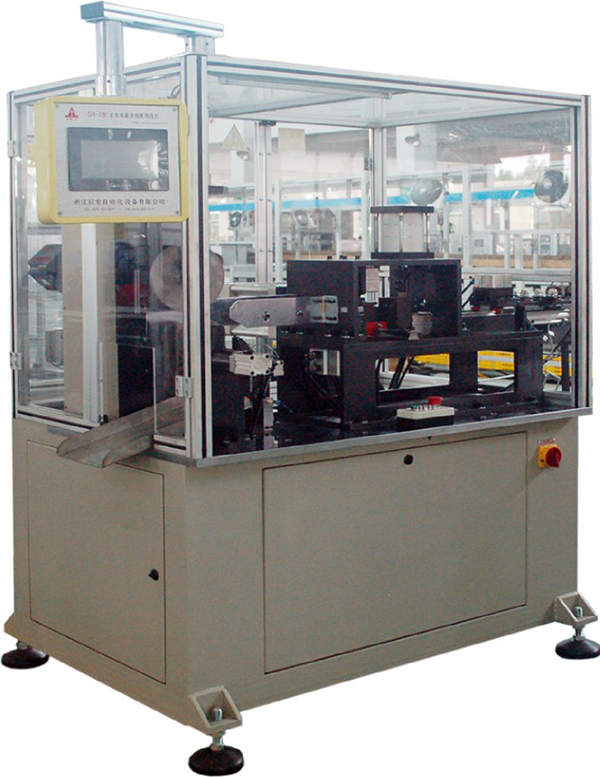
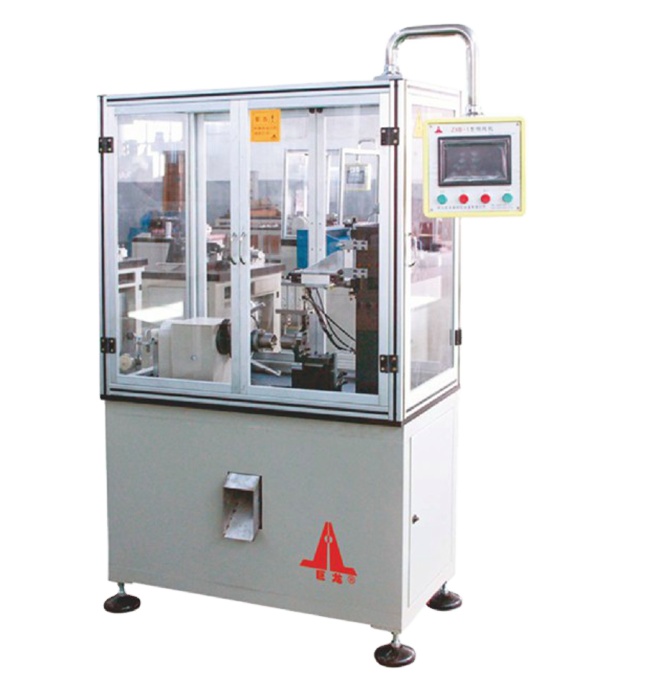
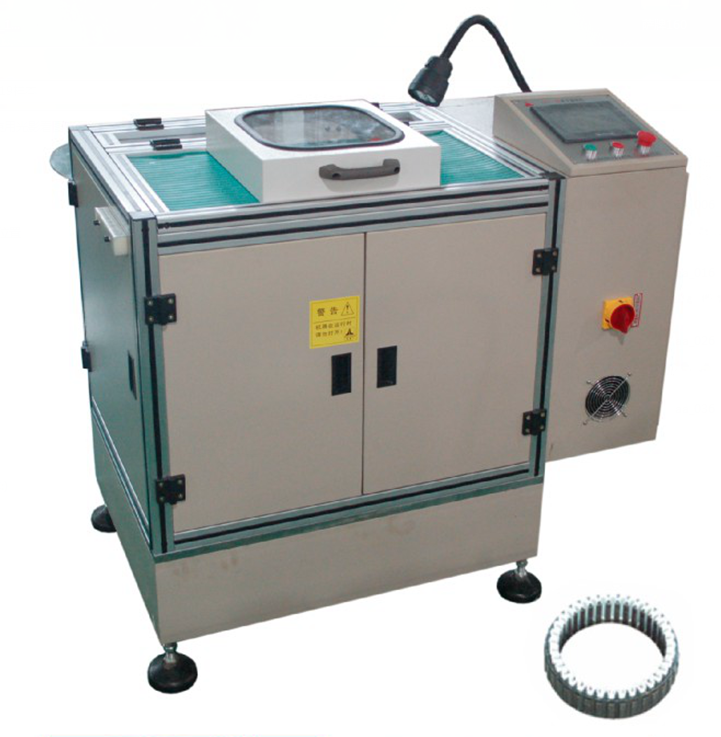
Automated stamping lamination stacking followed by precision slot paper insertion using equipment such as the DFC-1 Horizontal Paper Inserter or electrostatic epoxy powder spray insulation lines to prevent dielectric breakdown under tropical humidity conditions.
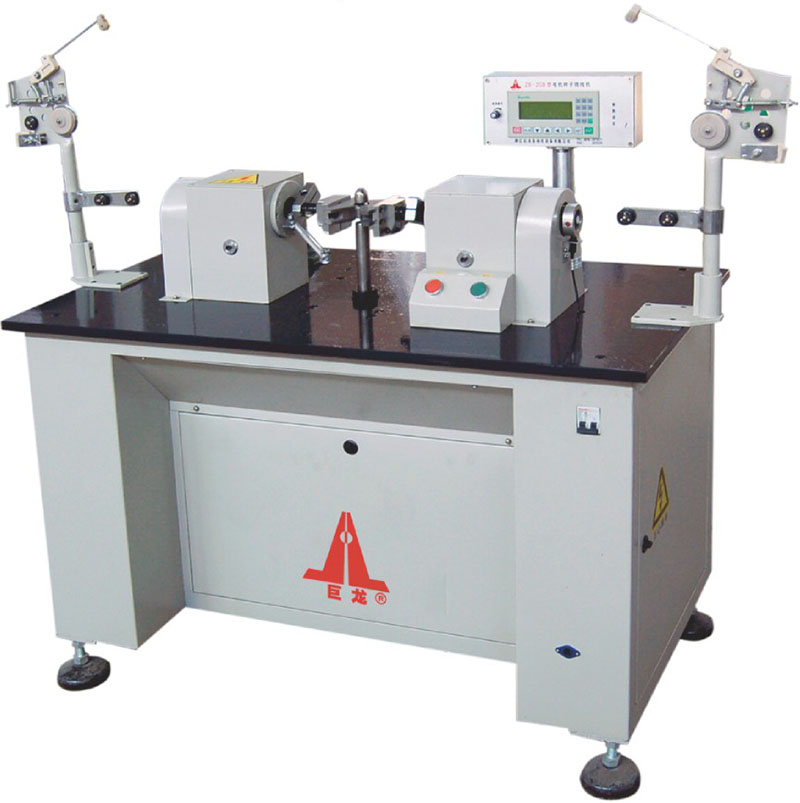
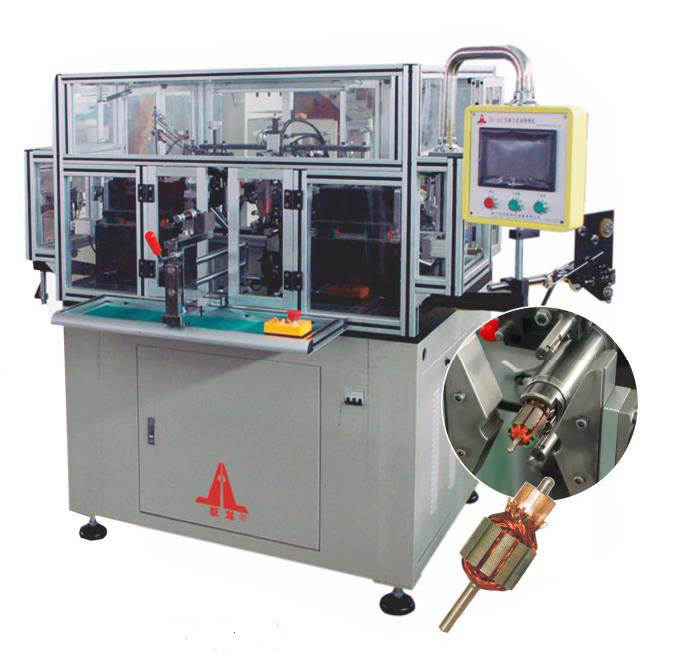
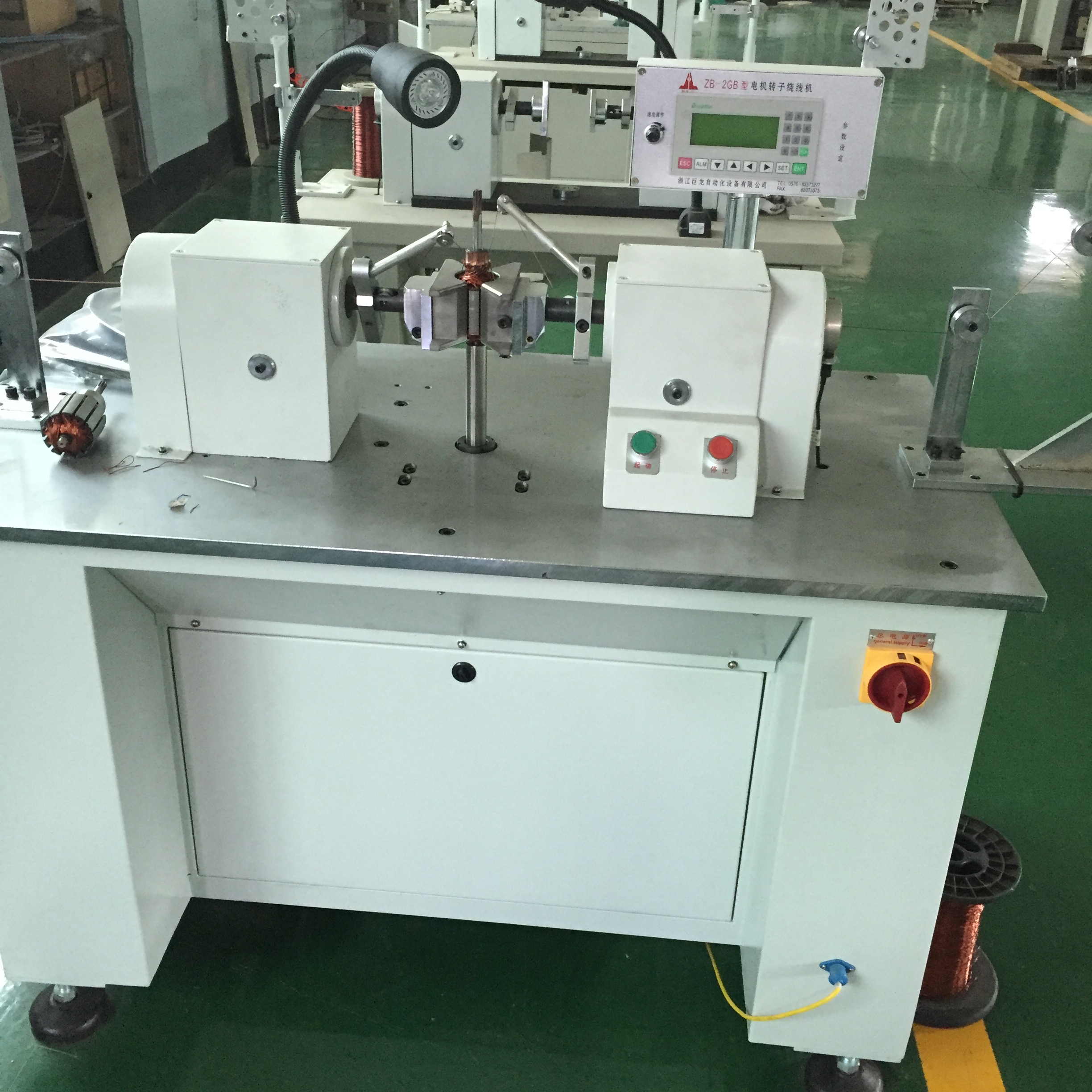
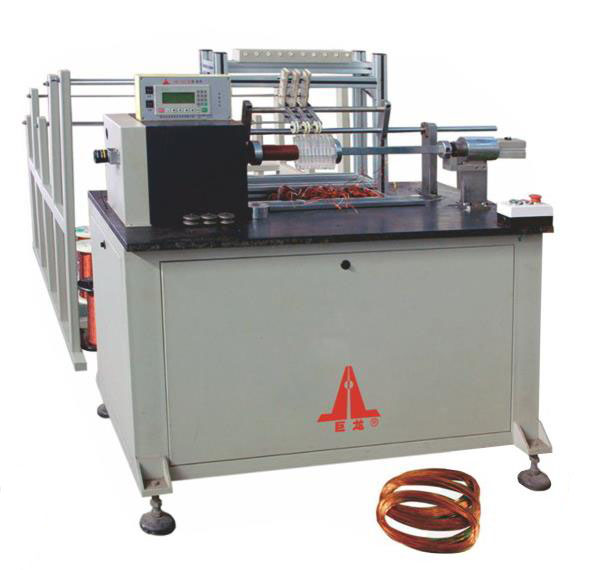
Implementing CNC needle winding or high-speed dual-flyer winding (such as the ZB-303 Three-Servo and QR-2 series). Closed-loop wire tensioners preserve copper wire enamel coatings while achieving up to 78% slot copper fill volume.
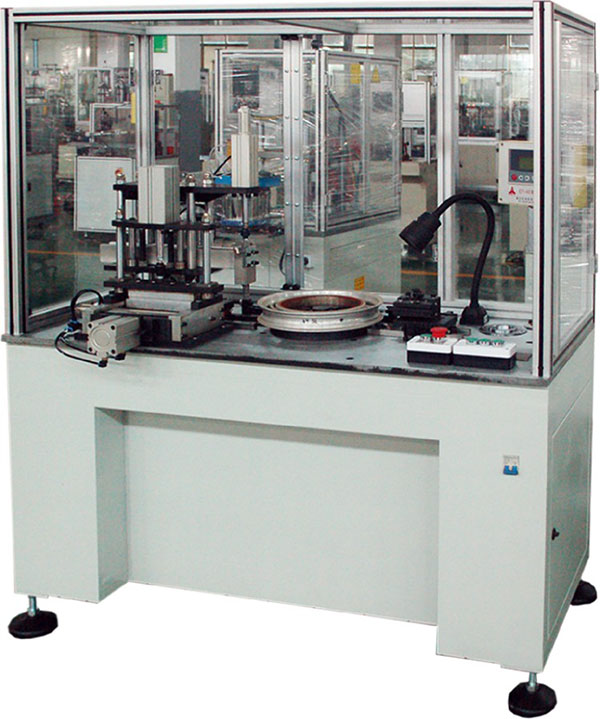
Robotic placement of high-energy NdFeB neodymium magnets via our CT-40 Automatic Insertion & Gluing System. Controlled dispensing of structural adhesive ensures balanced distribution and shear strength under high operating temperatures.
Adopting BLDC motor lines in Laos is closely tied to domestic modernization goals and strategic export agreements with neighboring ASEAN economies (Thailand, Vietnam, Cambodia) and Southwest China. Below are the prominent local application verticals actively implementing these manufacturing lines:
Rising urban fuel costs in Vientiane and Luang Prabang are accelerating the adoption of electric scooters and light delivery trikes. Local assembly lines produce outer-rotor BLDC hub motors (800W to 3500W) offering high starting torque and IP67 weather resistance.
Throughout the agricultural basins along the Mekong river valley, solar-powered deep-well submersible pumps require brushless DC motors with 90%+ electrical efficiency to maximize solar array output without running diesel generator backup sets.
Special Economic Zones in Savannakhet and Champasak serve as OEM production bases supplying consumer cooling equipment to Thailand and Vietnam. Variable-frequency BLDC compressors and fan motors manufactured locally meet regional energy conservation mandates.
With operational foundations established in 1998, Zhejiang Rilvo Automation Equipment Co., Ltd. stands as a premier technological enterprise specializing in motor automation. Our primary manufacturing facility in the Shatianyang Development Zone of Sanmen spans 60,000 m², incorporating state-of-the-art CNC machining centers, full-line integration workshops, and certified quality labs backed by ISO9001, China Compulsory Certification (3C), and 17 proprietary patents.
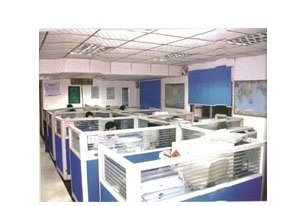
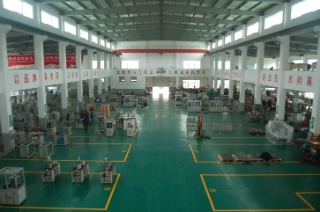
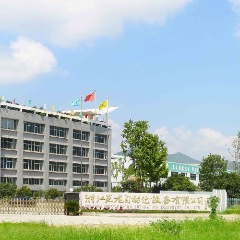
Every stator lamination stack and rotor profile varies. Our engineering desk fabricates custom winding needles, insertion tooling, and wire formers directly matched to customer CAD/CAM drawings.
No machine leaves our factory floor without running continuous cycles using your physical stator cores and magnet stock. Full HD video data and cycle rate proofs are validated before crating.
Located near Ningbo and direct rail link hubs, Rilvo coordinates streamlined export freight directly to Vientiane South Station or via multimodal sea-land transport through Bangkok or Haiphong.
Direct answers for production directors, plant managers, and procurement specialists setting up motor fabrication facilities across Lao economic corridors.


