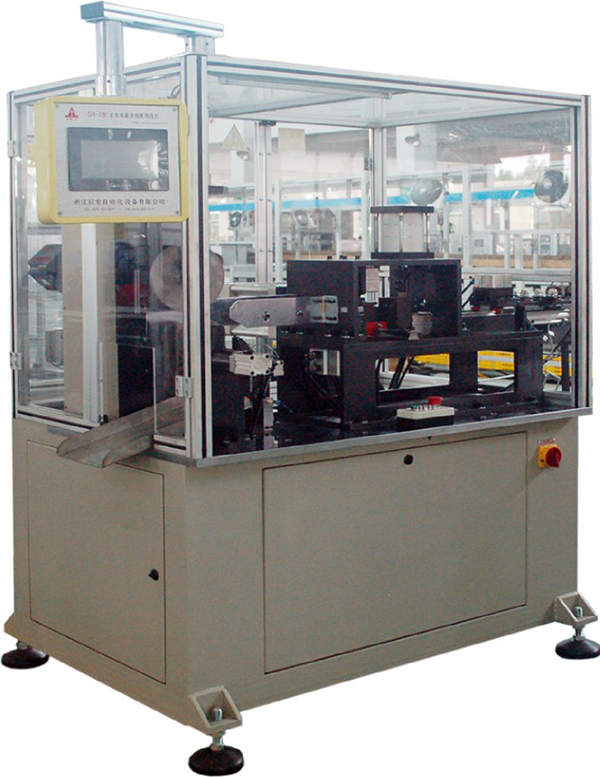
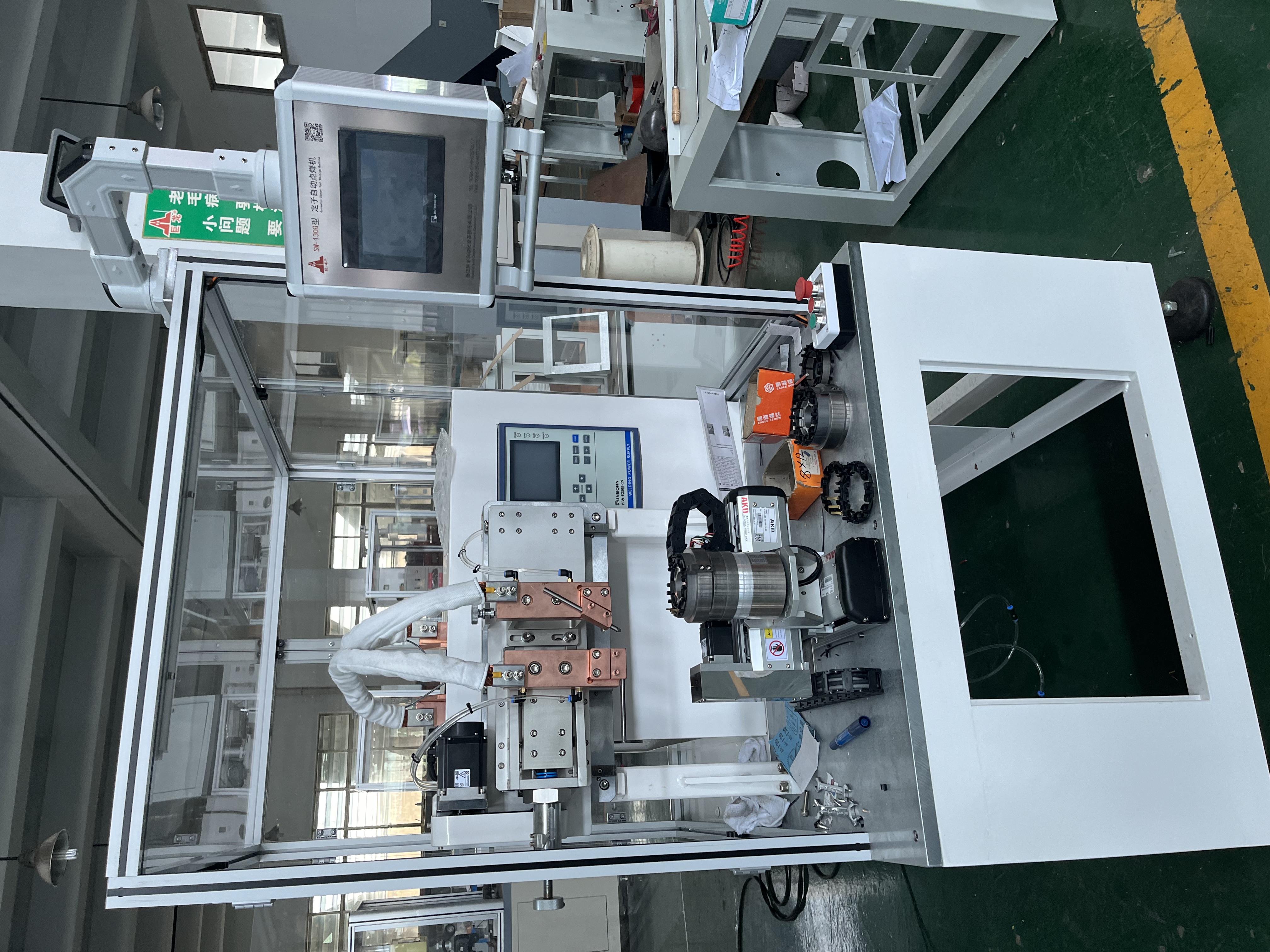
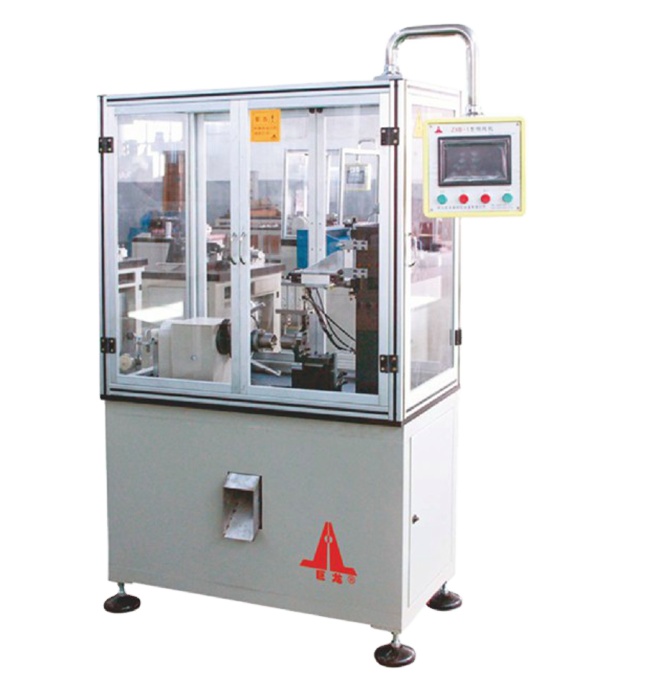
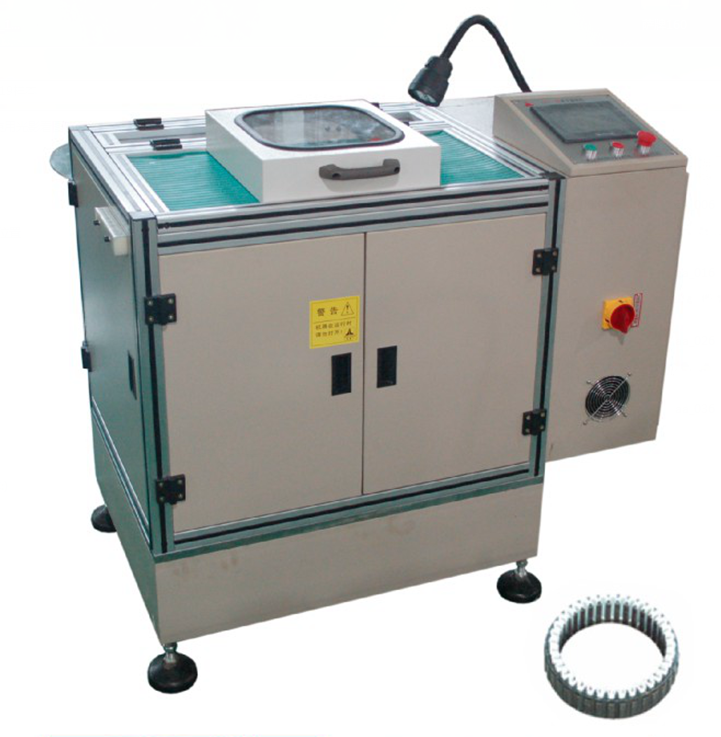
Engineered to handle tight slots, thin-gauge copper wire, hairpin setups, and high-frequency thermal demands across automotive, agro-industrial, and smart-appliance applications.
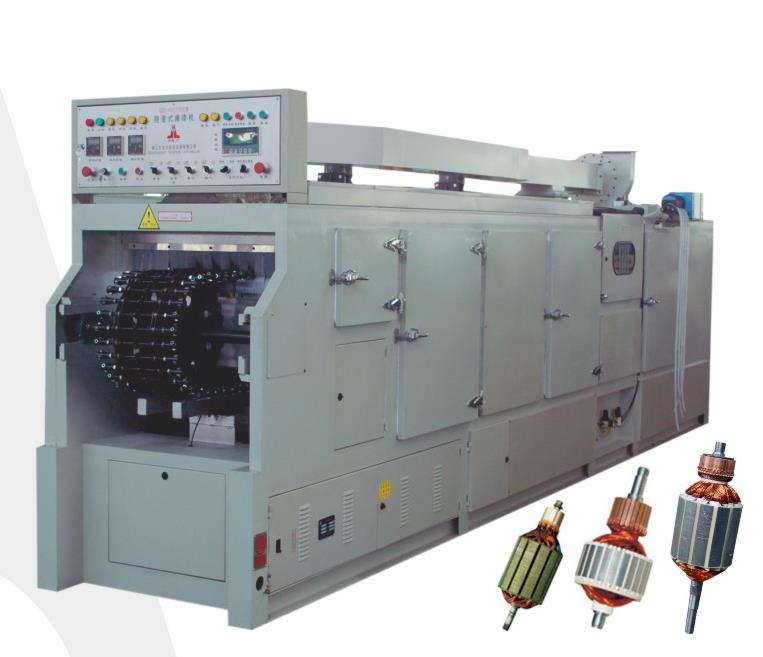
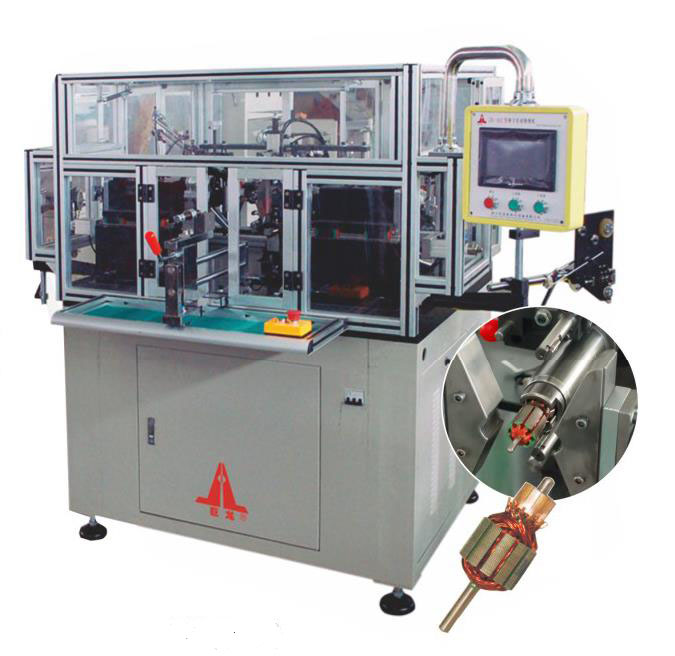
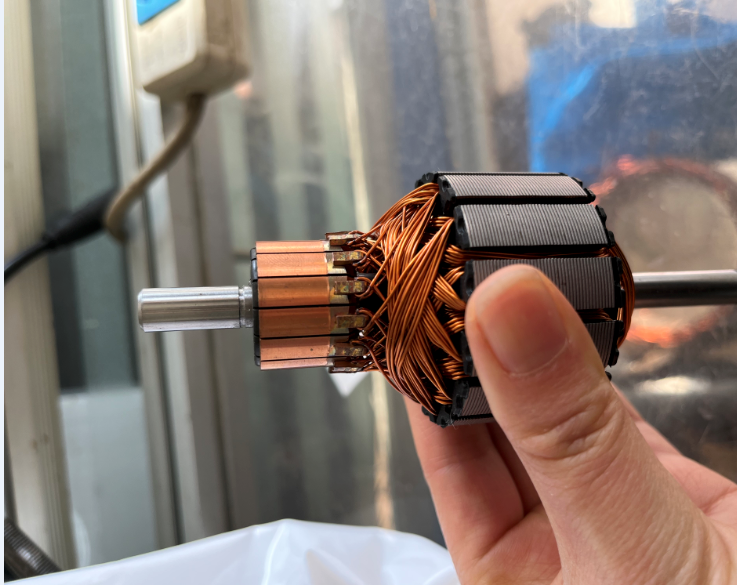
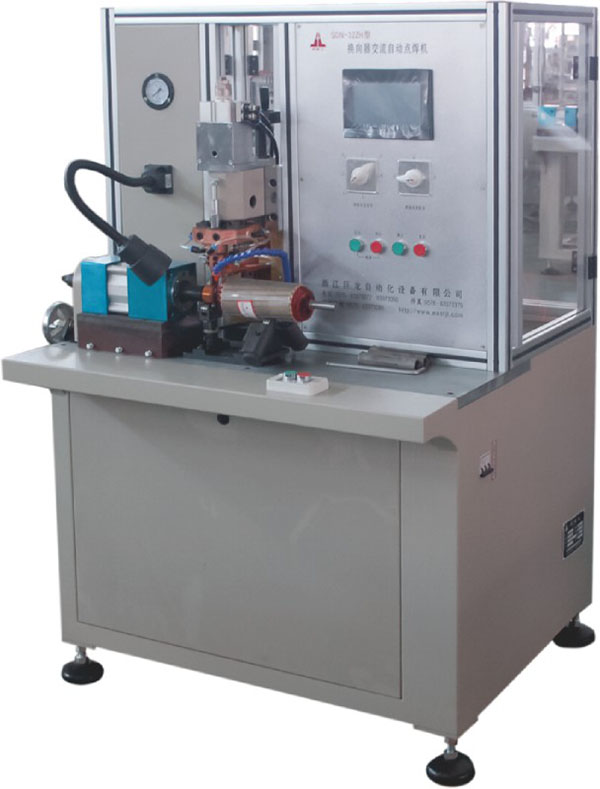
Analyzing the operational requirements for electromagnetic precision, heat dissipation, and mechanical stability across Northeastern Thailand's expanding manufacturing ecosystems.
Udon Thani serves as the primary agricultural and logistics junction connecting Laos PDR with Thailand's central plains. Localized processing facilities require IP67-sealed, high-efficiency BLDC motors for solar water pumping, food sorting lines, and deep-freeze logistics compressors.
The acceleration of cross-border trade via the Udon Thani Industrial Estate and dry ports demands localized assembly of light electric utility vehicles, two-wheelers, and automated guided vehicles (AGVs) operating in warehouse freight terminals.
Assembly plants migrating inward toward Isan benefit from competitive regional labor, requiring assembly lines equipped with fool-proof (Poka-Yoke) vision validation, auto-skewing fixtures, and closed-loop torque diagnostics.
Why domestic procurement and regional assembly plants in Udon Thani are shifting toward automated BLDC manufacturing architectures.
With the operational freight line connecting Kunming through Vientiane to Nong Khai and Udon Thani, transit time for sub-components, rare-earth magnets, and tooling dies has plummeted from weeks to under 48 hours, enabling modern Just-in-Time (JIT) production lines.
Thailand's Board of Investment (BOI) provides substantial corporate income tax holidays and duty exemptions for smart automation adoption. Integrating advanced servo winding and digitalized factory floor networks unlocks tier-one local grants.
Mandatory energy labeling standards across ASEAN have made legacy universal brushed motors obsolete. Commercial pump, ceiling fan, and power tool assemblers must adopt high-slot-fill brushless assembly to retain market competitiveness.
Plants in regional industrial parks like Udon Thani IE avoid monolithic single-purpose machinery. They seek modular production cells capable of starting as semi-automatic operations that scale directly into robotic transfer lines without scrap redesign.
Zhejiang Rilvo Automation Equipment Co., Ltd. provides direct technical authority, documented patents, and global project engineering rather than middleman brokerage.
Operating under strict ISO9001 quality management protocols with full China Compulsory Certification (3C). Recognized as a verified High and New Technology Enterprise holding 17 registered national patents in electrical wire embedding and precision commutator welding.
Our 60,000 m² production campus houses over 150 dedicated machining centers, grinding machines, and wire EDM suites. We machine our own winding heads, insertion finger sets, and clamping fixtures to maintain micro-inch dimensional repeatability.
Staffed by 150 skilled personnel, including 36 specialized R&D mechanical and software engineers. We analyze your lamination CAD files, slot geometries, wire diameter tolerances, and thermal dissipation goals to build bespoke tooling configurations.
No machine leaves our facility unverified. Buyers ship their own laminations, copper magnet wire, and commutators to our factory. We run pilot production batches, document cycle times via high-definition video, and provide serialized inspection checklists.
Strategically situated in Zhejiang, within 2 hours of Ningbo and Shanghai deep-water container terminals. Seamless access to international cross-border multimodal networks enables expedited delivery of machines, accessories, and replacement parts directly to Udon Thani.
Every automated station is configured with secure remote diagnostic connectivity. Our senior engineers assist factory maintenance teams in Udon Thani via real-time tele-diagnostics, detailed schematics, PLC source documentation, and fast on-site support visits.
Clear, direct technical and commercial answers resolving common questions regarding international procurement, installation, and custom engineering.
Yes. All control cabinets, servo motor drivers, transformers, and heating coils are engineered specifically to your local electrical standards: 380V/415V, 50Hz, 3-Phase. We incorporate high-grade Schneider or Omron switchgear with integrated surge protection to safeguard sensitive digital PLCs against voltage spikes.
Prior to machine sign-off, customers submit CAD drawings (DWG/STEP) alongside samples of their stator cores, insulation papers, and magnet wires. Our R&D engineering department machines custom winding needles, insertion tooling, and clamping jaws, running complete cycle validation before dispatch.
Standard lead times for single-station machines average 30 to 45 days, while fully integrated automated lines typically require 60 to 75 days. Shipments can arrive via sea freight through Laem Chabang Port followed by domestic road transport, or through expedited rail networks connecting southwestern China directly to the Nong Khai / Udon Thani cargo exchange.
Every mechanical surface is treated with industrial-grade corrosion inhibitors, vacuum-sealed inside thick multi-layer foil moisture barriers with desiccant packets, and packaged in solid fumigated export crates. Operational cabinets feature sealed cooling loops to protect electronics in tropical climates.
We provide full electrical schematics, pneumatic schematics, and unlocked PLC ladder code where requested. Standard wear components (such as winding needles, wire guides, tungsten welding tips, and cutting blades) are maintained in inventory for rapid dispatch, and standard components use internationally accessible brands.
Absolutely. Our PLCs support modern industrial communication protocols including Modbus-TCP, Profinet, and Ethernet/IP. Real-time data including cycle counts, winding tension curves, welding temperatures, and inspection pass/fail flags can be exported directly to your localized central execution system.


