Purpose-built for German tier-1 automotive suppliers, electrical machinery builders, and high-spec industrial finishing lines requiring micro-level tolerance and uninterrupted duty cycles.
A comprehensive examination of statutory directives, operational energy cost dynamics, and zero-emission requirements governing electrostatic powder spraying investments across German industrial clusters.
Industrial manufacturing across Baden-Württemberg, Bavaria, North Rhine-Westphalia, and Lower Saxony operates under some of the most rigorous operational, ecological, and environmental protection guidelines globally. German enterprises specializing in automotive subsystems, commercial vehicle production, switchgear manufacturing, and machine building face unrelenting legislative pressures driven by the TA Luft (Technical Instructions on Air Quality Control) and strict European Union directives curbing Volatile Organic Compounds (VOCs). Consequently, the industrial shift from solvent-based wet coating installations to advanced electrostatic powder spraying equipment has accelerated beyond an environmental checkbox—it represents a fundamental prerequisite for plant operating licenses and economic resilience.
In Germany's competitive B2B landscape, powder coating systems must deliver exceptional transfer efficiencies exceeding 98% through advanced powder recovery cyclone loops, radically minimal film thickness variances (DIN 55633 / ISO 12944 standards for C3 to C5 corrosion protection), and predictable electrical consumption. As wholesale industrial electricity tariffs across the Federal Republic demand lean energy management (aligned with ISO 50001 certification), coating plants require innovative heating configurations, smart air-handling systems with frequency-controlled blowers, and high-voltage cascade electrostatics that maximize first-pass deposit efficiency, effectively reducing booth re-circulation loads and thermal exhaust overheads.
Complete avoidance of liquid solvents eliminates solvent incineration plants (RTOs). Our dry electrostatic application provides closed containment, mitigating fugitive micro-powder emissions to less than 1 mg/m³ at the exhaust HEPA barrier.
Replacing traditional high-velocity Venturi injectors with digital peristaltic dense-phase pumps delivers a low-velocity, high-density powder cloud. This ensures deep penetration into Faraday cage geometries, ideal for complex electrical enclosures.
Integrated intelligent air velocity controllers dynamically ramp down exhaust extraction during conveyor idling cycles, achieving up to 34% electrical load reduction compared to conventional continuous-draft booths.
Evaluating powder transfer mechanics, coating layer consistency, and maintenance overhead for industrial engineers designing continuous automated finishing lines.
For manufacturing engineers and coating plant operators in Germany, the selection of electrostatic application technology directly impacts production yield, reject rates, and consumable spare-part costs. Conventional Venturi-type injection pumps rely on the Bernoulli effect, which requires high compressed air volumes. Over time, internal injector throat sleeves wear out rapidly, causing powder flow surges, pulsating spray patterns, and inconsistent film builds across the profile of complex workpieces.
Rilvo's high-grade Dense-Phase Digital Feed Systems utilize microprocessor-regulated pinch valves and dual pneumatic chambers. By transporting powder at exceptionally low velocity with minimal air, powder hoses experience virtually zero friction abrasion. This configuration stabilizes the powder output rate within a precise margin of ±1.5%, delivering absolute layer uniformity—even at film thicknesses under 50 micrometers.
| Performance Parameter | Conventional Venturi Delivery Line | Rilvo Advanced Dense-Phase System | German Engineering Operational Advantage |
|---|---|---|---|
| Powder Flow Consistency | ±8% to ±12% (fluctuates as Venturi wears) | ±1.0% to ±1.5% continuous digital metering | Prevents over-coating waste; saves 60-120g powder per m² on large industrial structural runs. |
| Faraday Cage Penetration | Moderate (High air velocity deflects particles) | Superior (Soft, low-speed cloud penetration) | Flawless coverage in tight 90° weld seams, radiator fins, and motor housing cooling ribs. |
| Compressed Air Consumption | High (~22–30 Nm³/h per 8-gun station) | Ultra-Low (~7–11 Nm³/h per station) | Lowers German factory peak kilowatt compressor demand significantly, reducing auxiliary costs. |
| Wear Part Replacement Cycle | 120–250 Operating Hours (Venturi inserts) | > 2,500 Operating Hours (Heavy-duty pinch tubes) | Maximizes MTBF (Mean Time Between Failures) during multi-shift continuous automotive production. |
| Color Clean-down Interval | Manual purge needed; 25–40 minutes | Automatic bi-directional pulse purge; < 8 minutes | Enables flexible Just-in-Time (JIT) manufacturing and short-batch customized RAL finishing. |
Engineered to meet the exact mechanical, chemical, and electrical insulation demands of Germany's core industrial sectors.
Applied in electrostatic powder coating for e-mobility drive components. Dielectric epoxy powder insulation coats hairpin copper conductors and stator slot edges with pinhole-free dielectric barrier properties up to 5,000V breakdown threshold.
Meeting strict DIN EN 62208 criteria for sheet steel and aluminum switchgear enclosures. Provides uniform textured polyester coating that withstands aggressive salt spray exposure (1,000+ hours according to ISO 9227) without edge pullback.
Aligned with Qualicoat Class 1, 2 and GSB International quality requirements. Delivers exceptional color consistency and UV-resistant architectural finish on 6.5-meter extruded aluminum framing without sagging or back-ionization flaws.
Designed for thick-gauge cast components, agricultural tractor frames, and CNC machine bodies requiring robust dual-layer epoxy-polyester primers and topcoats capable of resisting gravel impact, mechanical gouging, and diesel spillages.
Key technological disruptions defining modern surface treatment: automated color-change cells, OPC-UA networked robotics, and ultra-low cure sustainability.
As industrial batch sizes contract and product customization expands under "Losgröße 1" (Batch Size One) manufacturing philosophies, German plant engineers are phasing out traditional large-footprint stainless steel spray rooms in favor of compact, non-conductive PVC or composite quick-color-change booths. By utilizing self-cleaning wall surfaces that repel powder accumulation and automated floor squeegee air blades, color transition times are reduced from hours to under 8 minutes.
Simultaneously, the convergence of electrostatic application with OPC-UA (Open Platform Communications Unified Architecture) protocols provides seamless connectivity with higher-level Siemens S7-1500, Beckhoff, and Wonderware SCADA ecosystems. Real-time telemetry monitoring atomization voltage (0–100 kV), micro-current feedback (0–120 µA), gun-to-target distance tracking, and powder consumption metrics per serial number enables complete quality traceability, empowering German OEMs to maintain full VDA 6.3 automotive audit compliance.
Another pivotal market development is the commercial deployment of low-temperature cure powder chemistry (curing at 130°C to 150°C instead of standard 180°C–200°C). When paired with Rilvo's high-efficiency infrared booster pre-heating tunnels, gas consumption drops by up to 28%, significantly insulating German operators against shifting European energy prices while permitting the electrostatic coating of temperature-sensitive alloys, pre-assembled bearings, and composite substrates.
Direct technical answers addressing certifications, explosion protection, electrical integration, and post-sales European field engineering support.
Combining 27+ years of dedicated industrial manufacturing with large-scale production infrastructure to support European industrial buyers.
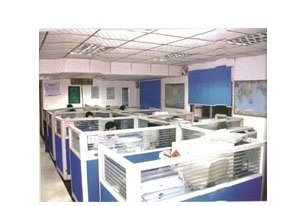
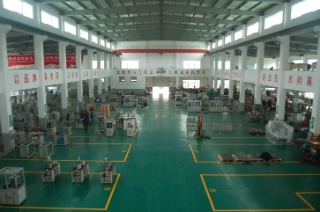
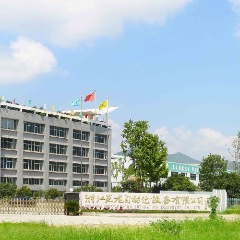
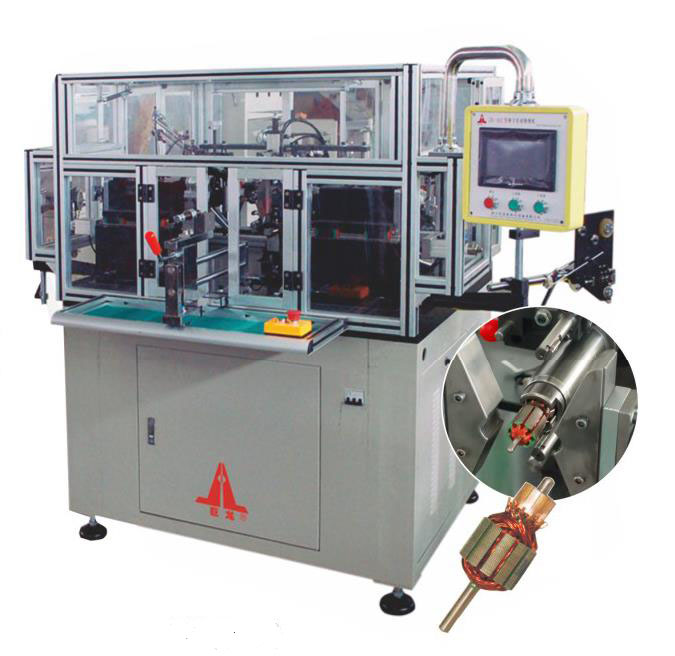
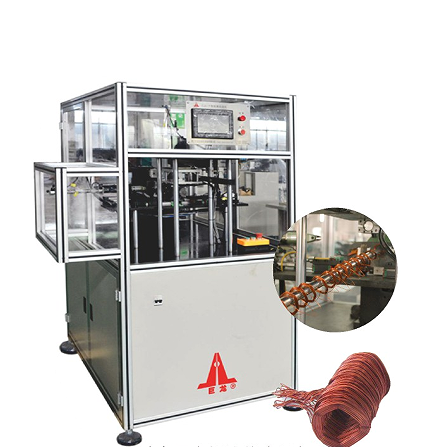
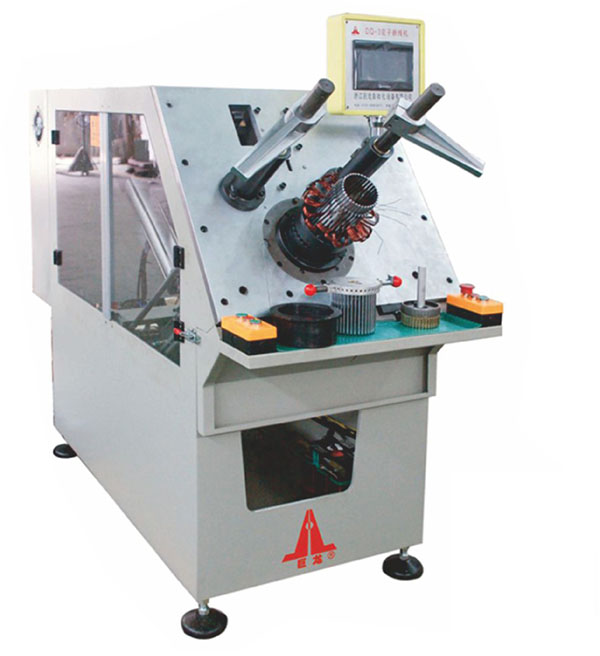
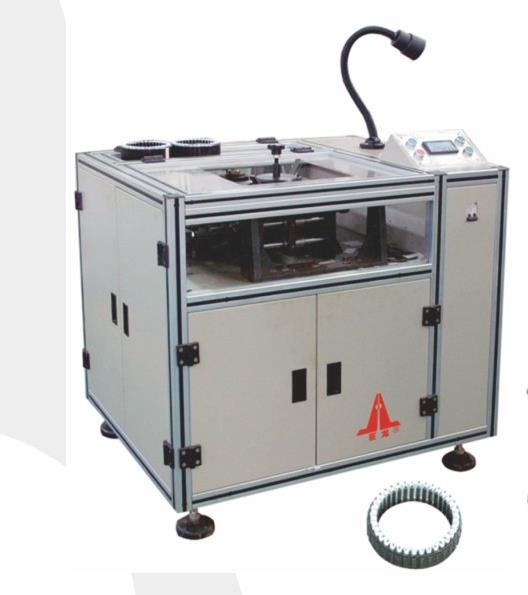
Established in 1998, Zhejiang Rilvo Automation Equipment Co., Ltd. has grown to become a benchmark manufacturer of automated micro-motor manufacturing equipment, stator and rotor winding systems, advanced welding machinery, and complete industrial electrostatic powder spraying lines.
Recognized as a High and New Technology Enterprise of Zhejiang Province, Rilvo maintains 17 national patents and operates under strict ISO9001 and China Compulsory Certification (3C) frameworks. Crucially for our German and European customers, we manufacture all structural frames, critical fixtures, and precision tooling in-house across more than 150 dedicated machine units—ensuring unmatched concentricity, metallurgical integrity, and rapid delivery cycles without third-party delay.
Submit your component drawings, surface finish requirements, coating material specifications, or line output targets. Our senior engineering department will evaluate your process requirements and supply a comprehensive layout proposal, cycle-time simulation, and detailed commercial offer.


