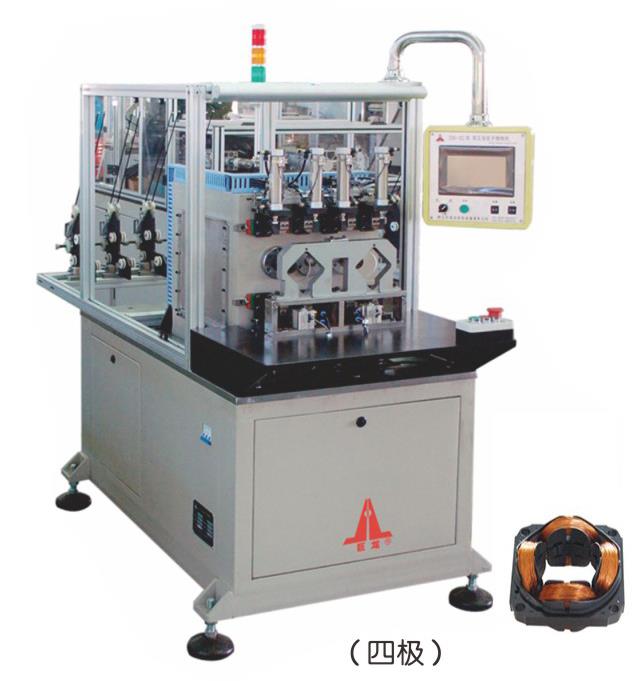
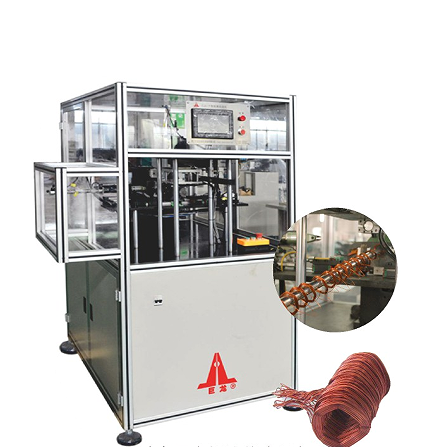
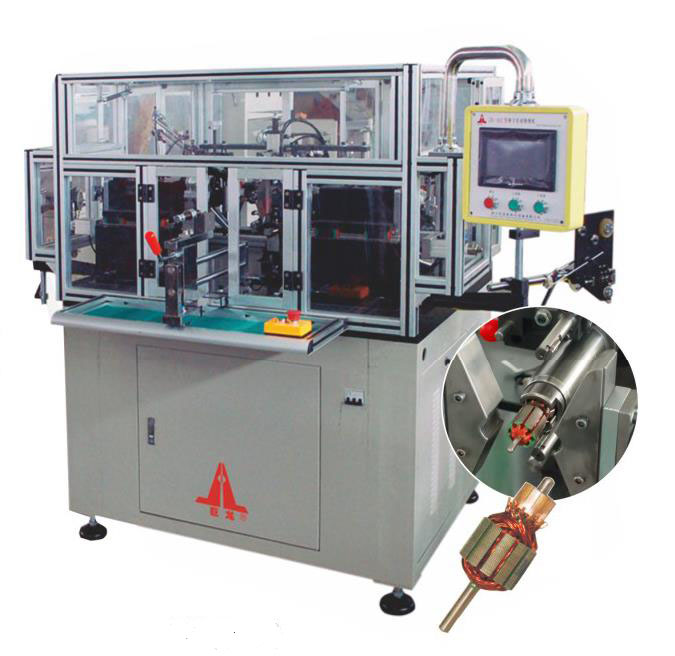
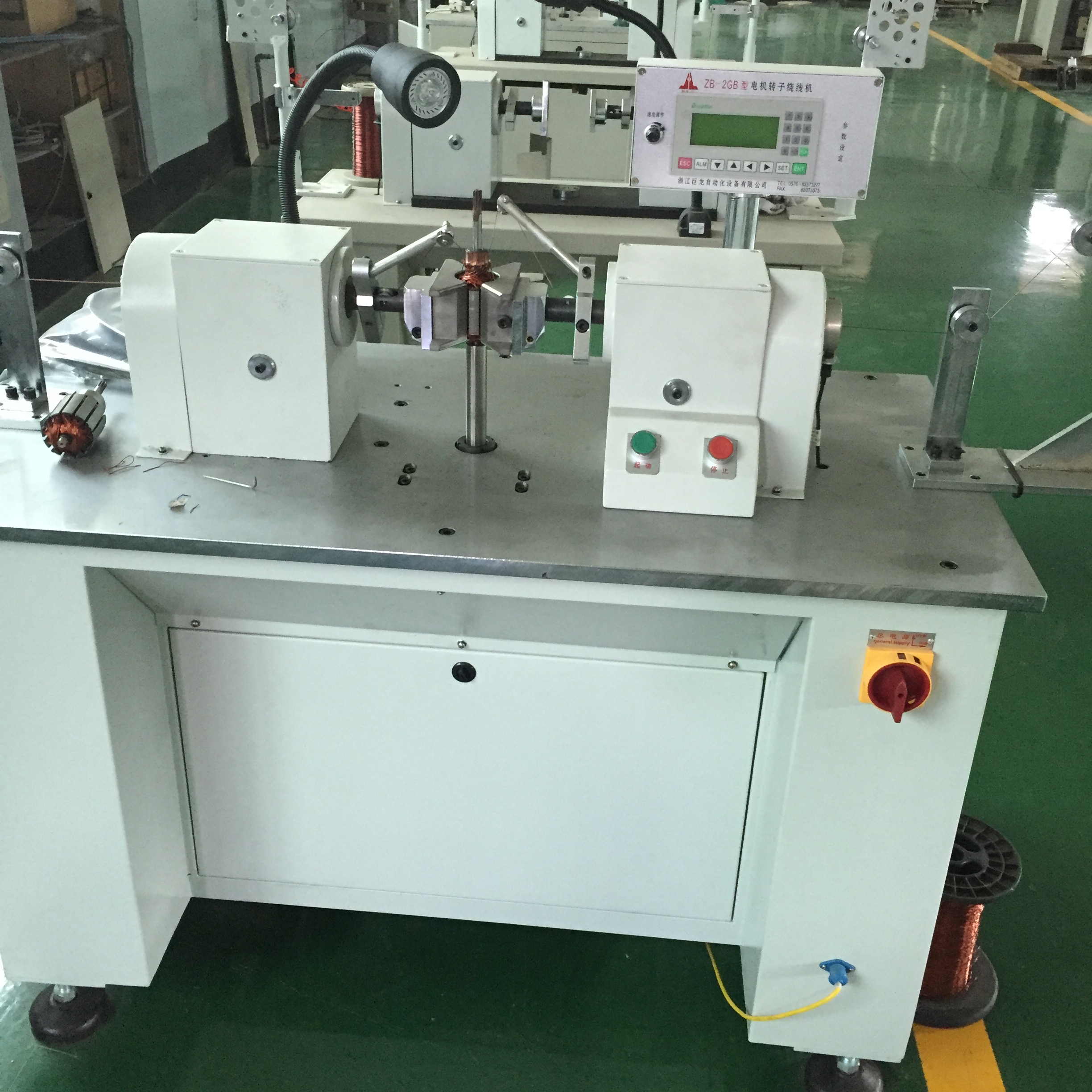
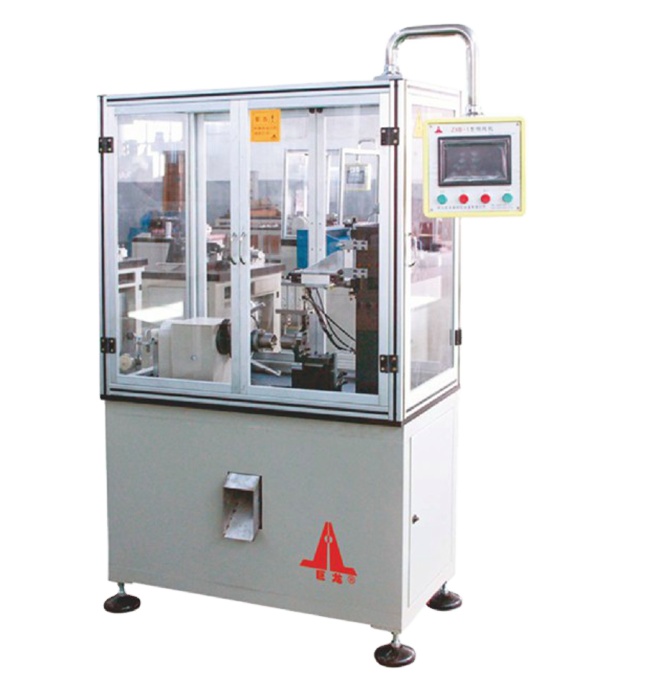
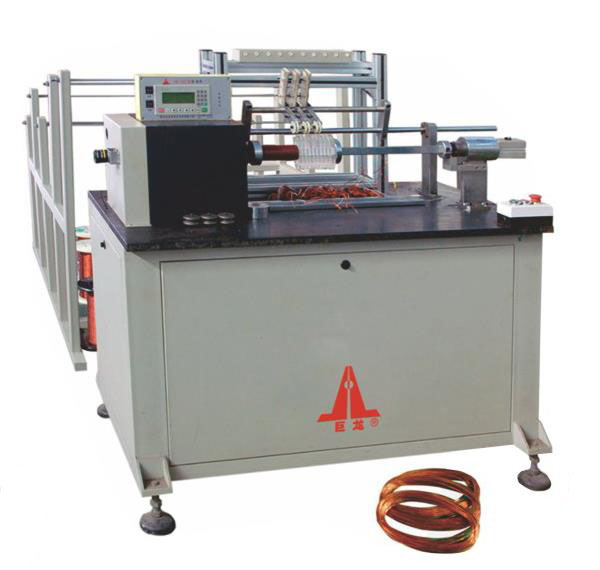
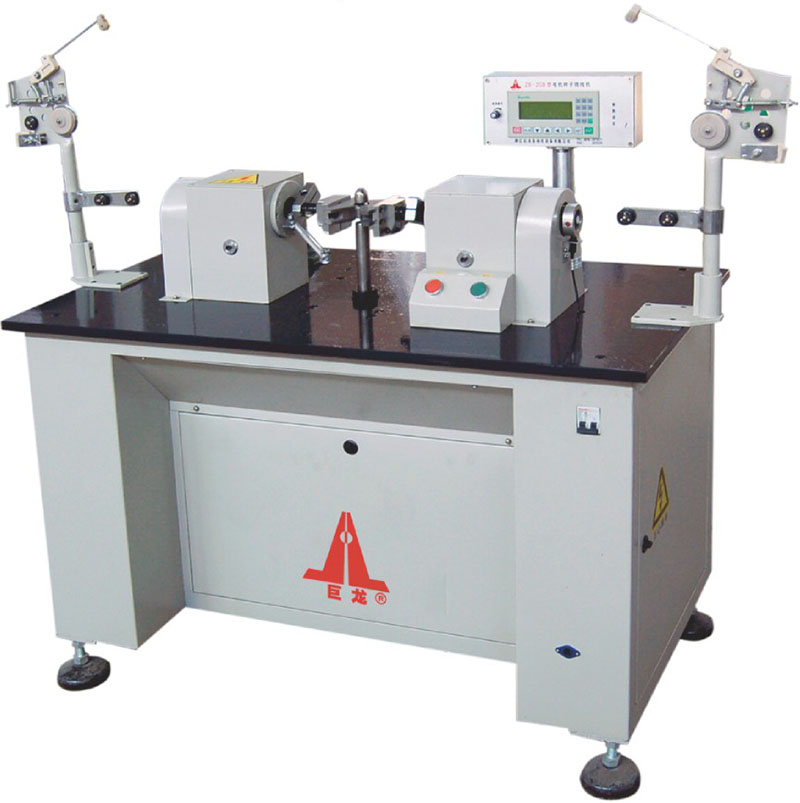
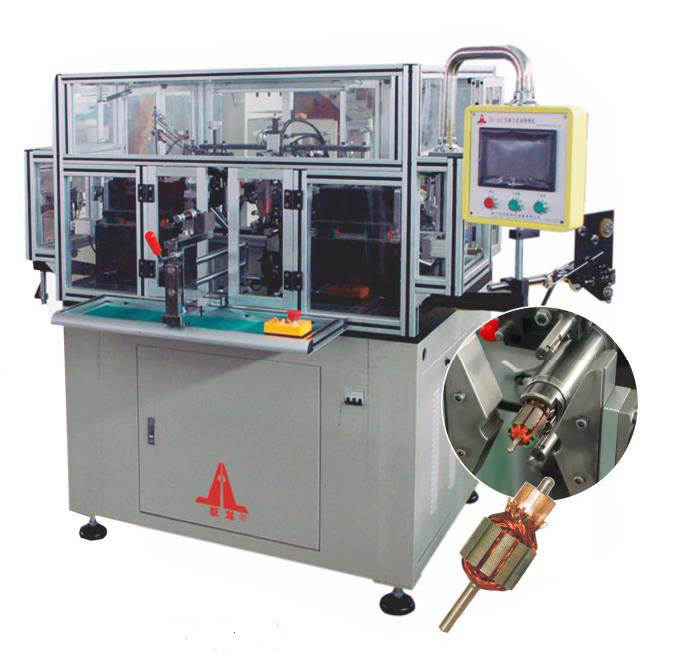
Engineered to meet rigorous European CE standards, our modular stator winding, rotor processing, and insertion systems deliver micrometric repeatability, high copper slot-fill density, and minimal cycle latency.
Antwerp serves not only as Europe’s second-largest seaport but also as a core chemical, logistics, and heavy manufacturing nucleus. As Flanders mandates aggressive industrial decarbonization under the Flemish Climate & Energy Plan 2021-2030, localized motor production demands specialized manufacturing systems designed for mission-critical reliability.
The transition of port handling equipment—such as straddle carriers, automated guided container vehicles (AGVs), terminal tractors, and mobile harbor cranes—demands high-torque Permanent Magnet Synchronous Motors (PMSM) and robust induction traction motors capable of enduring harsh marine saline environments.
Flanked by the European multimodal corridors linking Brussels, Ghent, Rotterdam, and Liège, Antwerp-based fleet integrators require rapid-changeover winding and inserting machinery for heavy e-truck retrofits, municipal electric buses, and last-mile electric delivery vans requiring compact, high-efficiency drivetrains.
Within Antwerp’s massive petrochemical integrated cluster (the largest in Europe), explosion-proof (ATEX-compliant) electric drive units are standard. Our trickle impregnation lines and rigid wedge-insertion equipment guarantee defect-free insulation, zero partial discharge, and extended operational lifespans under corrosive airborne particulates.
Procuring capital industrial automation equipment for installation in the Port of Antwerp or surrounding business parks (such as Blue Gate Antwerp, Haven 1025, or Churchill Industrial Zone) offers unparalleled logistics efficiencies. Because our factory is located within two hours of Ningbo-Zhoushan Port, complete modular containerized production cells are routed directly on direct deep-sea carrier loops directly terminating at Antwerp's MPET or Gateway terminals, reducing transshipment wear, port delays, and interior transit risk.
The transition from conventional internal combustion engine components to next-generation electromobility requires Belgian machine operators and production engineers to master high slot-fill technologies, complex thermal envelopes, and agile line reconfiguration.
Traditional round enamelled wire stators achieve between 45% and 52% copper slot-fill factor. Modern European commercial and consumer EV architectures demand 70%+ slot-fill density via rectangular flat copper conductors. Our flat-wire automatic shaping machines (such as the CJL-7 and ZXB-1 series) eliminate micro-cracking in polyimide insulation during severe 2D and 3D bends, enabling up to 800V operating thresholds.
Silicon Carbide (SiC) fast-switching inverters cause intense voltage rise rates (dV/dt), placing massive dielectric stress on stator winding insulation. Our automated wedge insertion and horizontal trickle impregnation cells ensure zero air voids, thorough resin micro-encapsulation, and uniform thermal dissipation, completely mitigating partial discharge phenomena.
Unlike massive automotive gigafactories that manufacture a single stator geometry for millions of passenger units, the Flanders industrial ecosystem thrives on flexibility—producing industrial propulsion, maritime winches, e-cargo bikes, and heavy logistics drives. Our lines feature quick-release modular fixtures that allow re-tooling in under 45 minutes.
Detailed technical, commercial, and operational answers addressing the specific procurement criteria of Belgian mechanical contractors and automation directors.
All machinery engineered for European delivery undergoes strict compliance verification against EN ISO 12100 (risk reduction), EN 60204-1 (electrical safety of machinery), and electromagnetic compatibility (EMC) regulations. Emergency stop loops, interlocking light curtains, and CE-marked components from brands like Schneider, Omron, or Siemens are standard.
Machines are packaged in vacuum-sealed, anti-corrosion moisture-barrier foil inside fumigated wooden crates (ISPM 15 compliant). Transit from our Zhejiang production plant to Ningbo Port takes less than 24 hours. Deep-sea shipping from Ningbo to Antwerp takes approximately 28 to 34 days via major container lines (CMA CGM, Maersk, MSC).
Yes. Over 80% of our production lines are built to bespoke engineering specifications. Customers supply their 2D/3D stator stack CAD files, wire enamel tolerances, slot insulation details, and target cycle times. Our in-house R&D team completes structural simulation and custom blade machining to guarantee zero wire pinching.
Before leaving our factory, your actual copper wire and lamination samples are test-run under continuous operating conditions for FAT validation, recorded in 4K resolution and validated via coordinate measuring machines (CMM). For SAT, our field engineers travel to your facility in Flanders to execute final commissioning, alignment, and staff operator training.
Every automated machine is outfitted with secure industrial IoT remote gateway access (VPN encrypted). In the event of software troubleshooting, cycle tuning, or sensor parameter calibration, our software engineers provide real-time diagnostic interventions. Critical wear parts (winding needles, insertion blades) are supplied in advance kits.
We routinely execute commercial contracts under FOB Ningbo, CIF Antwerp, CFR, or DAP/DDP factory door terms. Payments can be settled cleanly in Euro (EUR) or US Dollars (USD) via standard documentary Letters of Credit (L/C) or telegraphic transfer (T/T), offering full financial predictability and security.
Founded in 1998, Zhejiang Rilvo Automation Equipment Co., Ltd. has grown from a specialized precision toolmaker into a recognized National High-Tech Enterprise spanning nearly 60,000 square meters of advanced manufacturing facilities.
Unlike trading assemblers that outsource machining, our manufacturing base in Sanmen features over 150 precision CNC units, surface grinders, and wire EDM stations. Our engineering team holds 17 national invention and utility patents, directly controlling geometric tolerances down to ±0.005 mm.
We do not merely sell single machines. Our scope spans entire turnkey e-motor manufacturing ecosystems: from paper insulation insertion, multi-axis flyer/needle winding, flat-wire bend forming, and intermediate coil forming, to automated hot-staking commutator welding and automated vacuum trickle varnish impregnation.
Every manufacturing step is monitored by rigorous Quality Management Protocols verified by ISO9001 and China Compulsory (3C) standards. Incoming electrical components, pneumatic valves, and cast machine beds are inspected systematically, eliminating downtime risks for continuous European high-volume shifts.
Submit your stator/rotor lamination prints, copper wire cross-section profiles, and target daily output. Our technical sales engineering department will produce a full line layout proposal, complete cycle-time simulation, and detailed commercial investment estimate within 24 business hours.


