Direct-from-factory multi-axis CNC turners, precision armature coil winders, robotic wire embedders, and ultrasonic commutator fusing welders tailored to modern automotive and e-mobility standards.
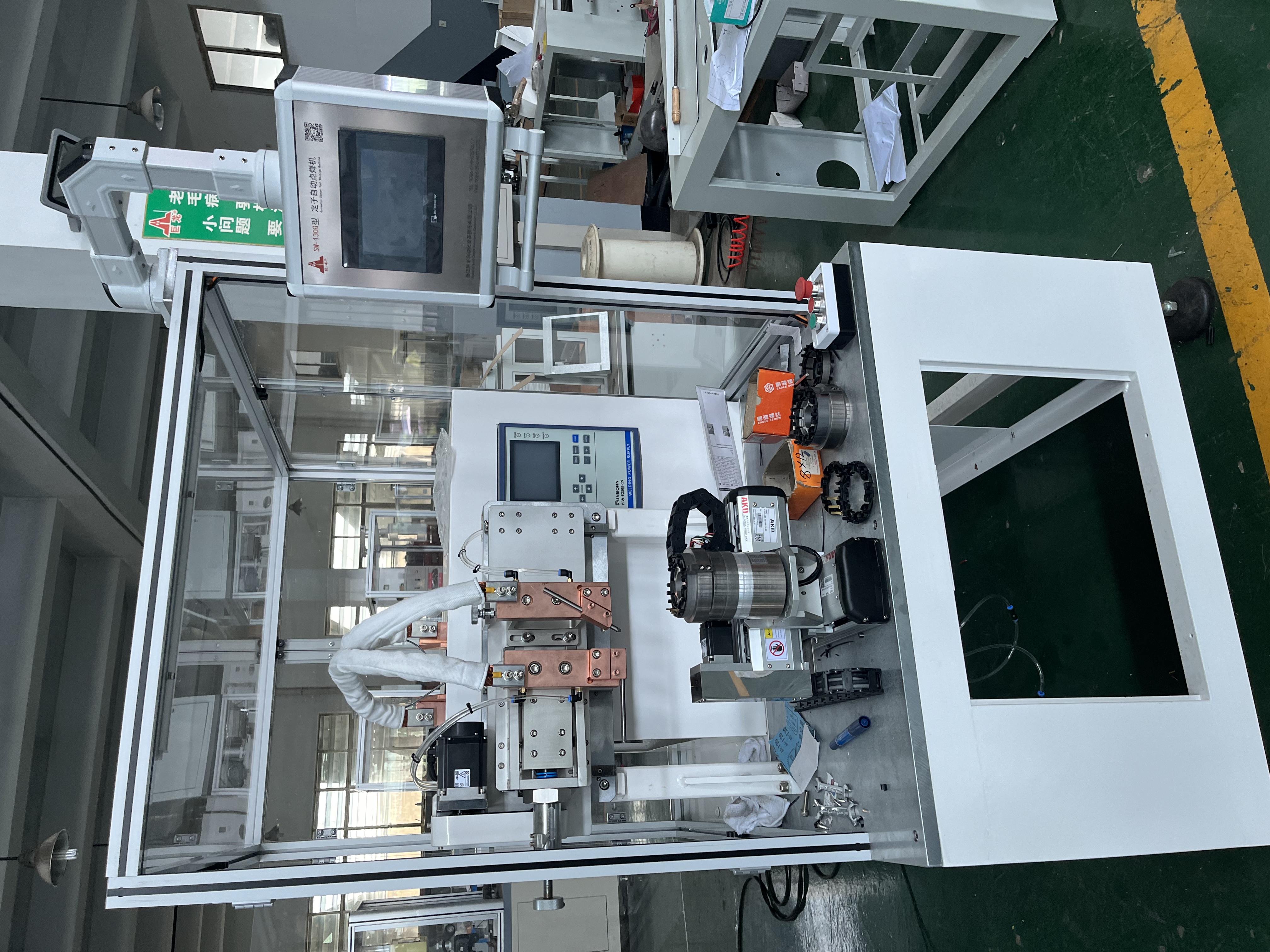
High-precision micro-gap inverter resistance welder engineered for brushless traction stator and terminal terminations.
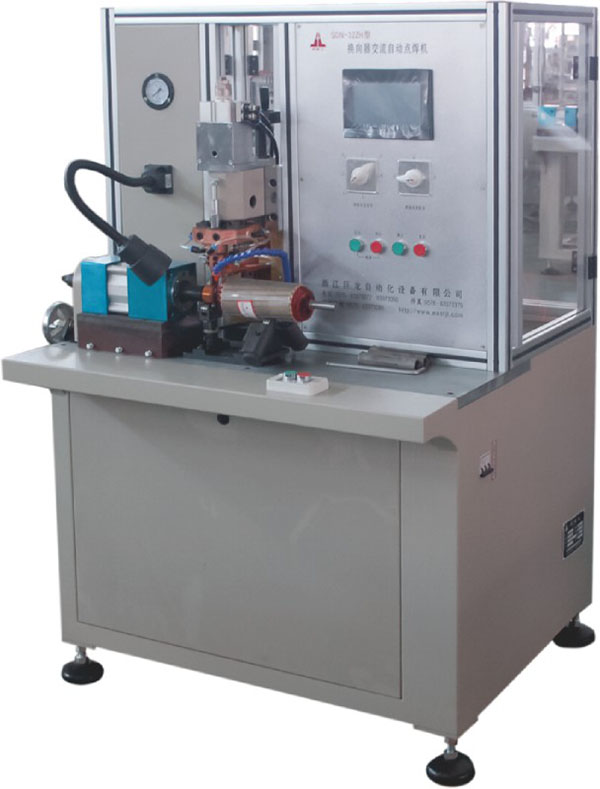
Automated hot-stake fusing unit delivering real-time displacement monitoring and zero-defect thermal compression bonding.
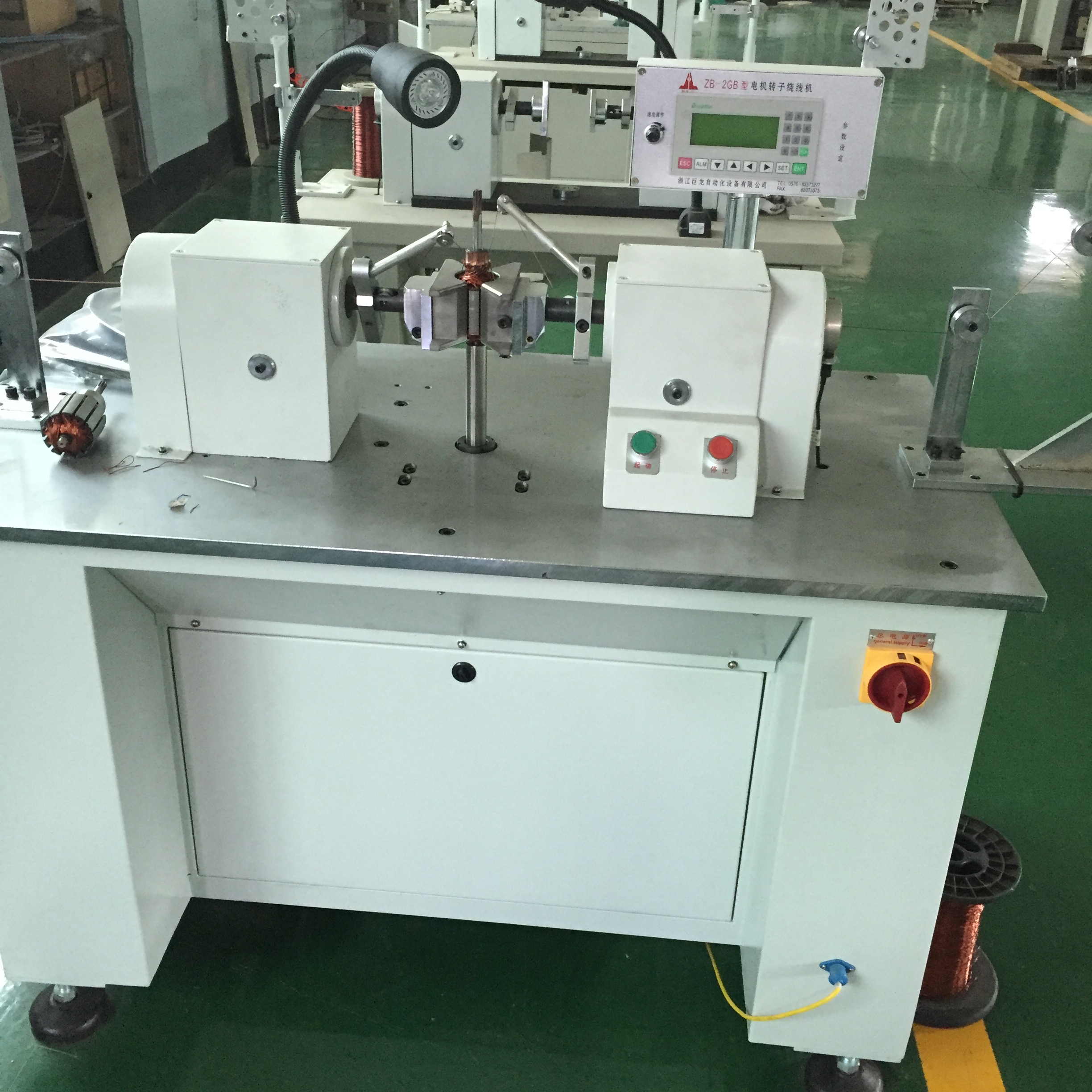
Dual-flyer programmable armature winding machine featuring variable tensioners to eliminate copper wire scratching.
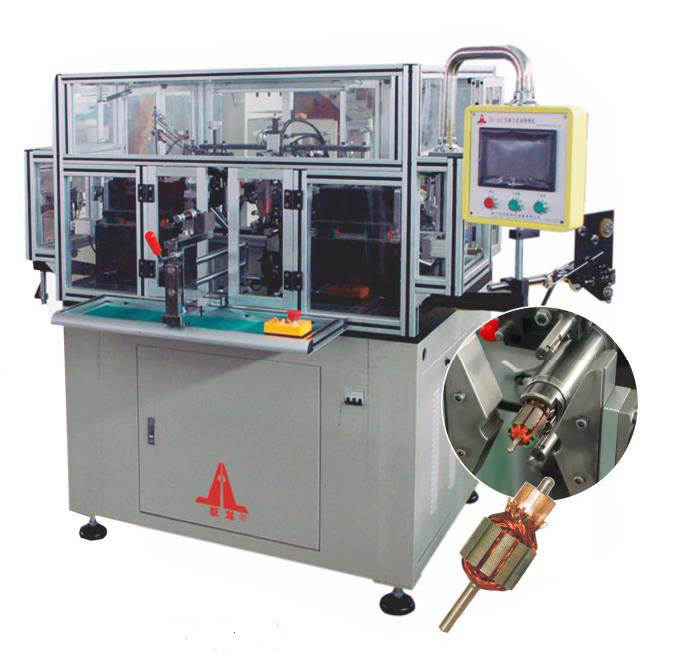
Heavy-duty universal coil winding workstation for medium-to-large multi-turn electric drive rotors and field assemblies.
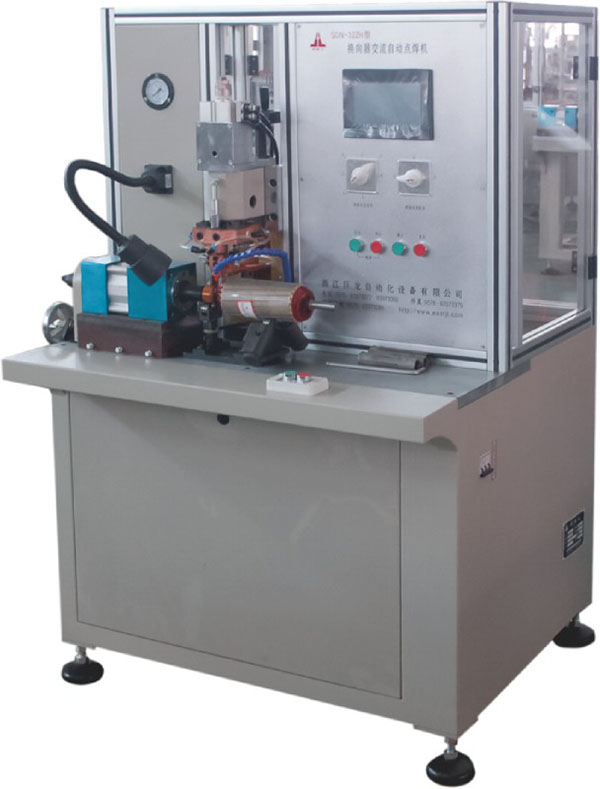
High-current closed-loop resistance welding station for armature segment attachments and wire jumper joints.
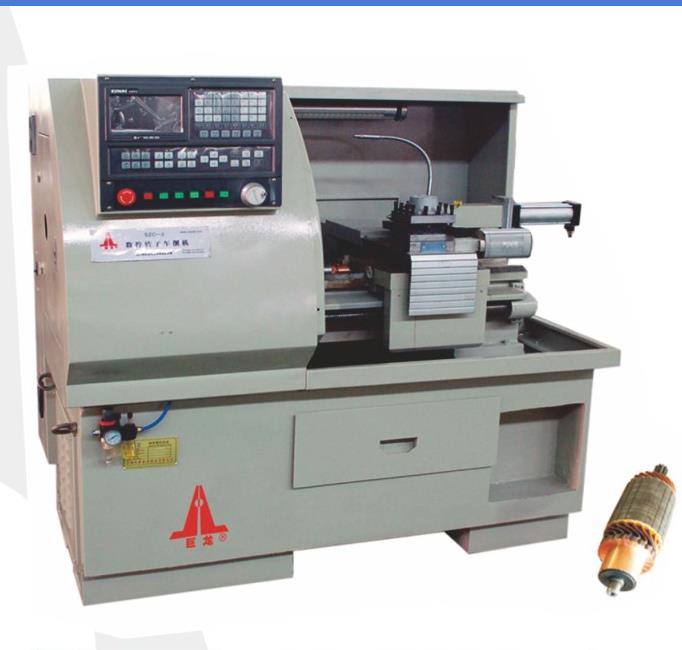
Diamond-tool micro-finishing lathe delivering concentric outer-diameter turning and minimal runout for high-RPM electric rotors.
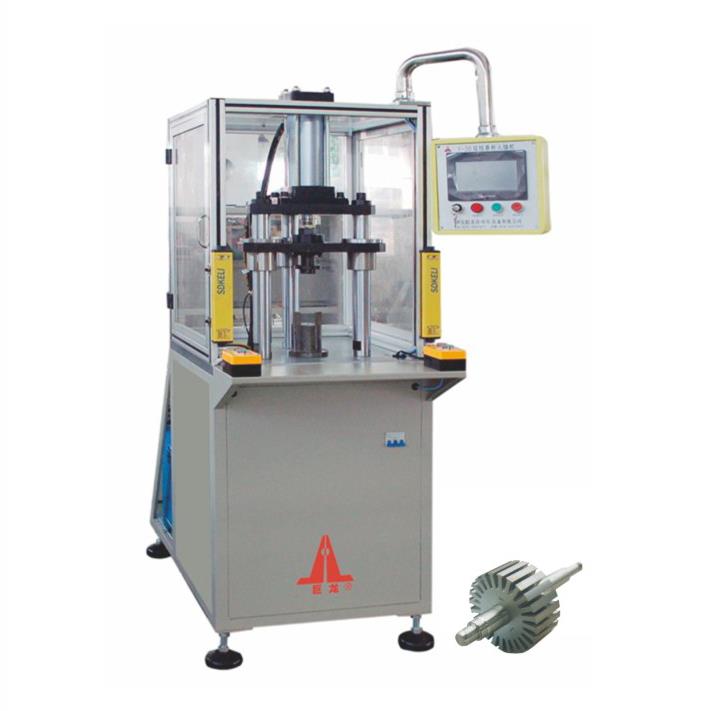
Hydraulic-servo integrated shaft-lamination press with micro-depth control, preventing stack deformation and shaft skew.
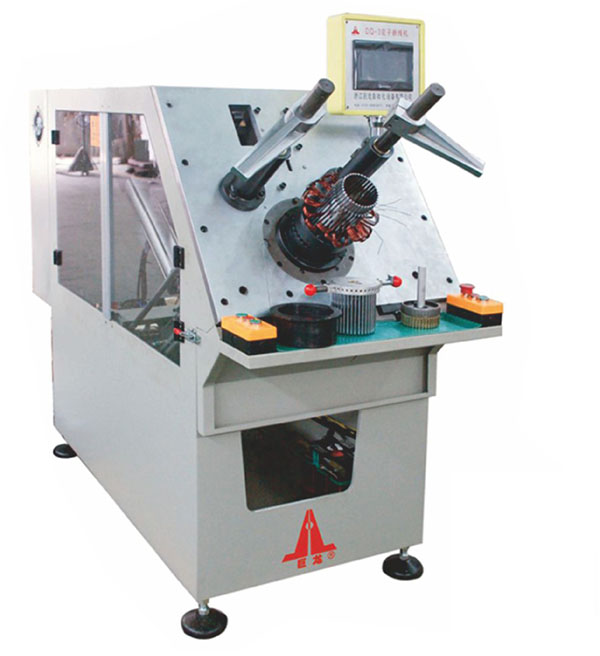
Continuous coil inserting and slot wedge feeding automation capable of handling high slot-fill ratios for heavy electric drive cycles.
Assessing market dynamics, logistical viability, thermal mitigation, and assembly line deployment in the primary commercial maritime gateway of Ecuador.
As Ecuador accelerates its transition toward modern sustainable transport, the city of Guayaquil and its surrounding Guayas metropolitan area (including the industrial nodes along the Vía a Daule and Durán) occupy a decisive geographic position. Handling over 85% of the nation's containerized maritime commerce through the Puerto Marítimo de Guayaquil (Contecon) and DP World Posorja, local assembly plants, remanufacturing consortiums, and fleet operators have direct import access to automated capital equipment, raw electrical silicon laminations, insulated electrolytic magnet wire, and neodymium-iron-boron (NdFeB) permanent magnets.
Deploying a dedicated EV motor rotor line directly within the Guayaquil logistics corridor enables industrial manufacturers to cut lead times drastically compared to importing fully built motor modules. Furthermore, national clean mobility incentives—aligned with Ecuador's Ley Orgánica de Eficiencia Energética and zero-tariff regimes on capital machinery for renewable technology—offer a strategic regulatory environment for Tier-2 automotive suppliers and electric utility vehicle assemblers entering the Andean Community market.
Guayaquil operates under a tropical wet-and-dry climate characterized by ambient relative humidity regularly exceeding 80% and elevated temperatures. In high-performance electric vehicles (from urban delivery vans to electric intra-city buses navigating coastal altitudes), motor rotors endure extreme moisture-laden air alongside elevated electromagnetic heat cycles.
Our automated rotor assembly cells address this via closed-loop automated epoxy trickle impregnation (ZB-302 series), moisture-impermeable slot insulation, and precision copper bar induction fusing. This stops slot lamination oxidation, prevents partial discharge breakdowns, and maintains Class-H insulation integrity across intense tropical driving cycles.
EV traction drivetrains utilize synchronous permanent magnet (PMSM) or induction rotors operating at speeds from 10,000 to 18,000 RPM. Mechanical imbalances of mere fractions of a gram can create high-frequency noise, vibration, and harshness (NVH), degrading bearing lifetime and lowering drivetrain efficiency.
With the integration of our SZC-3 CNC Numerical Control Rotor Lathe, the rotor outer diameter and commutator riser surfaces undergo micron-level mirror trimming. Paired with automated two-plane dynamic balancing correction, every rotor leaving the line conforms to ISO 1940-1 Grade G1.0/G2.5 tolerances, directly reducing acoustic emissions and bearing wear under stop-and-go coastal traffic.
Tailored production tooling matched precisely to the actual operational requirements of Ecuador's transportation and municipal infrastructure.
The rapid expansion of last-mile express couriers across Guayaquil, Samborondón, and Daule has fueled local demand for low-maintenance brushless DC (BLDC) wheel-hub and mid-drive motors (1.5 kW to 5 kW). Our rotor line integrates SW-130G automated welding and Y-30 hydraulic shaft-pressing modules, allowing local manufacturers to turn out thousands of resilient micro-rotor units monthly with minimal operator overhead.
Fleet electrification programs along the MetroVía urban corridor and inter-cantonal transport routes have established a viable market for heavy commercial vehicle repowering. Re-winding and manufacturing heavy-gauge copper rotor assemblies (40 kW to 150 kW) requires rigorous multi-strand wire tension control and high-pressure hairpin forming. The combination of our 5 DQ-1 wire embedding systems and heavy-wire winding machinery reliably yields dense, compact slot layouts.
The Guayas River basin and maritime operations at the Port of Guayaquil increasingly emphasize electric tow tractors, automated guided vehicles (AGVs), and battery-electric workboats. These machines demand heavy duty cycles and thermal resilience against marine air. Utilizing our SDN-32ZH commutator fusing machines and Automatic Spot Welders ensures that thermal joints remain stable under intense inductive load spikes.
From raw silicon steel laminations to finished, dynamically balanced, and electrically validated rotor modules.
Automated progressive stamping stacking, core lamination skewing, and precision interference shaft fitting using the Y-30 Pressing Machine to prevent core walk.
High-speed multi-axis servo winding via ZB-2GB or wire insertion through the 5 DQ-1 cell with active tension feedback.
Controlled-atmosphere micro-welding via SW-130G and commutator thermal fusing using SDN-32ZH with continuous resistance verification.
Sub-micron precision OD finishing using the diamond-tooled SZC-3 CNC Turning Machine, finished with multi-plane balance trimming.
Providing global clients with proven manufacturing excellence, ISO9001 certified production control, and robust post-commissioning service.
Based in the Shatianyang Development Zone of Sanmen, Taizhou, Zhejiang, Zhejiang Rilvo Automation Equipment Co., Ltd. spans over 60,000 m² of modern industrial facilities. As a recognized High and New Technology Enterprise, we maintain full internal control over structural machining, electrical cabinet assembly, and PLC development. Unlike basic machine traders, our 36 dedicated engineers handle 100% of the mechanical, tooling, and firmware designs in-house.
Under the leadership of our president and chief engineer—recipient of the national knowledge-worker model award from the All-China Federation of Trade Unions—our factory has secured 17 national patents and achieved full ISO9001 and China Compulsory Certification (3C) compliance.
Shipping directly from Ningbo Port (located within 2 hours of our factory floor), we manage FOB, CFR, and CIF consignments directly to the Port of Guayaquil. Our dedicated multilingual technical export department prepares bilingual Spanish/English HMI control interfaces, standardized industrial schematics, spare-part bundles, and comprehensive video FAT (Factory Acceptance Testing) runoffs with clients' actual parts.
We provide remote digital commissioning assistance, PLC patch updates via secure Ethernet, and on-site engineering teams for full-line automotive integration, ensuring smooth factory installation in your Guayas facilities.
Practical guidance covering power requirements, port clearance, custom tooling, and operational logistics for importing machinery to Guayaquil.
While standard industrial electrical equipment in Mainland China operates at 380V/50Hz, Ecuadorian industrial operations (such as those along Vía a Daule or Durán) primarily utilize 220V, 440V, or 480V 3-phase power at 60Hz. Rilvo designs and manufactures each export control cabinet with primary transformers, servo drives, and air compressors tuned precisely to 60Hz input, preventing motor overheating and avoiding the need for external third-party conversion gear.
Yes. With over 27 years of OEM/ODM motor automation engineering, our team develops custom winding flyers, wire embedding fingers, shaft-pressing dies, and commutator fusing electrodes matched directly to your technical CAD/CAM part drawings. Before shipment, we require sample stacks and wire spools to run a complete physical trial, providing video validation and micro-measurement reports.
Shipments originate at Ningbo Port and are routed directly via trans-Pacific container vessels to the Port of Guayaquil (Contecon) or DP World Posorja, typically requiring 28 to 35 days ocean transit. All machinery is treated with industrial vapor corrosion inhibitor (VCI) anti-rust film, sealed with internal desiccants inside heat-sealed foil barriers, and secured in fumigated solid wooden crates compliant with international ISPM-15 export regulations to withstand the equatorial marine passage.
We provide complete import documentation tailored to Ecuadorian Customs (SENAE) requirements, including Commercial Invoices indicating explicit HS Tariff codes, Certificates of Origin, detailed Packing Lists with component gross weights, and CE/ISO9001 compliance certifications. This simplifies clearance under capital goods exemptions or clean transportation investment programs.
Our machines are engineered around globally available Tier-1 automation hardware (including Omron, Schneider, and Airtac components). Furthermore, each machine is shipped with a dedicated two-year consumable wear-and-tear kit (such as welding electrodes, winding needles, and cut-off blades). In addition to remote high-definition video commissioning and live PLC diagnostics, experienced Rilvo field engineers are available for direct travel to customer facilities in Ecuador to supervise line installation, line integration, and operator training.
Whether you require a single high-precision CNC commutator lathe or a turnkey automated EV rotor winding and balancing cell for your assembly facility in Guayaquil, our senior engineering staff is ready to evaluate your part prints and production volume goals.


