High-precision forming, winding, inserting, and turning equipment manufactured strictly to ISO9001 and 3C standards, ready for immediate deployment in Midwest manufacturing cells.
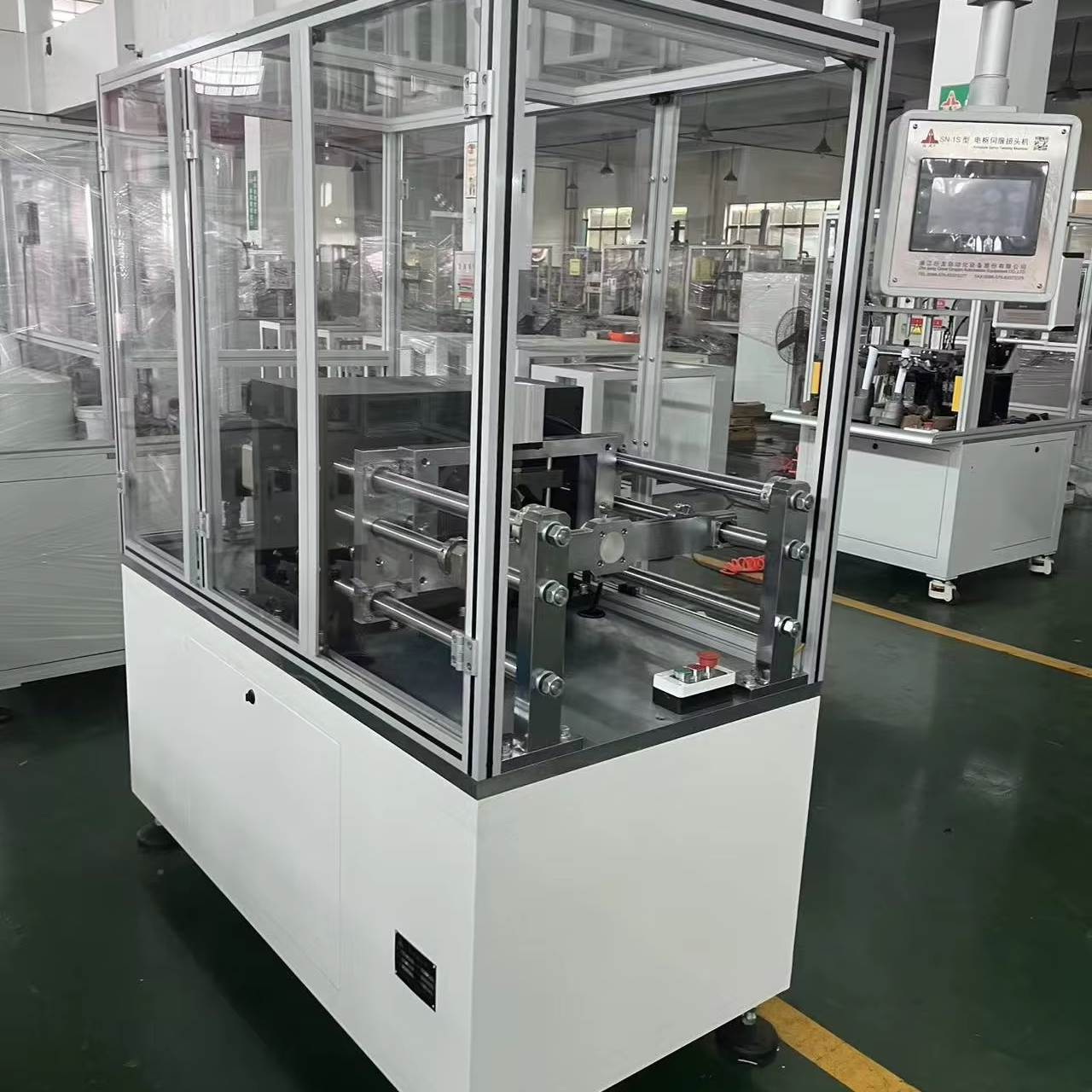
Programmable multi-axis servo twisting system ensuring zero enamel loss and balanced rotational characteristics for starter armatures.
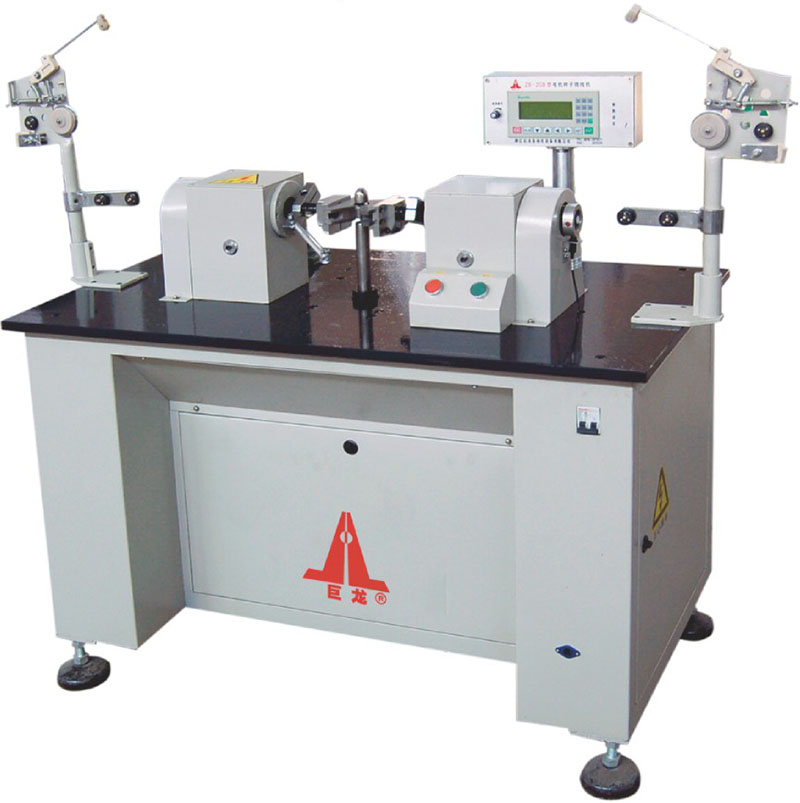
Heavy-duty semi-automated wire winding platform configured for industrial tool armatures, universal series motors, and fast cycle times.
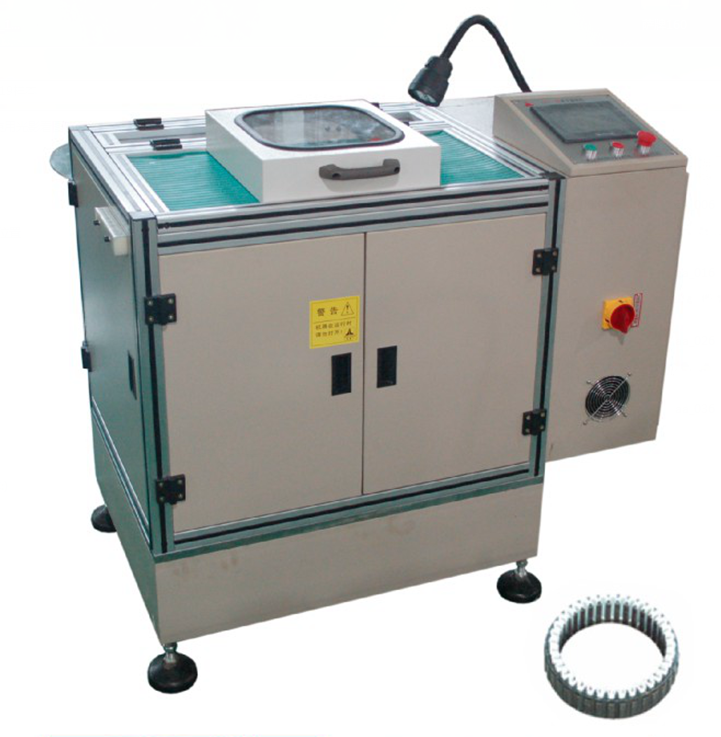
High-speed slot liner and wedge insulation paper inserting system tailored for automotive alternators and compact stators.
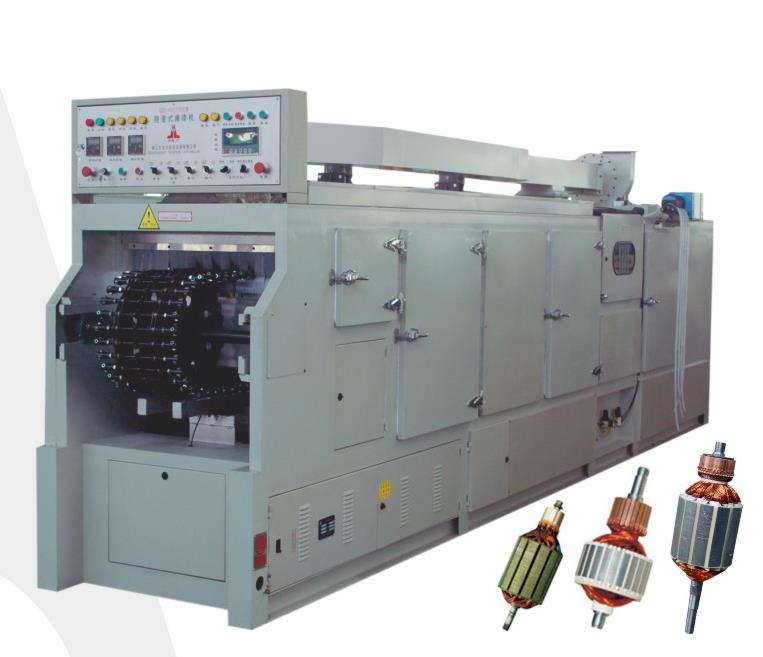
Precision resistance trickle resin and varnish application delivering void-free thermal dissipation for mission-critical motors.
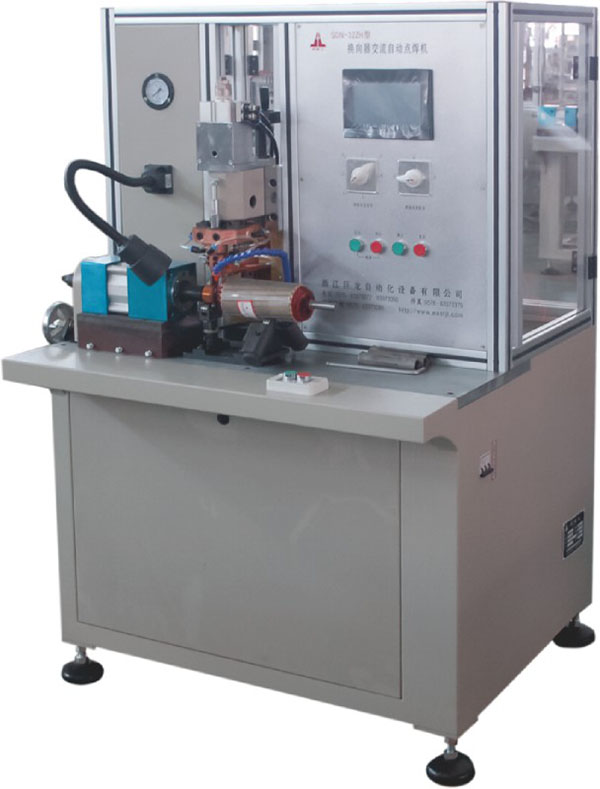
Hot-stake resistance fusing station delivering repeatable joint conductivity and high mechanical pull-out strength across all slots.
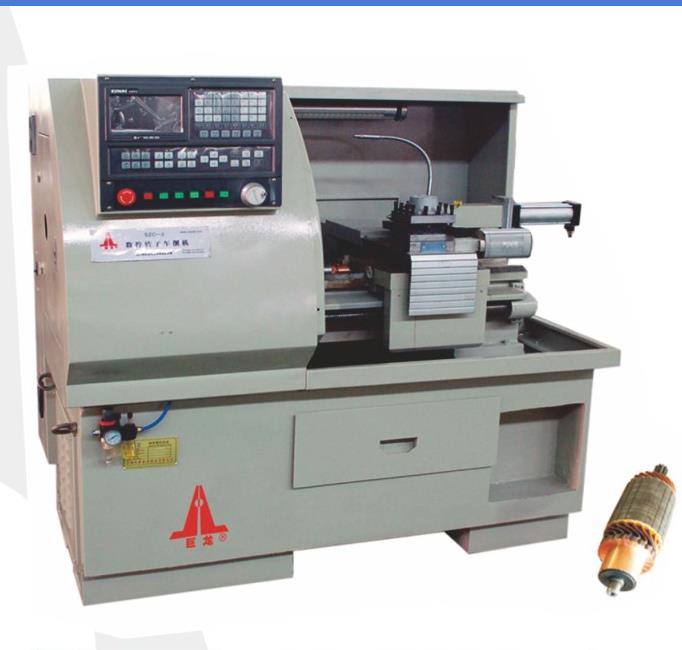
Dual-diamond tool turning for commutator OD and stack concentricity, guaranteeing minimal total indicated runout (TIR).
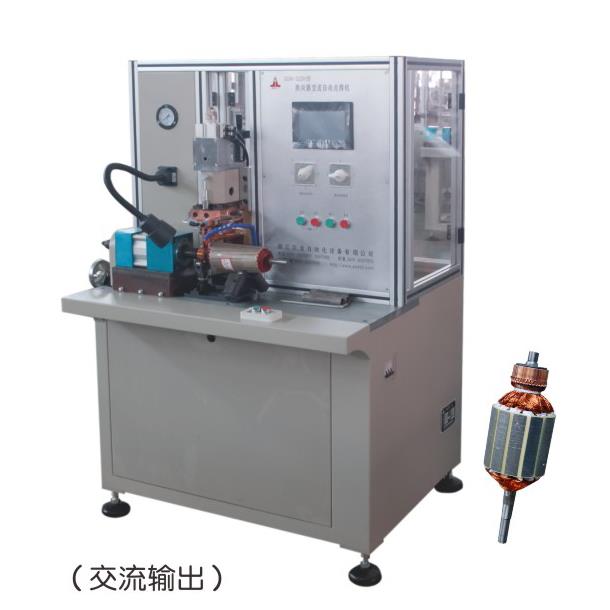
Engineered specifically for hook-type commutators, optimizing constant current feedback and pneumatic electrode clamping dynamics.
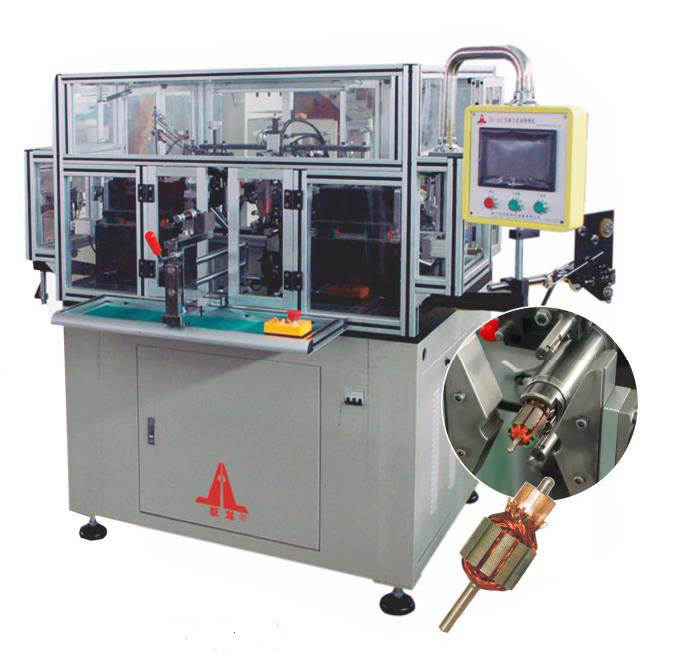
Rugged, production-proven automated flyer winding solution configured for Tier-1 supply chains requiring rapid product changeovers.
From Rockford and Schaumburg down to the I-80 automotive supply belt, Midwest motor manufacturing demands flexible, micro-gap-capable flat wire forming machines.
Electric vehicles and hybrid powertrains rely on rectangular copper wire to achieve copper slot fill rates exceeding 73% (compared to 45% with round wire). Our automated hairpin shapers perform 2D/3D bending, head chamfering, and stripping without fracturing the dielectric polyamide-imide insulation enamel.
The Illinois corridor remains a powerhouse for agricultural machinery, mining equipment, and heavy-duty commercial truck starters. Our flat wire automatic shaping and wave winding units bend heavy-gauge rectangular copper bars that traditional winders buckle, reducing manual operator fatigue while securing reliable high-amperage cranking capability.
Midwest manufacturers are transitioning commercial blowers, compressors, and hydraulic pump motor assemblies toward NEMA Super Premium (IE4/IE5) standards. Flat wire coils reduce end-turn overhang height by up to 30%, delivering substantial raw material savings and lowering operating thermal rise under continuous cycles.
Unlike standard magnet wire with circular cross-sections, forming rectangular flat wire presents two non-negotiable physical constraints: radial strain deformation and variable material elasticity (springback). When rectangular copper is bent across its edge (edgewise bending), excessive tensile stress can cause micro-fissures in high-temperature polyimide/PEEK insulation coatings, leading to phase-to-phase partial discharge and premature dielectric breakdown.
Our flat wire automatic shaping units integrate continuous closed-loop CNC torque sensors coupled with servo-driven micro-forming mandrels. By staging the bending sequence across multi-step progressive dies, bending strain is distributed uniformly along neutral bending planes, ensuring zero corner thinning and maintaining insulation dielectric resistance in excess of 5,000V DC.
For Chicago and Midwest OEMs operating fast-paced lean manufacturing cells, cycle repeatability and changeover agility are essential. Our machines incorporate 3D laser visual alignment systems that measure each pre-formed hairpin pin profile in real time. If copper spool hardness varies between batches, our proprietary algorithmic controller adapts stroke depth automatically, ensuring crown height tolerances within ±0.03mm.
Furthermore, each machine architecture is built with an open communication standard (EtherCAT / Modbus TCP) to connect smoothly with Plant MES software, SCADA systems, and automated robotic transfer cells common in modern American automotive assembly plants.
Market shifts transforming the Great Lakes manufacturing ecosystem from legacy mass production to flexible, automated flat-wire cells.
Midwest procurement executives are actively de-risking tier-one supply networks by investing in direct, in-house motor production equipment. Having agile flat wire shaping machines on factory floors in Illinois, Indiana, and Wisconsin allows producers to adapt quickly to rapid design iterations without relying on lengthy trans-oceanic sub-assembly logistics.
Industrial drives and mobile machinery require reduced motor weights alongside heightened kilowatt output. Flat wire technology allows direct, planar contact between conductor faces and stator slot walls, significantly improving conductive thermal dissipation. This reduces cooling pump sizes and extends motor duty-cycle lifespans in tough operating conditions.
Chicago industrial operators demand continuous, data-driven traceability across every stage. Modern flat wire shaping setups are expected to log conductor wire feed speed, continuous pneumatic pressure, tool wear metrics, and pin-forming deviation per shift, transmitting critical OEE telemetry to engineering stations via industrial Ethernet.
Operating since 1998 from the Shatianyang Development Zone in Sanmen, Zhejiang, Rilvo Automation stands as a high-tech enterprise dedicated to automated motor manufacturing lines, specialized commutator welding equipment, electric bicycle drive testing systems, and electrostatic powder spraying lines.
Our expansive production campus covers nearly 60,000 m² of specialized industrial land, with 20,000 m² of dedicated high-precision workshops and an additional 30,000 m² under progressive expansion. We maintain over 150 internal CNC precision machining centers to build critical machine components in-house.
Certified under the ISO9001 Quality Management System and China Compulsory Certification (3C). Supported by 17 national invention and utility patents, our 36-member dedicated R&D engineering team customizes tooling packages around your specific stator slot drawings and cycle-time requirements.
We provide full export-ready electrical compatibility (208V/240V/480V 60Hz 3-phase UL-compliant cabinet integration). With complete pre-shipment FAT sample testing, detailed video commissioning, precision spare parts support, and ocean freight logistics to the Port of Chicago / inland rail ramps via Ningbo Port.
Clear answers on tooling customization, power standards, delivery milestones, and technical support for US machinery sourcing teams.
Yes. While domestic factory standards run on 380V/50Hz, our export equipment for the North American market is built with genuine dual-voltage or dedicated 480V/240V/208V 60Hz power transformers and UL-compliant circuit protection, PLC hardware, and emergency stop systems.
We require your 2D/3D component drawings (laminations, wire profiles, or commutator specs) during the quoting phase. Before dispatch, we run pilot production runs using your specified magnet wire, providing video proof, cycle-time verification, and CMM dimensional inspection reports.
We work under flexible incoterms including FOB Ningbo/Shanghai, CIF Chicago inland port terminal, or DDP directly to your facility receiving dock. Equipment is securely packed in vacuum-sealed moisture barrier foil and heavy-gauge export wooden crates to prevent maritime corrosion.
All machines include an initial spare tooling package (bending mandrels, shear blades, wire guides, and fusing electrodes). For operational troubleshooting, we provide remote video diagnostics, step-by-step schematics, and expedited DHL/FedEx air courier dispatch for replacement tooling.
Yes. Our multi-axis servo feed units allow adjustable acceleration and clamping pressure profiles, ensuring soft annealed aluminum conductors are shaped without surface scoring, while providing the rigid torque required for stiff, cold-worked heavy copper bars.
Standard catalog machines (such as semi-automatic winders) typically ship in 30 to 45 days. Fully customized automatic flat wire shaping machines with specialized progressive tooling modules generally require 60 to 75 days, including testing and sample sign-off.
Send your stator drawings, copper wire dimensions, and target hourly output. Our engineering team will review your specifications and provide a tailored equipment proposal with cycle-time estimates and tooling layouts.


