Turnkey solutions engineered for stator wire winding, armature insertion, ultrasonic spot welding, and shaft assembly. Designed to meet global ISO9001 and CE performance baselines for electric motor manufacturers and rewind facilities.
Years In Motor Automation
Modern Manufacturing Base
Specialized Machine Models
National Registered Patents
Factory Trial Tested
In modern electrical drive manufacturing, induction motors (asynchronous squirrel-cage and slip-ring architectures) represent over 75% of mechanical motive power globally. For industrial purchasers, engineers, and plant operators serving the capital region of Port-au-Prince, Haiti, developing autonomous electric motor repair, assembly, and full manufacturing capability is a matter of critical supply chain resilience. Historically dependent on finished motor imports from North America, Europe, and neighboring Caribbean nations, facilities in the West Department of Haiti encounter high shipping premiums, prolonged demurrage at maritime checkpoints, and costly downtime when industrial pumps, compressors, and agro-processing motors fail.
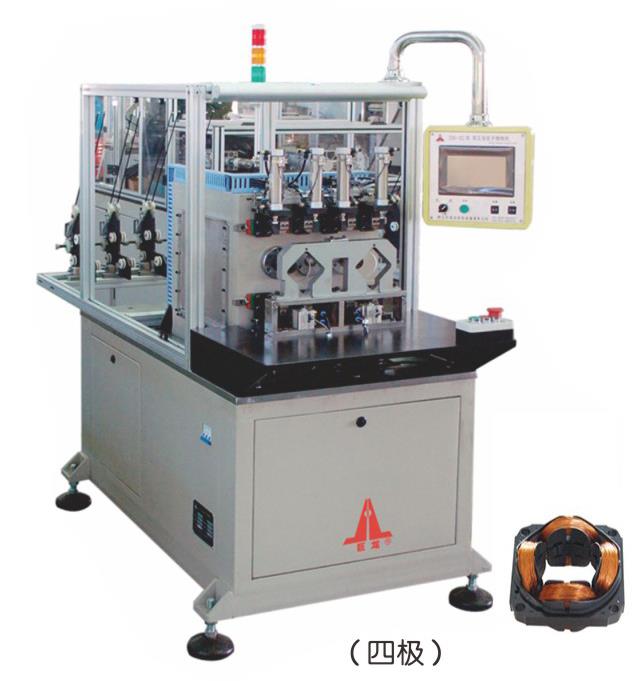
Zhejiang Rilvo Automation Equipment Co., Ltd. supplies high-precision, heavy-duty induction motor manufacturing machinery tailored directly to the demanding environmental and electrical constraints found across Port-au-Prince. By introducing computerized multi-axis servo coil winders (such as our XB-1GZ series), automatic stator slot wedge inserting stations, and pneumatic rotor shaft presses, we empower domestic industrial groups, municipal water boards, and specialized rewinding enterprises to achieve OEM-grade quality with rapid return on capital investment.
Industrial Engineering Insight for Caribbean Deployments: Because Port-au-Prince and broader Caribbean utility networks frequently exhibit electrical grid instability, severe voltage sags, and frequent transitions between commercial line power and on-site diesel/solar generation, induction motors wound on Rilvo machines benefit from programmable tension control. This ensures zero enamel stretching, eliminates inter-turn micro-fissures, and guarantees high dielectric endurance under tropical thermal cycling.
Building high-efficiency three-phase and single-phase induction motors (conforming to IEC 60034-30-1 IE2/IE3 or NEMA Premium standards) requires four distinct automated workstations. Standardizing this architecture allows factories in Port-au-Prince to maximize copper slot-fill factors while eliminating the dimensional irregularities common in manual rewinding workshops:
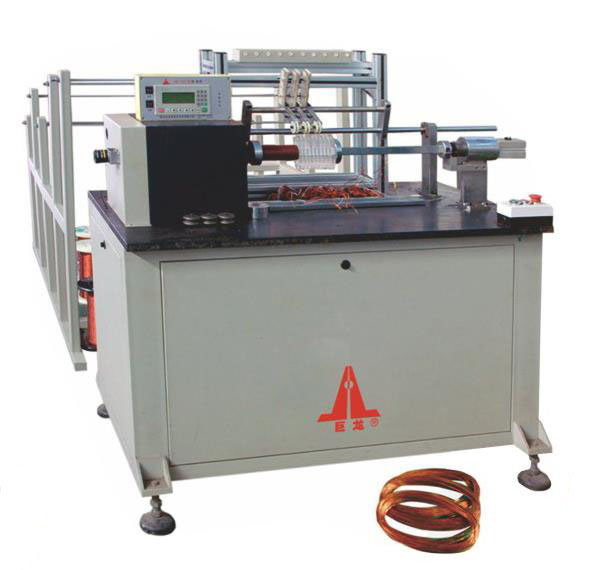
Utilizing high-speed flyers and multi-spindle traversing arms, machines like the XB-1GZ automate simultaneous multi-wire winding directly into tooling forms, maintaining continuous mechanical tension from 0.08mm² up to heavy gauge magnet wire.
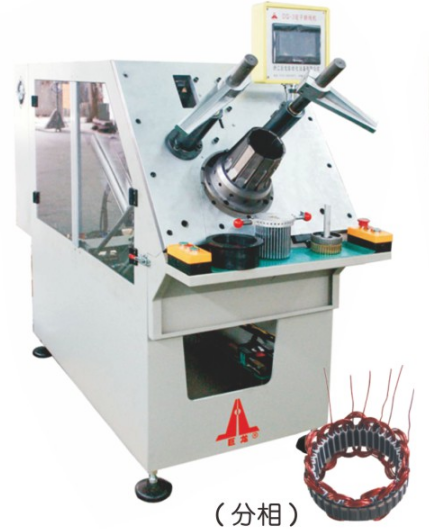
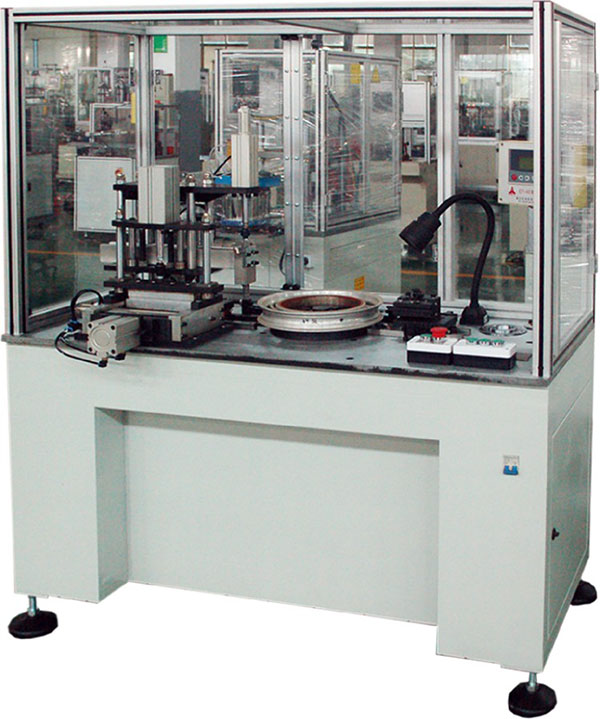
Simultaneous push-insertion driven by precision servos transfers stator coils and forms DuPont Nomex, DMD, or polyester film slot wedges in one synchronized cycle, achieving up to 82% slot fill without insulation scraping.
Two-stage hydraulic intermediate and final end-turn forming expands the coil overhang radially and axially, ensuring essential clearance for the rotor and end-shield brackets prior to automatic horizontal diamond lacing.
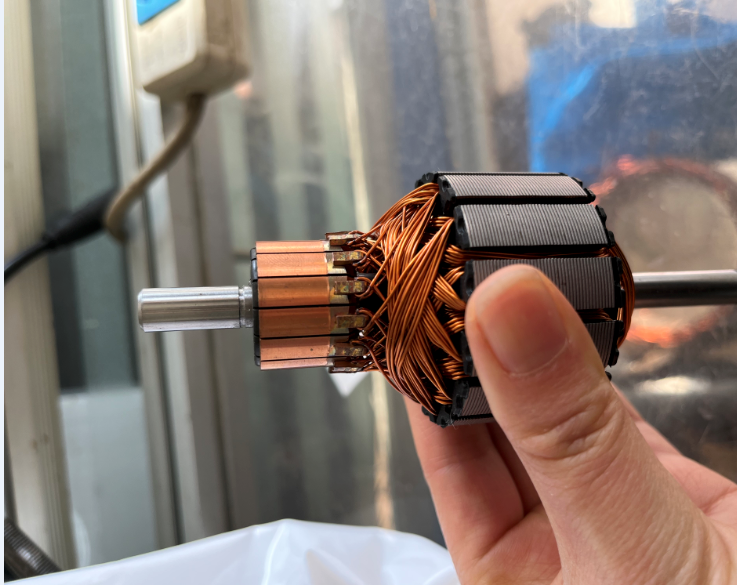
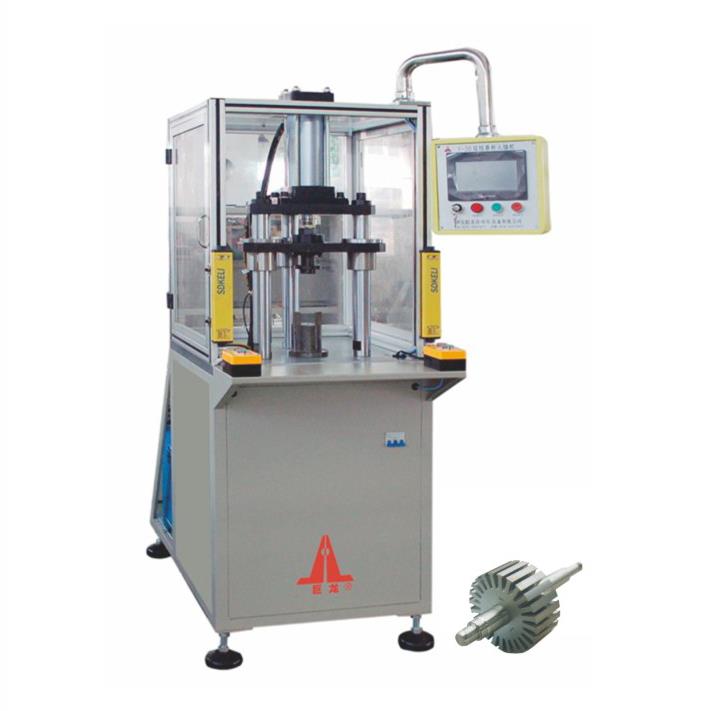
Hydraulic shaft insertion via our Y-30 platform aligns dynamic centerlines within 0.005mm concentricity, pairing laminated squirrel-cage cores with hardened ground steel shafts before balancing and trickle impregnation.
The manufacturing profile of Haiti's metropolitan capital demands versatile equipment that can quickly pivot between fractional horsepower (FHP) drives and large integral horsepower units (up to 75 kW). Key localized operational vectors include:
The Société Nationale des Parcs Industriels (SONAPI), situated adjacent to Toussaint Louverture International Airport, serves as the manufacturing backbone for apparel exports under the HOPE/HELP acts. Hundreds of high-speed industrial sewing machines, continuous fabric slitters, exhaust ventilation blowers, and air-handling compressors operate around the clock. Induction motor winding machinery supplied to repair depots within or near the Delmas and Cité Soleil corridors enables quick repair of proprietary clutch and servo motors, eliminating 6-to-8 week air-freight delays from overseas component suppliers.
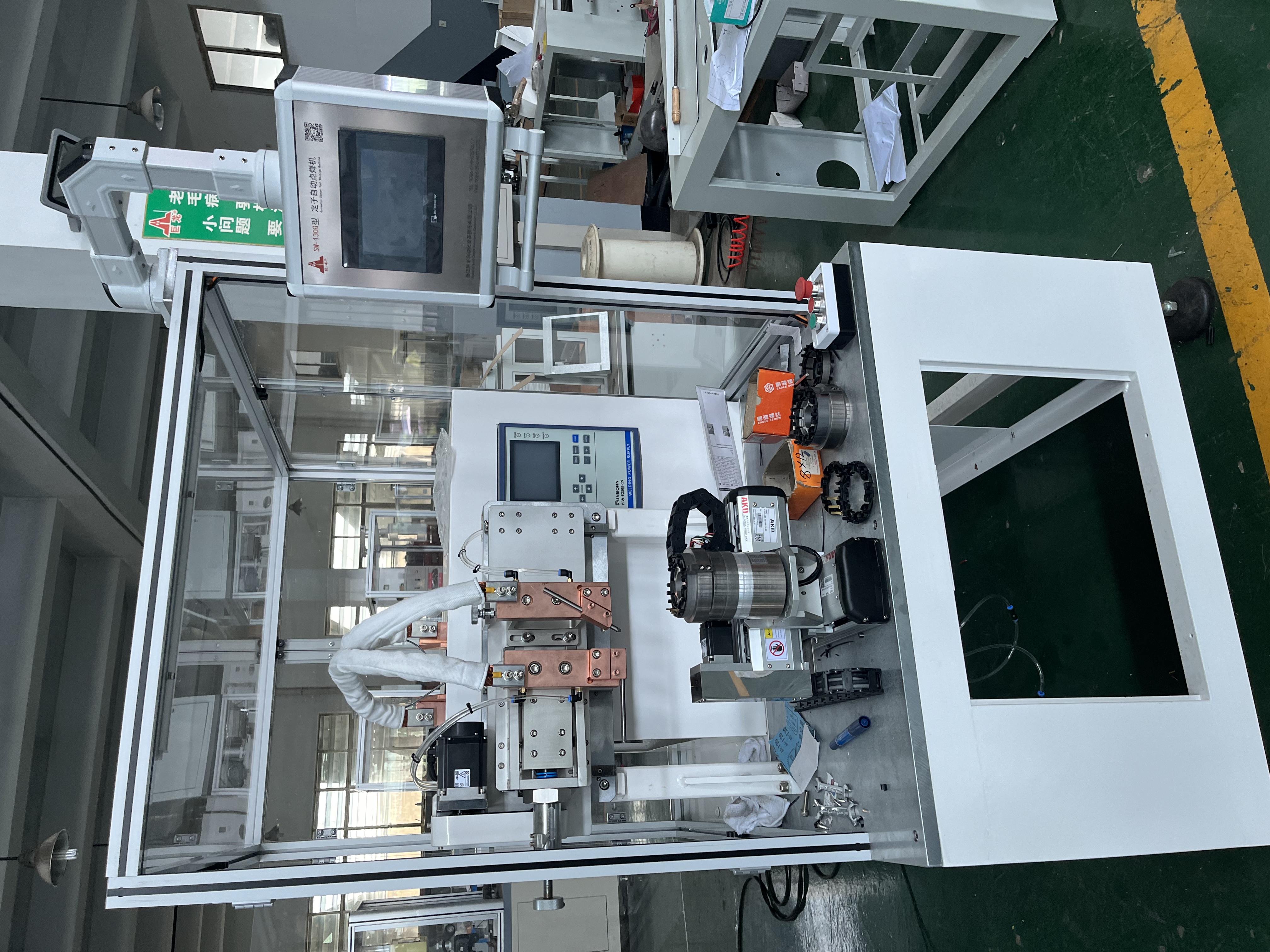
Across the Plaine du Cul-de-Sac basin and coastal Port-au-Prince, clean water distribution and sewage remediation rely on electric submersible borehole pumps and horizontal booster sets. Salt-laden coastal air, combined with fine sediment, rapidly wears down motor seals and stators. Rilvo's SW-130G welding machines and stator wedge inserters allow local maintenance operators to rewind pump motors using heavy-build Class H enameled copper and epoxy encapsulation, dramatically extending MTBF (Mean Time Between Failures) in high-salinity Caribbean conditions.
From sugar processing mills and rum distilleries to commercial cold stores handling imported poultry and seafood along the Boulevard La Saline marine front, induction motors power heavy conveyor augers, fluid agitators, and ammonia refrigeration compressors. Deploying local coil-inserting machines (like the Automatic Servo System Stator Coil and Wedge Inserting Machine) allows plant engineering workshops to perform complete stator overhauls within 24 hours, protecting perishable inventory from grid blackouts.
The engineering benchmark below demonstrates the measurable efficiency gains when transitioning from traditional manual bench rewinding to automated induction motor production equipment under Port-au-Prince workshop conditions:
| Operational Metric | Manual Rewind Workshop | Semi-Automatic Machinery | Rilvo Fully Automated Workcell |
|---|---|---|---|
| Stator Coil Winding Speed | 120–250 RPM (Hand Traverse) | 600–1,200 RPM (Single Spindle) | 2,200–3,000 RPM (Dual/Multi-Flyer CNC) |
| Average Slot Fill Factor | 52% – 60% Maximum | 65% – 72% Standard | 78% – 84% Precision Packed |
| Cycle Time (36-Slot Stator) | 45 – 75 minutes | 12 – 18 minutes | 2.8 – 4.2 minutes per stator |
| Insulation Scratch Rate | High (Manual tool damage ~4.5%) | Moderate (< 1.2%) | Ultra-Low (< 0.05% with Teflon tooling) |
| Energy Efficiency Class | IE1 / Degraded Post-Repair | IE2 Standard Industrial | IE3 / IE4 Premium Efficiency Compliant |
| Labor Dependency per Shift | 8–12 Skilled Winding Craftsmen | 3–4 Machine Attendants | 1 General Operator per 2 Stations |
The industrial landscape in the Republic of Haiti is undergoing a structural shift driven by decentralized micro-grids, solar-diesel hybrid generation, and national import substitution initiatives. As diesel fuel costs fluctuate in Port-au-Prince, the operational economics of running low-efficiency, poorly wound motors becomes unsustainable. Premium efficiency (IE3) motors wound with tightly controlled slot geometry consume up to 6.5% less electrical power under load, saving commercial enterprises thousands of dollars annually in generator diesel expenses.
Furthermore, Haitian mechanical and electrical engineers graduating from domestic technical universities are spearheading local light-industrial assembly initiatives. Rather than exporting foreign exchange for low-quality consumer and industrial pumps, domestic entrepreneurs are acquiring Rilvo coil winders, magnet insertion units (such as the CT-40 for modern high-efficiency BLDC/permanent magnet hybrid motors), and dynamic presses to build an indigenous supply chain right within the Port-au-Prince department.
Founded in 1998 in Sanmen, Zhejiang, Rilvo Automation provides factory-direct engineering expertise, custom tooling, and complete overseas trade support.
Strict quality-controlled fabrication across a 60,000 m² industrial facility. Every machine undergoes full electrical and mechanical safety compliance before departure.
Our 36 R&D engineers design custom winding nozzles, wedge guide fingers, and core clamps matching your exact lamination drawings and wire diameters.
Prior to dispatch to Port-au-Prince, we wind and insert your physical lamination samples in our factory, providing high-resolution video proof of concentricity and cycle times.
Full support for FOB, CFR, and CIF shipping to Port International de Port-au-Prince via Ningbo Port, with dual currency clearance (USD / EUR) and complete documentation.
Direct technical answers addressing electrical compatibility, shipping routes to Haiti, commissioning support, and tooling customization.


