


Winding
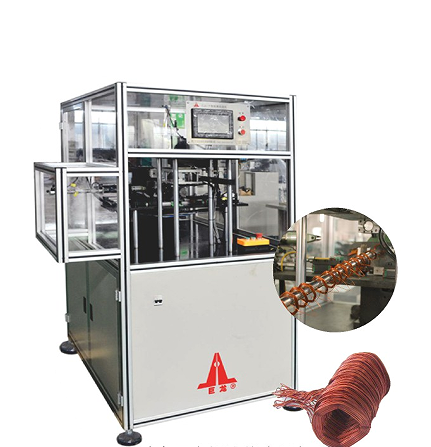
CJL-7 Flat Motor Coil Winding Machine
Specialized flat copper conductor wire winding equipment engineered for high-density slot fills and heavy-duty industrial alternator setups.
Configured for harsh operating parameters, tropicalized electrical insulation, and high-throughput industrial motor fabrication for Central American commercial plants.
Specialized flat copper conductor wire winding equipment engineered for high-density slot fills and heavy-duty industrial alternator setups.
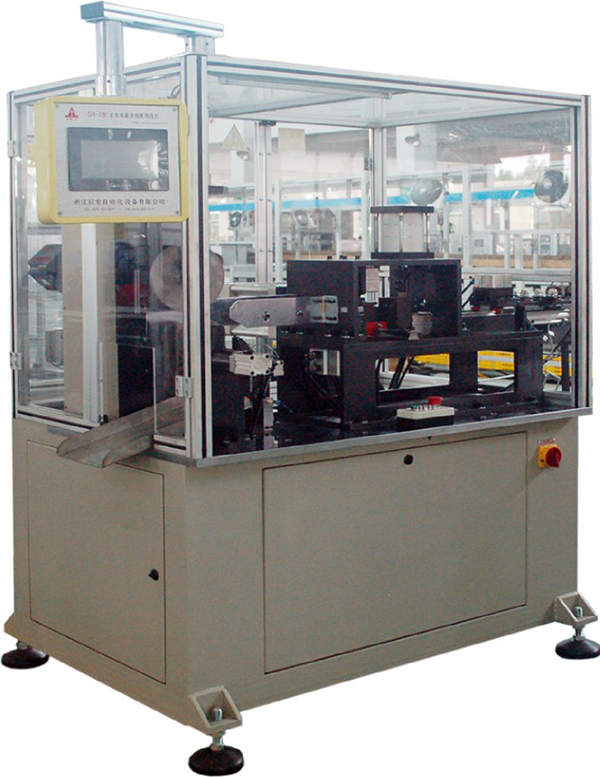
Automated cycle tensioning controls for single-phase and poly-phase induction stator coils, maximizing winding precision and copper conservation.
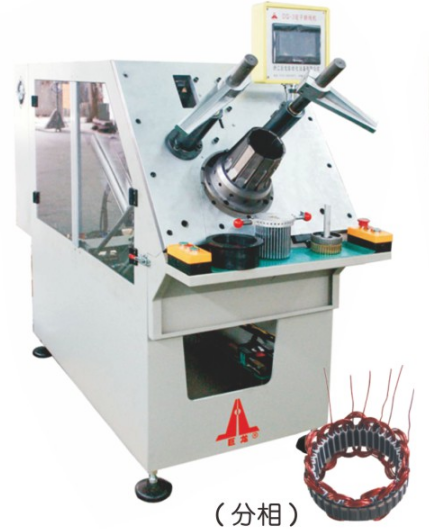
Simultaneous enamel wire and slot wedge insertion tooling, delivering high structural repeatability without damaging dielectric insulation barriers.
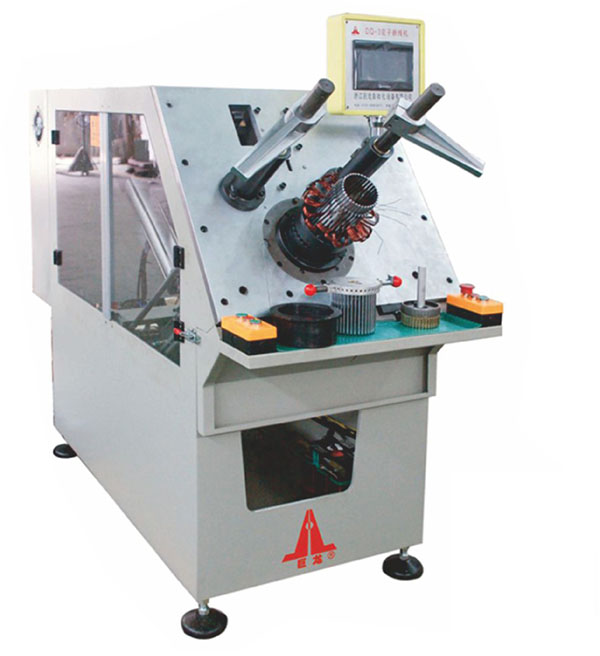
Optimized heavy alternator stator tooling ensuring zero wire crossover, tight coil forming, and uniform end-turn geometry for power generation units.
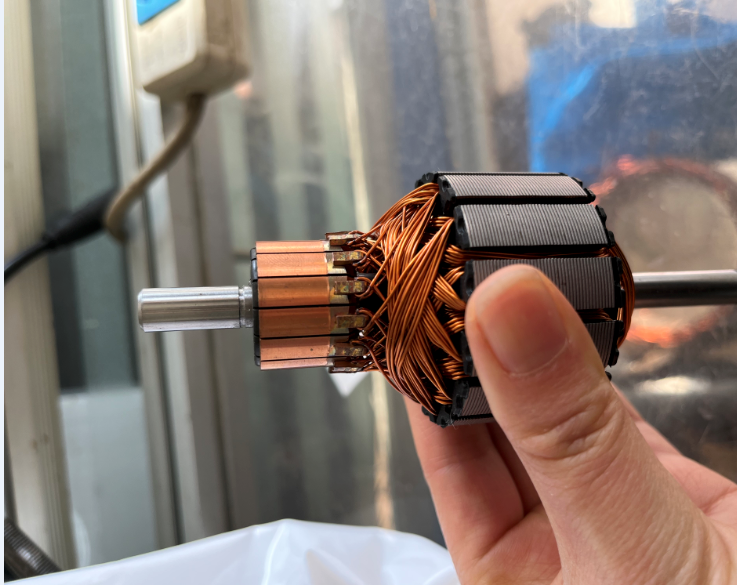
Ultra-fast flyer winding system tailored for power tool armatures, home appliance rotors, and high-RPM micro motors requiring dynamic balance.
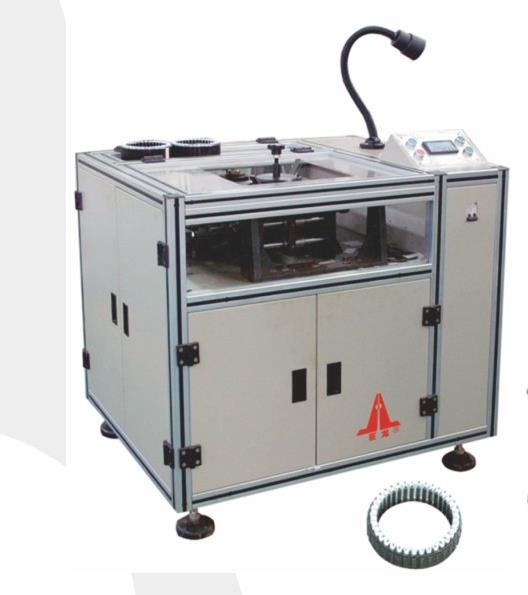
Automated rotary index slot insulation cell providing micro-creasing, cutting, and insertion of Nomex and composite papers at high cycle rates.
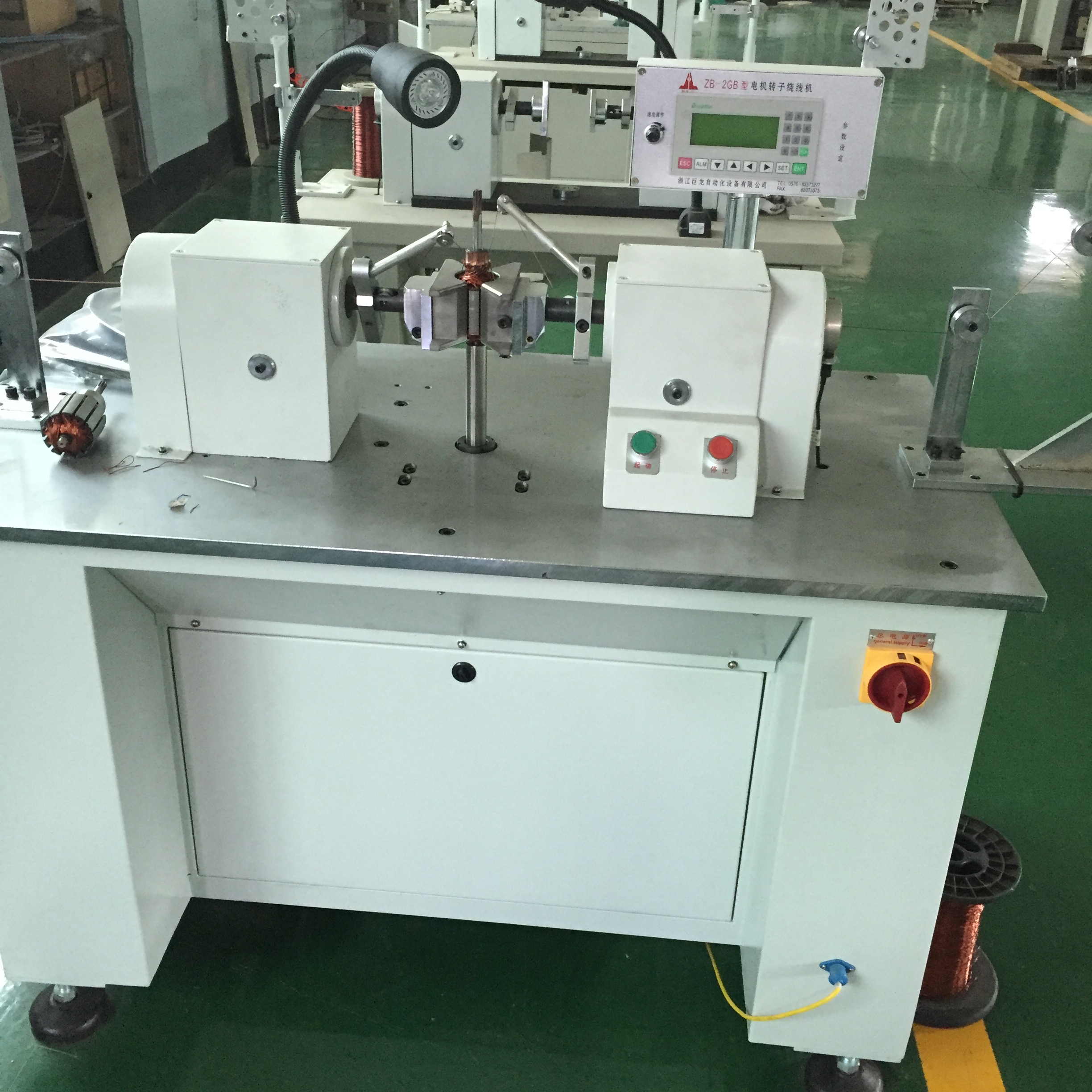
Flexible armature manufacturing unit designed for rapid tooling changeover, low-to-medium lot flexibility, and starter motor refurbishment.
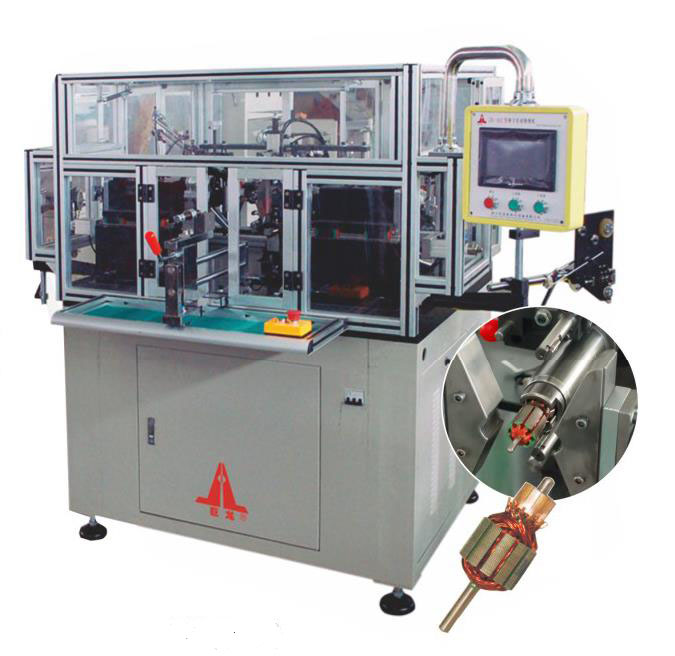
Integrated multi-station conveyorized manufacturing architecture featuring automated winding, lacing, trickling, and dynamic testing.
From Managua's expanding Zona Franca manufacturing corridors to agro-industrial pumping stations in Chinandega, electric motor manufacturing and rewinding lines underpin local economic autonomy.
Nicaragua's Free Trade Zones (Corporación de Zonas Francas - CZF) near Managua and Tipitapa are scaling high-value electrical harness and electromechanical assembly. Deploying high-speed automated rotor winders (like the ZB-302) and commutator welders provides contract manufacturers with the ability to export UL/CE-grade sub-fractional motors, electric fan drives, and power tool sub-components directly to NAFTA and CAFTA-DR trade networks.
The western agricultural corridor spanning León and Chinandega relies heavily on continuous irrigation pumps and heavy biomass processing mills (Ingenio San Antonio). Frequent voltage transients and high ambient humidity cause severe stator degradation. Semi-automated stator coil insertion systems (such as the DQ-1 and DQ-2) allow localized maintenance centers to rapidly wind and rebuild Class H and Class F insulated motors with zero OEM lead times.
With Nicaragua deriving over 70% of its electrical generation from renewable sources—specifically geothermal complexes near Momotombo and hydro plants in Jinotega—maintaining excitation alternator windings and high-capacity wave coils is a critical security imperative. The integration of 4-BL-1 wave winding stations and horizontal trickle impregnation equipment eliminates dielectric voids in extreme sulphur-rich and humid operational atmospheres.
Strategic shifts reshaping mechanical plant requirements throughout Central America over the next decade.
Historically, complex stator rewinds above 100 kW were exported to specialized facilities in Costa Rica or Colombia. Rising container freight rates and currency considerations have triggered local Nicaraguan conglomerates to invest directly in automated slot paper inserting (DFC-1) and programmable multi-axis winding machinery, keeping high-margin engineering operations inside national borders.
Municipal clean transport programs, light two-wheeler assembly, and agricultural cold-storage units are phasing out brushed legacy assemblies. The regional transition demands flexible automated equipment capable of handling magnet bar insertion (CT-40) and energy-storing pulse magnetization (DZ4-2000), allowing operators to build high-efficiency brushless DC motors with minimal mechanical losses.
Voltage instability across outlying transmission lines requires higher copper filling factors, precise phase separation paper insertion, and automated trickle varnish saturation. Motor builders are abandoning manual dip-tank methods in favor of automated horizontal trickle impregnation machinery (DQ-226/100) to protect windings against micro-cracking and corrosive tropical moisture.
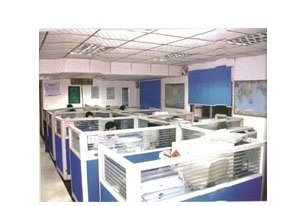
Operating out of the Shatianyang Development Zone in Sanmen, Zhejiang, Zhejiang Rilvo Automation Equipment Co., Ltd. is a recognized National High and New Technology Enterprise holding 17 intellectual property patents and ISO9001:2015 certification.
Real-world commercial, technical, and logistical answers for plant managers, purchasing directors, and maintenance superintendents.
All export automated winding, insertion, and trickle machines are engineered to custom electrical specifications. We integrate Schneider, Omron, or Siemens control switchgear configured natively for three-phase 220V, 380V, 440V, or 480V at 60Hz, complete with high-efficiency servo drives and internal surge suppressors to shield sensitive electronics from regional brownouts.
Yes. Recognizing that repair shops in Managua and agro-mills in Chinandega handle fluctuating motor frames rather than massive single-model runs, our machines (such as the DQ-1 coil inserter and DFC-1 paper inserter) utilize modular quick-change tooling. Changing between frame sizes typically takes under 25 minutes using pre-indexed guide blocks and programmable touchscreen recipes.
We regularly ship under CIF and CFR terms to Puerto Corinto on Nicaragua's Pacific coast, as well as Puerto Cortés (Honduras) for rapid overland transit to northern industrial hubs. Cargo is packaged in vacuum-sealed moisture-barrier foil inside fumigated solid-wood export crates. Complete documentation (Bill of Lading, Certificate of Origin, Packing List, Commercial Invoice) is provided for prompt DGA clearance.
Prior to departure, each machine undergoes an extensive video-verified trial using your exact sample lamination stacks. Upon delivery, we provide comprehensive step-by-step Spanish-language technical manuals, wiring schematics, and high-definition video commissioning guides. For full turnkey production cells, Rilvo field service engineers are dispatched on-site for line layout, wiring, and operator training.
Yes. If CAD drawings are unavailable due to legacy production, customers can courier sample lamination stampings or armatures to our Sanmen engineering department. Our R&D team conducts coordinate measuring machine (CMM) dimensional reverse-engineering to fabricate precision winding mandrels, coil pushing blades, and slot wedges guaranteed to fit your parts.
Traditional dip-and-bake methods create uneven varnish accumulation, trap volatile air bubbles within inner coil slots, and result in substantial resin waste. Our automated horizontal trickle impregnation system (DQ-226/100) pre-heats windings electrically and meters resin directly into slot valleys while rotating. This yields 100% solid slot fill, zero air voids, superior heat dissipation, and extended motor service life under tropical humidity.
Whether you require a single high-speed rotor winding station for a Zona Franca facility or an end-to-end stator assembly cell for industrial motor rewinds, our engineering desk is ready to review your lamination drawings and cycle time targets.