


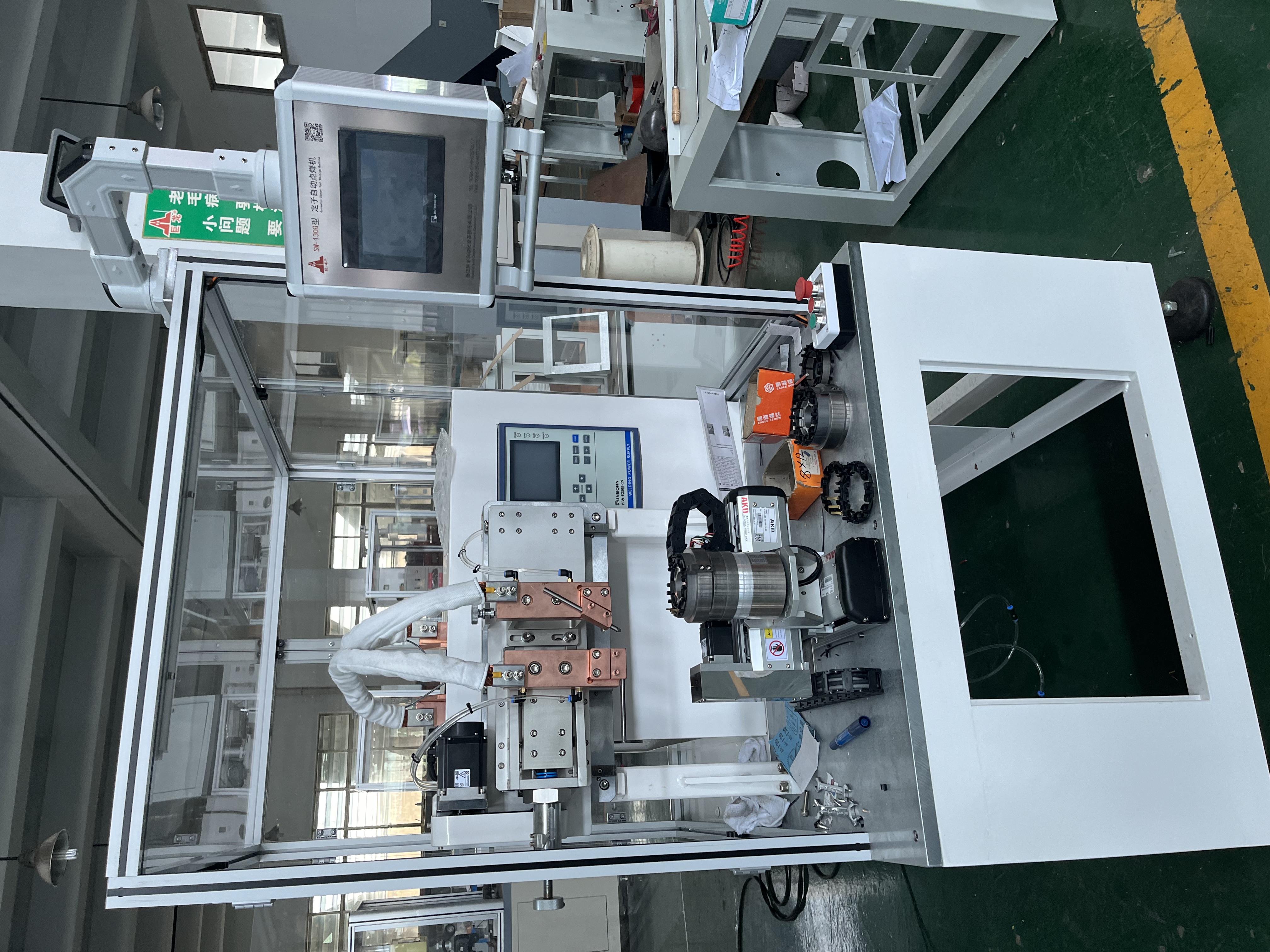
Engineering Micron-Level Concentricity, Dynamic Balancing, and High-Throughput Finishing for Baltic Industrial Automation, Electric Drives, and Renewable Infrastructure
Precision-built production equipment, balancing systems, and automated coil processing machinery directly supporting original equipment manufacturers in Lithuania and the broader Baltic region.
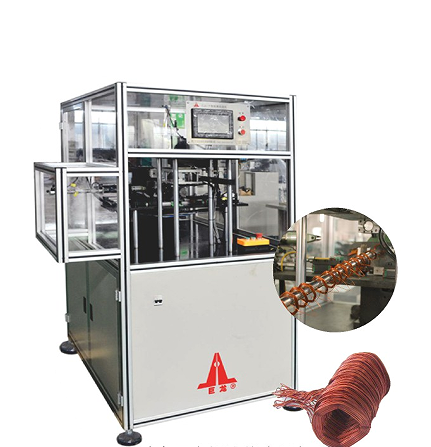
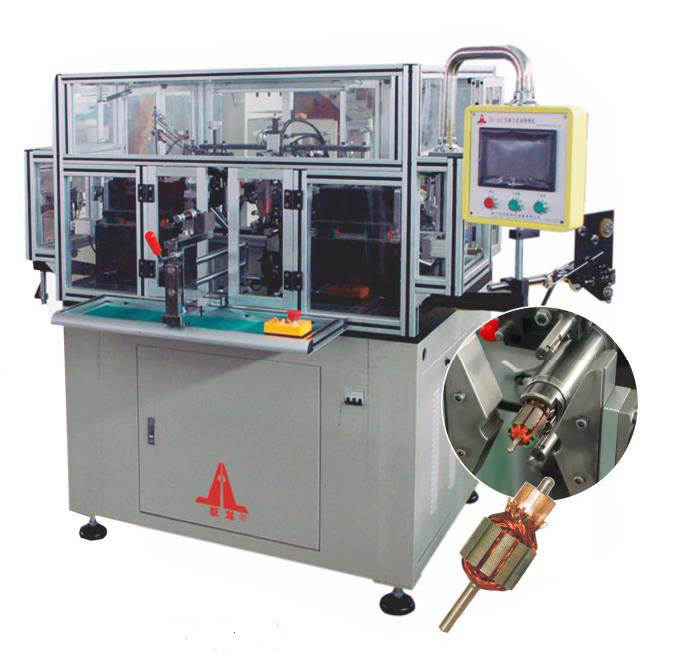
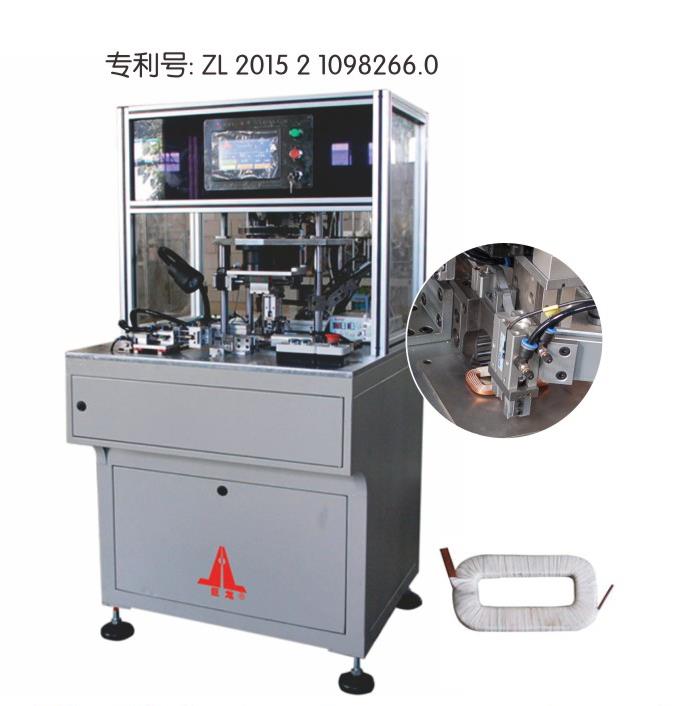
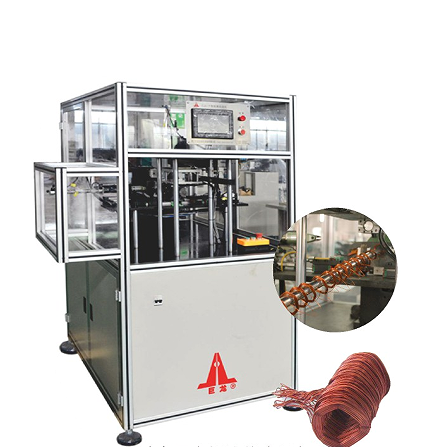
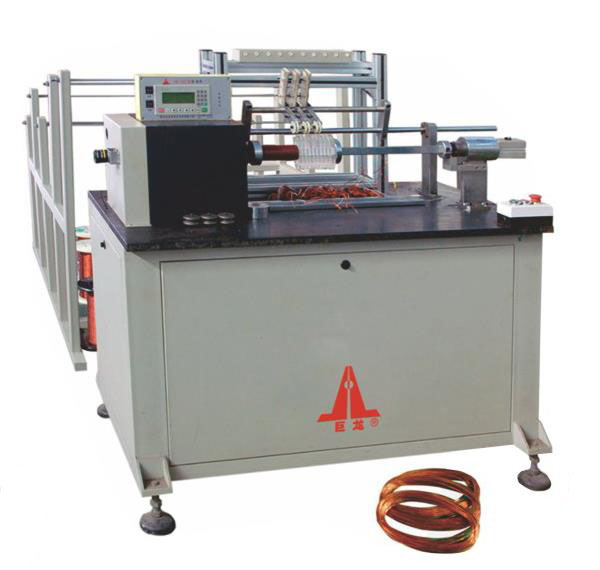
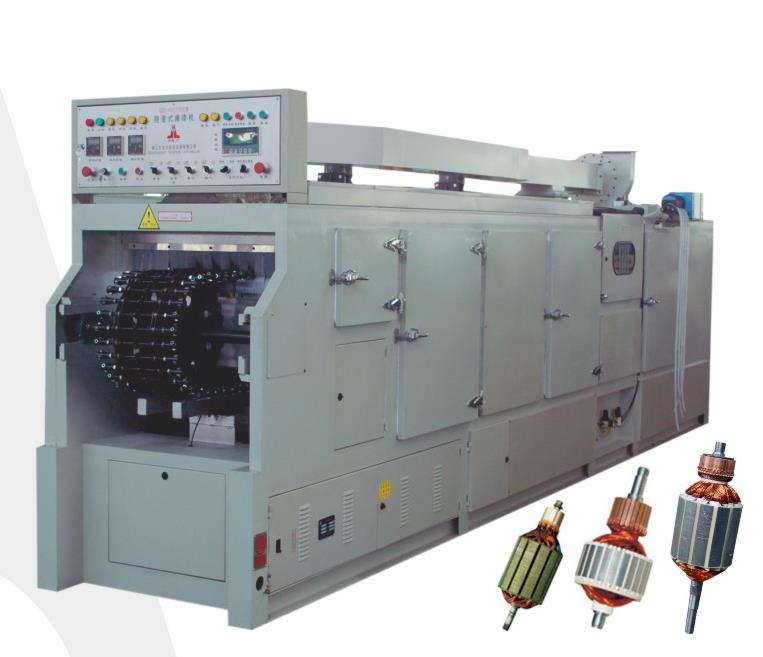
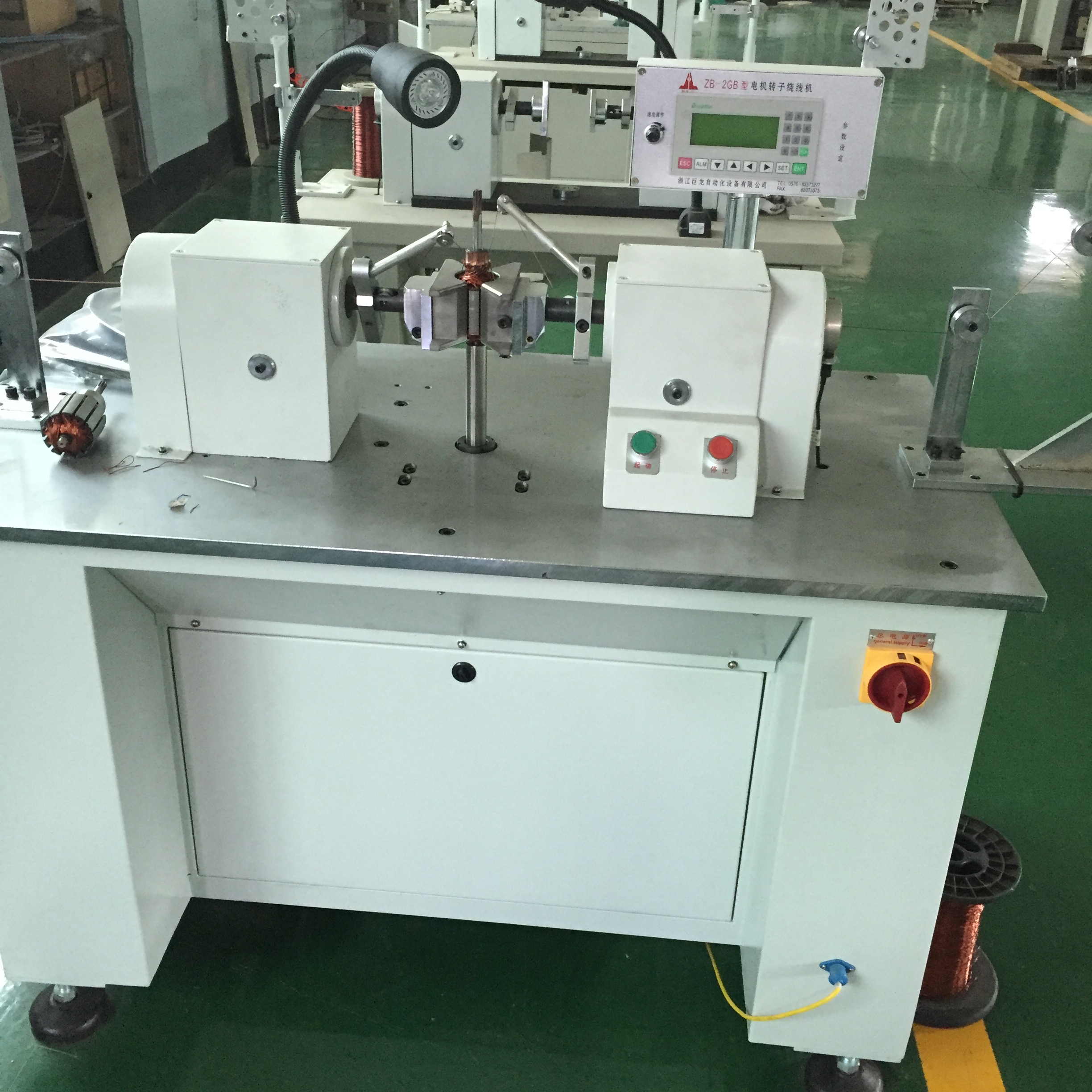
The industrial ecosystem in Lithuania has transitioned rapidly toward high-value engineering, precision robotics, renewable energy generation, and advanced automotive components. From established manufacturing clusters in Vilnius, Kaunas, and Klaipėda, engineering procurement teams face rigorous technical challenges: diminishing concentricity errors in high-speed permanent magnet motors, minimizing acoustic signatures in industrial pump drives, and achieving strict compliance with the European Union's Ecodesign Directive (Directive 2009/125/EC).
Rotor grinding is not merely an abrasive operation; it is the final geometrical calibration stage determining an electric motor's air-gap symmetry, dynamic balance, and electromagnetic efficiency. When sourcing from specialized rotor grinding machine factories, Baltic production managers demand machinery capable of sub-micron precision, thermal displacement compensation, and rapid adaptability across both stacked laminations and solid shaft armatures.
Maintains total radial run-out (TIR) under ≤ 0.002 mm across motor rotor stacks, dramatically suppressing cogging torque and mechanical vibration in precision industrial drives.
Engineered peripheral wheel velocities and specialized CBN/diamond abrasives prevent electrical short-circuiting across silicon steel laminations, ensuring lowest eddy current losses.
Heavy mineral-casting or aged meehanite bed bases attenuate resonant harmonic frequencies during heavy pass grinding, guaranteeing superior Ra 0.2 μm surface roughness.
Operating within Northern Europe's demanding climatic and technical sphere, machinery supplied to Lithuania serves distinct operational sectors that require high uptime, consistent duty cycles, and integration into Industry 4.0 automation architectures.
Lithuania's automotive component supply chain relies on CNC cylindrical rotor grinding for internal permanent magnet (IPM) rotors, achieving flawless outer diameter sizing without damaging pre-inserted neodymium elements.
Baltic offshore and onshore wind generators demand high reliability. Specialized grinding equipment finishes large-diameter slip-rings and generator shafts to ensure continuous dielectric stability under salt-fog Baltic marine air.
High-speed machine tools manufactured in Kaunas require electro-spindle rotors ground to dynamic balancing grades of G0.4 or higher, preventing tool chatter and bearing race breakdown at 40,000+ RPM.
Grinding stainless steel and encapsulated canned-motor rotors deployed in chemical processing and Baltic maritime transport facilities, where corrosive ingress requires zero micro-crack defects.
As Lithuania accelerates its green industrial transition under European Union decarbonization roadmaps, traditional manufacturing lines are being retrofitted. Key technological trajectories dictate machine investments across the Baltic region:
Tightening of EU minimum energy performance standards (MEPS) requires reduced stator-rotor air gaps (≤ 0.25 mm), demanding ultra-tight rotor grinding roundness and absolute cylindrical profile accuracy.
Elimination of post-grinding inspection bottlenecks via real-time air-gauge or laser micrometers. Automated active feedback ensures wheel wear compensation without operator intervention.
Seamless incorporation of robotic loading gantries and palletizing cells complying with EU Machinery Safety Directive standards for 24/7 unstaffed lights-out manufacturing.
Established in 1998, Zhejiang Rilvo Automation Equipment Co., Ltd. has stood at the forefront of electric motor production machinery for more than a quarter-century. Operating from an expansive 60,000 m² industrial facility in the Shatianyang Development Zone of Sanmen (Zhejiang, China), we combine comprehensive mechanical design, software engineering, and precision assembly under one roof.
Fully certified under ISO9001 Quality Management System, 3C (China Compulsory Certification), and recognized as an official High and New Technology Enterprise.
Staff of 150+ professionals led by senior engineers and national model innovators, offering complete electrical and mechanical customization to European drawings.
Continuous innovation in winding tension controllers, multi-axis servo positioning, automated commutator welders, and precise abrasive grinding setups.
Rapid shipping from Ningbo Port (2 hours away). Transparent FOB, CFR, CIF, and EXW terms in EUR or USD with full CE declaration and safety compliance support.
Technical and logistical clarifications for plant managers, process engineers, and sourcing directors across Lithuania and the Baltic States.
Submit your rotor, stator, or coil technical drawings to our senior engineering desk. We will evaluate your cycle-time targets, tooling tolerances, and plant layout to provide a comprehensive turnkey equipment quotation.