Engineered for high slot fill rates, minimal copper elongation, and harsh-duty operation across Central America's growing manufacturing, maquiladora, and pump-rebuilding hubs.
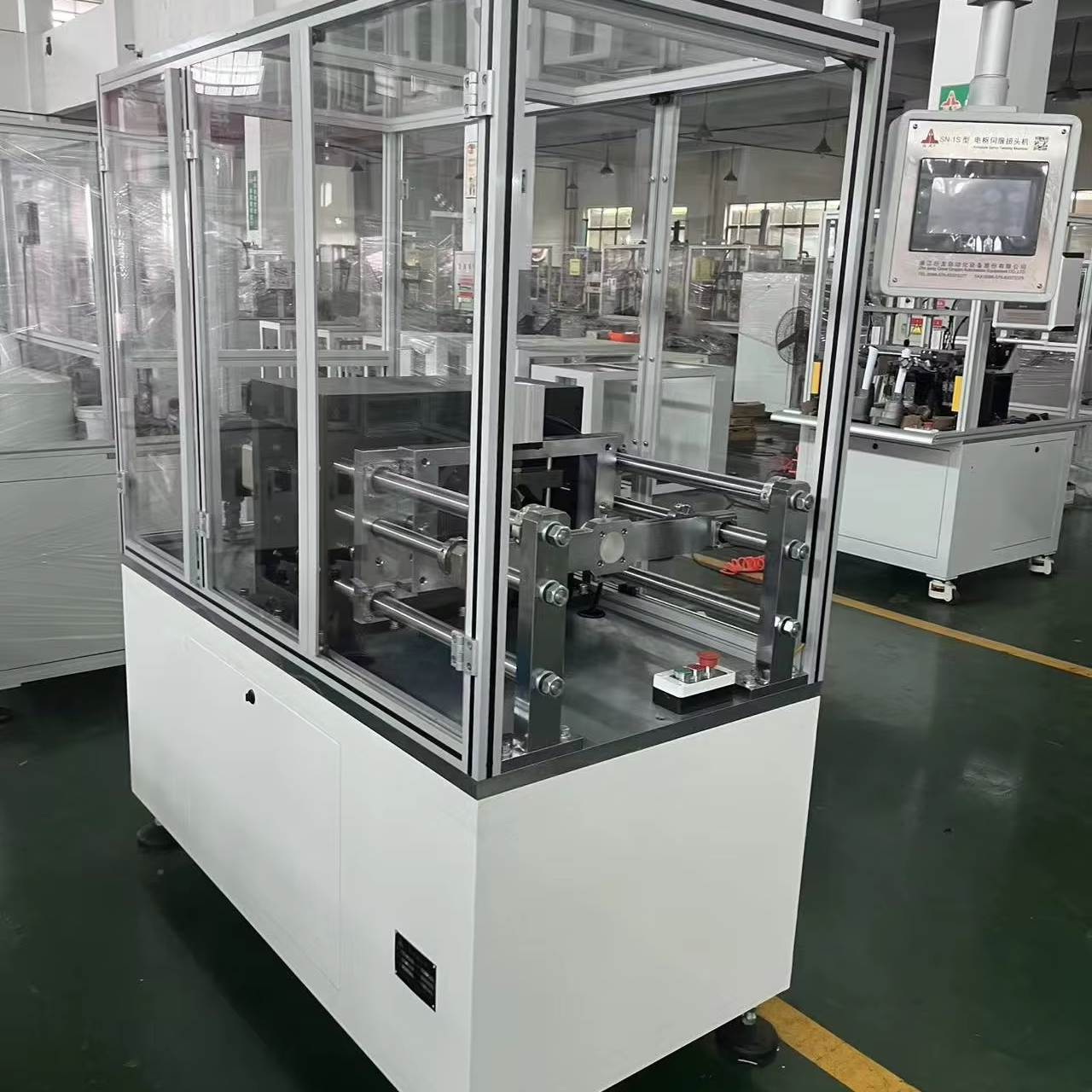
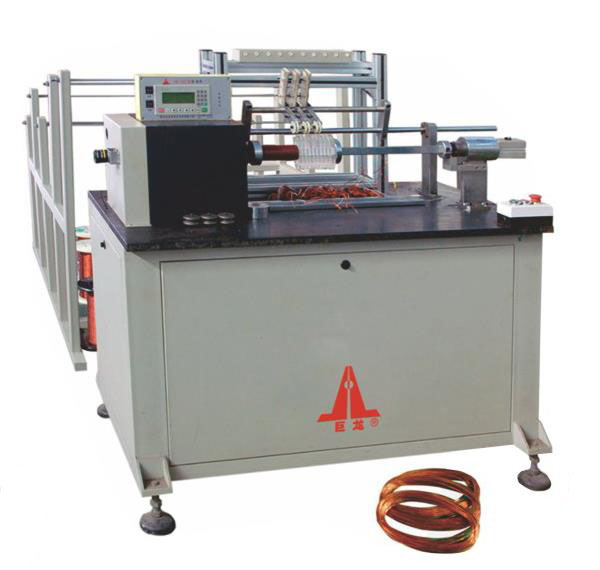
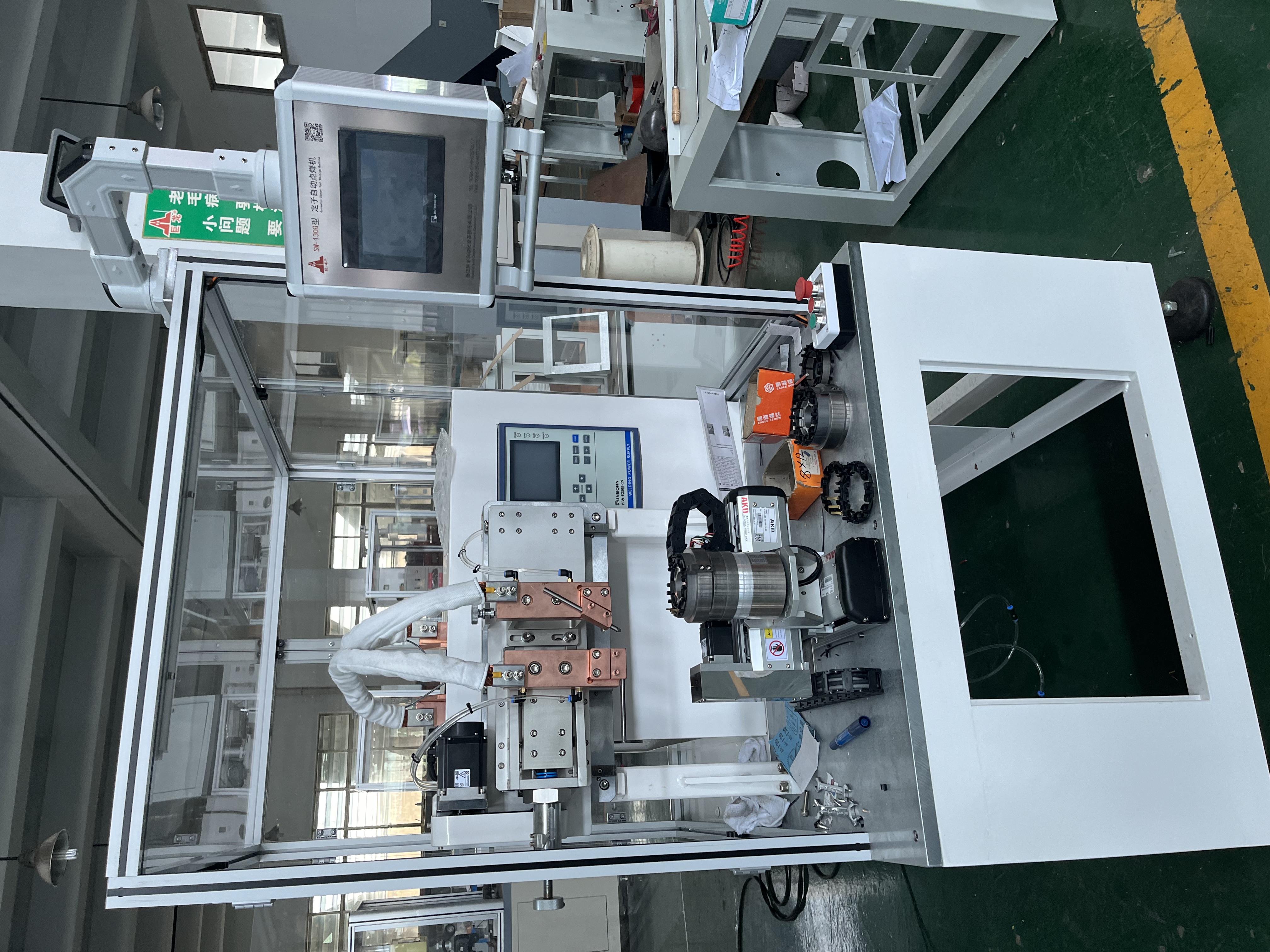
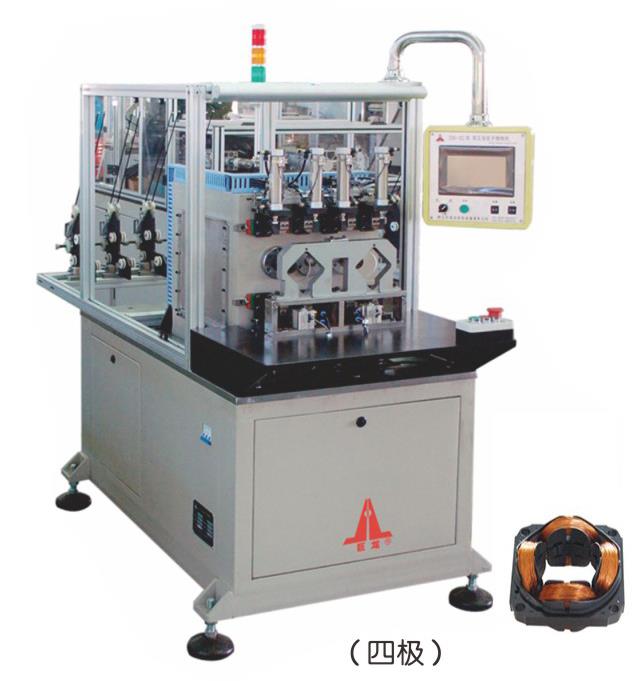
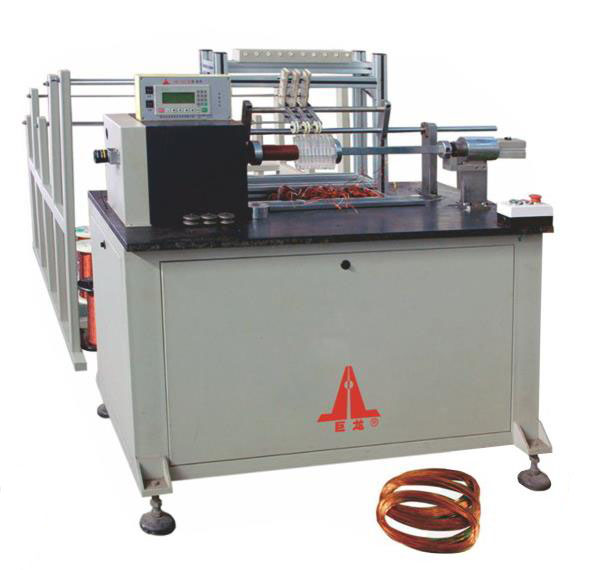
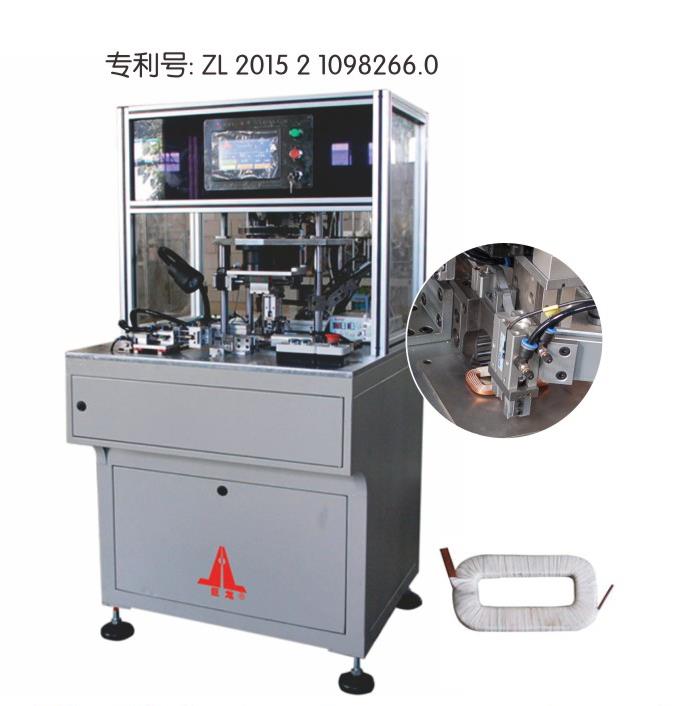
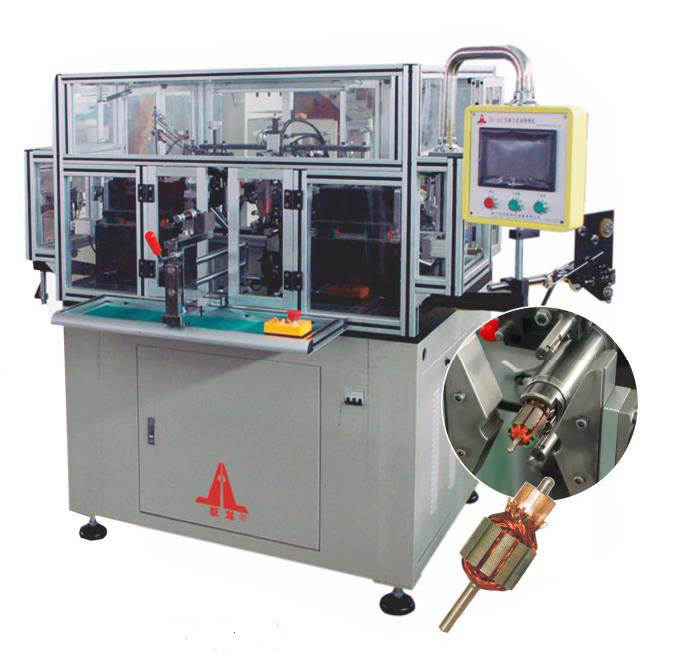
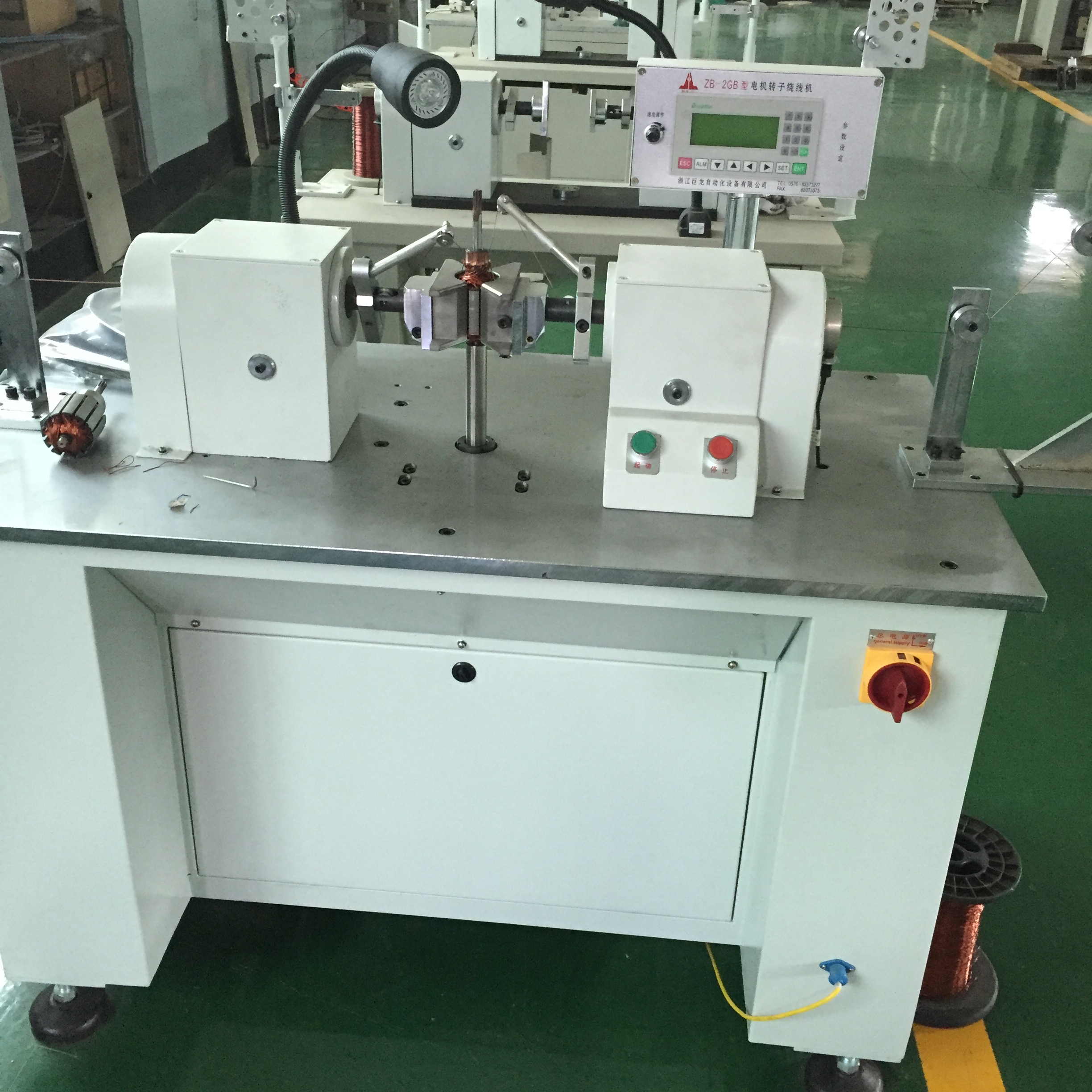
In modern electromagnetic machine assembly, the stator coil inserting process—frequently referenced as wire embedding—constitutes the most structurally delicate phase of electrical manufacturing. Inserting pre-wound enameled copper or aluminum coils alongside structural slot insulation (wedges) into tight core slots demands micrometer-accurate push blade alignment and calibrated push forces. Incomplete insertion, scuffed wire insulation, or torn slot liners directly yield phase-to-phase shorts, premature ground faults, and catastrophic motor breakdown.
As electrical motor production evolves toward higher power density and maximum volumetric efficiency, equipment must reliably accommodate higher slot fill rates—routinely exceeding 75% to 80%—without inducing enamel abrasion. Utilizing multi-axis closed-loop servo synchronization, automated coil and wedge inserting equipment drives insertion blades and wedge pushers simultaneously into the stator core lamination stack. Simultaneously cutting, shaping, and driving insulation materials such as Nomex, DMD, or polyester film wedges directly into the core ensures clean physical separation and permanent mechanical retention of the windings under heavy thermal expansion stress.
Tungsten carbide-coated push fingers with micro-honed surfaces eliminate wire scuffing, preventing partial discharge and micro-arcing in inverter-fed drive duty.
Simultaneous mechanical wedge indexing, creasing, and shearing from bulk coil rolls cuts material handling overhead and guarantees consistent slot closure.
Quick-change modular tooling fixtures accommodate variations in stator stack height, bore diameter (IDs), and slot configurations in under 20 minutes.
Situated in the Sula Valley of Cortés, San Pedro Sula serves as the undisputed manufacturing backbone of Honduras and the primary logistics crossroads for Central American industrial trade. Propelled by the Puerto Cortés deep-water shipping terminal, local industrial activities generate over 60% of the nation's GDP. Operating inside dense industrial corridors—spanning ZIP Choloma, Búfalo, Villanueva, and San Pedro Sula Free Zones—enterprises require high-uptime manufacturing equipment engineered to resist harsh Caribbean tropical operating conditions.
Continuous cooling is non-negotiable for regional banana, coffee, and seafood processors. Local lines assemble stators for hermetic compressors and fan drives operating under elevated ambient humidity.
High-torque submersible pumps and irrigation drive stators require robust, void-free copper fill and thick insulation wedges to endure erratic seasonal agricultural duty cycles.
Export-oriented maquiladora plants assembling vehicle alternators, starter armatures, and blower sub-assemblies require high-speed, repeatable insertion tooling that satisfies global quality standards.
The manufacturing profile of Northern Honduras is experiencing an accelerated transition beyond traditional apparel cut-and-sew operations toward higher-value electromechanical manufacturing and nearshoring logistics. Three macro-shifts dominate procurement strategies across San Pedro Sula:
Industrial facilities are replacing outdated low-efficiency rewound motors with IE3 and IE4 standards, compelling local motor rebuilders and assemblers to utilize automated inserting equipment capable of handling higher slot fill factors.
Global original equipment manufacturers are investing in the Cortés department to shorten North American supply routes. This trend demands automated insertion lines with PLC recipe storage, cycle-time telemetry, and reduced human handling error.
With local Caribbean coastal humidity and regional electrical voltage sags, manufacturers prioritize rugged machines equipped with Schneider or Omron electrical switchgear, dual surge protectors, and gold-plated sensor relays.
Established in 1998, Zhejiang Rilvo Automation Equipment Co., Ltd. has spent over 27 years advancing the mechanical frontier of electric motor and armature manufacturing machinery. Spanning a 60,000 m² industrial campus in the Shatianyang Development Zone of Zhejiang, our plant operates 150+ in-house precision CNC machining centers, wire-EDM cutting units, and robotic assembly bays.
Holding 17 national technology patents, an ISO9001-certified Quality Management System, and national 3C accreditation, Rilvo integrates mechanical CAD/CAM engineering, custom electrical cabinet assembly, and PLC software development entirely in-house. Supported by a 36-member R&D engineering team led by nationally awarded chief technical specialists, every machine undergo rigorous sample validation with clients' genuine lamination cores and magnet wire before dispatch.
We do not outsource critical tooling. Guiding plates, pushing teeth, and wedge magazines are heat-treated, ground, and mirror-polished inside our own facility to guarantee concentricity and micron tolerances.
Beyond single inserting cells, Rilvo delivers fully integrated stator lines: slot insulation paper machines, multi-spindle winders, automatic coil inserting stations, intermediate shaping presses, and final varnishing systems.
Our plant is located two hours from Ningbo Port, enabling rapid containerized shipping routes across Panama to Puerto Cortés, complete with seaworthy vacuum moisture-barrier packaging.
Honduran industrial infrastructure commonly operates on 220V/440V 3-phase 60Hz. We customize all incoming transformers, servo motor drivers, PLC power supplies, and control circuit coils specifically to your plant's factory floor electrical supply. All cabinets feature internal phase monitors, line filters, and circuit breakers from globally serviceable brands such as Schneider, Omron, or Delta to maintain stable operation despite grid fluctuations.
Yes. Tooling assemblies are modular. If stators share the same core inner diameter (bore ID) and slot count, stack height adjustments are configured digitally via the touchscreen HMI in seconds. When switching between differing stator outer diameters, bore IDs, or slot geometries (e.g., 24-slot to 36-slot), operators change the quick-mount guide tooling set in approximately 15 to 20 minutes without specialized alignment tools.
We routinely manage export logistics under FOB (Ningbo or Shanghai), CFR, and CIF Puerto Cortés terms. Equipment is pre-treated with anti-corrosion VCI barrier film, desiccant charges, and vacuum-sealed inside solid heat-treated ISPM-15 export wooden crates. Transit times from Ningbo to Puerto Cortés typically range between 26 to 35 ocean shipping days. We provide comprehensive commercial invoices, certified packing lists, bills of lading, and HS code classifications to ensure smooth customs clearance through Honduran customs authority (Aduanas de Honduras).
Prior to shipment, we provide full HD video recordings of dry-run and live-wire insertion trials using your sample stator laminations. Each machine ships with bilingual English/Spanish documentation, wiring diagrams, and an essential maintenance wear-part toolkit (pushing blades, wedge guide strips, indexing feed springs, and cutter knives). Remote diagnostics via industrial Ethernet or video-link troubleshooting are accessible directly from our senior automation engineering staff. Onsite engineer commissioning and training visits are available for multi-machine turnkey production lines.
To accurately calibrate your machine tooling, our engineering department requires: (1) Stator lamination cross-section drawing showing Outer Diameter (OD), Inner Bore Diameter (ID), and Slot Opening Width; (2) Core stack height range (min/max mm); (3) Wire details including wire diameter, number of parallel wires, and slot fill percentage; (4) Insulation wedge material type (DMD, Nomex, Polyester) and thickness; and (5) Your desired production capacity per hour or 8-hour shift.
Submit your stator core drawings, stack dimensions, and production targets. Our engineering department will configure an optimized machine proposal and complete tooling layout within 24 hours.
Send an Inquiry


