


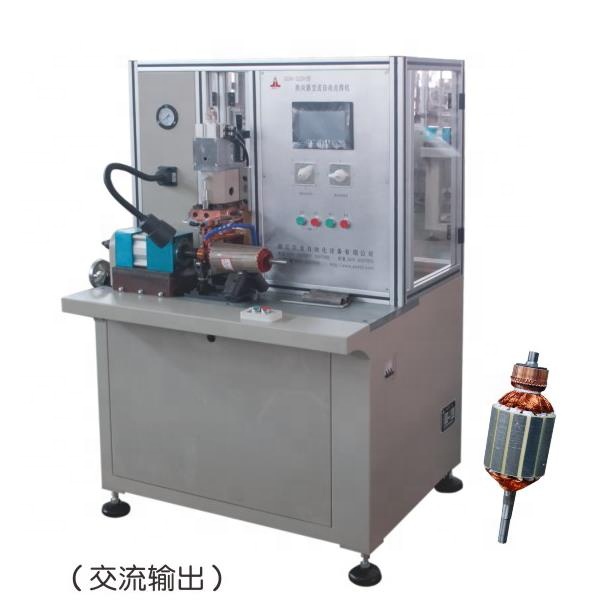
Precision-engineered automated solutions built to satisfy automotive, power tool, and micro-motor production benchmarks across Cologne and the Rhine-Ruhr industrial corridor.
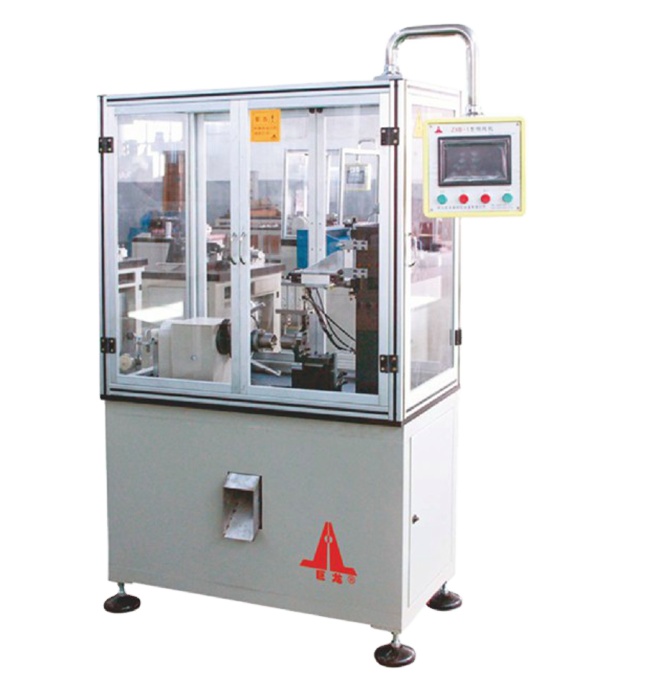
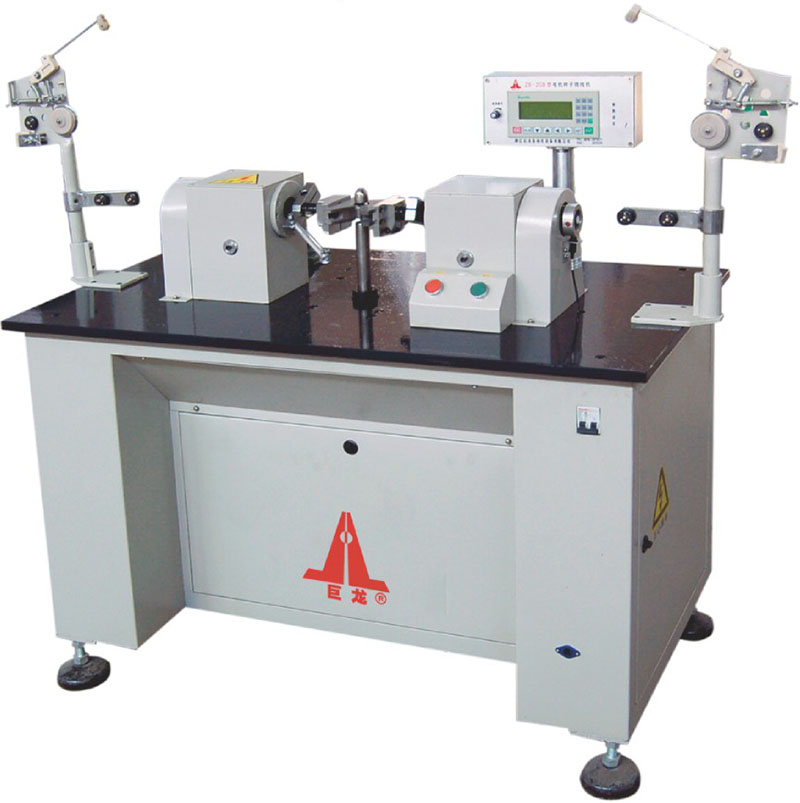
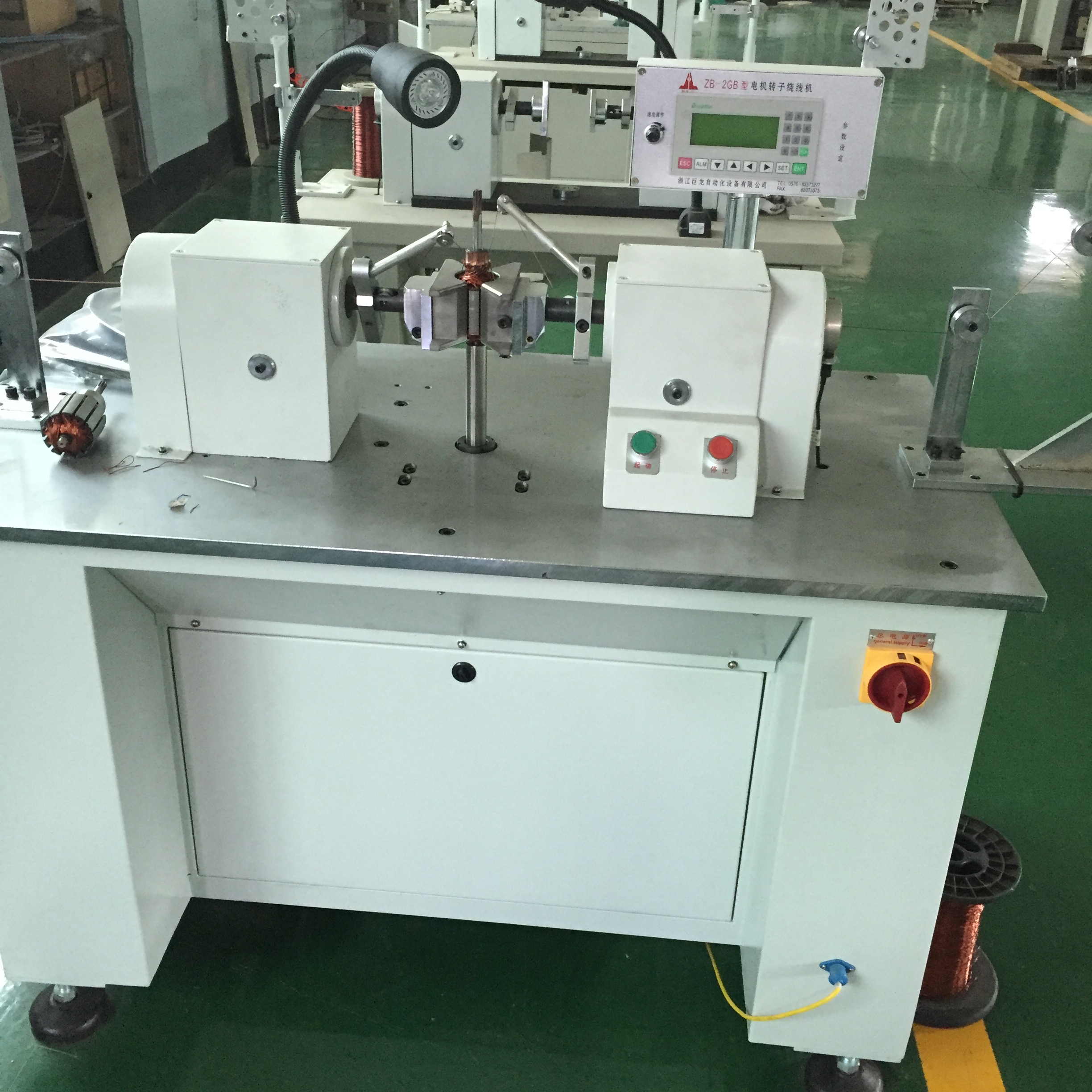
A technical assessment of electro-thermal fusing dynamics, resistance spot welding architectures, and supplier ecosystems serving Cologne's high-efficiency electromechanical sector.
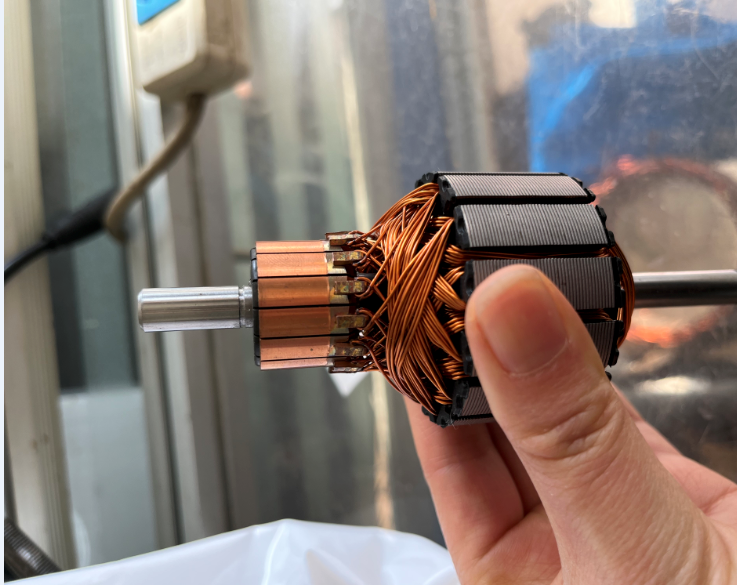
Commutator hook fusing operates on the boundary between hot staking and high-current electrical resistance brazing. High-frequency inverters (1 kHz to 4 kHz) deliver millisecond pulses that vaporize magnet wire insulation (polyurethane, polyamide-imide up to 220°C class) while consolidating pure copper hook deformation without annealing adjacent commutator copper segments or inducing mica insulation degradation.
Cutting-edge automatic spot welders integrate linear displacement transducers (LVDT) sensitive to 0.001 mm. By simultaneously cross-referencing electrode penetration depth with dynamic resistance curves, machines detect premature copper softening, prevent excessive electrode indentation, and ensure consistent mechanical grip strength above 45 N per segment in automotive starter armatures.
In high-throughput lines, spark projection leads to commutator bar burrs and shortened brush lifespan. Modern closed-loop inverter supplies regulate energy via constant current (CC), constant voltage (CV), or constant power (CP) modes. When micro-resistance fluctuations occur due to wire thickness tolerances, instantaneous sub-millisecond feedback thwarts expulsion and surface pitting.
| Architecture Parameter | Advanced Medium-Frequency Inverter (MFDC) | Traditional AC Transformer Welder | Capacitor Discharge (CD) System |
|---|---|---|---|
| Thermal Heat-Affected Zone (HAZ) | Minimal (< 0.35 mm) | Broad (> 1.20 mm, risks segment lift) | Moderate (< 0.60 mm) |
| Energy Efficiency & Grid Stability | Balanced 3-Phase, High Efficiency | Unbalanced 1-Phase Surge Draw | Low Continuous Consumption |
| Displacement Tracking Precision | Real-time Closed-Loop (±0.002 mm) | Open Loop / Mechanical Stop | Post-Discharge Inspection Only |
| Enamel Vaporization Capability | Dual-Pulse Controlled Burn & Fuse | Variable, High Spark Probability | Rapid Burst, Potential Insulation Charring |
Evaluating European tier-1 automation builders, local specialty integrators in North Rhine-Westphalia, and direct manufacturer partnerships delivering high-speed armature fusing equipment.
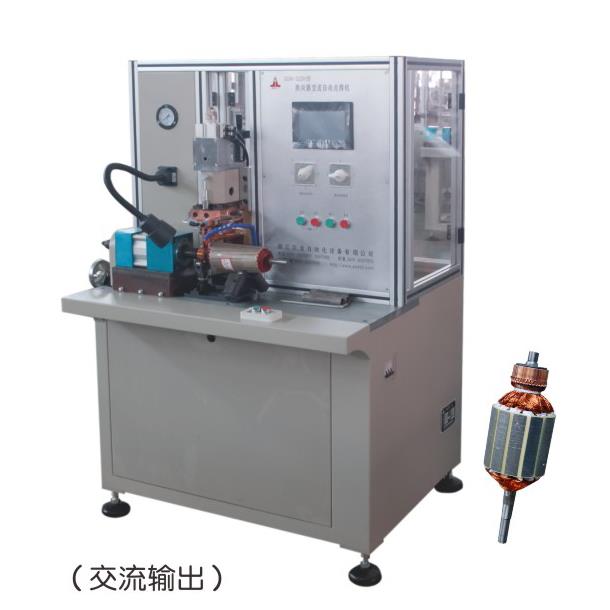
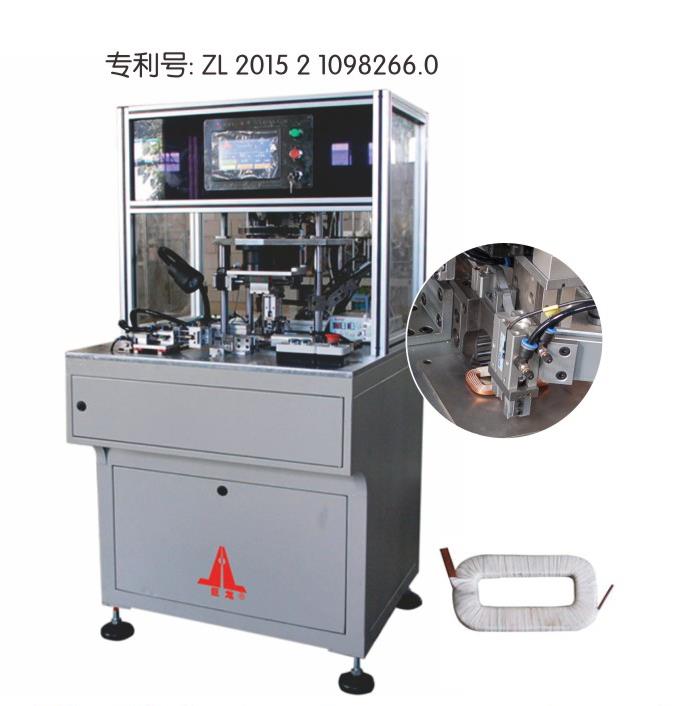
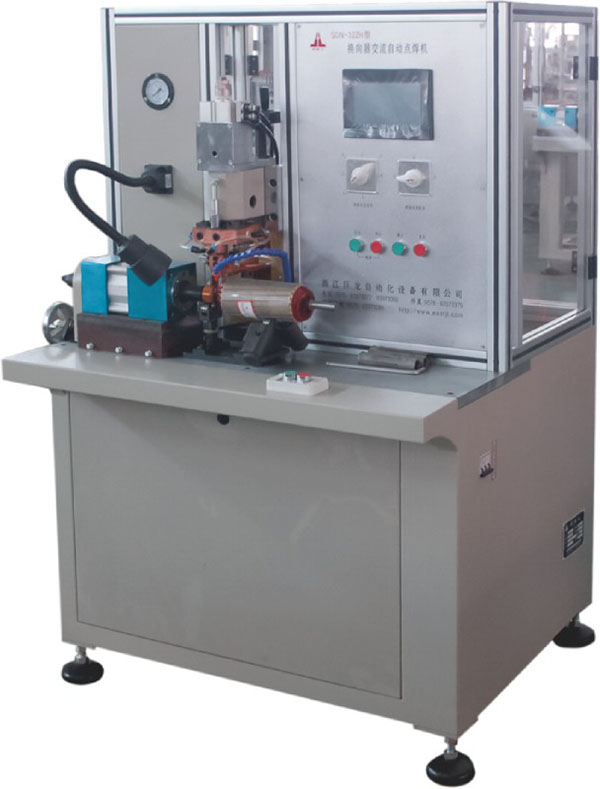
Operating a 60,000 m² base with over 27 years of specialized manufacturing experience, Zhejiang Rilvo Automation provides Cologne and European Tier-1/Tier-2 electromechanical assemblers with direct-engineered commutator spot welders, three-servo armature winders, and turnkey starter motor production lines built to strict ISO9001 and CE norms.
Situated in the nearby Rhineland-Palatinate and North Rhine-Westphalia perimeter, Dalex represents regional German mechanical engineering excellence, specializing in custom automated resistance welding cells and high-duty automotive powertrain spot welders used across the Cologne-Bonn industrial basin.
Renowned for industrial resistance welding tongs and robotic integration, Düring supplies specialized welding modules adaptable to micro-welding tasks, hook fusing, and high-precision spot joints within German industrial manufacturing environments.
While historically renowned for ultrasonic metal welding of battery tabs and harness terminals, Schunk provides specialized joining technologies to Rhine-Ruhr Tier-1 manufacturers requiring zero-thermal degradation copper-to-copper bonds across electric motor sub-assemblies.
A premier developer of medium-frequency welding inverters and resistance adaptive controllers, Harms & Wende delivers the core current modulation brains utilized in premium commutator fusing setups across industrial automation corridors in North Rhine-Westphalia.
Operating a strong technical service hub in Germany, Amada Weld Tech supplies micro-resistance welding heads, reflow soldering tools, and high-frequency commutator hot staking machines to automotive electronics facilities throughout western Germany.
Located in the Rhineland region, NIMAK provides premium automated resistance welding systems and high-precision spot gun stations engineered to meet the highest safety, repeatability, and cycle time benchmarks of major automotive OEM facilities.
ARO delivers intelligent servo-actuated resistance welding modules and energy-efficient controllers designed for integration into specialized turntable or linear indexed commutator processing stations in automotive auxiliary manufacturing.
Though primarily famous for heavy thermal cutting, Kjellberg’s custom joining and electrical system engineering networks provide engineering consultation and power components for specialized thermal metalworking across German industrial plants.
Bridging Chinese precision tooling manufacturing directly with Cologne logistics hubs, Rilvo’s dedicated European export channel supplies bespoke tooling sets, hot staking fixtures, and remote commissioning to plants looking to reduce capital equipment investment without sacrificing repeatability.
How the automotive, precision electric tool, and micromobility clusters in North Rhine-Westphalia are transforming commutator welding requirements.
The Cologne metropolitan region houses major automotive manufacturing lines, drivetrain engineering centers, and tier-1 sub-assembly plants. The local demand for high-reliability DC motors—such as wiper systems, window lifters, starter armatures, cooling fans, and seat adjustment drives—requires automatic spot welders capable of handling multiple wire gauges without frequent recalibration.
German professional power tool manufacturers demand armatures capable of sustaining severe vibration and thermal overloads up to 200°C. Commutator hook fusing on machines such as the SDN-32ZH provides molecular bonding with zero cold welds, ensuring that heavy-duty rotary hammers, angle grinders, and circular saws produced in North Rhine-Westphalia pass rigorous endurance lifespans.
Across Cologne's smart manufacturing initiatives, standalone machinery is being superseded by networked cells connected via OPC UA and Profinet protocols. Spot welding machinery must now record weld current, voltage, electrode displacement, and thermal signatures for every single commutator hook, enabling complete digital twin traceability for audits and ISO/TS certifications.
Rooted in engineering integrity since 1998, Zhejiang Rilvo Automation Equipment Co., Ltd. delivers direct factory capabilities, end-to-end quality control, and field-proven reliability.
Headquartered in the Shatianyang Development Zone of Sanmen, Taizhou, our massive facility includes 20,000 m² of operational workshops and 30,000 m² under expansion, housing over 150 dedicated machining units.
Guided by our president and chief engineer—honored with the National Knowledge-Worker Model Award—our 36-member R&D team holds 17 national invention and utility patents covering motor automation.
Every commutator welder and winding machine is assembled, wired, and calibrated under rigorous ISO9001 quality systems and China Compulsory Certification (3C), supported by onsite third-party supplier verifications.
With 30% of machinery exported worldwide under FOB, CFR, CIF, and EXW terms, we run customer-supplied sample commutators and armatures before dispatch, providing full video validation and remote commissioning guidance.
Technical and commercial answers addressing common engineering hurdles faced by European plant managers and procurement specialists.