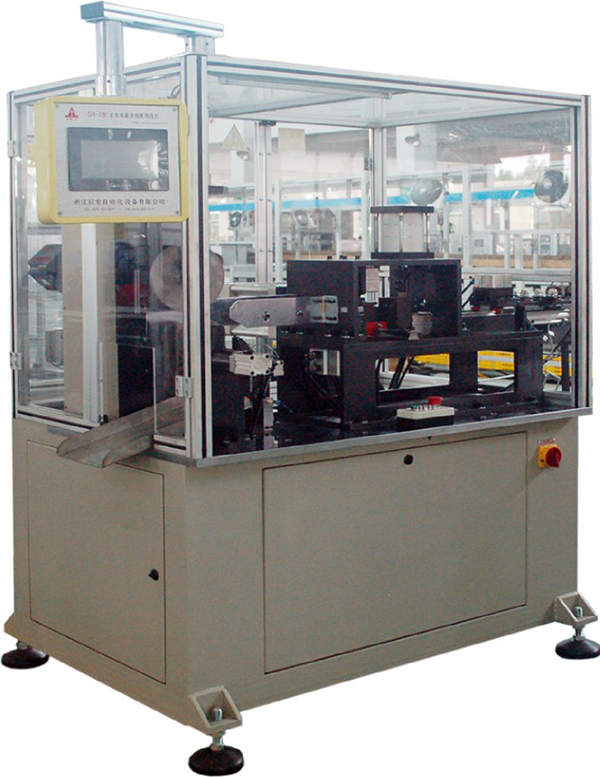
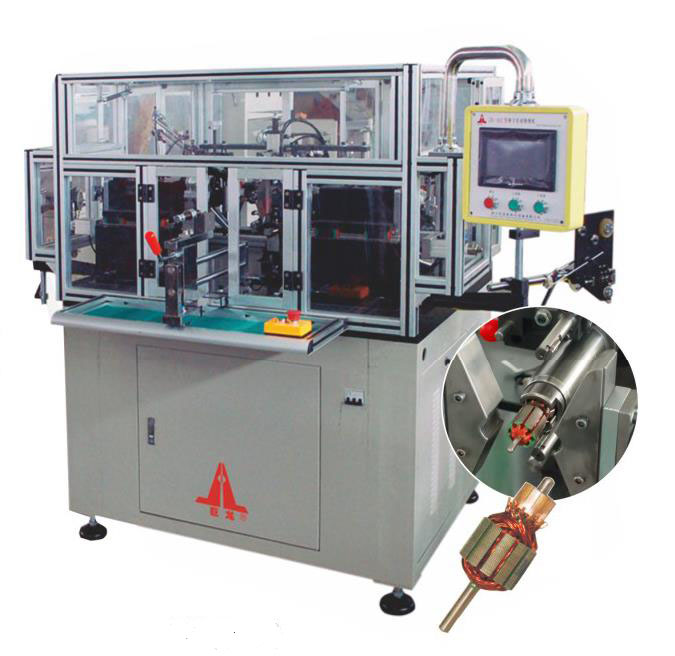
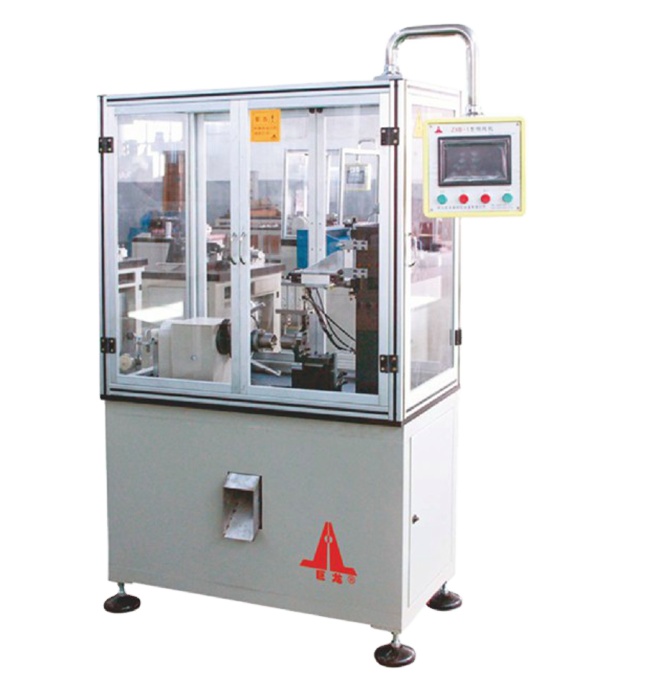
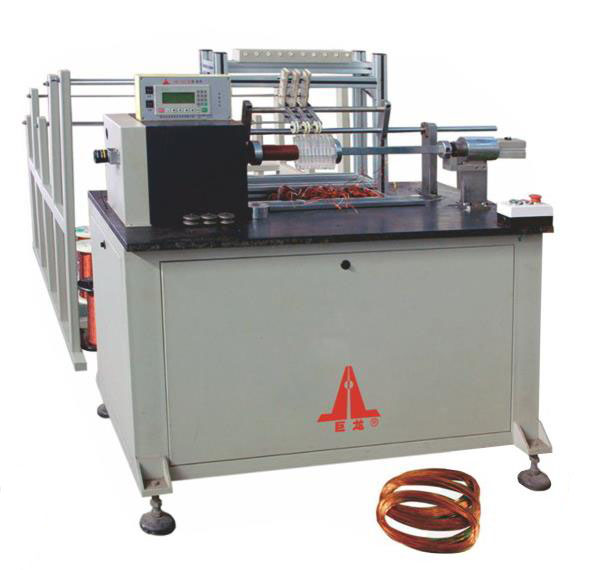
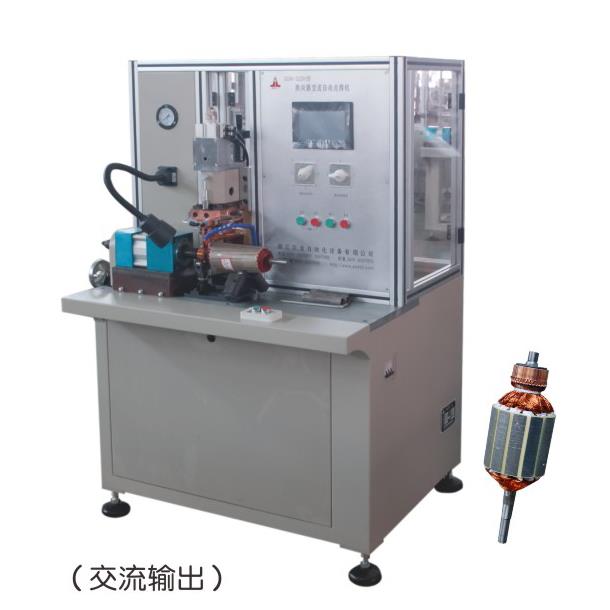
Tailored for high-specification electric motors, micro-drives, alternators, and e-mobility powertrains.
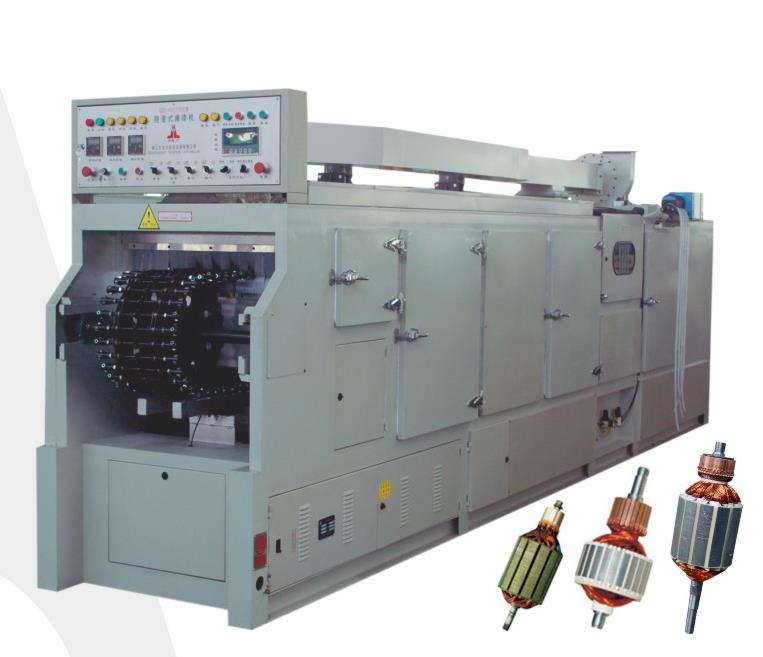
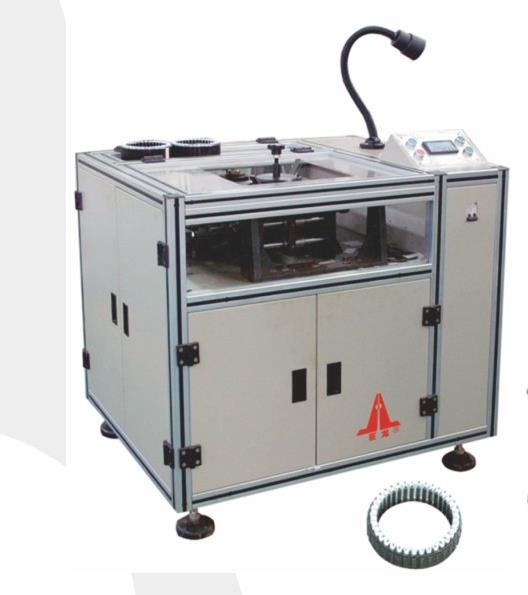
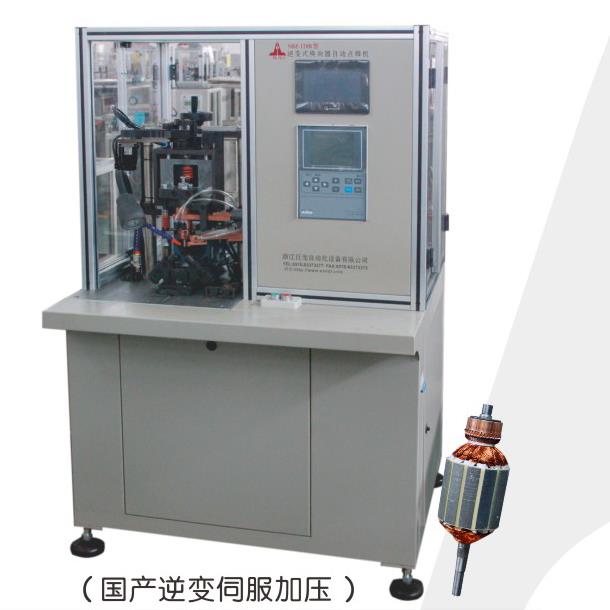
The Swiss manufacturing sector is globally acknowledged as the gold standard for micro-engineering, high-density electromechanical drive systems, medtech robotics, and premium industrial automation. When Swiss Tier-1 suppliers and equipment integrators in cantons like Zurich, Aargau, Vaud, and St. Gallen evaluate motor production equipment, standard off-the-shelf machinery rarely qualifies. The requirement centers on micrometer-level mechanical concentricity, deterministic multi-axis servo coordination, and low partial discharge winding integrity.
Sourcing an automated motor assembly line—whether covering slot insulation, hairpin forming, high-speed flyer winding, or inverter-based commutator hot-staking—involves evaluating a supplier's core mechanical stiffness, closed-loop tensioning capability, and lifecycle service reliability. Below is an exhaustive industry briefing reviewing the Top 10 assembly line manufacturers and exporters equipped to supply the Swiss precision market.
| Manufacturer / Brand | HQ / Region | Specialization Profile | Swiss Market Suitability |
|---|---|---|---|
| Zhejiang Rilvo Automation | China (Sanmen Campus) | Turnkey stator/rotor lines, precision winding, trickle impregnators, spot welders | High: Custom R&D tooling, OEM/ODM flexibility, ISO9001 certified, short ROI cycles |
| Aumann AG | Germany / Europe | High-volume automotive e-mobility hairpin winding lines | High: Strong presence in European automotive, premium capital expenditure tier |
| Komax Group | Switzerland (Dierikon) | Automated wire processing, harness fabrication, and terminal fusing | Native: Swiss domestic leader in precision wire manipulation systems |
| Marsilli S.p.A. | Italy / Global | Precision coil winding machines and assembly automation for fine wire | High: Widely adopted in medtech, micro-relays, and specialized solenoid lines |
| Statomat GmbH | Germany | Heavy-duty stator manufacturing, inserting, and lacing technologies | High: Preferred for medium-to-large high-torque industrial servomotors |
| Odawara Engineering | Japan | Ultra-high-speed flyer winding and automotive motor assembly lines | Moderate to High: Established technical pedigree, high tooling replacement lead times |
| Team-Technik (Dürr) | Germany | Assembly and functional testing systems for e-drives and medtech drives | High: Extensive modular test cell integrations and cleanroom automation |
| Schuler Group | Germany | Lamination stamping, core stacking, and motor core bonding lines | Moderate: Specialized at the raw core stacking phase of production |
| Nidec Automation | Japan / International | Integrated motor assembly lines from sub-fractional to drive traction | Moderate: Broad platform deployment with standardized equipment frameworks |
| Meto-Fer Automation | Switzerland | Linear transfer components, modular assembly stations, pick-and-place | Native: Specialized in micro-handling modules rather than complete winding lines |
Assembly automation supplied into Switzerland must respect distinct application ecosystems. Swiss machinery and electrical engineering sectors (MEM industries) command specialized manufacturing tolerances:
Autonomous surgical drills, infusion pumps, and prosthetic drives built in western Switzerland require miniature slotless stator winding, sub-0.08mm wire processing, and zero-spatter commutator micro-welding via inverter controls.
Ultra-miniature stepper and brushless drives powering automated instrumentation and watchmaking equipment demand nanometer-class balancing and low mechanical stress coil insertion.
Collaborative robotics clusters in Zurich and Lausanne specify high copper fill factor stators using flat copper wire winding (hairpin techniques) and automated trickle varnishing for maximum thermal dissipation.
Swiss manufacturers face elevated domestic labor rates and stringent environmental legislation. In response, capital expenditure on motor assembly equipment is governed by three major market transitions:
Moving from conventional round wire to rectangular flat copper wire dramatically increases slot fill factors above 72%, mitigating heat losses and enabling compact footprints for EV and robotic drives.
Every winding turn, wire tension curve, and spot weld resistance signature must be logged in real-time. Equipment without high-frequency data logging and MES integration cannot clear Swiss supplier audits.
Strict VOC and hazardous material directives (Swiss Chemical Risk Reduction Ordinance - ORRChem) necessitate automated horizontal trickle varnishing lines that eliminate emissions and ensure targeted resin deposition.
Established in 1998, Zhejiang Rilvo Automation Equipment Co., Ltd. has established itself as an engineering authority in the development of specialized motor manufacturing solutions, commutator welding equipment, electric mobility testing benches, and electrostatic powder coating automation. Operating from an expansive industrial base spanning nearly 60,000 square meters in the Shatianyang Development Zone of Sanmen (Zhejiang, China), Rilvo combines structural casting, CNC machining, electrical harness integration, and software development under one roof.
Led by a visionary presidency decorated with national honors for knowledge-worker models, Rilvo maintains an in-house R&D corps of 36 dedicated electromechanical engineers. With over 17 registered national patents, ISO9001 certified quality administration, and official High and New Technology Enterprise credentials, Rilvo delivers customized motor assembly equipment matching the stringent expectations of European and Swiss production environments.
Direct adaptation of tooling to complex lamination profiles, varied slot geometries, and demanding wire cross-sections with rapid engineering turnaround.
Every assembly line undergoes continuous trial dry-runs and live-part validation with client-supplied laminations and armatures, complete with high-definition video acceptance.
Full support for EXW, FOB Ningbo, CFR, and CIF Basel/Zurich incoterms, including multimodal logistics documentation, CE compliance, and multi-language electrical schematics.
All exported machinery is constructed in strict adherence to the European Machinery Directive (2006/42/EC) and Low Voltage Directive (2014/35/EU). Control cabinets utilize globally certified switchgear (Schneider, Siemens, or Omron) configured for Swiss three-phase 400V/50Hz power grids.
Yes. Our engineering department develops PLC frameworks featuring open architecture Ethernet/IP, Profinet, and OPC UA protocols, allowing bilateral communication with plant-level SCADA systems for complete lot traceability.
Before leaving our Sanmen base, the line is calibrated using your physical stator and rotor samples. We verify cycle times, concentricity, weld shear strength, and insulation resistance under live test conditions. Full data dossiers and multi-angle recordings are supplied for sign-off.
Each unit ships with an essential spare-parts kit and documented wear-part schematics. We provide direct remote diagnostic access via encrypted secure gateways, while mechanical wear components can be dispatched via air freight within 48 to 72 hours.
Forward your motor drawings, slot configurations, wire specifications, and planned takt times. Receive a full technical configuration and formal process layout tailored to your facility.