


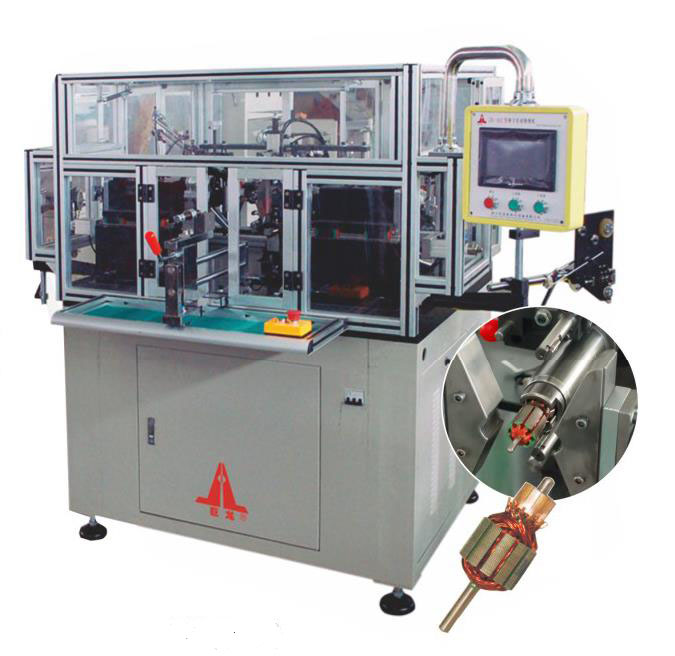
Engineered for precise slot insulation, copper wire winding, coil inserting, spot fusing, and trickle varnishing across European industrial standards.
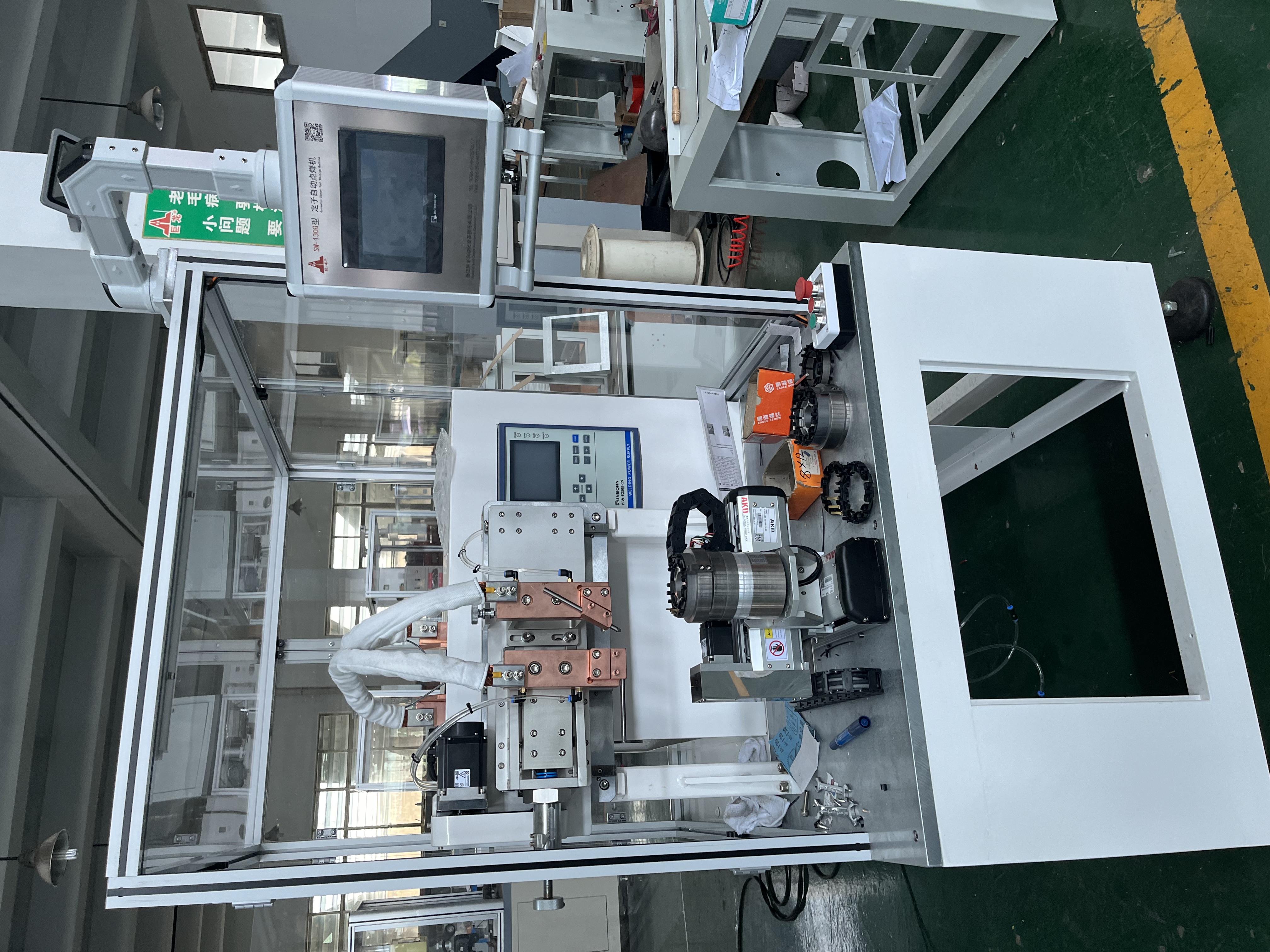
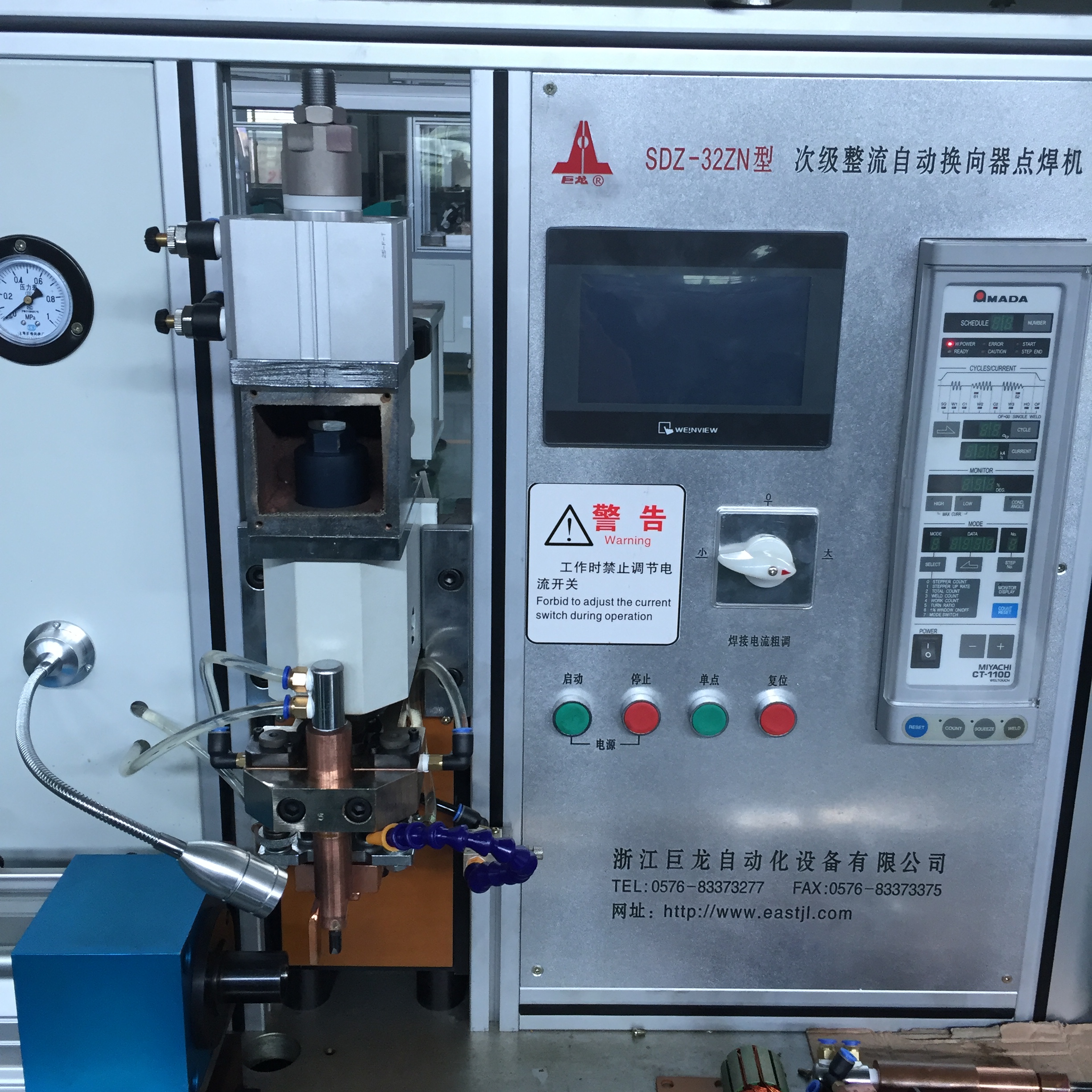
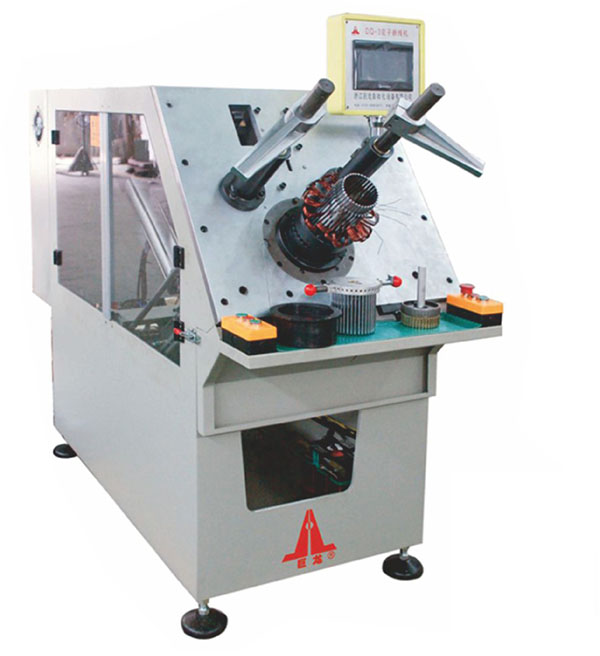
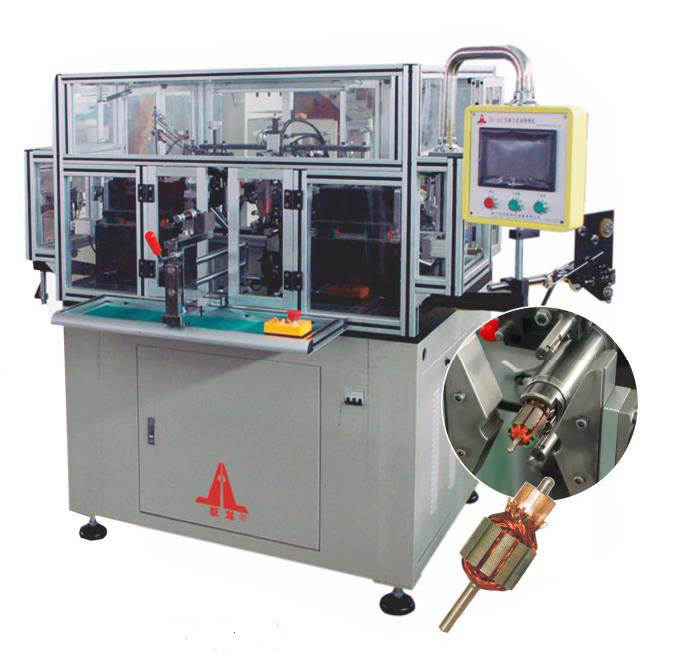
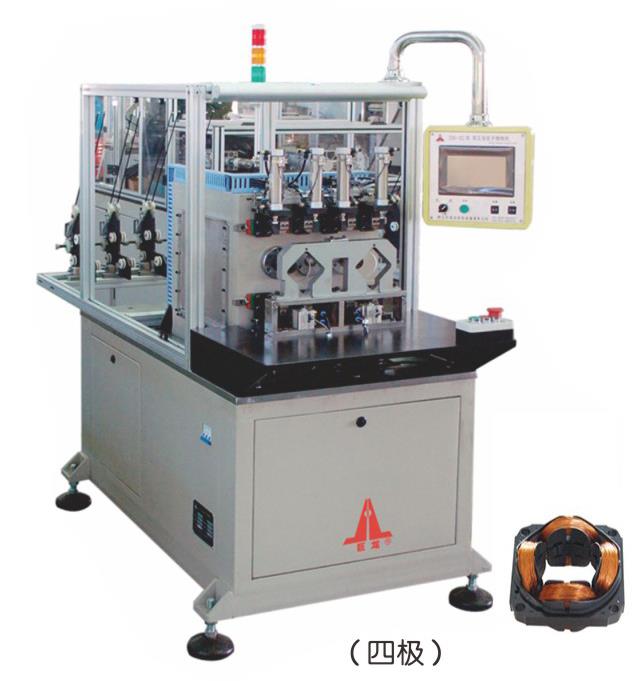
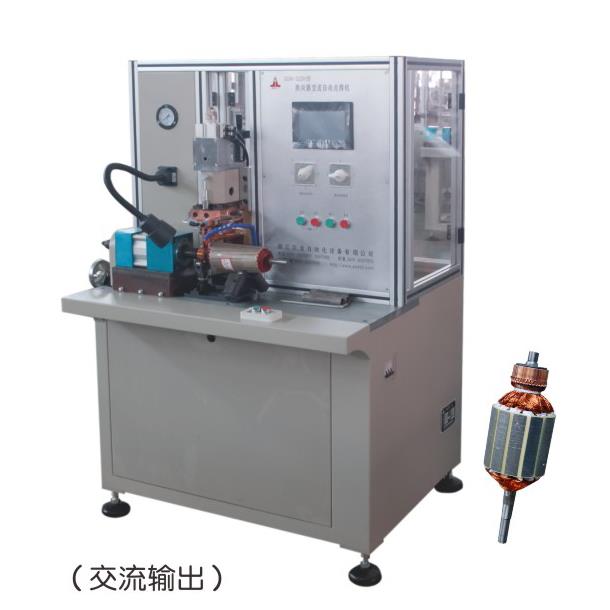
The manufacturing and industrial landscape in Latvia and the wider Baltic region is experiencing a notable transformation. Driven by stringent European Union climate mandates, rising domestic energy efficiency targets, and the revitalization of heavy industrial, agricultural, and commercial transportation sectors, the demand for precision alternator stators has surged. Whether destined for heavy-duty commercial vehicle alternators, wind power micro-generation units, naval auxiliary systems, or electrified rail networks in Riga, Liepāja, and Daugavpils, alternating-current (AC) generators require modern production methodologies to deliver heightened energy density, reduced harmonic distortion, and structural resilience against harsh Nordic thermal cycling.
Historically, small-to-medium electrical remanufacturers and original equipment manufacturers (OEMs) across Latvia operated on semi-manual rewinding desks or legacy hydraulic coil pulling stations. However, rising labor costs and the stringent requirements of ISO9001 and IATF 16949 standards have accelerated the adoption of automated alternator stator production lines. Zhejiang Rilvo Automation Equipment Co., Ltd. supplies high-precision, fully automated and semi-automated production lines tailored directly to the specific batch runs, variable lamination profiles, and high mix/low volume (HMLV) operational parameters common among Latvian manufacturing enterprises.
Automated feeding, cutting, creasing, and insertion of Nomex, DMD, or polyester film into alternator stator core slots, eliminating short-circuit flashover risks in cold Baltic environments.
Servo-driven tooling arrays pull copper enamel coils and push slot insulating wedges simultaneously into the lamination stack, maintaining zero copper deformation and zero insulation damage.
Hydraulic pre-forming, multi-needle continuous diamond lacing, and secondary cold-press shaping ensure compact end-turn dimensions to fit tight alternator housings in automotive and rail platforms.
The deployment of Rilvo’s alternator stator manufacturing technology spans several vital sectors within Latvia's industrial ecosystem:
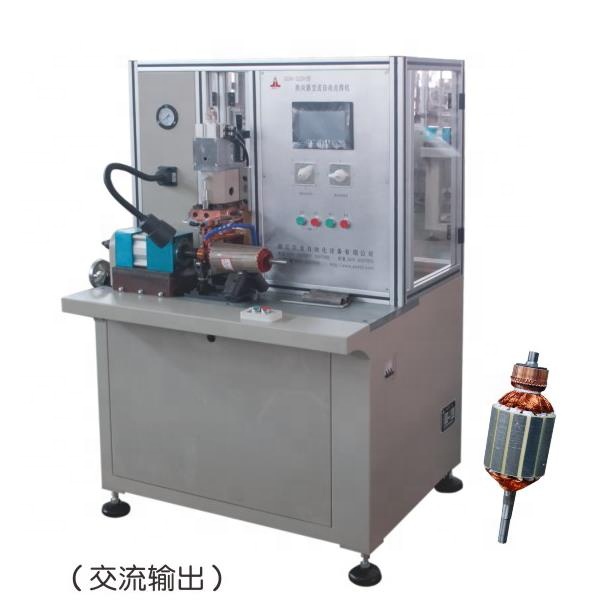
1. Automotive Aftermarket Remanufacturing & Heavy Fleet Support: Riga and Jelgava host critical hubs for automotive starter and alternator rebuilders serving the Baltic and Scandinavian logistics corridors. Our automated coil insertion lines and SDN-32ZH hook fusing machinery allow local remanufacturers to re-stator 12V and 24V commercial vehicle alternators (e.g., for Scania, Volvo, and MAN fleets) with original OEM tolerances, cutting cycle times from 45 minutes of manual labor down to 90 seconds per unit.
2. Renewable Energy & Off-Grid Wind Generation: Latvia’s coastal stretches and inland rural development programs are investing in micro-wind turbine generators and off-grid permanent magnet alternators. Rilvo's wave winding machines (Model 4-BL-1) and energy-storing pulse magnetizing equipment enable Baltic engineering workshops to wind customized high-pole count stators with thick rectangular copper wire, optimizing electromagnetic efficiency even in turbulent low-velocity wind regimes.
3. Maritime Electrification & Auxiliary Power: Centered around the freeports of Ventspils, Liepāja, and Riga, marine repair yards service specialized coastal trawlers, tugboats, and naval auxiliary generators. Alternator stators operating in salt-mist marine environments require exceptional dielectric properties. Rilvo's horizontal trickle impregnation systems (DQ-226/100) automate resin penetration deep into slot cavities, eliminating air pockets and preventing premature insulation breakdown caused by ambient Baltic marine humidity.
The Latvian market for alternator and electric motor manufacturing is governed by three macro trends that determine long-term purchasing strategy for local plant engineers:
Transition Toward Hairpin Flat-Wire Stators: Similar to Western European automotive tier-1 plants, Baltic manufacturers are evaluating the shift from round enameled wire to rectangular flat copper wire (hairpin technology). Hairpin designs increase the slot fill factor from 45% to upwards of 70%, yielding superior power output for smaller generator volumes. Rilvo's Model 5-SC-2B flat wire automatic shaping machine provides an accessible entry point for Baltic factories seeking to upgrade their tooling without incurring multimillion-euro European system integration costs.
Integration of Industry 4.0 Traceability in EU Supply Chains: As Latvian component fabricators supply sub-assemblies to Germany, Sweden, and Finland, buyers demand slot-by-slot quality tracking. Modern Rilvo stator production lines feature Siemens or Mitsubishi PLC architectures with Ethernet/IP interfaces, tracking wire tension, insertion force curves, and spot-weld millivolt drop values, archiving each manufactured stator's digital signature for ISO auditing.
Green Deal Energy Auditing: Latvian plants must comply with EU energy directives. Our latest generation stator production lines integrate regenerative servo motors, reducing electrical consumption during rapid indexing cycles by up to 28% compared to traditional pneumatic or mechanical-cam mechanisms.
Operating a 60,000 m² industrial manufacturing campus in Sanmen, Zhejiang, with over 150 dedicated machine tools, eliminating middleman trading markups and ensuring strict component control.
Recognized High and New Technology Enterprise in Zhejiang Province holding 17 national patents and complete CE-compliant safety enclosures for European factory floors.
Led by a national model knowledge-worker award winner, our technical team engineers custom winding shoes, insertion fingers, and expanding mandrels precisely matched to your stator drawings.
Every custom line is test-run with your supplied stator laminations and magnet wire. High-definition video trials and complete micrometer slot inspection reports are approved prior to export.
Seamless logistics and technical integration for buyers located in Riga, Liepāja, Jelgava, Ventspils, and Daugavpils.
Clear engineering and commercial answers to simplify your equipment acquisition process.
Our engineering protocol requires your CAD drawings (.DWG, .DXF, or 3D STEP) detailing slot dimensions, lamination outer/inner diameter, stack height, and wire gauge. Our 36-member engineering department generates bespoke CNC toolpaths for pushing needles, insertion blades, and wedge guides. Before shipping, we require sample laminations to conduct full test winding runs.
Yes. Our stator winding and coil inserting machines utilize hard-chromed, mirror-polished guides, tungsten carbide nozzles, and pneumatic closed-loop dynamic tensioning systems. This architecture prevents enamel scuffing, micro-abrasions, and stretching, maintaining high dielectric breakdown voltage across all phases.
Standard individual machines (such as our DB-5C winder or SDN-32ZH welder) generally require 30 to 45 calendar days. Turnkey multi-station automated lines take 60 to 75 days. Ocean shipping from Ningbo or Shanghai Port to the Port of Riga averages 35 to 42 transit days. All equipment is sealed with anti-rust vapor barrier foil inside robust export fumigated crates.
Each unit is shipped with an essential 2-year wear-parts package (winding needles, insertion blades, pneumatics, and heating electrodes). Our machines integrate globally accessible industrial components—including Schneider electrics, Omron sensors, and SMC pneumatics. Remote diagnostic modules allow our technical team to troubleshoot PLC software online within hours.
Consult with our senior equipment application engineers. Share your stator lamination drawings, coil specifications, and daily production targets for a comprehensive technical layout and direct quotation.