Precision-engineered automated systems tailored for automotive starter motors, BLDC micro-rotors, alternator stators, and heavy-duty industrial electric armatures.
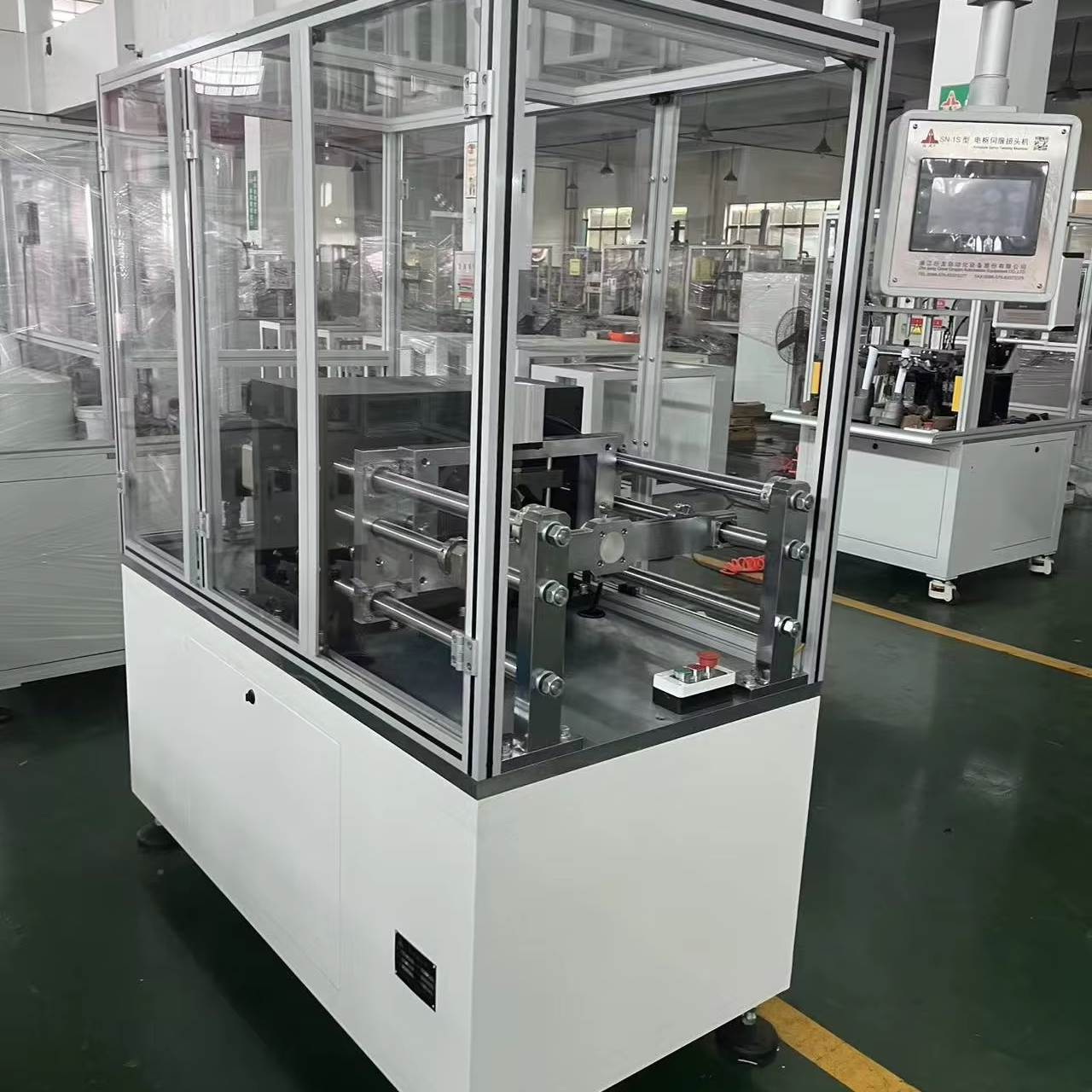
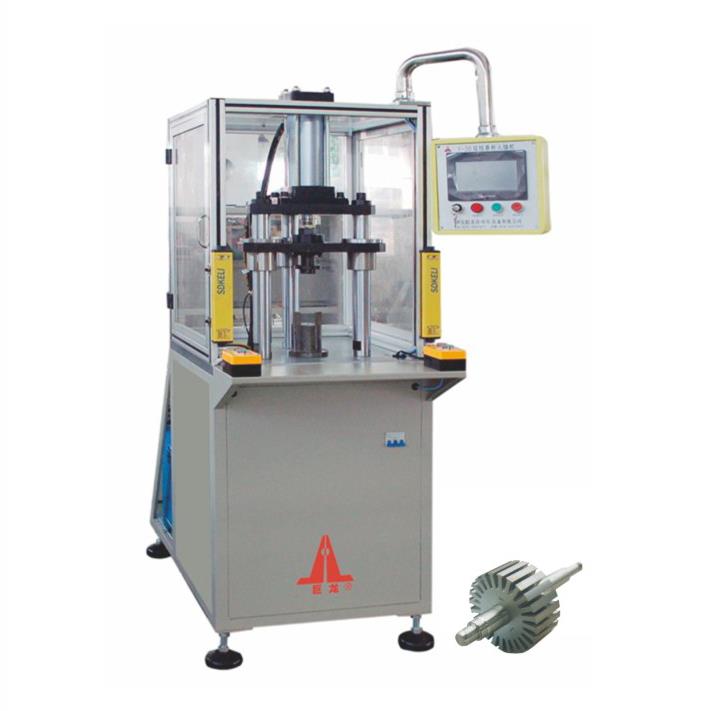
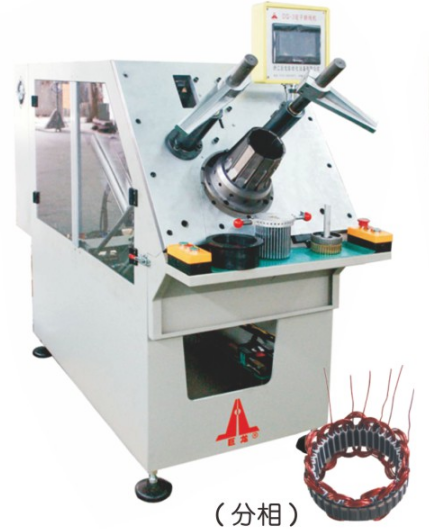
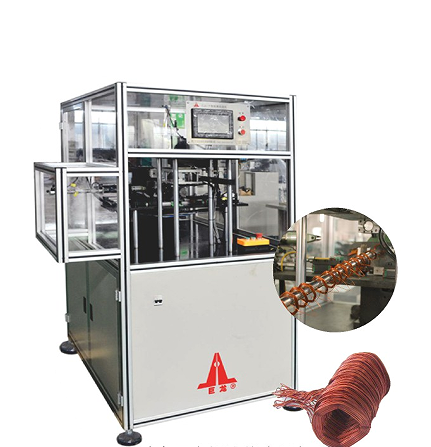
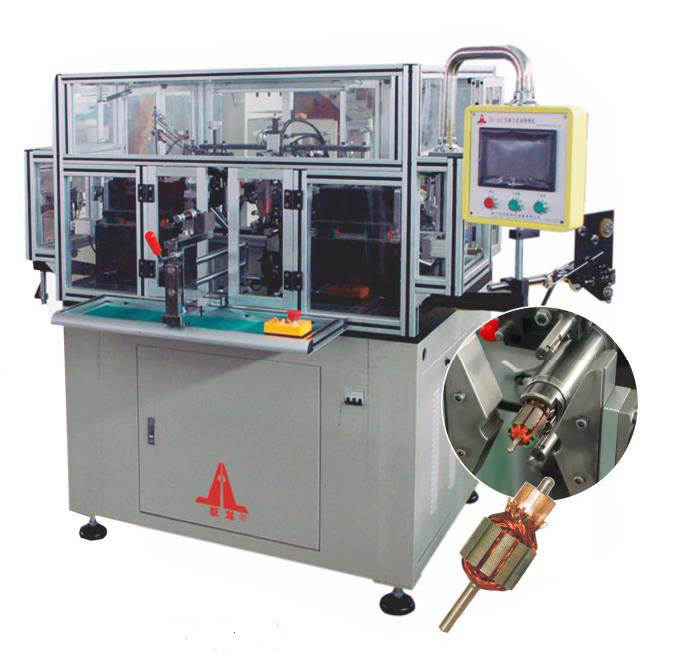
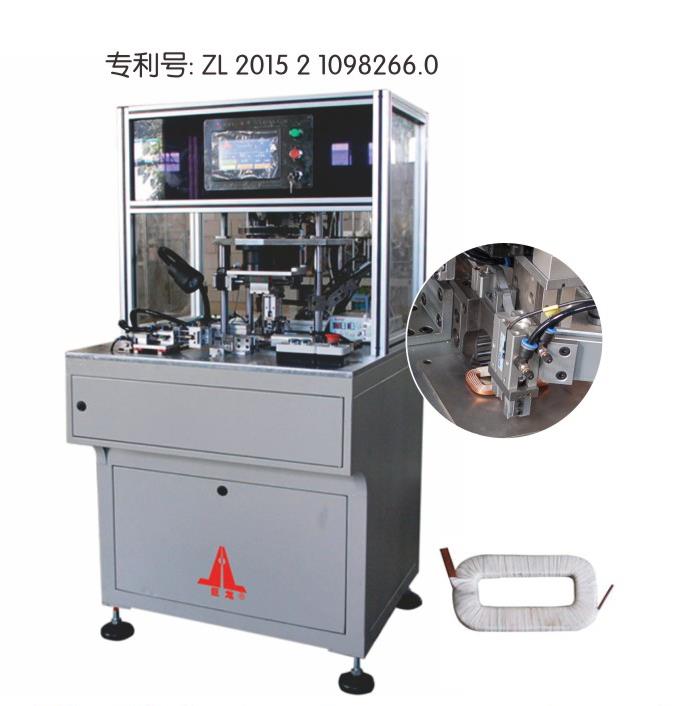
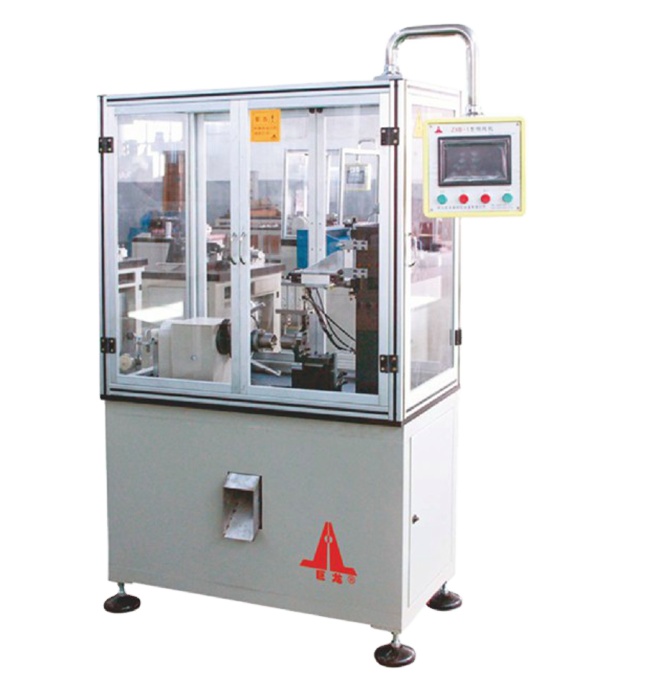
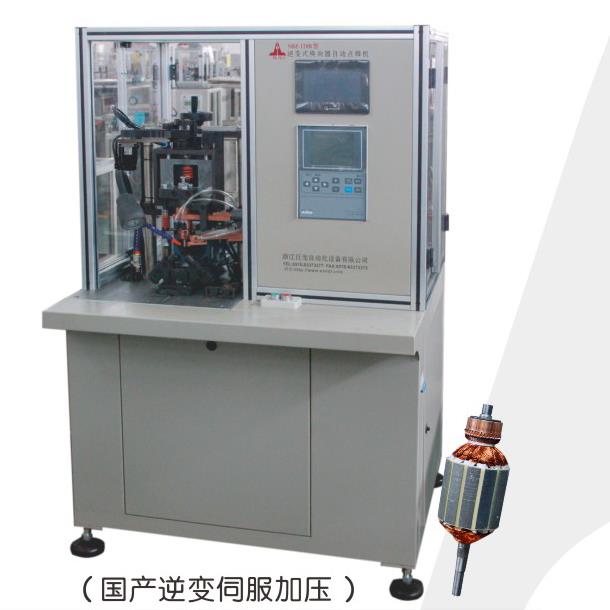
In modern electromagnetic component assembly, the rotor winding line stands as the critical bottleneck determining final motor power density, thermal endurance, and NVH (Noise, Harshness, and Vibration) performance. Industrial motor procurement teams evaluating the top 10 rotor winding line factories face an industry undergoing unprecedented transition: the shift from legacy round-wire random winding towards precision-regulated flyer winding, needle-guided slot placement, and flat-copper hairpin forming architectures.
A turnkey automated rotor production line integrates several sequential cells operating under tightly closed-loop feedback: core shaft lamination pressing, slot insulation paper inserting, high-speed dynamic armature flyer winding, wire end twisting/hooking, hot-stake or intermediate-frequency inverter commutator spot welding, dynamic dual-plane balancing, and trickle impregnation resin curing. Selecting an equipment partner requires assessing their precision tooling fabrication capabilities, internal CNC tolerance controls, and embedded servo control architectures.
Strategic manufacturing directors are no longer purchasing isolated, standalone winding stations. Procurement specifications across tier-1 automotive suppliers, HVAC compressor manufacturers, and industrial power tool OEMs highlight five distinct technological trends shaping supplier roadmaps from 2025 through 2030:
High-mix low-volume production schedules require tooling swap-outs under 15 minutes. Advanced supplier lines integrate magnetic fixture locators, digital micrometer readouts, and automated recipe recall for armature stack diameters ranging from 18 mm to 120 mm.
Active closed-loop servo tension controllers replace traditional mechanical hysteresis brakes. Real-time strain monitoring guarantees magnet wire tension within ±0.05 N, preventing micro-cracking of enamel coating on ultra-fine or rectangular conductors.
Automated lines now deploy 100% in-line bar-to-bar commutator resistance measurement, weld depth displacement tracking, and optical slot insulation defect validation integrated with MES via OPC-UA/MQTT protocols.
The engineering taxonomy of rotor winding equipment has progressed through three fundamental generational shifts:
First-Generation Mechanical Linkage Systems: Historically, armature winders utilized synchronous gearboxes and mechanical cams to coordinate flyer rotation with armature indexing. While robust, these systems suffered from mechanical backlash, fixed winding patterns, prolonged mechanical changeover cycles, and accelerated wire wear at elevated speeds (>2,500 RPM).
Second-Generation CNC Electronic Gearing: The introduction of multi-axis servo drives allowed independent programmability for the dual flyer spindles, armature indexing chuck, and wire clamp/hook assemblies. This phase allowed custom winding programs (e.g., straight, skewed, and reverse-wound coils) while significantly decreasing mechanical maintenance.
Third-Generation Smart Hairpin and Continuous Flat-Wire Lines: Today's state-of-the-art rotor manufacturing incorporates flat rectangular conductors. As exemplified by Rilvo's continuous developments in flat-wire shaping and specialized commutator fusing, modern equipment accommodates wire with high aspect ratios, extreme thermal endurance ratings, and superior thermal dissipation properties necessary for EV auxiliary motors, starter-alternators, and high-efficiency industrial servo actuators.
Founded in 1998, Zhejiang Rilvo Automation Equipment Co., Ltd. has established itself as an authoritative leader among global motor production machine builders. Situated in the Shatianyang Development Zone of Sanmen, Taizhou, China, our expansive 60,000 square meter industrial campus combines precision CNC machining centers, automated electrical assembly workshops, and dedicated sample testing labs under a single unified quality management framework.
Over 150 dedicated machine tools produce winding fliers, wire guides, and insertion blades internally, maintaining dimensional tolerances within ±0.005 mm.
Certified to ISO9001 and China Compulsory (3C) standards; recognized as a Zhejiang Province High and New Technology Enterprise holding 17 patents.
Led by nationally recognized knowledge-worker laureates, our 36-engineer R&D team customizes machines directly to customer motor lamination drawings.
Turnkey integration covering stator winding, rotor assembly, trickle resin impregnation, and complete electrostatic coating plants with global export support.
Clear, direct engineering guidance addressing the primary technical and commercial considerations of global equipment buyers.
Submit your stator/rotor lamination CAD drawings, magnet wire specifications, and expected hourly output. Our engineering team will review your parameters and provide a comprehensive process configuration layout and price quotation.


