Top China Stator Coil Lacing Machine Manufacturer & Factory for Havana
Industrial-Grade Stator Coil Lacing, Winding & Automated Insertion Engineering Solutions Configured for Heavy-Duty Operational Realities Across the Greater Havana Industrial Corridor
27+
Years Precision Engineering (Since 1998)
60,000 m²
State-of-the-Art Manufacturing Base
17
National Invention & Utility Patents
100%
Pre-Shipment Trial Run & Video Verification
Automated Stator & Rotor Production Solutions
Precision-engineered, field-tested coil lacing, insertion, shaping, and micro-welding workstations built for uninterrupted, high-uptime motor manufacturing and mechanical rebuilding.
Engineering Precision: The Imperative of Advanced Stator Coil Lacing in Havana's Industrial Ecosystem
In electromechanical remanufacturing and volume motor assembly, the stator coil lacing procedure serves as the structural backbone of electromagnetic reliability. A stator winding that lacks consistent lacing tension, precise end-turn retention, and uniform loop compaction remains vulnerable to high vibration, mechanical abrasion against the core laminations, and premature dielectric breakdown. For operations in Havana and surrounding industrial centers—such as the Mariel Special Development Zone (ZEDM), San José de las Lajas, and the automotive-rebuilding clusters across Havana Bay—electromechanical assets must contend with aggressive environmental stresses. These factors demand equipment that delivers structural integrity without compromise.
Technical Insight: Stator coil lacing machines engineered by Zhejiang Rilvo Automation Equipment Co., Ltd. integrate dual-servo needle traverse mechanics with closed-loop tensioners. This architecture mitigates the micro-abrasions typically inflicted on enamel insulation during manual or legacy pneumatic lacing, ensuring dialectic isolation thresholds exceed 2,500V test requirements even in high-humidity ambient environments.
Challenging Operational Realities: Tropical Salinity, Thermal Cycling, and Line Fluctuations
Industrial machinery deployed across the Caribbean basin operates within a challenging climate: year-round relative humidity exceeding 80%, coastal atmospheric salinity, and ambient temperatures that stress standard electrical control cabinets. Furthermore, power quality within industrial districts can experience voltage sag and transient surges. Unprepared automated machinery quickly suffers from PLC lockouts, corroded pneumatics, and burnt indexing drives.
As a seasoned Chinese manufacturer serving international markets since 1998, Rilvo equips its export-grade stator lacing machines with hardened electrical and mechanical subsystems. Our control assemblies feature sealed IP54 enclosures, conformal-coated circuit modules, wide-input inverter controls (compatible with 220V/380V/440V topologies at 50/60 Hz), and industrial-grade air-cooling heat exchangers. We utilize heavy-gauge nodular cast-iron machine bases to absorb high-frequency harmonics during rapid cycle times, preventing frame deflection and maintaining needle clearance tolerances within ±0.03 mm across millions of cycles.
Localized Industrial Applications Across Havana
How Rilvo stator coil lacing, coil insertion, and wedge forming equipment drive operational self-reliance and efficiency across vital Cuban industrial sectors.
Heavy Fleet & Starter/Alternator Remanufacturing
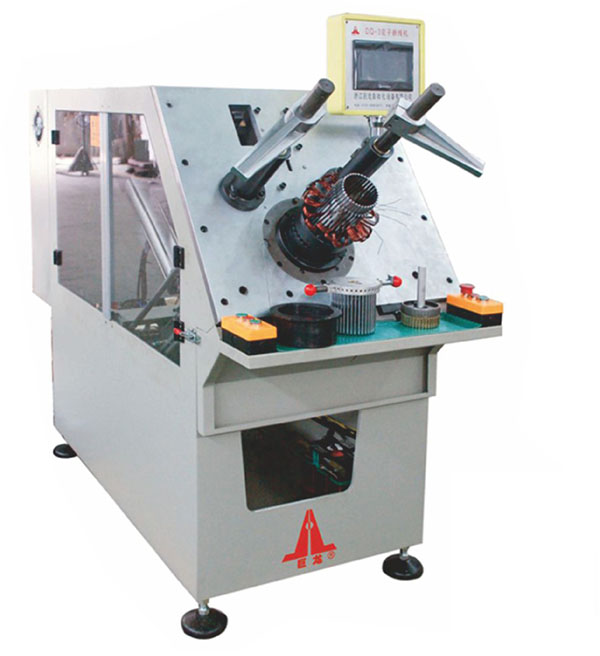
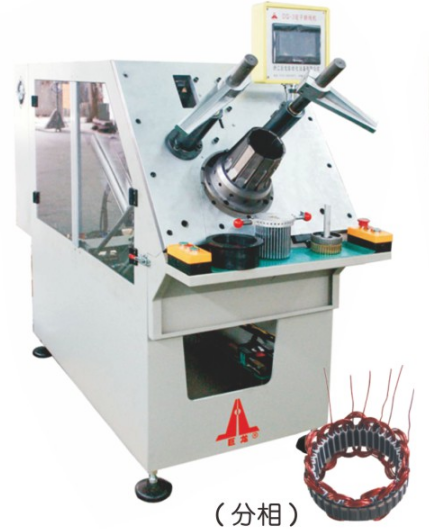
Havana’s extensive public transit, freight corridors, and historic transport fleets rely heavily on the rebuilding of heavy-duty alternators and starter armatures. Rilvo's DFC-1 and DQ-2 series allow workshops to rebuild stators to OEM-level magnetic density, replacing laborious hand-winding with high-speed, uniform coil nesting that resists road vibration.
Heavy centrifugal pumps, irrigation drives, and sugar cane processing motors operating throughout the western agro-industrial network require rapid motor overhaul cycles before peak harvest. Automatic single-end and double-end lacing units lock large-gauge motor end-turns solidly, preventing winding drift caused by high-torque starts.
Electric Light Mobility & BLDC Hub Production
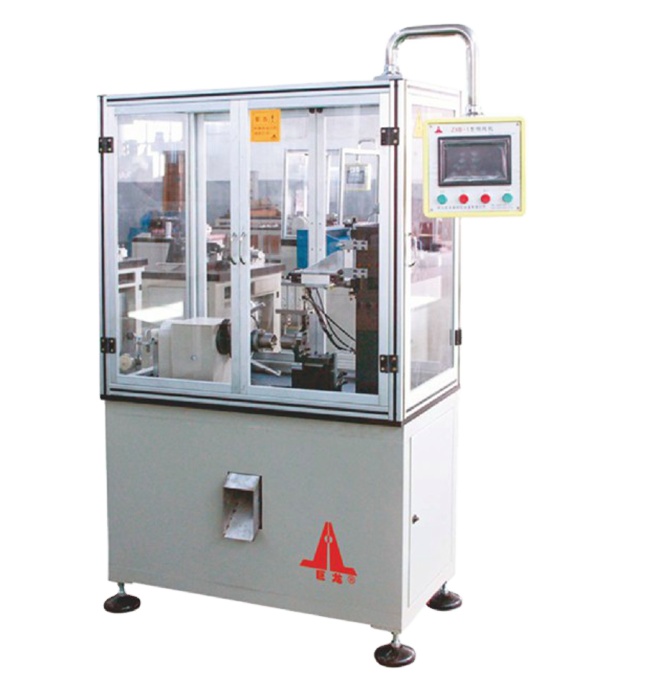
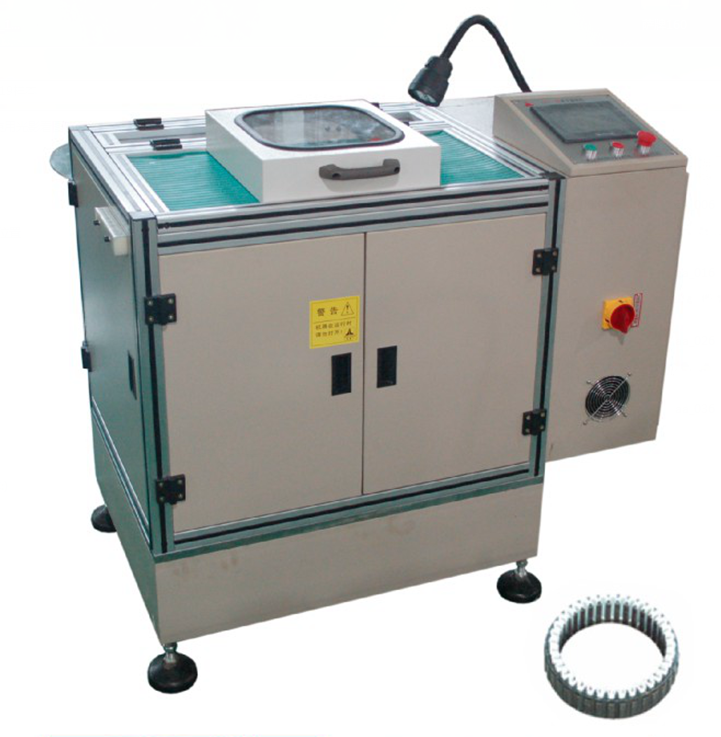
As urban Havana actively expands its adoption of electric scooters, cargo trikes, and e-bicycles, localized manufacturing and rewinding of BLDC hub motor stators has become essential. Rilvo supplies dedicated multi-pole stator winding, slot paper forming, and precision spot-welding machinery specifically tailored for fractional-horsepower BLDC motor designs.
Future-Proofing Havana's Electric Machinery Production: Trends & Upgrades
The manufacturing and motor-maintenance paradigm within Cuba is undergoing a strategic transformation. Plant operators and state engineering enterprises are actively pivoting away from obsolete, high-maintenance machinery toward high-efficiency, multi-programmable automation platforms. This strategic shift is defined by several clear industrial trends:
1. Transition from Manual Lacing to Dual-Axis Servo Coordination: Manual lace tying typically yields variable loop tightness, requiring 40 to 90 minutes per medium-sized industrial stator, with an unpredictable failure rate under dynamic test loads. Modern Rilvo automatic lacing systems complete complete perimeter binding—including slot-by-slot lacing, skip-slot programming, and continuous diamond patterns—in under 18 seconds, ensuring identical wire retention across thousands of units.
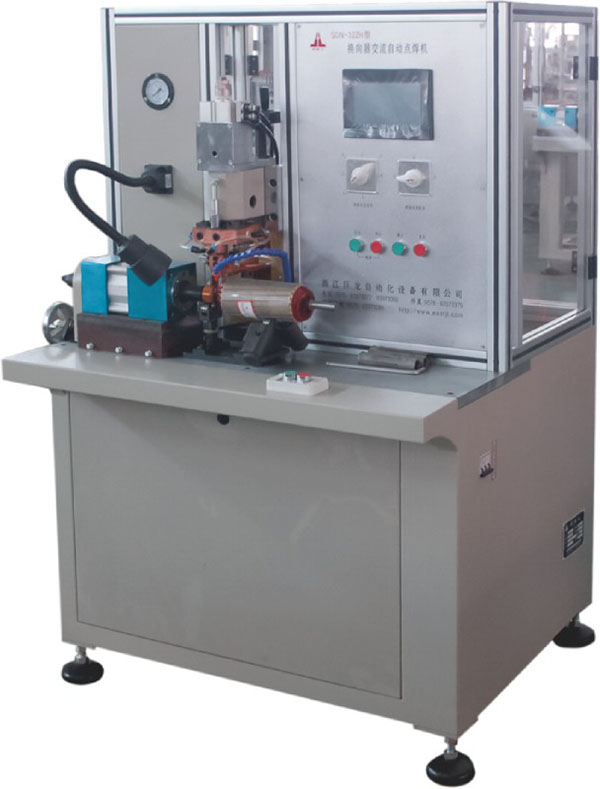
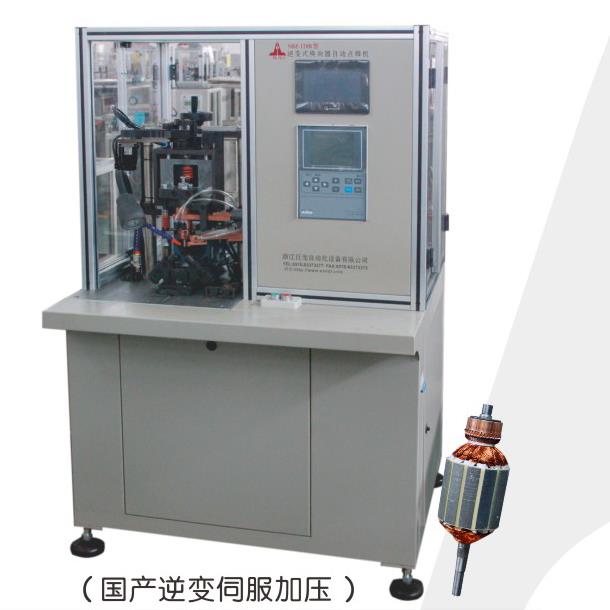
2. Compatibility with Advanced Enamels and Copper-Clad Aluminum (CCA): Due to material availability and cost rationalization, motor remanufacturing operations frequently process alternative conductor geometries. Rilvo's SDZ-130GS inverter spot welders and programmable coil winders feature dynamic micro-gap compensation, ensuring delicate insulation strip-back and reliable fusion without creating crystalline embrittlement in the conductor core.
3. Low Maintenance and Universal Modular Tooling: In import-constrained markets, machinery that requires proprietary, non-reproducible consumables presents a major operational risk. Rilvo constructs machine tooling from standard hardened alloy steels (Cr12MoV, DC53), and designs lacing hooks, needle heads, and guide shoes to be rapidly serviceable or easily reproduced on standard universal toolroom milling and grinding machines.
Why Global Industrialists Partner with Zhejiang Rilvo Automation
Originating in 1998, Zhejiang Rilvo Automation Equipment Co., Ltd. has developed from an engineering tooling workshop into a certified National High and New Technology Enterprise situated within the Shatianyang Development Zone, Sanmen, Taizhou, Zhejiang. Our integrated industrial campus occupies nearly 60,000 square meters, housing more than 150 high-precision CNC machining centers, five-axis milling centers, precision EDM wire erosion workstations, and dedicated testing bays.
36-Member In-House R&D Team
Headed by eight senior engineers, including nationally recognized engineering laureates, our team develops complete mechanical, electrical, pneumatic, and embedded software architectures under one roof.
ISO9001, 3C & 17 Patents
We enforce multi-stage quality verification across raw castings, heat treatment, spindle concentricity, and full-load production trials, backed by 17 proprietary invention and utility patents.
Comprehensive Export Turnkey
Serving Latin America, Eastern Europe, and Southeast Asia under FOB, CFR, CIF, and EXW terms. Every machine undergoes trial runs using your exact stator laminations and wire gauges prior to export crate packing.
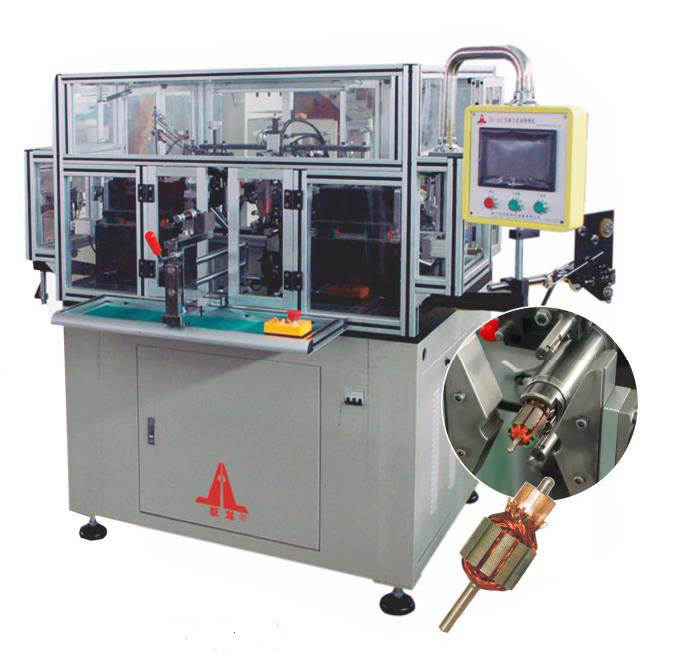
Whether you require a single standalone horizontal stator wedge inserting unit or a turnkey automated production line spanning slot paper forming, coil winding, automated multi-strand inserting, intermediate end-turn expanding, dual-end servo lacing, and automated trickle impregnation (such as our DQ-226/100 system), Rilvo provides end-to-end, drawing-customized manufacturing capabilities.
Havana Procurement & Engineering FAQ
Direct technical answers to common queries regarding electrical configurations, ocean transit, customs documentation, and maintenance logistics for Cuban procurement managers.
Q1: Can Rilvo lacing and winding machines be tailored to non-standard electrical voltages in Havana?
A: Absolutely. While standard domestic Chinese industrial lines utilize 380V/50Hz, our export division custom-configures main drive motors, servo systems, and transformer taps to match your local electrical infrastructure—whether 220V three-phase, 440V 60Hz, or single-phase auxiliary supplies. We also integrate wide-voltage surge suppressors to isolate delicate digital electronics against grid fluctuations.
Q2: What maritime logistics routes and shipping terms are available for shipments to Cuba?
A: Our manufacturing plant is situated approximately 2 hours from the deep-water Port of Ningbo, Zhejiang. We routinely arrange sea freight to the Port of Mariel or Havana Port under CIF or CFR terms, as well as FOB Ningbo/Shanghai. Machines are packed inside moisture-sealed, vacuum-barrier foil wraps with multi-point desiccants and housed within heavy-duty export fumigated wooden crates.
Q3: Can tooling be engineered directly from our existing stator lamination samples?
A: Yes. For over 10 years, our OEM/ODM custom department has specialized in reverse-engineering and custom tooling fabrication. You simply provide your stator CAD/PDF mechanical drawings (inner diameter, outer diameter, stack height, slot count, slot pitch, wire gauge, and turn counts) or send physical sample laminations. We calculate needle throw distances, expander dies, and lacing guides before factory fabrication.
Q4: How does Rilvo ensure remote commissioning and continuous spare parts support?
A: Prior to ocean transit, every unit undergoes continuous production cycling using the customer's specified components. We record multi-angle video proof, documenting timing, tension calibration, and user interface navigation. We supply an emergency spare-parts kit with every machine (extra lacing needles, cutting blades, tension springs, proximity sensors). For operational questions, our English/Spanish-capable export desk provides rapid digital troubleshooting.
Q5: What types of lacing patterns can be programmed into the system?
A: Our multi-axis servo lacing units feature intuitive touch-screen programmable controllers. Operators can configure continuous tight pitch lacing, slot-by-slot retention, single-skip patterns, double-skip patterns, or custom sectional binding tailored around stator lead terminals and thermal sensor mounting points.
Q6: What is the Minimum Order Quantity (MOQ) and standard delivery lead time?
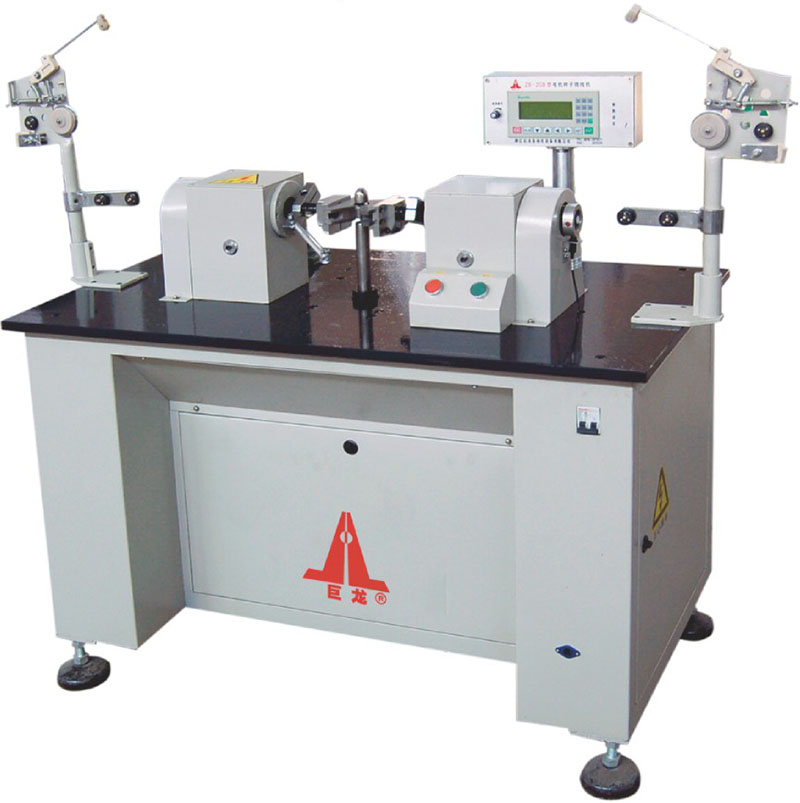
A: The minimum order quantity is exactly 1 unit/set. Lead times for standard standalone machines (such as our ZB-302 wire winders or DFC-1 wedge inserters) range from 20 to 30 days. Custom-tooled stator lacing and multi-station production cells generally ship within 45 to 60 days following formal drawing confirmation and deposit settlement.
Accelerate Your Stator & Rotor Production Capabilities
Connect directly with Zhejiang Rilvo Automation's senior engineering department. Request a detailed process proposal, cycle-time analysis, or a complete technical machinery catalog tailored to your factory's production requirements.