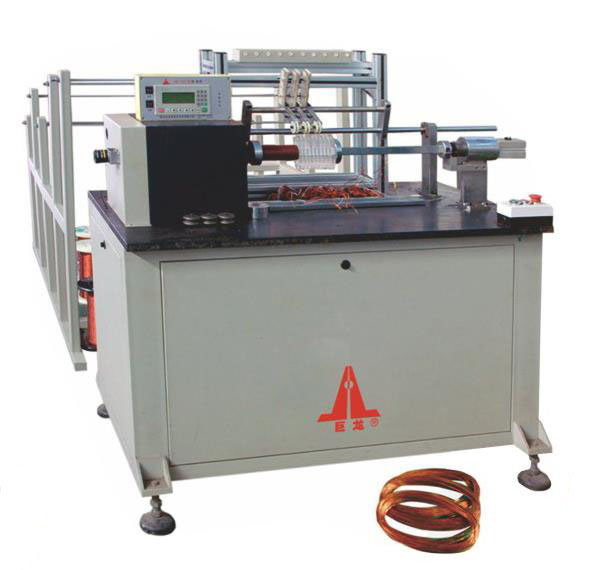
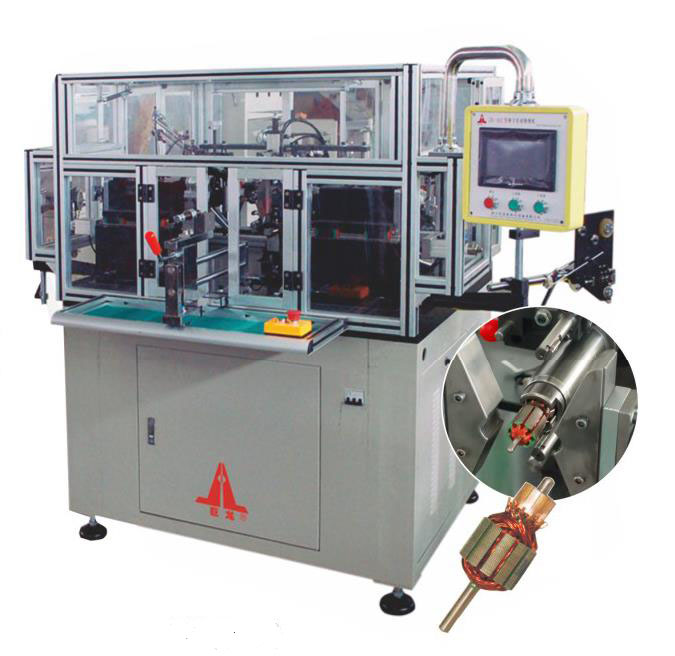
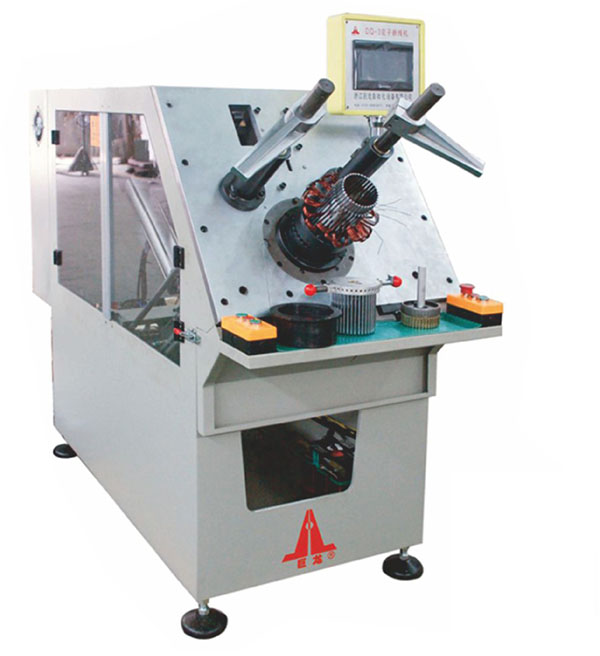
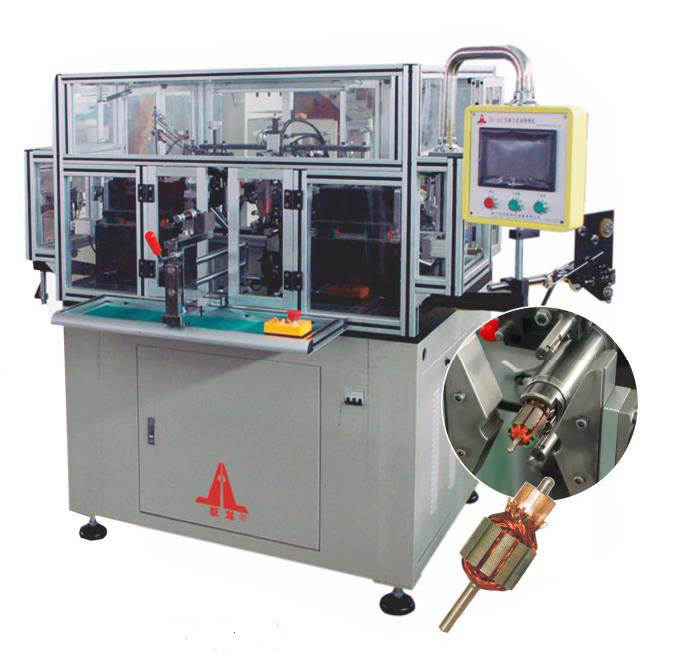
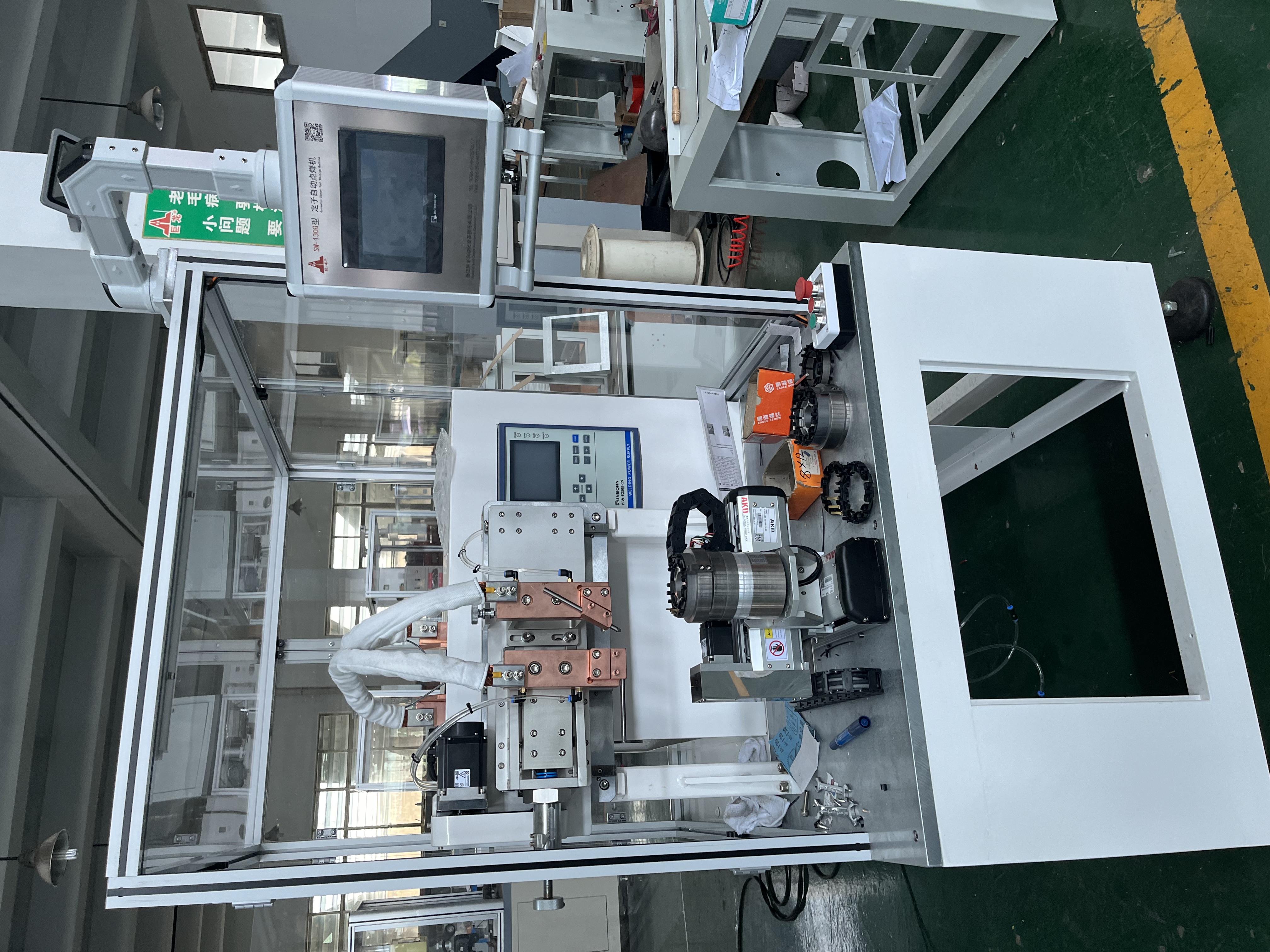
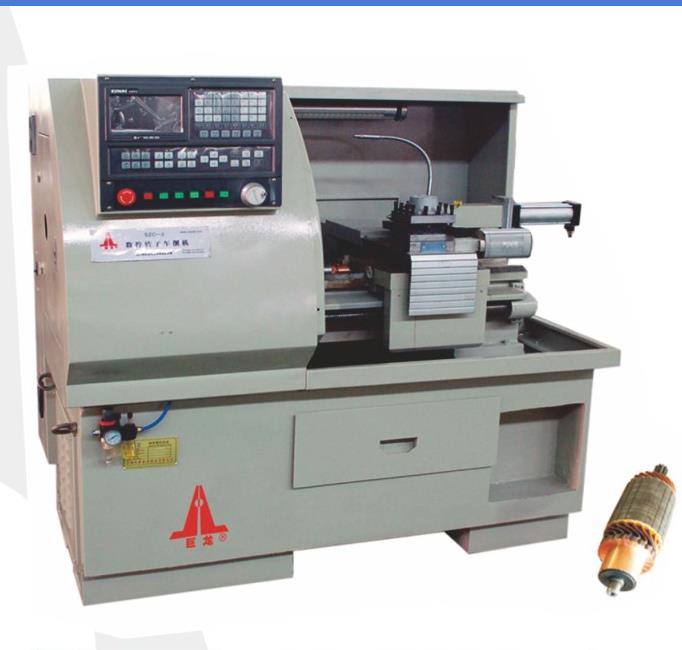
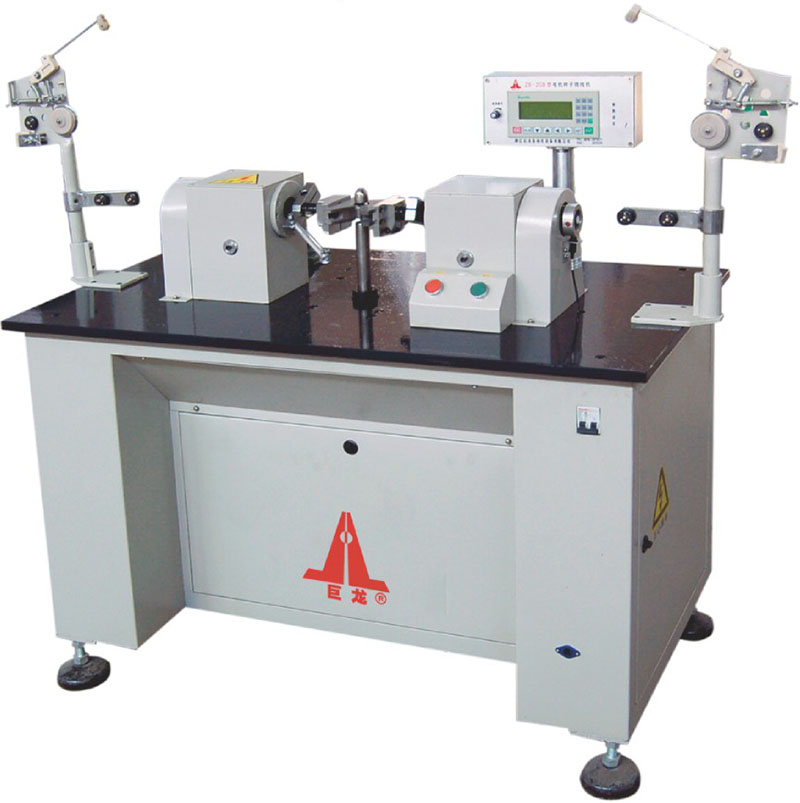
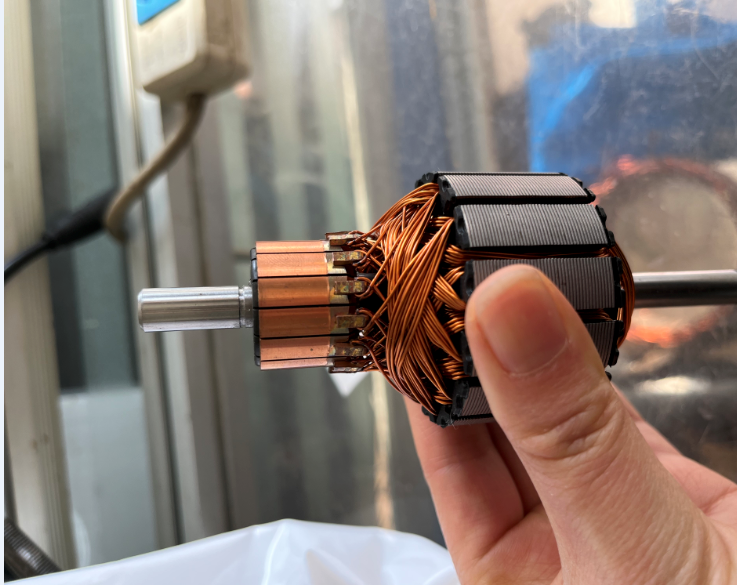
Engineered for high-slot-fill factors, micro-motor consistency, and zero-defect copper wire embedding. Fully compliant with CE and ISO international automation standards.
A strategic breakdown of automated electromagnetic component fabrication across Jurong Innovation District, Seletar Aerospace Park, and Tuas Biomedical Hub.
Within Singapore's aviation aerospace clusters (Seletar and Changi), specialized auxiliary power units (APU), actuator motors, and hermetic fuel pumps demand micro-precision armature coil insertion. Conventional insertion methods often compromise wire insulation enamel under sharp slot edges. Our 5 DQ-1 and custom coil inserting machinery deploy dual-servo synchronized push blades alongside custom-honed guide fingers, ensuring maximum slot-fill density without scratch degradation on Class H and Class 200°C polyimide copper magnet wire.
Singapore serves as a global epicentre for backend semiconductor wafer handling equipment and advanced precision robotics. These instruments rely heavily on ironless core armatures and brushless DC (BLDC) hollow-cup servomotors. Our armature inserting and winding equipment accommodates delicate ultra-fine wire diameters down to 0.05 mm while maintaining tension repeatability below ±0.3gf, preventing cogging torque issues and micro-vibrations critical for pick-and-place precision assembly.
Aligning with the Singapore Green Plan 2030 and rapid regional electrification across ASEAN, regional EV developers and Tier-1 drivetrain component manufacturers leverage our automated coil embedding systems for e-bike hub motors, commercial light electric vehicle (LEV) armatures, and automotive starter-generator systems. High-speed wedge feeding with integrated Nomex or DMD slot insulation insertion ensures breakdown dielectric resistance exceeding 3,000V AC.
Strategic shifts shaping capital equipment procurement and automated line design across Southeast Asian R&D facilities.
With Singaporean design teams emphasizing energy efficiency (IE4 and IE5 standards), modern motor designs reduce slot opening dimensions to cut magnetic flux leakage. This creates immense mechanical resistance during coil insertion. Our specialized wedge insertion geometry achieves up to 78% slot-fill ratio without mechanical crowding, allowing local motor innovators to achieve smaller footprints with higher continuous power output.
Procurement directors across Singapore's electronics clusters increasingly mandate digital twin readiness and SECS/GEM or OPC-UA protocol integration. Our machine platform natively supports real-time insertion pressure logging, per-cycle servo displacement tracking, and dynamic wire-breakage alarms, feeding data directly into factory MES systems for complete batch genealogy.
Because Singaporean engineering facilities frequently conduct pilot batch validation before scaling to contract manufacturing sites in Malaysia, Indonesia, or Vietnam, tooling agility is essential. Rilvo’s rapid-changeover quick-clamping fixtures enable slot-count, stack-length, and stack-diameter tooling swaps in under 20 minutes, drastically curtailing downtime between short-run production batches.
Combining 27+ years of proprietary mechanical design, rigorous quality governance, and factory-direct export capabilities.
Unlike trading houses or assemblers relying on third-party shops, our Sanmen manufacturing base houses over 150 dedicated machine tool units. Inserting blades, guide magazines, and wire pushers are ground to micron tolerances in-house, ensuring mechanical longevity and eliminating batch-to-batch variation.
With an engineering division of 36 dedicated R&D specialists and 8 holding senior academic and industrial titles, we analyze customer lamination drawings, stack heights, and slot geometries to build fully customized tooling, including multi-wire parallel insertion and special wedge profile guides.
Every armature coil inserting machine undergoes sample trial testing with the buyer’s actual stator cores, armature stacks, and magnet wire prior to release. Comprehensive video documentation, cycle-time verification, and insulation breakdown reports are delivered before CIF/FOB dispatch.
Essential engineering and procurement considerations answered by Rilvo Automation’s technical desk.
Standard machine models ship within 20 to 30 working days from factory sign-off. Given our strategic location in Zhejiang near Ningbo and Shanghai maritime hubs, regular container lines reach the Singapore PSA port in approximately 6 to 9 transit days, facilitating swift turnaround times.
Our tooling utilizes mirror-polished tungsten steel blade inserts combined with hardened guide needles (HRC 62-65). Servo-controlled linear pushing provides continuous velocity regulation, eliminating mechanical impact shocks that typically cause micro-cracks in polyurethane or polyamide-imide wire insulation.
Yes. Our modular design allows operators to exchange the tooling cartridge—including pushing head, wedge magazine, and guide blades—within 20 to 30 minutes. Parameter recipes for wire gauge, stack height, and insertion stroke are stored on the touchscreen HMI for instant single-touch recall.
We provide full English technical documentation, comprehensive PLC ladder diagrams, schematic wiring sheets, and step-by-step video commissioning tutorials. For large-scale multi-machine turnkey installations, on-site commissioning by our field service technicians is available across Singapore industrial parks.
Whether you require single-station armature coil insertion, automated commutator turning, or a turnkey stator assembly line, our application engineering team will configure the exact tooling and mechanical specifications for your production volume.